Zepbound Use After Gallbladder Removal: Essential Considerations

Reading time
51 min
Published on
September 20, 2025
Updated on
November 18, 2025
Zepbound Use After Gallbladder Removal: Essential Considerations

Introduction

The journey toward improved health and weight management can sometimes present unique questions, particularly when navigating existing medical conditions or past surgeries. Many individuals seeking effective weight loss solutions find themselves exploring innovative treatments, yet they also ponder how these options might interact with their personal health history. One such common inquiry arises for those who have undergone a cholecystectomy, the surgical removal of the gallbladder: “Can I take Zepbound after gallbladder removal?” It’s a crucial question that underscores the importance of personalized medical guidance in any health endeavor.

Our collective experience at TrimRx began with a shared vision: to help individuals embrace healthier lifestyles by merging cutting-edge telehealth innovations with truly effective weight loss solutions. We understand that your health journey is distinct, and every consideration, big or small, plays a role in finding the right path. This is why our platform is designed to be a user-friendly and supportive space where individuals receive personalized, medically supervised care—all crafted to make sustainable weight loss attainable and tailored to your unique needs. We firmly believe that lasting weight loss should be achieved through science, empathy, and a transparent approach, ensuring that every step you take with us is informed and supported.

In this detailed guide, we will delve into the intricacies of Zepbound (tirzepatide) and its use for individuals who have had their gallbladder removed. We will explore the function of the gallbladder, the implications of its removal on your digestive system, and how medications like Zepbound work. Furthermore, we’ll examine the current medical understanding regarding tirzepatide use in this population, shedding light on potential considerations, side effects, and the paramount importance of expert medical consultation. Our aim is to provide clarity and empower you with knowledge, addressing common concerns and outlining a pathway for safe and effective weight management. By the end of this article, you will have a thorough understanding of the factors involved, helping you to engage in a more informed discussion with your healthcare provider about your weight loss goals.

The Gallbladder’s Role and Life After Cholecystectomy

To fully appreciate the considerations around taking Zepbound after gallbladder removal, it’s essential to first understand the gallbladder’s function and the physiological changes that occur once it’s no longer present. This small, pear-shaped organ, nestled beneath the liver, plays a significant but not strictly essential role in digestion.

Understanding the Gallbladder’s Function

The primary role of the gallbladder is to store and concentrate bile, a greenish-yellow digestive fluid produced by the liver. Bile is crucial for the emulsification of fats in the small intestine, breaking down large fat globules into smaller ones that are easier for digestive enzymes to process and absorb. When you eat a meal, especially one high in fat, the gallbladder contracts, releasing concentrated bile into the small intestine through the bile ducts. This targeted release ensures that a sufficient amount of bile is available precisely when needed for optimal fat digestion.

Why Gallbladders Are Removed: Cholecystectomy

Gallbladder removal, or cholecystectomy, is one of the most common surgical procedures performed globally. It is typically recommended for individuals suffering from gallstones (cholelithiasis), which are hardened deposits of digestive fluid that can form in the gallbladder. These gallstones can cause inflammation (cholecystitis), severe pain (biliary colic), or blockages in the bile ducts, leading to complications like jaundice or pancreatitis. In some cases, chronic gallbladder inflammation or other gallbladder diseases may also necessitate its removal. The procedure is generally safe and often performed laparoscopically, allowing for a quicker recovery time.

Digestive Adjustments After Gallbladder Removal

Once the gallbladder is removed, the liver continues to produce bile, as it always has. However, without the storage capacity of the gallbladder, bile no longer accumulates and becomes concentrated. Instead, it drips continuously and directly into the small intestine. For most people, the digestive system adapts remarkably well to this change, and they experience no significant long-term issues.

However, some individuals may experience digestive adjustments, particularly in how their body handles fatty foods. Since bile is released continuously rather than in concentrated bursts keyed to meals, consuming high-fat foods can sometimes lead to:

  • Diarrhea: This is one of the most common post-cholecystectomy symptoms, often referred to as bile acid malabsorption. Excess bile in the intestines can act as a laxative.
  • Bloating and Gas: Some individuals might experience increased bloating or gas due to altered fat digestion.
  • Abdominal Discomfort: General discomfort or mild pain in the abdomen may occur.

These symptoms are often temporary and can usually be managed through dietary modifications, such as reducing intake of high-fat, greasy, or fried foods. Over time, the body typically finds a new equilibrium, and many individuals return to a relatively normal diet. Regular communication with your healthcare provider is crucial during this adjustment period to monitor your body’s reactions and make appropriate dietary or lifestyle changes.

Understanding Zepbound and GLP-1/GIP Agonists for Weight Management

As we explore the specifics of taking Zepbound after gallbladder removal, it’s vital to have a clear understanding of what Zepbound is and how it functions as a modern weight management solution.

What is Zepbound?

Zepbound, with its active ingredient tirzepatide, represents a significant advancement in the field of weight management. It belongs to a class of medications known as dual glucose-dependent insulinotropic polypeptide (GIP) and glucagon-like peptide-1 (GLP-1) receptor agonists. While initially approved for the treatment of type 2 diabetes under the brand name Mounjaro, Zepbound has received FDA approval specifically for chronic weight management in adults with obesity or overweight individuals with at least one weight-related comorbidity (such as high blood pressure, type 2 diabetes, or high cholesterol).

We understand the enthusiasm surrounding medications like Zepbound, and at TrimRx, we are proud to offer access to this and other clinically proven prescription weight loss medications, including [Compounded Tirzepatide], [Oral Tirzepatide], and [Mounjaro®], as part of our personalized programs. To find out if you qualify for these advanced treatments, we invite you to [take our free assessment quiz].

How Zepbound and Other GLP-1/GIP Agonists Work

Zepbound’s efficacy stems from its unique mechanism of action, mimicking the effects of two natural gut hormones: GIP and GLP-1. These hormones play crucial roles in appetite regulation, glucose metabolism, and gastric emptying.

  • Appetite Regulation: Both GLP-1 and GIP receptors are found in areas of the brain that control appetite. By activating these receptors, tirzepatide signals to the brain that you are full, leading to a significant reduction in appetite and calorie intake. This helps foster a feeling of satiety, making it easier to adhere to a reduced-calorie diet.
  • Slowing Gastric Emptying: Zepbound slows down the rate at which food leaves the stomach. This prolonged digestion contributes to a feeling of fullness for a longer duration, further supporting reduced food intake.
  • Blood Sugar Regulation: While primarily a weight loss medication in its Zepbound formulation, tirzepatide also enhances insulin secretion in a glucose-dependent manner and reduces glucagon secretion. This mechanism helps to improve blood sugar control, which is particularly beneficial for individuals with type 2 diabetes or prediabetes who are also seeking weight management.

By targeting these multiple pathways, Zepbound provides a powerful tool for individuals striving for sustainable weight loss. Our commitment at TrimRx is to provide medically supervised care that leverages such innovative solutions, empowering you to achieve your health goals.

Benefits of Zepbound and Similar Medications for Weight Loss

The introduction of medications like Zepbound has transformed the landscape of weight management, offering substantial benefits beyond traditional diet and exercise alone.

  • Significant Weight Reduction: Clinical trials for Zepbound have demonstrated remarkable results, with participants achieving substantial average body weight reductions. This is often a game-changer for individuals who have struggled with weight loss for years despite diligent efforts.
  • Improved Metabolic Health Markers: Beyond weight loss, Zepbound can lead to improvements in various metabolic health indicators. These include better blood sugar control, reduced blood pressure, and improved cholesterol levels, all of which contribute to a decreased risk of cardiovascular disease.
  • Enhanced Quality of Life: Achieving a healthier weight can significantly improve an individual’s physical mobility, energy levels, and overall self-esteem, leading to a better quality of life. The psychological benefits of reaching weight loss goals, supported by compassionate care, are something we deeply value at TrimRx.

For individuals seeking these benefits, our personalized programs offer a comprehensive approach. We integrate doctor consultations, necessary lab work, the medication itself (provided through FDA-registered and inspected pharmacies), unlimited support from our care team, and convenient shipping—all designed to be transparent and effective, with no hidden fees. We believe in empowering our members through every step of their journey.

Can I Take Zepbound After Gallbladder Removal? Addressing the Core Question
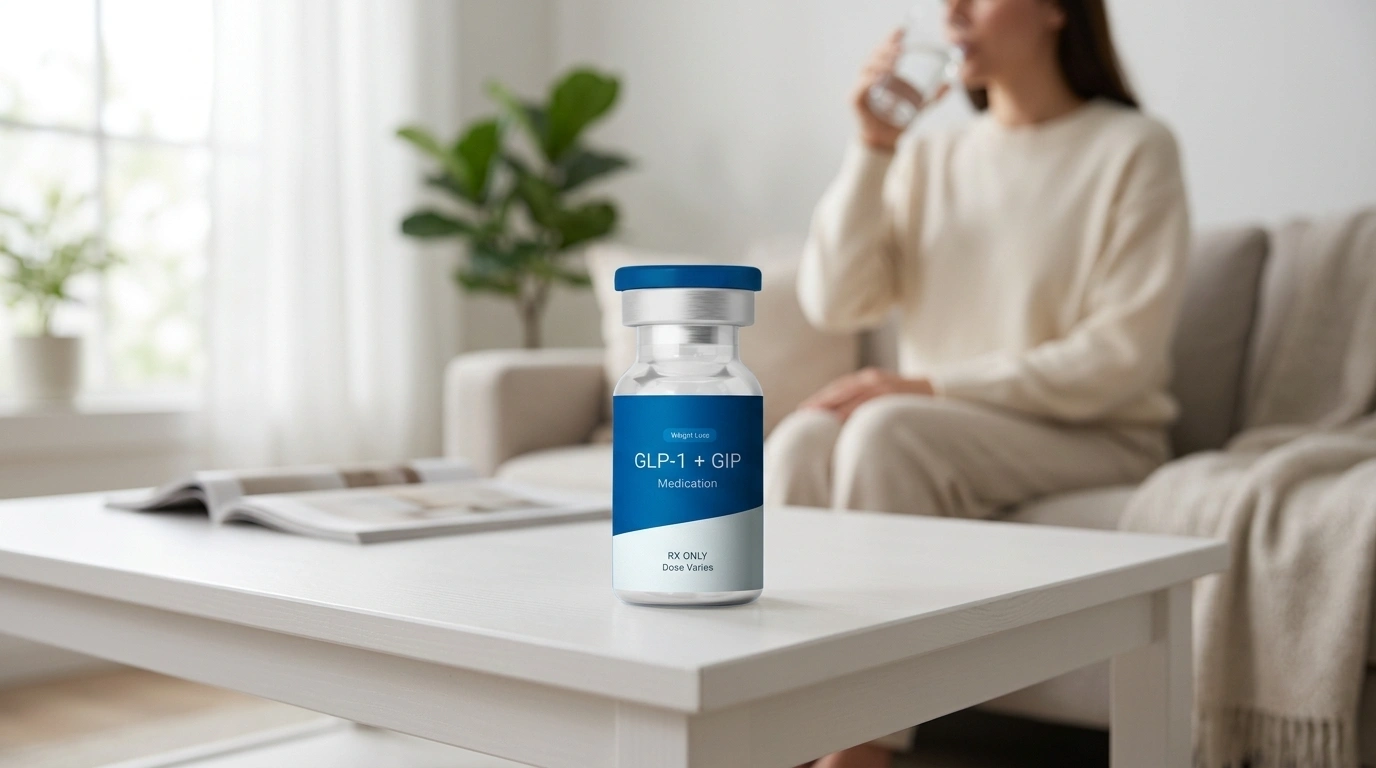
This brings us to the central question: can I take Zepbound after gallbladder removal? The straightforward answer is generally yes, but with critical caveats and the absolute necessity of comprehensive medical consultation.

Current Medical Understanding

According to information from the manufacturer, Eli Lilly, the use of tirzepatide (Zepbound, Mounjaro) in people with gallbladder disease or prior gallbladder removal is not listed as a contraindication. This means that having had your gallbladder removed does not automatically preclude you from being eligible for Zepbound.

However, it’s important to understand the nuances:

  • Lack of Subgroup Analysis: Participants with gallbladder disease or prior gallbladder removal were not explicitly excluded from the tirzepatide clinical trial programs for weight management (SURMOUNT-1, SURMOUNT-2, SURMOUNT-3, SURMOUNT-4). However, Eli Lilly has not sponsored a specific subgroup analysis in this population. This means there isn’t extensive data specifically on how tirzepatide impacts individuals after cholecystectomy compared to those who still have their gallbladder.
  • Association with Acute Gallbladder Disease: Treatment with tirzepatide and other GLP-1 receptor agonists is associated with an increased occurrence of acute gallbladder disease (cholelithiasis and cholecystitis). Clinical trial data for tirzepatide showed that cholelithiasis (gallstones) and cholecystitis (gallbladder inflammation) were reported in a small percentage of tirzepatide-treated patients. Critically, these acute gallbladder events were often associated with weight reduction itself, not solely the medication. While someone who has had their gallbladder removed cannot develop gallstones in the organ itself, rapid weight loss—regardless of the method—is a known risk factor for gallstone formation and complications in the bile ducts for individuals with a gallbladder, and could potentially exacerbate existing bile duct issues or sensitivities post-cholecystectomy.
  • Clinical Considerations: Eli Lilly cannot provide direct treatment recommendations, emphasizing that healthcare practitioners must formulate an assessment based on individual factors. This involves considering the patient’s prior medical history, current concomitant medications, and other unique health circumstances. The healthcare professional must weigh the potential risks and benefits of tirzepatide use for each patient.

At TrimRx, our clinical approach is rooted in these very principles. We provide compassionate care that respects every individual’s unique journey, combining advanced medical science with modern technology. When you engage with our program, our affiliated medical professionals conduct thorough assessments to determine if medications like Zepbound are appropriate for your specific health profile. We offer this level of detailed, personalized medical supervision to ensure your safety and the effectiveness of your weight loss plan. To learn more about how we can support your journey, consider [taking our free assessment quiz].

Side Effects and Digestive Sensitivities

While Zepbound is generally well-tolerated, like all medications, it can cause side effects. For individuals who have undergone gallbladder removal, particular attention should be paid to gastrointestinal side effects.

Common Gastrointestinal Side Effects

The most common side effects of Zepbound and other GLP-1/GIP agonists are gastrointestinal in nature:

  • Nausea
  • Vomiting
  • Diarrhea
  • Constipation
  • Stomach pain or indigestion
  • Acid reflux

These symptoms are often temporary and may subside as your body adjusts to the medication or with careful dosage titration. However, for those without a gallbladder, who may already experience increased digestive sensitivity, particularly to fatty foods, these side effects could potentially be more pronounced or bothersome. Some individuals report more nausea after cholecystectomy when taking tirzepatide.

Gallbladder-Related Concerns Post-Cholecystectomy

Even without a gallbladder, it’s crucial to understand the broader context of gallbladder-related concerns with these medications. While the risk of forming new gallstones within the gallbladder itself is obviously eliminated, the connection between rapid weight loss and bile composition cannot be entirely dismissed. Rapid weight loss can alter bile composition, potentially leading to issues in the remaining bile ducts or aggravating post-cholecystectomy digestive changes. Symptoms like severe stomach pain, fever, or yellowing of the skin or eyes (jaundice) should prompt immediate medical attention, as they could indicate issues like bile duct obstruction, even in the absence of a gallbladder.

Other Serious Side Effects

It’s also important to be aware of other serious, though less common, side effects associated with Zepbound. These include:

  • Pancreatitis: Inflammation of the pancreas, characterized by severe abdominal pain radiating to the back.
  • Kidney Damage: Especially if dehydration occurs due to severe vomiting or diarrhea.
  • Severe Stomach Problems: Including gastroparesis (slowed stomach emptying), which Zepbound’s mechanism of action could potentially exacerbate.
  • Thyroid Tumors: Including medullary thyroid carcinoma (MTC), which is why Zepbound is contraindicated in individuals with a personal or family history of MTC or Multiple Endocrine Neoplasia syndrome type 2 (MEN 2).
  • Hypoglycemia (low blood sugar): Especially when used with insulin or other diabetes medications.
  • Vision Changes: Worsening of diabetic retinopathy has been reported in some cases.
  • Suicidal Thoughts or Actions: Though rare, this is a serious potential side effect that requires immediate attention if experienced.

When you embark on a weight loss journey with TrimRx, we ensure a comprehensive service that includes not just medication access but also thorough doctor consultations and ongoing support. This allows for careful monitoring of side effects and prompt adjustments to your treatment plan as needed. Our commitment to transparent service means our approach remains consistent, regardless of dosage changes, always prioritizing your safety and well-being.

Pre- and Post-Surgery Considerations for GLP-1 Medications

Beyond the general considerations for Zepbound use after gallbladder removal, there are specific guidelines for individuals already taking GLP-1 medications who may be facing surgery, or those planning to start treatment shortly after a procedure.

Stopping GLP-1 Medications Before Surgery

For any planned surgery or procedure requiring anesthesia or deep sedation, it is generally recommended to pause GLP-1 receptor agonist medications, including Zepbound. The American Gastroenterological Association, along with other professional societies, has issued clinical practice guidance on this matter. The primary concern is the delayed gastric emptying caused by these medications, which increases the risk of pulmonary aspiration (when food or liquid enters the lungs) during anesthesia.

Typically, healthcare providers advise stopping GLP-1 medications approximately one week before a scheduled procedure. However, the exact timing can vary based on the specific medication, its half-life, and individual patient factors. It is absolutely essential to discuss your medication regimen with your healthcare provider and surgical team well in advance of any planned surgery. They will provide precise instructions tailored to your situation.

Restarting GLP-1 Medications After Surgery

The timing for restarting Zepbound or any GLP-1 medication after gallbladder removal or any other surgery depends on several factors:

  • Recovery Progress: Your overall recovery, including the resolution of post-surgical pain and the return of normal bowel function.
  • Type of Surgery: The complexity of the gallbladder surgery (e.g., laparoscopic vs. open) and any complications encountered.
  • Digestive Symptoms: Whether you are experiencing significant post-cholecystectomy digestive symptoms such as diarrhea, nausea, or discomfort.
  • Healthcare Provider’s Assessment: Your medical team will monitor your progress and inform you when it is safe to resume medications. They may recommend starting at a lower dose to minimize potential gastrointestinal side effects.

It’s common to experience digestive changes like diarrhea and gas after gallbladder surgery, which overlap with potential side effects of Zepbound. Your healthcare provider will help discern if symptoms are surgery-related or medication-related. They might suggest temporarily delaying the restart of Zepbound until post-surgical symptoms improve, resuming at a lower dose, or even exploring alternative treatment options if digestive issues become too challenging.

At TrimRx, our medically supervised programs are designed with your entire health picture in mind. Our affiliated doctors will provide guidance through every stage, from initial assessment to post-operative care and medication adjustments, ensuring your journey is as smooth and safe as possible.

TrimRx’s Personalized and Supportive Approach to Weight Loss

At TrimRx, our journey began with a shared vision: to help individuals embrace healthier lifestyles by merging cutting-edge telehealth innovations with effective weight loss solutions. We understand that your weight loss journey is deeply personal, and our platform is specifically designed to be a user-friendly and supportive space where individuals receive personalized, medically supervised care. All of our programs are crafted to make sustainable weight loss attainable and tailored to your individual needs. We believe that sustainable weight loss should be achieved through science, empathy, and a transparent approach, ensuring you feel confident and supported every step of the way.

Our Brand Values in Action

Our brand personality is built on being empathetic, innovative, trustworthy, supportive, results-oriented, and personalized. We offer compassionate care that truly respects every individual’s unique journey. This is achieved by combining advanced medical science with modern technology, creating an accessible and effective pathway to health.

We are deeply committed to transparent service. This means our approach remains consistent and clear, regardless of dosage changes or other adjustments to your plan. Your safety is our paramount concern, which is why we work exclusively with FDA-registered and inspected pharmacies for the shipping of any prescribed weight loss medications. It’s crucial to understand that while TrimRx partners with these pharmacies, we do not provide actual medical supervision; that is done by the licensed medical professionals affiliated with our platform.

Our Comprehensive Service

When you choose TrimRx, you gain access to a comprehensive service package designed to remove barriers and provide holistic support:

  • Doctor Consultations: Receive personalized guidance from licensed medical professionals who understand the complexities of weight management, including specific considerations like gallbladder removal.
  • Medication: Access to clinically proven prescription weight loss medications, where appropriate, provided through our network of FDA-registered and inspected pharmacies. Please note that while branded medications like Ozempic®, Mounjaro®, Zepbound®, and Wegovy® are FDA-approved, any compounded medications we offer are not FDA-approved, though they are sourced from FDA-registered and inspected pharmacies.
  • Lab Work: Necessary lab tests are included to ensure your treatment plan is safe and tailored to your current health status.
  • Unlimited Support: Our dedicated care team is always available to answer your questions, provide encouragement, and help you navigate your journey.
  • Shipping: Convenient and discreet shipping of your medication directly to your door, with no hidden fees.

Your Path to Personalized Weight Loss Solutions

We offer a range of clinically proven solutions to meet diverse needs:

Personalized Weight Loss Program (Requires Assessment Quiz)

For individuals seeking prescription weight loss medications, a crucial first step is to determine eligibility and receive a personalized treatment plan. We offer access to a variety of options, including:

  • [Compounded Semaglutide]
  • [Oral Semaglutide]
  • [Ozempic®]
  • [Compounded Tirzepatide]
  • [Oral Tirzepatide]
  • [Mounjaro®]
  • [Zepbound®]
  • [Wegovy®]

To see if you qualify for these prescription treatments and to begin your journey with a customized plan, we strongly encourage you to [take our free assessment quiz]. It’s a simple, confidential step towards understanding your options and connecting with our supportive care team.

Quick-Access Supplements (No Quiz Required)

In addition to our prescription programs, we also offer immediate support supplements designed to complement your overall wellness journey, available for direct purchase:

  • [GLP-1 Daily Support]: This supplement is formulated to support natural GLP-1 function and overall metabolic health, making it an excellent addition for those looking to enhance their weight loss efforts.
  • [Weight Loss Boost]: Designed to provide additional metabolic support and energy, this supplement can be a valuable tool to help you stay on track with your health goals.

These quick-access supplements are available to support you, whether you’re considering prescription options or seeking non-prescription ways to boost your wellness.

Strategies for Supporting Your Weight Loss Journey with Zepbound

Embarking on a weight loss journey with medications like Zepbound, especially after a significant medical event like gallbladder removal, involves a holistic approach that extends beyond medication alone. At TrimRx, we emphasize comprehensive strategies to maximize your success and ensure your well-being.

Adopt a Balanced and Mindful Diet

Dietary choices play a critical role in both weight management and managing digestive health after cholecystectomy.

  • Focus on Nutrient-Dense Foods: Prioritize a diet rich in fruits, vegetables, lean proteins (chicken, fish, legumes), and whole grains. These foods provide essential nutrients, fiber, and promote satiety.
  • Mindful Fat Intake: While you don’t need to eliminate fats entirely, be mindful of high-fat, fried, or greasy foods. Without a gallbladder, your body processes fats differently, and excessive intake can lead to digestive discomfort, especially diarrhea. Incorporate healthy fats in moderation, such as those found in avocados, nuts, seeds, and olive oil.
  • Smaller, More Frequent Meals: Eating smaller, more frequent meals can ease the digestive burden and help manage the continuous flow of bile, potentially reducing post-cholecystectomy symptoms.
  • Hydration: Drink plenty of water throughout the day. This supports overall digestion, helps manage medication-related gastrointestinal side effects, and is crucial if you experience any diarrhea.

Our personalized programs often include tailored nutritional guidance to help you make informed choices that align with your health needs and digestive sensitivities.

Increase Physical Activity Gradually

Regular physical activity is an indispensable component of any weight loss plan and contributes significantly to overall health.

  • Aim for Consistency: Strive for at least 150 minutes of moderate-intensity aerobic activity per week, along with muscle-strengthening activities on two or more days. This could include brisk walking, swimming, cycling, or strength training.
  • Listen to Your Body: Especially after surgery, it’s vital to start slowly and gradually increase the intensity and duration of your workouts. Consult with your healthcare provider about appropriate exercise routines post-cholecystectomy.
  • Benefits Beyond Weight Loss: Exercise not only aids in burning calories and building muscle but also improves mood, boosts energy levels, and enhances cardiovascular health.

Manage Stress and Prioritize Sleep

Stress and inadequate sleep can significantly impact your metabolic health and hinder weight loss efforts.

  • Stress Reduction Techniques: Incorporate stress-management practices into your daily routine, such as mindfulness meditation, yoga, deep breathing exercises, or spending time in nature. Reducing stress can help curb stress-related eating and support overall well-being.
  • Quality Sleep: Aim for 7-9 hours of quality sleep per night. Poor sleep can disrupt hormones that regulate appetite (ghrelin and leptin), leading to increased cravings and making weight loss more challenging. Establish a consistent sleep schedule and create a relaxing bedtime routine.

At TrimRx, we believe in a holistic approach that empowers you with tools and support for every aspect of your health. Our dedicated care team provides unlimited support, fostering an environment where you can truly thrive on your weight loss journey.

Navigating Your Journey with Professional Guidance

Making informed decisions about your health, especially concerning medications like Zepbound after a significant medical event like gallbladder removal, necessitates expert guidance. Our mission at TrimRx is to provide that guidance and support, ensuring your weight loss journey is safe, effective, and tailored to your unique circumstances.

The Paramount Importance of Your Healthcare Provider

Your healthcare provider is your most valuable resource. They possess the comprehensive understanding of your medical history, including the specifics of your cholecystectomy and any ongoing health conditions. Before starting Zepbound or any new weight loss medication, a thorough discussion with your doctor is non-negotiable. They can:

  • Assess Eligibility: Evaluate whether Zepbound is the right choice for you, considering your past surgery, current health, and potential risks versus benefits.
  • Monitor Progress and Side Effects: Continuously monitor your response to the medication, identify and manage any side effects, particularly gastrointestinal ones that might be exacerbated post-gallbladder removal.
  • Adjust Treatment Plan: Modify dosages or recommend alternative strategies based on your individual progress and tolerance.
  • Provide Personalized Advice: Offer tailored dietary recommendations and lifestyle guidance that account for your unique digestive needs after cholecystectomy.

At TrimRx, our clinical processes ensure that this essential medical supervision is at the forefront of your experience. When you connect with our affiliated medical professionals, you engage in a dialogue that puts your safety and individual needs first.

TrimRx: Your Partner in Health

We are dedicated to being your trusted partner on your weight loss journey. Our commitment goes beyond simply providing access to medication; we offer a comprehensive ecosystem of support designed for long-term success.

If you’ve had your gallbladder removed and are considering Zepbound or other prescription weight loss solutions, we encourage you to take the next step with us. Our [free assessment quiz] is the perfect starting point to connect with our medical team and explore if a personalized, medically supervised program is right for you. This quiz helps us understand your health profile and determine your eligibility for medications like [Ozempic®], [Zepbound®], [Mounjaro®], [Wegovy®], [Compounded Semaglutide], [Oral Semaglutide], [Compounded Tirzepatide], or [Oral Tirzepatide].

Furthermore, for those seeking immediate support for overall wellness, explore our [GLP-1 Daily Support] and [Weight Loss Boost] quick-access supplements. These tools are designed to complement your healthy lifestyle and are available without the need for an assessment quiz.

Our approach is built on trust, innovation, and an unwavering commitment to your well-being. We combine advanced medical science with modern technology to deliver compassionate, results-oriented care. We look forward to helping you embark on a path toward a healthier, more vibrant you.

Conclusion

Navigating the landscape of modern weight management, especially with a specific health history like gallbladder removal, requires careful consideration and expert guidance. The question, “can I take Zepbound after gallbladder removal?” is a testament to the complexities many individuals face on their health journey. While medical evidence suggests that having undergone a cholecystectomy is not a direct contraindication for Zepbound (tirzepatide), it underscores the absolute necessity of personalized medical supervision.

We’ve explored the gallbladder’s vital role in digestion and the subsequent physiological adjustments after its removal. We’ve also delved into how Zepbound, as a GIP and GLP-1 receptor agonist, works to promote significant weight loss by regulating appetite and slowing gastric emptying. Critically, we highlighted the potential for increased gastrointestinal side effects in individuals post-cholecystectomy and the association of rapid weight loss with acute gallbladder events. The importance of stopping GLP-1 medications before surgery and carefully determining the safe reintroduction post-recovery cannot be overstated.

At TrimRx, we are founded on the principle that sustainable weight loss should be achieved through science, empathy, and a transparent approach. Our dedication to providing medically supervised, personalized care is designed to address these nuanced considerations. We empower you with access to cutting-edge telehealth services, expert doctor consultations, necessary lab work, and a range of clinically proven medications delivered by FDA-registered and inspected pharmacies. Our unlimited support ensures you never feel alone in your journey.

Your health journey is unique, and we are here to walk alongside you. If you are considering Zepbound or other prescription weight loss solutions after gallbladder removal, the most crucial step is to engage with a healthcare professional who can assess your individual needs and guide you safely. We invite you to [take our free assessment quiz] to determine your eligibility for our personalized prescription programs and connect with our dedicated team. For immediate support for your overall wellness, consider our [GLP-1 Daily Support] and [Weight Loss Boost] quick-access supplements. Together, let’s embrace a healthier, more vibrant future.

Frequently Asked Questions

What are the common digestive side effects of Zepbound, and how might they be affected by gallbladder removal?

Common digestive side effects of Zepbound include nausea, vomiting, diarrhea, constipation, and stomach pain. After gallbladder removal (cholecystectomy), some individuals may already experience heightened digestive sensitivity, particularly to fatty foods, due to continuous bile flow into the intestines. This pre-existing sensitivity could potentially make Zepbound’s gastrointestinal side effects more pronounced or challenging for some individuals. Careful monitoring and open communication with your healthcare provider are essential.

How does TrimRx ensure safety for individuals considering Zepbound after cholecystectomy?

At TrimRx, safety is paramount. Our process includes thorough doctor consultations where licensed medical professionals review your complete medical history, including any prior surgeries like gallbladder removal. This allows them to assess your individual risks and benefits, and determine if Zepbound or another medication is appropriate. We provide medically supervised care, ongoing support, and source all prescription medications through FDA-registered and inspected pharmacies, ensuring quality and safety. We emphasize that all individuals should complete our [free assessment quiz] to facilitate this personalized evaluation.

When should I talk to my doctor about pausing Zepbound before any planned surgery?

It is crucial to discuss pausing Zepbound or any GLP-1 medication with your healthcare provider and surgical team well in advance of any planned surgery, especially those requiring anesthesia or deep sedation. Due to Zepbound’s effect of slowing gastric emptying, there’s an increased risk of pulmonary aspiration during these procedures. Generally, medical guidelines suggest pausing these medications approximately one week before surgery, but your doctor will provide precise instructions based on your specific medication and health status.

Are there non-prescription options available from TrimRx to support weight loss for individuals with a history of gallbladder removal?

Yes, TrimRx offers quick-access supplements that do not require an assessment quiz and can support overall wellness during your weight loss journey. These include [GLP-1 Daily Support], designed to support natural GLP-1 function and metabolic health, and [Weight Loss Boost], formulated to provide additional metabolic support and energy. These supplements can be valuable additions to a healthy lifestyle, whether you are on a prescription program or seeking non-prescription ways to enhance your well-being.

Transforming Lives, One Step at a Time

Patients on TrimRx can maintain the WEIGHT OFF
Start Your Treatment Now!

Keep reading

38 min read

Navigating Your Path: How Many Doses Are In Zepbound and What It Means for Your Health Journey

Curious how many doses are in Zepbound? Discover its weekly dosing schedule, available strengths, and titration process for effective weight loss. Learn more!

38 min read

Navigating Your Zepbound Journey: Understanding Dosing and Expert Guidance

Wondering how to split doses of Zepbound? Learn why it’s unsafe & not recommended. Get expert guidance on Zepbound dosing for safe, effective weight loss with TrimRx. Click to learn more!

59 min read

Understanding Zepbound Dosing: What is the Lowest Dose Available for Your Weight Loss Journey?

Curious what is the lowest dose of Zepbound available? Learn about Zepbound’s 2.5mg starting dose, titration, and safe use for weight loss. Get expert guidance!

Stay on Track

Join our community and receive:
Expert tips on maximizing your GLP-1 treatment.
Exclusive discounts on your next order.
Updates on the latest weight-loss breakthroughs.