Can I Take Metformin and Zepbound Together?
Introduction
Managing weight and metabolic health often feels like a balancing act where you are trying to find the perfect combination of tools. If you have been prescribed metformin for blood sugar management or off-label weight loss, you might wonder if adding a modern medication like Zepbound® could help you reach your goals faster. The short answer is that many healthcare providers do prescribe these two together, but it is a clinical decision that requires careful supervision.
At TrimRx, we believe that understanding how your medications interact is the first step toward a safer and more effective health journey. This post will cover the safety considerations, potential benefits, and common side effects of using these two treatments at the same time. We will also look at how personalized programs can help you navigate these choices. Combining metabolic treatments can be complex, and our goal is to help you understand the clinical reasoning behind “stacking” these specific therapies. If you are considering prescription weight-loss treatment, you can complete a free eligibility assessment.
Quick Answer: Yes, it is generally considered safe to take metformin and Zepbound together under the supervision of a licensed healthcare provider. While there are no known major drug-drug interactions, taking both can increase the risk of gastrointestinal side effects and low blood sugar (hypoglycemia).
How Metformin and Zepbound Work in the Body
To understand if you should take these two medications together, it helps to know how they function individually. They target different pathways in your metabolism, which is why some doctors consider them a powerful duo.
What is Metformin?
Metformin is an oral medication that has been a cornerstone of metabolic health for decades. It is primarily used to treat type 2 diabetes, but it is frequently used off-label to support weight loss and manage polycystic ovary syndrome (PCOS).
Metformin works in three main ways:
- Reduces liver glucose: It tells your liver to produce less sugar.
- Improves insulin sensitivity: It helps your cells use the insulin your body already makes more effectively.
- Decreases absorption: It slightly reduces the amount of sugar your intestines absorb from food.
What is Zepbound?
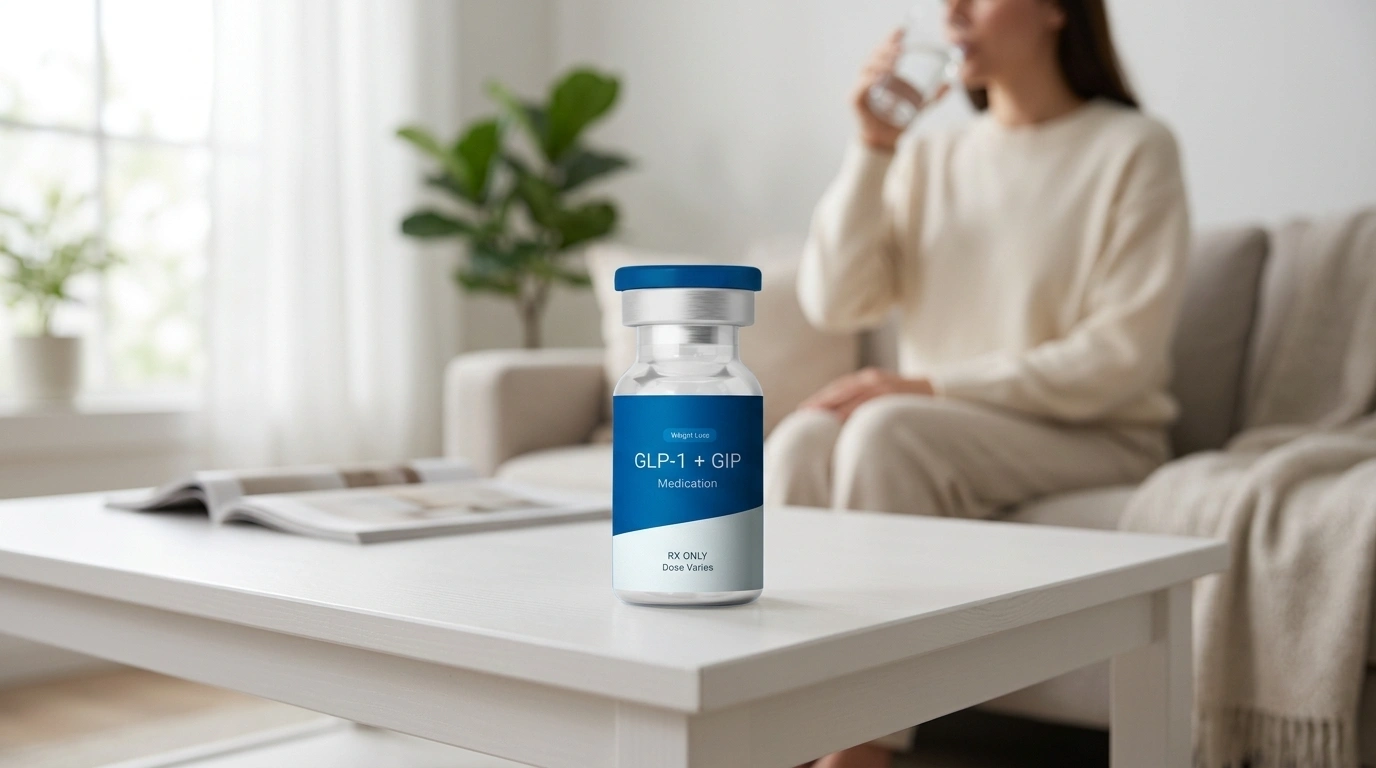
Zepbound® is a branded injectable medication containing the active ingredient tirzepatide. Tirzepatide is a dual agonist, meaning it mimics two different hormones in the body: glucagon-like peptide-1 (GLP-1) and glucose-dependent insulinotropic polypeptide (GIP).
These hormones are naturally released by your gut when you eat. They signal your brain that you are full, slow down how quickly your stomach empties, and help your pancreas release the right amount of insulin. Because it targets two hormone pathways instead of just one, research suggests it can be highly effective for chronic weight management. You can also review how Zepbound works and what to expect from treatment.
Key Takeaway: Metformin focuses on how your liver and cells handle sugar, while Zepbound focuses on brain-based hunger signals and stomach emptying. Using them together addresses weight loss from multiple biological angles.
Is it Safe to Combine Metformin and Zepbound?
Clinical data and current medical practice suggest that combining metformin and Zepbound® is safe for most individuals, provided they are monitored by a professional. In many cases, patients who are already taking metformin for insulin resistance are kept on the medication when they start a GLP-1 or GIP/GLP-1 therapy.
No Major Drug-Drug Interactions
According to current pharmacological databases, there are no known major “contraindications” (reasons to strictly avoid the combination) between these two. They do not neutralize each other, nor do they create a toxic chemical reaction when present in the bloodstream at the same time.
The Risk of Hypoglycemia
The primary safety concern when combining any blood-sugar-lowering medications is hypoglycemia, or low blood sugar. While metformin rarely causes low blood sugar when taken alone, adding a potent medication like Zepbound can shift the balance. If your blood sugar drops too low, you might feel dizzy, shaky, confused, or faint. Your healthcare provider may need to adjust your metformin dose when you start an injectable treatment to prevent this.
Potential for Lactic Acidosis
A very rare but serious side effect of metformin is lactic acidosis, which is a buildup of acid in the blood. This risk is generally linked to kidney or liver issues. While Zepbound does not directly cause lactic acidosis, it can cause dehydration through side effects like vomiting or diarrhea. Severe dehydration can strain the kidneys, which indirectly increases the risk for those on metformin. Staying hydrated is essential when using this combination. For more information, review these hydration strategies during weight loss treatment.
Potential Benefits of the Combination
Why would a provider suggest taking both instead of just switching to the newer injectable? There are several clinical reasons why “stacking” might be beneficial for some individuals.
Enhanced Weight Loss Results
Because these medications work on different metabolic “brakes,” combining them may lead to more significant weight loss than using either one alone. Metformin helps manage the insulin resistance that often makes it hard to lose weight, while Zepbound manages the appetite and cravings that lead to overeating.
Improved Glycemic Control
For those struggling with pre-diabetes or significant insulin resistance, the combination offers a double layer of protection. Metformin works around the clock on liver glucose production, while Zepbound provides a powerful boost to insulin response following meals.
Cost and Maintenance
In some cases, metformin is used as a “base” therapy because it is widely available and affordable. If a patient reaches a plateau on Zepbound, or if they need to lower their dose of the injectable due to side effects, keeping metformin in the regimen can help maintain the progress they have made.
Managing Shared Side Effects
The biggest challenge of taking metformin and Zepbound together is not a dangerous interaction, but rather the cumulative effect on your digestive system. Both medications are known for causing “GI distress.” You can learn more about common Zepbound side effects and ways to manage them.
Common Digestive Issues
When you take both, you may experience an increase in:
- Nausea: This is the most common side effect for both drugs.
- Diarrhea: Metformin is particularly known for this, especially the immediate-release version.
- Stomach Cramping: Both medications affect how the gut moves.
- Bloating and Gas: Changes in gut bacteria and digestion speed can lead to discomfort.
Tips for Reducing Discomfort
If you and your provider decide to use both, there are ways to make the transition easier:
- Start Low and Go Slow: Most providers will start you on a very low dose of Zepbound while keeping your metformin dose steady, or vice versa.
- Switch to Extended-Release: If metformin causes stomach issues, the extended-release (ER) version is often much gentler.
- Time Your Doses: Some people find that taking metformin with their largest meal of the day reduces nausea.
- Prioritize Hydration: Since both can cause fluid loss, drinking plenty of water and electrolytes is non-negotiable.
Note: If you experience severe abdominal pain, persistent vomiting, or an inability to keep fluids down, contact your healthcare provider immediately. These can be signs of more serious complications like pancreatitis or severe dehydration.
Who is a Candidate for This Combination?
Not everyone needs two medications to see results. Usually, a provider at a platform like TrimRx will look at your specific health history to see if a multi-medication approach makes sense.
Potential Candidates
- Individuals with a high BMI: Those with a Body Mass Index (BMI) of 30 or higher, or 27 with a weight-related condition.
- Patients with Insulin Resistance: People who have shown limited progress on metformin alone.
- PCOS Patients: Many women with PCOS find that metformin helps regulate their cycles while a GLP-1/GIP helps with weight loss.
- Those at a Plateau: If weight loss has stalled on a single medication, adding a second mechanism of action can sometimes restart progress.
Who Should Avoid It?
You should talk to your doctor specifically if you have a history of:
- Kidney Disease: Metformin requires healthy kidney function.
- Medullary Thyroid Carcinoma: Zepbound carries a warning for those with a personal or family history of this specific thyroid cancer.
- Pancreatitis: A history of gallbladder or pancreas issues may make these medications unsuitable.
Transitioning or Adding a Medication
The process of adding Zepbound to a metformin routine is a medical procedure that requires a prescription. You should never attempt to “stack” medications using leftover pills or someone else’s prescription.
The Assessment Process
When you use a telehealth platform, the process usually looks like this:
Step 1: Complete a health assessment. / You will share your medical history, current medications (like metformin), and weight loss goals.
Step 2: Consult with a provider. / A licensed healthcare professional reviews your profile to ensure the combination is safe for you.
Step 3: Receive a personalized plan. / This includes the specific dosage and instructions for how to take both medications together.
Step 4: Ongoing monitoring. / You will check in regularly to report side effects and track your progress.
If you are ready to discuss whether a personalized prescription program may fit your situation, you can take the free assessment quiz.
Myth: “If I start Zepbound, I have to stop Metformin immediately.”
Fact: Many people continue taking metformin for months or even years alongside their injectable medication. The choice depends on their blood sugar levels and how well they tolerate the combination.
The Role of Personalized Programs
Every metabolism is different. Some people find that metformin is enough to “unstick” their weight, while others need the more intensive hormonal support of a dual agonist like Zepbound.
At TrimRx, our programs are built on the idea that there is no one-size-fits-all dosage. We connect you with providers who can determine if you need branded medications, which you would fill at your local pharmacy, or if a compounded alternative is a better fit for your needs.
Understanding Compounded Alternatives
In some cases, providers may prescribe compounded tirzepatide or compounded semaglutide. It is important to remember that compounded medications are not FDA-approved. However, we ensure they are prepared and shipped by FDA-registered, inspected compounding pharmacies. These can be a vital option when branded medications like Zepbound® or Wegovy® are in short supply or otherwise inaccessible.
Support Beyond the Prescription
Taking two medications at once can be intimidating. Having 24/7 access to a team that understands the nuances of GLP-1 and metformin therapy can make a significant difference in your comfort and success. Whether it’s adjusting your diet to manage nausea or knowing when to tweak a dose, professional support is the bridge between a frustrating experience and a successful one.
Diet and Lifestyle While on Both Medications
Medication is a powerful tool, but it works best when supported by the right habits. When taking metformin and Zepbound together, your nutritional needs change.
Focus on Protein
Zepbound can lead to rapid weight loss, which sometimes includes muscle loss. Eating enough protein is essential to protect your metabolism. Aim for lean sources like chicken, fish, tofu, or Greek yogurt at every meal. For additional guidance, explore what to eat while taking a GLP-1 medication.
Fiber and Gut Health
Since both medications can slow down or disrupt your digestion, fiber is your best friend. However, introduce it slowly. Too much fiber too fast can increase the bloating you might already be feeling from the medications.
Nutrient Support
Because metformin can sometimes interfere with Vitamin B12 absorption, and Zepbound can limit how much you eat overall, high-quality supplements can be helpful. We offer products like GLP-1 Daily Support supplement, which is designed to provide the specific nutrients your body needs when your appetite is significantly reduced.
Bottom line: Combining metformin and Zepbound is a clinically recognized strategy that can improve weight loss and metabolic health, but it requires careful management of digestive side effects and blood sugar levels.
Moving Forward with Your Weight Loss Journey
If you are currently taking metformin and feel like your progress has stalled, adding a dual agonist could be the next logical step. It is not about taking “more” medicine; it is about finding the right combination that addresses the unique ways your body stores and uses energy.
The journey toward a healthier weight is personal and often requires adjustment. By working with professionals who understand how to safely combine these therapies, you can move forward with confidence. We are here to provide the clinical expertise and the personalized care you need to make your goals a reality.
At TrimRx, our mission is to help you embrace a healthier lifestyle through science and empathy. We provide a transparent, telehealth-first approach that removes the barriers to modern weight loss care. Whether you are just starting or looking to optimize your current treatment, we are ready to support your unique path to sustainable health.
Key Takeaway: Success with combination therapy depends on three things: professional medical oversight, a focus on protein and hydration, and a personalized plan that respects your body’s limits.
Next Steps
If you are ready to see if a personalized program is right for you, the first step is simple. You can take our free assessment quiz to see which options fit your health profile and goals. If you aren’t ready for a prescription program but want to support your metabolic health, you can explore our quick-access supplements like Weight Loss Boost supplement for immediate purchase.
FAQ
Can I take metformin and Zepbound at the same time of day?
Yes, you can take them at the same time, but it is often better to space them out to minimize stomach upset. Metformin is typically taken daily with a meal, while Zepbound is a once-weekly injection that can be taken with or without food.
Will taking both medications make me lose weight faster?
Clinical experience suggests that combining these medications may lead to more significant weight loss than using one alone because they target different metabolic pathways. However, individual results always vary based on diet, exercise, and biological factors. For more context, review how to get the most out of GLP-1 treatment.
What should I do if I get severe diarrhea from the combination?
You should prioritize hydration with electrolytes and contact your healthcare provider immediately. They may suggest switching to an extended-release version of metformin or adjusting your Zepbound dosage to help your body adapt.
Do I need to check my blood sugar if I take both?
Even if you do not have diabetes, your doctor may recommend periodic monitoring to ensure your blood sugar does not drop too low. It is important to know the signs of hypoglycemia, such as dizziness or shakiness, and have a plan to address it if it occurs.
Disclaimer: This content is for informational purposes only and does not constitute medical advice. It is not intended to diagnose, treat, cure, or prevent any disease or condition. Individual results may vary. Always consult a qualified healthcare professional before starting any weight loss program or medication.

Transforming Lives, One Step at a Time
Keep reading

Kids’ Birthday Party on Zepbound
If you have young children, birthday parties are a regular part of life: your own child’s, and the steady stream of classmates’ parties most…
Water Aerobics on Zepbound
For people with painful knees, hips, or backs, water aerobics and pool exercise are often the first kind of exercise that feels possible. The…

New Year’s Eve on Zepbound
New Year’s Eve is built around staying up late. There is usually a big dinner or a party spread, drinks through the evening, champagne…


