Should I Take B12 with Zepbound? Navigating Your Weight Loss Journey with Personalized Support

Reading time
60 min
Published on
September 20, 2025
Updated on
November 18, 2025
Should I Take B12 with Zepbound? Navigating Your Weight Loss Journey with Personalized Support

Introduction

The journey toward sustainable weight loss is a deeply personal one, often marked by significant changes and new avenues for health improvement. For many, modern advancements like Zepbound (tirzepatide) offer a powerful tool in this endeavor, helping to manage appetite and support meaningful weight reduction. As individuals embrace such innovative treatments, a common and important question arises: “Should I take B12 with Zepbound?” This query reflects a broader concern about nutritional well-being alongside medication, underscoring the desire to optimize health from every angle. Understanding the intricate relationship between groundbreaking weight management solutions and essential nutrients is not just a matter of supplementation; it’s about empowering ourselves with knowledge to make informed decisions for our long-term vitality.

This blog post aims to thoroughly explore the intersection of Zepbound and vitamin B12, providing a detailed look at how these elements interact within the body. We will delve into Zepbound’s mechanism of action, the crucial functions of vitamin B12, and the theoretical considerations surrounding their combined use. Our goal is to demystify these topics, offering clarity on when and why B12 supplementation might be considered, always emphasizing the indispensable role of personalized medical guidance. By the end of this comprehensive guide, you will have a clearer understanding of how to proactively address your nutritional needs while on a weight loss journey with Zepbound, ensuring your approach is as effective and supportive as possible. We will also highlight how our personalized, medically supervised programs at TrimRx are designed to support every aspect of your health, making your path to a healthier lifestyle both attainable and sustainable.

Zepbound: A Modern Approach to Weight Management

Weight management has evolved significantly, moving beyond one-size-fits-all solutions to embrace sophisticated, medically-backed treatments. Zepbound, with its active ingredient tirzepatide, represents a pinnacle of this evolution, offering a clinically proven path for adults living with obesity or overweight with at least one weight-related condition. Understanding how this medication works is fundamental to appreciating its impact on your body and, consequently, your nutritional needs.

How Zepbound Facilitates Weight Loss

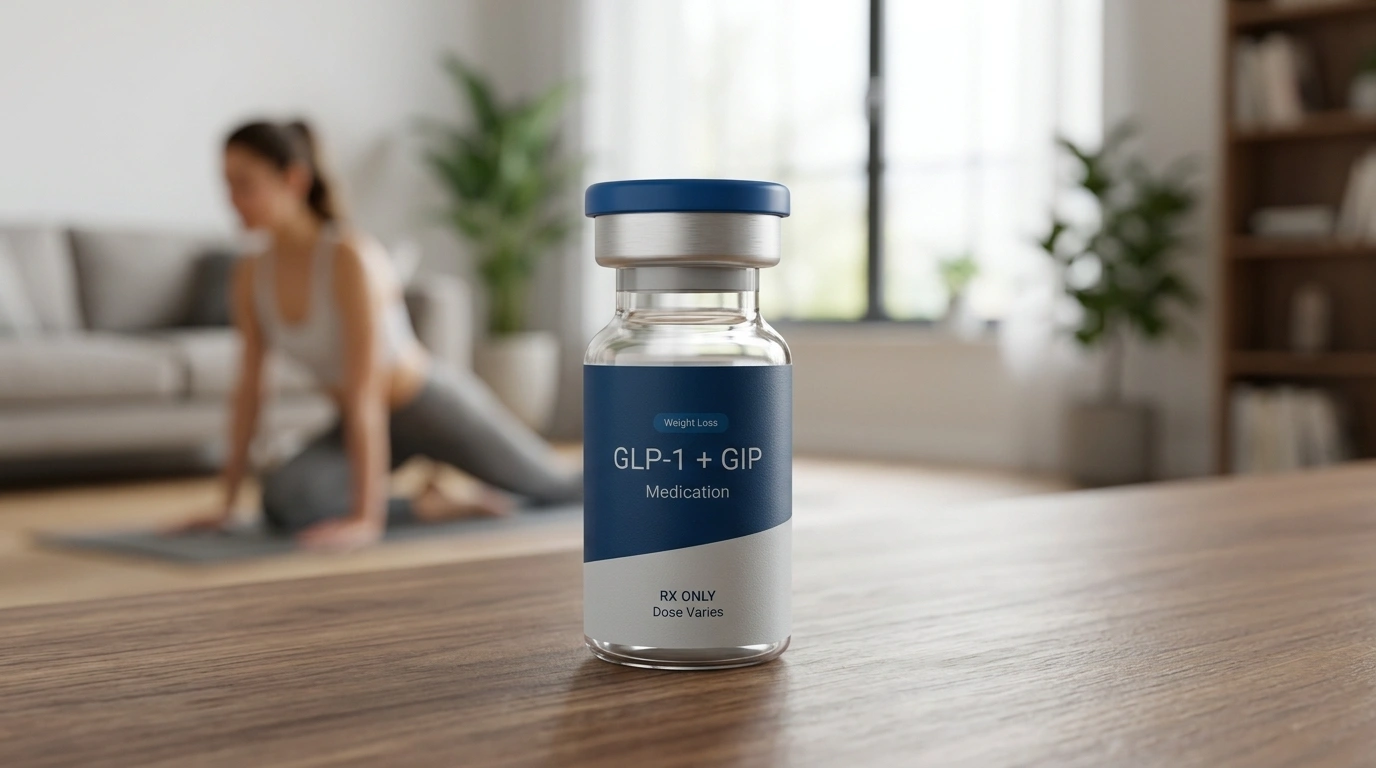
Zepbound belongs to a novel class of medications known as GLP-1 (glucagon-like peptide-1) and GIP (glucose-dependent insulinotropic polypeptide) receptor agonists. These agents mimic the actions of natural hormones in your body that play critical roles in regulating appetite and food intake. By activating both GLP-1 and GIP receptors, Zepbound achieves a multifaceted approach to weight reduction:

  • Slowing Gastric Emptying: It reduces the speed at which food leaves your stomach. This leads to a prolonged feeling of fullness, helping you feel satisfied with smaller meal portions and naturally reducing overall caloric intake.
  • Increasing Satiety: Zepbound directly impacts the brain’s satiety centers, signaling feelings of fullness and reducing hunger pangs. This helps to diminish cravings and the urge to overeat, fostering a more mindful relationship with food.
  • Improving Blood Sugar Regulation: While primarily approved for weight management, tirzepatide’s dual agonism also influences glucose metabolism, helping to stabilize blood sugar levels. This can be particularly beneficial for individuals with underlying metabolic challenges often associated with obesity.

Administered as a convenient once-weekly subcutaneous injection, Zepbound dosage typically starts low and is gradually increased under medical supervision. This titration process allows the body to adjust to the medication, minimizing potential side effects while optimizing its efficacy.

Common Side Effects and Nutritional Considerations

Like all effective medications, Zepbound can be associated with side effects, most commonly gastrointestinal in nature. These may include nausea, diarrhea, vomiting, constipation, and abdominal discomfort. While these symptoms often diminish as your body adapts to the medication, their presence is particularly relevant when considering nutrient absorption.

The significant reduction in appetite and food intake experienced by many individuals on Zepbound is a key driver of its weight loss effects. However, this reduced intake necessitates careful consideration of nutritional adequacy. If the quantity of food consumed is significantly lowered, and food choices are not consciously nutrient-dense, there’s a theoretical potential for lower overall intake of essential vitamins and minerals. Furthermore, persistent gastrointestinal side effects, such as vomiting or diarrhea, could theoretically impair the absorption of nutrients, including vital vitamins like B12, even if they are consumed.

At TrimRx, our personalized approach to weight management recognizes that effective treatment extends beyond medication alone. Our programs are designed to provide medically supervised care, where healthcare providers consider your overall health and well-being. This includes discussing potential side effects and guiding you on how to maintain optimal nutrition throughout your journey. We encourage individuals considering our personalized weight loss programs, including options like Zepbound®, to take our free assessment quiz. This is the first step toward receiving a tailored treatment plan that addresses your unique needs, always prioritizing safety and efficacy.

The Vital Role of Vitamin B12

As we navigate the path of weight management with modern medications like Zepbound, understanding the foundational role of essential nutrients becomes paramount. Among these, vitamin B12, also known as cobalamin, stands out for its wide-ranging and critical functions in maintaining overall health.

What is Vitamin B12 and Why is it Essential?

Vitamin B12 is a water-soluble vitamin that the human body cannot produce on its own, making dietary intake absolutely essential. Unlike fat-soluble vitamins that can be stored in large quantities, water-soluble vitamins are not stored extensively and thus require regular replenishment through food or supplementation. B12 is a powerhouse nutrient, playing crucial roles in some of the body’s most fundamental processes:

  • Red Blood Cell Formation: B12 is indispensable for the proper development and maturation of red blood cells in the bone marrow. A deficiency can lead to megaloblastic anemia, where red blood cells are abnormally large and unable to carry oxygen efficiently.
  • Neurological Function: It is vital for the health of nerve cells, including the synthesis of myelin, the protective sheath that covers nerves. This makes B12 critical for nerve signal transmission and overall neurological integrity.
  • DNA Synthesis: B12 is a co-factor in various enzymatic reactions, including those involved in the synthesis of DNA, the genetic material in all cells. This highlights its importance for cell growth, repair, and replication.
  • Energy Production: While not a direct source of energy, B12 plays a key role in the metabolism of fats and proteins, converting them into energy that your body can use. This contributes to overall vitality and helps combat fatigue.

The Complex Process of B12 Absorption

The absorption of vitamin B12 is remarkably intricate, involving several steps that begin in the mouth and conclude in the small intestine:

  1. Oral and Gastric Phase: Dietary B12 is initially bound to protein. In the stomach, stomach acid and enzymes release B12 from these proteins.
  2. Intrinsic Factor Binding: Free B12 then binds to intrinsic factor, a protein produced by the parietal cells in the stomach lining. This intrinsic factor-B12 complex is essential for subsequent absorption.
  3. Intestinal Absorption: The complex travels to the ileum, the last section of the small intestine, where it is absorbed into the bloodstream.

Any disruption at these stages – insufficient stomach acid, lack of intrinsic factor, or issues with intestinal function – can impair B12 absorption and lead to deficiency.

Identifying a B12 Deficiency: Signs and Risk Factors

A B12 deficiency can develop gradually, and its symptoms can be subtle at first, often worsening over time. Recognizing these signs is crucial for timely intervention:

  • Fatigue and Weakness: As red blood cell production is impaired, oxygen delivery to tissues decreases, leading to persistent tiredness and a lack of energy.
  • Neurological Symptoms: Numbness, tingling sensations (often in hands and feet), difficulty with balance, memory problems, confusion, and even changes in mood (depression, irritability) can occur due to nerve damage.
  • Gastrointestinal Issues: Constipation, loss of appetite, and weight loss can also be signs.
  • Pale or Jaundiced Skin: Due to impaired red blood cell production and potential bilirubin accumulation.

Certain populations and conditions increase the risk of B12 deficiency:

  • Older Adults: As we age, stomach acid production naturally decreases, impairing B12 release from food.
  • Individuals with Gastrointestinal Disorders: Conditions like Crohn’s disease, celiac disease, or atrophic gastritis can damage the digestive lining or reduce intrinsic factor production.
  • Those Who Have Undergone Gastrointestinal Surgery: Procedures like bariatric surgery can bypass or remove parts of the stomach or small intestine crucial for B12 absorption.
  • Strict Vegetarians and Vegans: B12 is primarily found in animal products, making fortified foods or supplements necessary for those following plant-based diets.
  • People Taking Certain Medications: Proton pump inhibitors (PPIs) and H2 receptor antagonists (acid reducers) can decrease stomach acid, while metformin (a common diabetes medication) can also interfere with B12 absorption.

Given its wide-ranging importance, maintaining adequate B12 levels is a cornerstone of overall health. As you focus on your weight loss journey with medications like Zepbound, considering your B12 status becomes an integral part of a comprehensive approach to well-being. Our commitment at TrimRx is to support your health holistically, which includes empowering you with knowledge about essential nutrients.

Exploring the Interplay: Zepbound and Vitamin B12

The question of whether to supplement with vitamin B12 while taking Zepbound naturally arises from an understanding of both the medication’s mechanism and B12’s critical role. While there isn’t a direct, universally established link from clinical trials showing Zepbound explicitly causes B12 deficiency, several theoretical considerations and known interactions with other GLP-1 medications warrant a closer look.

Potential Mechanisms of Interaction

Zepbound, a GLP-1/GIP receptor agonist, works by several pathways, some of which could theoretically influence nutrient absorption:

  • Delayed Gastric Emptying: One of Zepbound’s primary actions is to slow down the rate at which food moves from the stomach to the small intestine. This prolonged presence of food in the stomach can theoretically impact the timing and efficiency of nutrient release from food and subsequent absorption in the intestine. While B12 absorption is a complex process that relies on adequate stomach acid and intrinsic factor early on, significant delays in gastric emptying could, in some individuals, alter the conditions necessary for optimal absorption, though robust clinical data specific to Zepbound for B12 are still emerging.
  • Reduced Food Intake and Dietary Changes: A significant benefit of Zepbound is its ability to reduce appetite and promote satiety, leading to a substantial decrease in food consumption. While this is essential for weight loss, it also means that individuals are consuming fewer overall calories and potentially less of certain foods. If dietary choices are not carefully managed to ensure nutrient density, or if individuals significantly restrict animal products, the intake of B12-rich foods might inadvertently decrease. This is a common concern with any significant dietary change or restriction, regardless of medication.
  • Similarities to Other GLP-1s: While Zepbound (tirzepatide) is unique as a dual GLP-1/GIP agonist, other GLP-1 receptor agonists (like semaglutide) have been theoretically linked to potential B12 absorption issues. This is due to their effect on slowing gastric emptying and, in some cases, potentially reducing stomach acid production, both of which are crucial for B12 release from food and binding with intrinsic factor. While Zepbound’s precise impact on these specific B12-related mechanisms is still under investigation, it’s a factor that healthcare providers consider.

It’s crucial to understand that these are primarily theoretical considerations based on the medication’s known effects and the complex nature of B12 absorption. They highlight the importance of being proactive about nutritional status rather than indicating a guaranteed deficiency.

Focusing on Nutrient Density and Holistic Support

The underlying principle remains clear: when food intake is reduced, the quality of what you eat becomes even more critical. Prioritizing nutrient-dense foods—those packed with vitamins, minerals, protein, and fiber relative to their calorie content—is essential. This mindful approach helps ensure that despite eating less, your body still receives the vital components it needs to thrive.

At TrimRx, our journey began with a shared vision to help individuals embrace healthier lifestyles by merging cutting-edge telehealth innovations with effective weight loss solutions. Our platform is a user-friendly and supportive space where individuals receive personalized, medically supervised care, all designed to make sustainable weight loss attainable and tailored to the individual. We believe that sustainable weight loss should be achieved through science, empathy, and a transparent approach.

Our comprehensive service includes doctor consultations, medication where appropriate, lab work, unlimited support, and shipping, with no hidden fees. We partner with FDA-registered and inspected pharmacies for the shipping of weight loss medications to ensure safety. For those pursuing a personalized weight loss program that may include medications like Zepbound® or Compounded Tirzepatide, we invite you to take our free assessment quiz to determine your eligibility and receive a personalized treatment plan.

Additionally, to provide immediate support for your overall wellness during the weight loss journey, we offer quick-access supplements like GLP-1 Daily Support and Weight Loss Boost. These are available for immediate purchase to complement your healthy lifestyle. Our brand is empathetic, innovative, trustworthy, supportive, results-oriented, and personalized, ensuring compassionate care that respects every individual’s unique journey.

Should I Take B12 with Zepbound? An Individualized Approach

The decision to incorporate vitamin B12 supplementation while on Zepbound is not a universal recommendation, but rather a deeply personal one that requires careful consideration of various individual factors. There is no blanket “yes” or “no” answer, as each person’s health profile, dietary habits, and response to medication are unique.

Key Factors to Consider for Potential Supplementation

Before considering any supplement, it’s essential to assess your specific situation. Here are the primary factors that a healthcare provider will typically evaluate:

  • Current B12 Status: This is the most critical starting point. A simple blood test can determine your current vitamin B12 levels. If you already have low or borderline B12 levels before starting Zepbound, or if your levels decline after initiating treatment, supplementation becomes a much more important consideration. Regular monitoring of B12 levels may be recommended, especially if you have existing risk factors.
  • Dietary Habits:
    • Vegetarian or Vegan Diet: Individuals following strict plant-based diets are inherently at higher risk for B12 deficiency, as the vitamin is predominantly found in animal products. If you fall into this category, supplementation is almost certainly necessary, regardless of Zepbound use.
    • Significant Reduction in Food Intake: Zepbound is highly effective at reducing appetite. If this leads to a drastic decrease in the consumption of B12-rich foods (meat, fish, eggs, dairy), or if your diet becomes less varied and nutrient-dense, your B12 intake might fall below optimal levels.
  • Pre-existing Conditions Affecting B12 Absorption: If you have a history of gastrointestinal disorders such as Crohn’s disease, celiac disease, or atrophic gastritis, or if you have undergone bariatric or other gastrointestinal surgeries, your ability to absorb B12 may already be compromised. Zepbound’s effects could potentially exacerbate these pre-existing challenges, making supplementation more advisable.
  • Age: As we age, typically over 50, the body’s ability to absorb vitamin B12 from food can decrease due to reduced stomach acid production. This natural physiological change adds another layer of consideration when taking a medication that might also influence the digestive process.
  • Severity and Persistence of GI Side Effects: While side effects like nausea, vomiting, or diarrhea often subside as your body adjusts to Zepbound, if they are severe or persistent, they could potentially interfere with nutrient absorption. In such cases, your healthcare provider might assess your B12 status and recommend support.
  • Other Medications: Certain medications, such as proton pump inhibitors (PPIs), H2 receptor antagonists, and metformin, are known to interfere with B12 absorption. If you are taking any of these alongside Zepbound, your risk of deficiency may be elevated.

The Indispensable Role of Your Healthcare Provider

Given the complexity of these factors, the decision to take B12 with Zepbound should always be made in consultation with your healthcare provider. This is paramount for several reasons:

  • Personalized Assessment: Only a qualified medical professional can accurately assess your individual risk factors, review your medical history, current nutritional status, and existing medications to provide personalized recommendations.
  • Monitoring and Guidance: Your provider can order appropriate blood tests to monitor your B12 levels before and during Zepbound treatment. They can also help interpret results and determine the most appropriate dosage and form of B12 supplement, if needed.
  • Holistic Health Perspective: Your healthcare provider views your health holistically, ensuring that any supplementation plan integrates seamlessly with your overall treatment strategy for weight management and general well-being. This minimizes potential interactions and maximizes benefits.

At TrimRx, our commitment to your health journey is built on the foundation of personalized, medically supervised care. We understand that effective weight loss is not just about the medication, but about a comprehensive approach that considers every facet of your health. When you embark on a personalized weight loss program with us, starting with our free assessment quiz, you are connected with healthcare providers who embody our values of science, empathy, and transparency. They will work with you to understand your unique needs and create a tailored treatment plan, ensuring you receive the support and guidance necessary to achieve your health goals safely and effectively. This compassionate care respects every individual’s unique journey, combining advanced medical science with modern technology.

Vitamin B12 Supplementation Options

If, after consulting with your healthcare provider, it is determined that vitamin B12 supplementation is appropriate for you while on Zepbound, you’ll find there are several forms and dosages available. The best choice will depend on your specific needs, the severity of any deficiency, and potential absorption issues.

Oral B12 Supplements

For many individuals, oral B12 supplements are a convenient and effective option. They are widely available over the counter and come in various forms:

  • Tablets and Capsules: These are the most common forms and are taken like any other pill.
  • Sublingual Tablets: These are designed to dissolve under the tongue, allowing B12 to be absorbed directly into the bloodstream, partially bypassing the digestive system. This can be particularly beneficial for individuals with some degree of impaired gastrointestinal absorption.
  • Liquid Drops: Similar to sublingual tablets, liquid drops can be placed under the tongue for direct absorption or mixed with food or drink.

Oral supplements typically contain much higher amounts of B12 than the recommended dietary allowance (RDA). For example, while the adult RDA is 2.4 micrograms daily, supplements often range from 100 to 5,000 micrograms or more. This is because only a small percentage of orally ingested B12 is actively absorbed, especially at higher doses (e.g., approximately 1.5% of doses above 1,000 micrograms). The body has a limited capacity for active absorption via intrinsic factor, but a small amount can also be absorbed through passive diffusion.

Common forms of B12 in supplements include:

  • Cyanocobalamin: This is the most common, stable, and widely available form. It’s synthetic but easily converted to the active forms of B12 in the body.
  • Methylcobalamin and Adenosylcobalamin: These are the two naturally occurring active forms of B12 in the body. Some individuals and practitioners prefer these “pre-activated” forms, though evidence for their superior efficacy over cyanocobalamin in most cases of deficiency is not universally conclusive.
  • Hydroxocobalamin: This form is often used in injections and can also be found in some oral supplements.

Injectable B12

For those with severe B12 deficiency, significant malabsorption issues (e.g., pernicious anemia, post-bariatric surgery), or those who do not respond to oral supplementation, B12 injections are often recommended.

  • Mechanism: Injections bypass the entire digestive system, delivering the vitamin directly into the bloodstream, ensuring optimal absorption.
  • Administration: These typically require a prescription and are administered by a healthcare professional, though self-administration may be taught in some cases.
  • Frequency: The frequency of injections varies based on the severity of the deficiency and individual response. Initially, they might be given more frequently (e.g., weekly) until levels normalize, then transition to maintenance doses (e.g., monthly or every few months).

Timing and Dosage Considerations

If you and your healthcare provider decide that B12 supplementation is necessary while you are taking Zepbound, a few points regarding timing and dosage are worth noting:

  • Timing of B12: Most healthcare providers suggest taking B12 supplements in the morning. This is because B12 can have an energizing effect, and taking it later in the day might interfere with sleep for some individuals. There’s no specific timing requirement relative to your weekly Zepbound injection; B12 can generally be taken on any day.
  • Recommended Dosages: For general maintenance in individuals without a confirmed deficiency, doses of 100-500 micrograms daily are often sufficient. However, for those with confirmed deficiency or known absorption issues, significantly higher doses, as determined by your healthcare provider, may be necessary to replete stores. B12 is considered very safe, even at high doses, as it is a water-soluble vitamin, and any excess is typically excreted in the urine.

Monitoring Your B12 Status

Regular monitoring of your B12 levels through blood tests is advisable, particularly if you have existing risk factors for deficiency or if you begin to experience symptoms that could indicate low B12. While serum B12 levels are commonly measured, more sensitive markers like methylmalonic acid (MMA) and homocysteine levels can provide a clearer picture of your functional B12 status within the body’s tissues. Discussing these monitoring options with your healthcare provider is crucial for effective management.

At TrimRx, while vitamin B12 is not one of our prescription weight loss medications, we champion a holistic approach to health. Our personalized weight loss programs, which may include options like Compounded Semaglutide, Oral Semaglutide, Ozempic®, Compounded Tirzepatide, Oral Tirzepatide, Mounjaro®, Zepbound®, and Wegovy®, all begin with a free assessment quiz to ensure tailored care. Our comprehensive service ensures that you receive medical supervision, medication (shipped from FDA-registered and inspected pharmacies), lab work, and unlimited support, all designed for your well-being. Additionally, for general support, consider our GLP-1 Daily Support or Weight Loss Boost supplements, available for immediate purchase.

Optimizing Your Nutritional Intake While on Zepbound

Embarking on a weight loss journey with Zepbound can be transformative, but it also necessitates a thoughtful approach to nutrition. Since Zepbound effectively reduces appetite and food intake, ensuring your body receives all necessary nutrients becomes a primary focus. This involves strategic food choices, smart hydration, and considering supplementary support where appropriate.

Prioritizing Nutrient-Dense Foods

When your appetite is reduced, every bite counts. Focus on foods that offer the most nutritional value per calorie.

  • Lean Protein: Essential for maintaining muscle mass during weight loss, supporting satiety, and providing building blocks for the body. Include sources like chicken breast, fish, eggs, Greek yogurt, cottage cheese, legumes, and lean beef. Aim for adequate protein intake, which may be higher than typical recommendations for those actively losing weight, often around 60-75 grams per day for individuals on GLP-1 medications.
  • Healthy Fats: Crucial for hormone production, nutrient absorption, and prolonged satiety. Incorporate avocados, nuts, seeds, and olive oil in moderation.
  • Plenty of Vegetables and Fruits: Rich in vitamins, minerals, fiber, and antioxidants, these provide essential micronutrients and contribute to fullness without excessive calories. Focus on a wide variety of colors.
  • Whole Grains: When tolerated, whole grains like oats, quinoa, and brown rice provide complex carbohydrates for sustained energy and fiber for digestive health.

Staying Adequately Hydrated

GLP-1 medications, by slowing gastric emptying and sometimes causing gastrointestinal side effects, can influence fluid balance. It is important to increase your water intake throughout the day to prevent dehydration and manage potential constipation. Electrolyte-rich fluids might also be beneficial, especially if experiencing significant fluid loss through vomiting or diarrhea, to replenish essential minerals.

Strategic Meal Planning and Preparation

Given the potential for reduced appetite and occasional nausea, adjusting how and when you eat can make a significant difference.

  • Smaller, More Frequent Meals: Instead of three large meals, consider eating smaller portions more frequently throughout the day to prevent an overly full feeling that can lead to discomfort.
  • Softer, Easier-to-Digest Foods: Especially when starting Zepbound or when doses are increased, opting for soft, blended, or liquid meals can aid tolerance. Smoothies (packed with protein, fruits, and greens), Greek yogurt, soups, and overnight oats are excellent choices that provide nutrients in a palatable form.
  • Avoid Empty Calories: Foods and drinks high in sugar, unhealthy fats, and refined carbohydrates offer little nutritional value and can take up precious appetite capacity. Sugary beverages, sweets, processed snacks, and excessive alcohol should be limited to ensure you’re consuming nutrient-dense options.

Considering Multivitamins and Targeted Supplements

While a balanced, nutrient-dense diet is the foundation, a daily multivitamin can act as a nutritional safety net, helping to bridge any gaps in your intake. For specific concerns like B12, vitamin D, iron, or calcium, your healthcare provider may recommend targeted supplements based on your individual needs and blood test results. Always discuss any supplement plans with your medical team to ensure they are safe and appropriate for you.

At TrimRx, we are here to support your entire journey toward a healthier lifestyle. Our commitment extends beyond providing medication; we empower you with the knowledge and tools to nourish your body effectively. Our innovative approach ensures that you receive comprehensive guidance, helping you make informed decisions about your diet and overall well-being.

For those looking for immediate support to complement their weight loss journey, we offer quick-access supplements:

These supplements are readily available to help you feel your best as you progress toward your health goals. We pride ourselves on offering compassionate care that respects every individual’s unique journey by combining advanced medical science with modern technology.

TrimRx: Your Partner in Personalized Weight Loss

At TrimRx, our journey began with a shared vision to help individuals embrace healthier lifestyles by merging cutting-edge telehealth innovations with effective weight loss solutions. We understand that sustainable weight loss is not a fleeting trend but a profound transformation that requires consistent support, scientific backing, and a truly personalized approach. Our platform is meticulously designed to be a user-friendly and supportive space where individuals receive personalized, medically supervised care—all crafted to make sustainable weight loss attainable and tailored precisely to the individual. We believe firmly that true, lasting weight loss should be achieved through science, empathy, and a transparent approach, guiding you every step of the way.

Our brand personality is deeply rooted in being empathetic, innovative, trustworthy, supportive, results-oriented, and personalized. We offer compassionate care that respects every individual’s unique journey, seamlessly combining advanced medical science with modern technology to deliver exceptional service. This commitment to transparent service means our comprehensive approach remains consistent, focusing on your well-being regardless of dosage changes or specific program adjustments. Safety is paramount to us, which is why we work exclusively with FDA-registered and inspected pharmacies for the shipping of all weight loss medications, ensuring that you receive your treatments with the highest standards of quality and security.

Our Comprehensive Service and Product Offerings

We are dedicated to providing a complete weight loss experience that addresses all facets of your journey. Our comprehensive service includes:

  • Doctor Consultations: Personalized medical guidance from qualified healthcare providers.
  • Medication: Access to clinically proven weight loss medications where appropriate, facilitated through FDA-registered and inspected pharmacies.
  • Lab Work: Essential diagnostic testing to monitor your health and tailor your treatment.
  • Unlimited Support: Ongoing access to our dedicated support team, ensuring you never feel alone on your path.
  • Shipping: Convenient and secure delivery of your medications directly to your door, with no hidden fees.

Our product offerings are thoughtfully divided to cater to diverse needs:

Personalized Weight Loss Program (Requires a Free Assessment Quiz)

These prescription medications are at the core of our personalized programs. To determine eligibility and receive a tailored treatment plan, users must complete our comprehensive free assessment quiz. Our offerings include:

It’s important to clarify that while branded medications like Ozempic®, Mounjaro®, Zepbound®, and Wegovy® are FDA-approved, compounded medications are not. However, all medications dispensed through our programs are provided through FDA-registered and inspected pharmacies, ensuring quality and safety.

Quick-Access Supplements (No Quiz Required)

For immediate support to complement your overall wellness and enhance your weight loss efforts, we offer targeted supplements available for direct purchase:

  • GLP-1 Daily Support: Specifically formulated to support individuals utilizing GLP-1 related therapies.
  • Weight Loss Boost: Designed to give you an extra edge in achieving your weight loss goals.

At TrimRx, we are more than a provider; we are your dedicated partner in health. Our comprehensive, medically supervised programs are designed to empower you with the tools, knowledge, and support needed to achieve and maintain safe, effective, and lasting weight loss. We invite you to explore the possibilities and take the first step towards a healthier you by completing our free assessment quiz today.

Conclusion

Navigating the landscape of modern weight management, particularly with powerful tools like Zepbound, brings to light the intricate balance between medication, nutrition, and overall well-being. The question “Should I take B12 with Zepbound?” encapsulates a vital aspect of this journey: ensuring your body remains nutritionally supported while you pursue your health goals.

As we’ve explored, there’s no direct clinical evidence definitively linking Zepbound to B12 deficiency. However, the medication’s mechanism, including slowed gastric emptying and reduced food intake, alongside individual risk factors like diet, age, and pre-existing conditions, suggests that monitoring B12 levels and considering supplementation can be a prudent step for some. The theoretical considerations emphasize the critical importance of prioritizing nutrient-dense foods and maintaining open communication with your healthcare provider.

Ultimately, the decision to supplement with vitamin B12, or any other nutrient, while on Zepbound must be an individualized one. It hinges on personalized medical assessment, including blood tests, a thorough review of your dietary habits, and consideration of any existing health conditions or medications. Your healthcare provider is your essential guide in this process, offering tailored recommendations to ensure your weight loss journey is not only effective but also safe and supportive of your holistic health.

At TrimRx, we stand as your dedicated partner in this transformative journey. Our foundation is built on merging cutting-edge telehealth innovations with clinically proven, personalized weight loss solutions. We are committed to providing a user-friendly and supportive platform where you receive medically supervised care, crafted with science, empathy, and transparency. From doctor consultations and necessary lab work to medication (sourced from FDA-registered and inspected pharmacies) and unlimited support, our comprehensive service is designed to empower you.

We encourage you to take proactive steps toward understanding your unique needs. Begin your personalized weight loss journey today by taking our free assessment quiz to see if you qualify for our prescription weight loss medications, including Zepbound® and Compounded Tirzepatide. For immediate support to enhance your overall wellness, explore our GLP-1 Daily Support and Weight Loss Boost supplements. Together, we can build a healthier, more vibrant future for you.

Frequently Asked Questions

Q1: Does Zepbound directly cause vitamin B12 deficiency?

A1: Current clinical trial data does not directly indicate that Zepbound specifically causes vitamin B12 deficiency. However, its mechanism of action, which includes slowing gastric emptying and significantly reducing food intake, could theoretically impact nutrient absorption and the overall consumption of B12-rich foods in some individuals. This underscores the importance of monitoring B12 levels and maintaining a nutrient-dense diet.

Q2: What are the symptoms of vitamin B12 deficiency I should look out for while on Zepbound?

A2: Symptoms of vitamin B12 deficiency can develop gradually and may include fatigue, weakness, pale skin, shortness of breath, numbness or tingling in the hands and feet, difficulty with balance, memory problems, or mood changes. If you experience any of these, especially if they are new or worsening while on Zepbound, it’s important to consult with your healthcare provider.

Q3: Can I just start taking a B12 supplement on my own with Zepbound?

A3: It is highly recommended to consult with your healthcare provider before starting any new supplement, including vitamin B12, while taking Zepbound. Your provider can assess your individual risk factors, current B12 levels through blood tests, dietary habits, and other medications to provide personalized recommendations and determine the appropriate dosage and form of B12, if needed.

Q4: How does TrimRx support my nutritional needs while on a weight loss program with Zepbound?

A4: At TrimRx, our personalized weight loss programs, including options like Zepbound®, are built on a foundation of medically supervised care. Our healthcare providers offer guidance on maintaining optimal nutrition, managing side effects, and recommending lab work to monitor essential nutrient levels. While B12 is not part of our prescription offerings, we empower you with knowledge and support your holistic well-being. We also offer GLP-1 Daily Support and Weight Loss Boost as quick-access supplements to support your journey. To get started with a personalized plan, take our free assessment quiz.

Transforming Lives, One Step at a Time

Patients on TrimRx can maintain the WEIGHT OFF
Start Your Treatment Now!

Keep reading

38 min read

Navigating Your Path: How Many Doses Are In Zepbound and What It Means for Your Health Journey

Curious how many doses are in Zepbound? Discover its weekly dosing schedule, available strengths, and titration process for effective weight loss. Learn more!

38 min read

Navigating Your Zepbound Journey: Understanding Dosing and Expert Guidance

Wondering how to split doses of Zepbound? Learn why it’s unsafe & not recommended. Get expert guidance on Zepbound dosing for safe, effective weight loss with TrimRx. Click to learn more!

59 min read

Understanding Zepbound Dosing: What is the Lowest Dose Available for Your Weight Loss Journey?

Curious what is the lowest dose of Zepbound available? Learn about Zepbound’s 2.5mg starting dose, titration, and safe use for weight loss. Get expert guidance!

Stay on Track

Join our community and receive:
Expert tips on maximizing your GLP-1 treatment.
Exclusive discounts on your next order.
Updates on the latest weight-loss breakthroughs.