What Is Compounded GLP 1 and How It Works for Weight Loss
Introduction
Finding a weight loss solution that actually works can feel like an uphill battle. You may have spent years trying different diets and exercise routines only to see the scale stay the same. Many people are now turning to a class of medications called GLP-1 receptor agonists, but the high demand has made them difficult to find. This is where the term “compounded” often enters the conversation. At TrimRx, we understand that new medical terms can be confusing when you are simply looking for help. If you are wondering whether prescription treatment may be a fit, you can take the free assessment quiz to see whether you qualify for a personalized program. This article explains what compounded GLP-1 is, how it is prepared, and how our personalized programs help you navigate your weight loss journey with confidence and clinical support.
Defining GLP-1 and How It Works
To understand compounded versions, we must first look at the hormone they mimic. GLP-1 stands for glucagon-like peptide-1. This is a hormone your body naturally produces in the gut after you eat. It plays a critical role in how your body manages energy and hunger.
A GLP-1 receptor agonist is a medication designed to act like this natural hormone. When you take these medications, they bind to GLP-1 receptors in the body. This process triggers several responses that support weight management.
First, these medications slow down “gastric emptying.” This means food stays in your stomach longer, which helps you feel full faster and remain satisfied for a greater period after a meal. Second, they signal the brain’s appetite centers to reduce cravings. Instead of fighting constant “food noise”—those intrusive thoughts about your next meal—you may find it easier to make healthier choices.
If you want a deeper look at how this class works, our guide on what GLP-1 support means for weight loss covers the basics in more detail.
Key Takeaway: GLP-1 medications work by mimicking a natural hormone to slow digestion and signal the brain that the body is full, making it easier to maintain a calorie deficit.
What Does Compounded Mean?
Pharmacy compounding is the art and science of creating personalized medications. It is a long-standing practice in medicine. For decades, pharmacists have compounded medications when a patient has a specific allergy to a dye or needs a different dosage strength than what is commercially available.
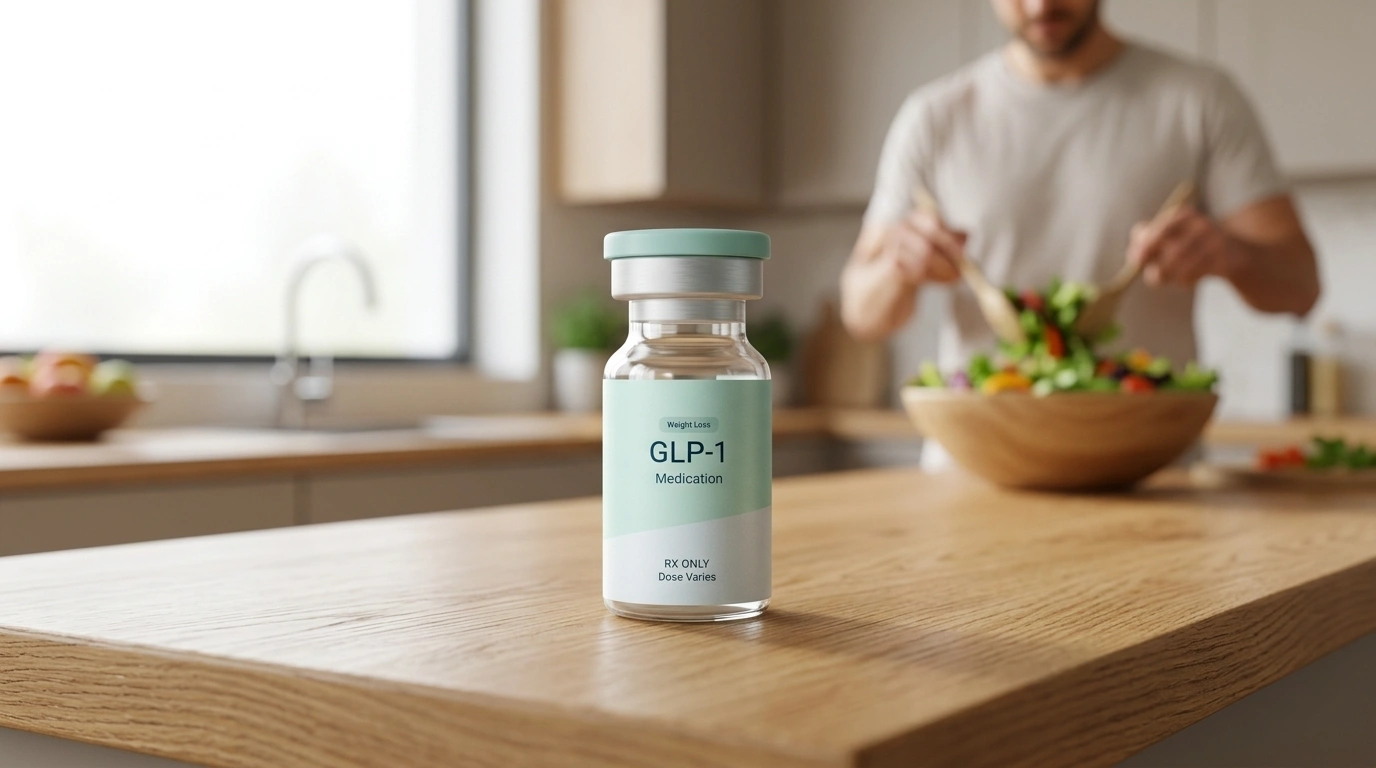
When we talk about compounded GLP-1, we are referring to medications like compounded semaglutide or compounded tirzepatide. These are prepared by specialized pharmacies rather than large-scale pharmaceutical manufacturers. These pharmacies take the active pharmaceutical ingredients and mix them into a specific formulation for a patient.
The Role of Compounding Pharmacies
Not all pharmacies can create these medications. They are typically produced in FDA-registered and inspected compounding pharmacies. These facilities must follow strict guidelines to ensure the quality and consistency of the medications they produce.
There are two main types of these pharmacies:
- 503A Pharmacies: These focus on individual, patient-specific prescriptions. They are regulated primarily by state boards of pharmacy.
- 503B Pharmacies: These are outsourcing facilities that can produce larger batches. They are subject to more direct oversight by the FDA and must follow Current Good Manufacturing Practice (CGMP) requirements.
If you are trying to understand whether you are a candidate for prescription treatment, the next step is to complete the free assessment quiz.
At TrimRx, we connect you with licensed healthcare providers who work with high-quality, inspected pharmacies to ensure you receive reliable care.
Why Do People Choose Compounded Medications?
There are several reasons why a healthcare provider might prescribe a compounded version of a GLP-1 medication instead of a branded one like Ozempic®, Wegovy®, Mounjaro®, or Zepbound®.
Addressing Medication Shortages
The most common reason currently is availability. Many branded GLP-1 medications have been on the FDA’s drug shortage list for a significant amount of time. When a drug is in shortage, compounding pharmacies are permitted under federal law to prepare a version of that medication to ensure patients do not have to skip doses or stop their treatment entirely.
Dosage Customization
Branded medications often come in fixed-dose pens. For some individuals, these standard doses may be too high or may not allow for a slow enough “titration” (the process of gradually increasing a dose). Compounding allows a provider to prescribe a specific, precise amount of medication that fits the patient’s unique sensitivity and health needs.
Ingredient Sensitivities
Some patients are sensitive to the inactive ingredients, such as preservatives or binders, used in mass-produced pens. A compounding pharmacist can often leave these specific ingredients out, making the medication accessible to someone who otherwise could not tolerate it.
Note: While the active ingredients in compounded medications may be similar to those in branded drugs, the compounded final product itself is not FDA-approved. The FDA approves the manufactured brand-name drugs, while the pharmacies that make compounded versions are the ones subject to registration and inspection.
Comparing Compounded and Branded GLP-1
It is important to understand the distinctions between the products you see in the news and the versions available through a telehealth platform.
| Feature | Branded GLP-1 (e.g., Ozempic®, Wegovy®) | Compounded GLP-1 |
|---|---|---|
| Manufacturer | Large pharmaceutical companies | FDA-registered compounding pharmacies |
| FDA Status | The specific drug product is FDA-approved | The pharmacy is FDA-registered; the product is not FDA-approved |
| Availability | Often subject to national shortages | Generally more available during shortages |
| Packaging | Standardized auto-injector pens | Usually vials with separate syringes or oral formats |
| Customization | Fixed dosage steps | Highly flexible dosage strengths |
Is Compounded GLP-1 Safe?
Safety is the top priority for anyone starting a weight loss journey. Because compounded medications are not FDA-approved, it is essential to work with a reputable platform that prioritizes clinical oversight.
State-licensed providers are responsible for evaluating your medical history to ensure you are a candidate for GLP-1 therapy. They look for contraindications, such as a personal or family history of medullary thyroid carcinoma or Multiple Endocrine Neoplasia syndrome type 2.
The safety of the medication also depends on the quality of the pharmacy. Reputable pharmacies use high-grade ingredients and perform testing for potency and sterility. This is why we focus on transparency and professional supervision throughout our program.
If you are still deciding whether prescription care is right for you, the free assessment quiz is the easiest way to begin.
Common Compounded GLP-1 Medications
There are two primary active ingredients currently used in the world of GLP-1 weight loss.
Compounded Semaglutide
Semaglutide is the active ingredient found in Ozempic® and Wegovy®. It is a pure GLP-1 receptor agonist. It has been studied extensively for its ability to help the body regulate blood sugar and reduce total body weight when combined with diet and exercise. Many patients report significant progress over six to twelve months of consistent use.
If you want a more focused breakdown of this ingredient, our article on compounded semaglutide is a helpful next read.
Compounded Tirzepatide
Tirzepatide is the active ingredient found in Mounjaro® and Zepbound®. This is a “dual agonist,” meaning it targets both GLP-1 and GIP (glucose-dependent insulinotropic polypeptide) receptors. Some clinical studies suggest that targeting both pathways may lead to even greater weight loss results for some individuals compared to semaglutide alone.
For readers comparing treatment options, our post on how to get semaglutide for weight loss online also helps explain how the broader process works.
Bottom line: Whether your provider recommends semaglutide or tirzepatide, both medications function by improving your body’s natural metabolic signals to help you manage hunger and weight.
What to Expect on a Compounded GLP-1 Program
Starting a new medication can feel like a big step. Understanding the process can help reduce anxiety.
Step 1: Clinical Assessment The journey begins with a thorough health review. You will share your medical history, current weight, and weight loss goals. A licensed provider reviews this information to determine if a GLP-1 medication is safe and appropriate for you.
Step 2: Personalized Prescription If approved, the provider writes a prescription for a specific dose tailored to your needs. This prescription is sent to a partner compounding pharmacy.
Step 3: Receiving Your Medication The pharmacy prepares your medication and ships it directly to your home. Because there are no in-person visits or waiting rooms, this process is designed to be as stress-free as possible.
Step 4: Ongoing Support and Titration You don’t just receive a vial and a “good luck.” Most programs involve starting at a very low dose to let your body adjust. Over several weeks, your provider may gradually increase your dose. You will have access to professional guidance to manage any side effects and track your progress.
To learn more about the full prescription process, you can also read how to get GLP-1 prescribed.
Managing Potential Side Effects
Like any medication, compounded GLP-1s can cause side effects. Most of these are gastrointestinal and occur as the body adapts to the slower digestion.
Common side effects include:
- Nausea
- Occasional vomiting
- Diarrhea or constipation
- Abdominal discomfort
- Fatigue
How to Minimize Discomfort Most side effects are mild to moderate and often fade after the first few weeks. To help, we recommend eating smaller meals, staying hydrated, and avoiding greasy or highly processed foods. If side effects become bothersome, your provider can adjust your dosage or offer strategies to manage them.
Note: Always consult your healthcare provider if you experience severe abdominal pain, as this could indicate a more serious condition that requires immediate attention.
If you are already using a prescription program and want nutritional help while eating less, GLP-1 Daily Support is designed to complement that stage of your journey.
Maximizing Your Results
While GLP-1 medications are powerful tools, they work best as part of a lifestyle change. These medications are designed to support you, not replace healthy habits.
Nutritional Support
Since you will likely be eating less, the quality of what you eat becomes more important. Focus on high-protein foods to help maintain muscle mass while losing fat. Fiber is also essential for digestive health. For those who need extra help meeting their nutritional goals, we offer targeted supplements like GLP-1 Daily Support to help bridge the gap.
Physical Activity
Incorporate movement that you enjoy. This doesn’t mean you have to run a marathon. Walking, swimming, or light resistance training can help boost your metabolism and improve your overall well-being.
For added support with energy and overall momentum, Weight Loss Boost is another option to consider alongside your routine.
Metabolic Health Tracking
Weight loss is more than just a number on the scale. Many patients see improvements in their energy levels, sleep quality, and blood pressure. Keeping a journal of how you feel can be very motivating during weeks when the scale doesn’t move as much as you’d like.
Who Is a Candidate for Compounded GLP-1?
These medications are typically intended for adults who have struggled to lose weight through lifestyle changes alone. Clinical guidelines often suggest GLP-1 therapy for individuals who meet specific criteria:
- A Body Mass Index (BMI) of 30 or greater.
- A BMI of 27 or greater with at least one weight-related health condition, such as high blood pressure or high cholesterol.
- A commitment to long-term lifestyle changes.
A licensed provider will make the final determination based on your specific health profile. They will ensure that the benefits of the medication outweigh any potential risks for your specific situation.
If you want to see whether you meet the basics before moving forward, take the free assessment quiz.
The Role of Telehealth in Modern Weight Loss
The rise of telehealth has changed how people access weight loss care. In the past, getting a prescription for a GLP-1 medication required multiple in-office visits, often with long wait times and high costs.
Our platform removes those barriers. By using a telehealth-first model, we provide:
- Access to Specialists: You can consult with providers who understand metabolic health without leaving your home.
- Convenience: Lab work and consultations are handled digitally, saving you time.
- Consistent Supply: By working with compounding pharmacies, we help you avoid the frustration of local pharmacy shortages.
- Privacy: Many people prefer to keep their weight loss journey private. Our process is discreet and respectful.
For readers interested in the broader treatment landscape, this guide on compounded GLP-1 effectiveness explains how personalized care fits into the bigger picture.
Understanding the “Compounded” Label
It is common for people to feel cautious when they hear a medication isn’t a “brand name.” However, compounding is a standard part of American medicine. If you have ever had a liquid version of an antibiotic made for a child or a customized skin cream from a dermatologist, you have used a compounded medication.
The key is the professional oversight. When you use a platform like ours, you aren’t just buying a product; you are joining a supervised program. The medications are prepared according to a doctor’s specific instructions, using ingredients from reputable suppliers.
Bottom line: Compounded GLP-1 provides a pathway to treatment when branded options are unavailable, unaffordable, or not customizable enough for a patient’s needs.
Your Path Forward
Weight loss is a deeply personal journey, and there is no one-size-fits-all solution. Compounded GLP-1 medications offer a flexible, accessible option for those who are ready to take control of their metabolic health. By combining the science of GLP-1 with the personalized nature of compounding, we can help you find a plan that fits your body and your life.
If you are ready to see whether prescription treatment is a fit, complete the free assessment quiz and take the next step.
At TrimRx, our mission is to simplify the complex world of weight loss. We believe that everyone deserves access to science-backed treatments, empathetic support, and a transparent process. Whether you are just starting to research or are ready to begin, we are here to guide you toward a healthier, more vibrant version of yourself.
FAQ
Is compounded semaglutide the same as Ozempic?
Compounded semaglutide contains the same active ingredient as Ozempic®, but it is not the branded product itself. It is prepared in a compounding pharmacy rather than by a large-scale manufacturer and is typically used when the branded version is in short supply. Because it is compounded, it may also be customized in different strengths or formats, such as oral drops or specific injectable doses.
Are compounded GLP-1 medications safe to use?
Compounded GLP-1 medications can be safe when they are prescribed by a licensed provider and prepared by an FDA-registered, inspected compounding pharmacy. These pharmacies must follow strict quality standards for sterility and potency. However, because the final compounded mixture is not FDA-approved, it is vital to obtain these medications through a reputable platform that provides clinical oversight.
Why would someone choose compounded over branded GLP-1?
The most common reasons are national shortages of branded medications, the need for a customized dosage, or the desire for a more personalized treatment path. Compounding allows providers to prescribe a version of the medication when the commercial pens are unavailable at local pharmacies. Additionally, some patients prefer the flexibility of compounding for a slower, more personalized increase in their dosage.
How do I know if I am eligible for the program?
Eligibility is determined by a licensed healthcare provider through a comprehensive health assessment. Generally, candidates have a BMI of 30 or higher, or a BMI of 27 or higher with a weight-related health condition. Your provider will review your medical history, current medications, and health goals to ensure that a GLP-1 program is a safe and appropriate choice for you. If you want to begin that process, you can take the free assessment quiz.
Disclaimer: This content is for informational purposes only and does not constitute medical advice. It is not intended to diagnose, treat, cure, or prevent any disease or condition. Individual results may vary. Always consult a qualified healthcare professional before starting any weight loss program or medication.

Transforming Lives, One Step at a Time
Keep reading

GLP-1 Medications and Mental Health: What to Expect and When to Get Support
Most of what gets written about GLP-1 medications covers the body. Dosing, appetite, nausea, what to eat, what to expect on the scale. Less…

Mons Pubis Fat Loss on GLP-1s: The “Pubic Area” Change Nobody Mentions
One change that surprises people on GLP-1 medications rarely comes up in conversation: the mons pubis, the soft fat pad over the pubic bone,…

How to Adjust Weight Loss Goals on GLP-1 Medications
Adjust weight goals on GLP-1 meds by tracking body composition and labs, optimizing protein, activity, sleep, and working with your provider on dosing.


