Optimizing Your Zepbound® Journey: Timing Your Dose and Crafting Your Diet
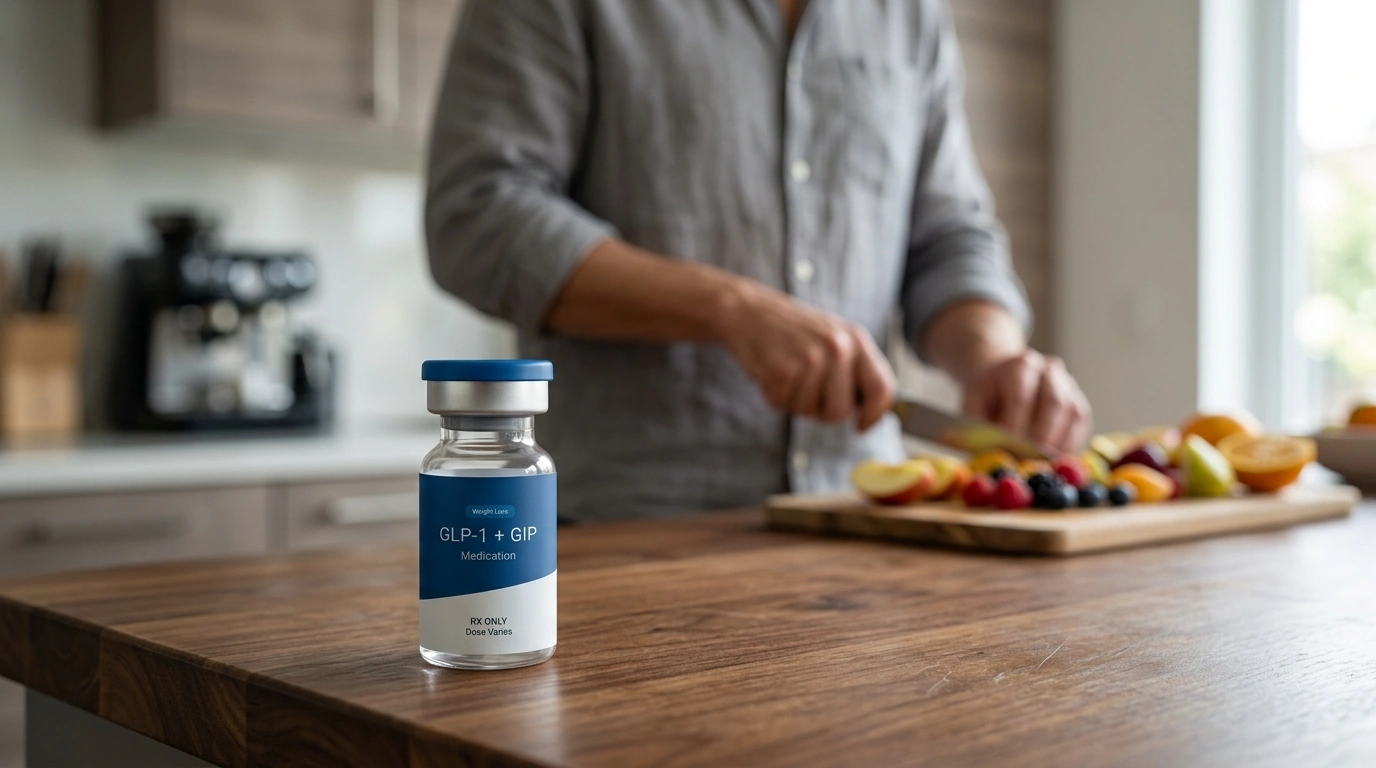
The journey toward sustainable weight loss is often marked by significant questions, particularly when integrating innovative medical solutions. For many individuals, navigating the nuances of a new medication, understanding its optimal usage, and aligning it with daily habits can feel like a complex puzzle. We hear this often: “How can I best support my body while on this treatment?” and specifically, “should I take Zepbound® before or after eating?” These are valid and important considerations that speak to the heart of successful weight management.
At TrimRx, we understand that weight loss is not merely about a number on a scale; it’s about embracing a healthier lifestyle, fostering long-term well-being, and achieving a profound sense of empowerment. Our journey began with a shared vision to help individuals embrace these healthier lifestyles by merging cutting-edge telehealth innovations with effective weight loss solutions. We believe that sustainable weight loss should be achieved through science, empathy, and a transparent approach. This commitment drives us to provide comprehensive, medically supervised care that is tailored to each individual’s unique needs, offering a user-friendly and supportive space to make these goals attainable.
This post aims to demystify one of the most common questions surrounding Zepbound® administration and its relationship with diet. We’ll delve into the science behind Zepbound®, clarify when and how to take your dose, and, critically, explore the dietary strategies that can significantly enhance your treatment’s effectiveness and help manage potential side effects. By the end, you will have a clearer understanding of how to optimize your Zepbound® regimen, integrate it seamlessly into your life, and move closer to your weight loss goals with confidence and informed choices. Together, we’ll explore the critical aspects of timing, nutrition, and lifestyle, building a foundation for lasting success.
Zepbound®: Understanding Its Mechanism and Role in Weight Management
The landscape of weight management has been significantly advanced by medications that work in concert with the body’s natural systems. Zepbound®, containing the active ingredient tirzepatide, represents a remarkable stride in this area. To truly optimize its use, it’s essential to grasp how it functions within your body.
How Zepbound® Works
Zepbound® operates as a dual agonist, mimicking the effects of two key naturally occurring gut hormones: glucagon-like peptide-1 (GLP-1) and glucose-dependent insulinotropic polypeptide (GIP). These hormones play crucial roles in regulating appetite, food intake, and blood sugar levels. By activating the receptors for both GLP-1 and GIP, Zepbound® contributes to weight loss through several mechanisms:
- Slowing Gastric Emptying: It reduces the rate at which food leaves the stomach, leading to a prolonged feeling of fullness. This extended satiety helps reduce overall food intake.
- Curbing Appetite: It acts on specific areas of the brain that control hunger and satiety, diminishing cravings and reducing the desire to eat.
- Regulating Blood Glucose: While Zepbound® is approved for chronic weight management, its active ingredient, tirzepatide, also has a profound impact on glucose metabolism. It stimulates insulin release in a glucose-dependent manner and reduces glucagon secretion, both of which help in maintaining more stable blood sugar levels.
This multi-pronged approach makes Zepbound® a highly effective tool for individuals struggling with excess weight. It is FDA-approved for chronic weight management in adults with obesity (defined as a Body Mass Index, or BMI, of 30 or greater) or those with overweight (a BMI of 27 or greater) who also have at least one weight-related complication, such as high blood pressure, type 2 diabetes, or high cholesterol. For those who meet these criteria, Zepbound® offers a clinically proven pathway to significant and sustained weight reduction.
The Broader Picture: Zepbound® as Part of a Comprehensive Plan
While Zepbound® is a powerful medication, it’s crucial to understand that it is designed to be a component of a broader, holistic weight management strategy, not a standalone solution. Its effectiveness is significantly amplified when combined with fundamental lifestyle changes. The FDA approval explicitly states that Zepbound® should be used along with a reduced-calorie diet and increased physical activity.
At TrimRx, this comprehensive perspective is central to our philosophy. We recognize that sustainable weight loss is a multifaceted journey influenced by genetics, hormones, metabolism, and lifestyle. Merely taking medication without addressing diet and activity misses a significant opportunity for long-term success. Our programs are built on the understanding that true transformation requires a personalized approach that integrates medical science with practical, supportive guidance for daily living. We see Zepbound® and similar medications as valuable tools that empower individuals to make healthier choices by modulating their body’s hunger signals, thereby creating a more favorable environment for dietary and activity improvements to take root and flourish. This integrated approach ensures that you’re not just losing weight, but also building the habits and understanding necessary for maintaining that weight loss and embracing an overall healthier life.
The Crucial Question: Should You Take Zepbound® Before or After Eating?
One of the most common and practical questions that arise when starting Zepbound® is regarding its administration in relation to meals. Understanding the correct timing and routine can help reduce anxiety and ensure you’re getting the most out of your treatment.
Direct Answer: Flexibility in Dosing
Let’s address the primary question directly: Zepbound® can be injected with or without regard to meals. This means you do not need to time your injection around breakfast, lunch, or dinner. Eating does not influence the effectiveness of your Zepbound® injection.
The reason for this flexibility lies in how Zepbound® works. Its primary actions—decreasing appetite, slowing gastric emptying, and regulating blood sugar—are systemic and not dependent on the immediate presence of food in your stomach at the time of injection. Once injected, the medication begins to exert its effects over the course of the week, steadily working to reduce your food intake and manage hunger signals. This allows for considerable freedom in choosing your injection day and time, fitting seamlessly into your personal schedule without adding unnecessary complexity to your daily routine.
Optimizing Your Weekly Injection Routine
While the timing relative to meals is flexible, consistency in your injection schedule is beneficial for maintaining steady medication levels and optimal effects. Zepbound® is administered once weekly via a subcutaneous (under the skin) injection.
Practical Dosing Guidelines:
- Injection Site Selection: You or another person can administer the injection in your stomach or thigh. If another person is giving the injection, the back of the upper arm is also an option. Your healthcare provider can guide you on the best sites for you. Zepbound® comes in user-friendly single-dose pens, eliminating the need to handle needles directly.
- Consistency is Key: Aim to take your dose on the same day each week. This helps establish a routine and ensures consistent medication levels in your body.
- Adjusting Your Schedule: Life happens, and schedules change. If you need to change your injection day, ensure there are at least three days (72 hours) between doses. This spacing is important to avoid taking doses too close together.
- Managing a Missed Dose: If you miss a dose of Zepbound®, take it as soon as possible within four days (96 hours) of your regularly scheduled dosing. If more than four days have passed, it’s best to skip the missed dose and resume your next dose on your regularly scheduled day. Crucially, do not take two doses of Zepbound® within three days (72 hours) of each other. Setting a reminder on your phone can be a helpful “pro tip” to ensure you stay on track.
- Dose Titration: Zepbound® treatment typically begins with a 2.5 mg starting dose. After four weeks, your doctor will generally increase your dose to 5 mg. Doses are then gradually increased in 2.5 mg increments, after at least four weeks on the current dose, until a recommended maintenance dosage is achieved (typically 5 mg, 10 mg, or 15 mg for weight reduction and long-term maintenance). This step-by-step titration process helps your body adjust to the medication and minimizes potential side effects. The maximum dose is 15 mg once weekly.
- Medication Storage: Proper storage is vital for maintaining the medication’s efficacy. Zepbound® should be stored in the refrigerator between 36°F to 46°F (2°C to 8°C). If needed, a single-dose pen or vial can be stored at room temperature (up to 86°F/30°C) for up to 21 days. However, once stored at room temperature, it should not be returned to the refrigerator. Discard it if not used within 21 days after removal from the refrigerator. Never freeze Zepbound®, and do not use it if it has been frozen. Always store it in its original carton to protect it from light.
- Safe Disposal: After use, it’s imperative to dispose of your used Zepbound® pen or needle and syringe safely in an FDA-cleared sharps disposal container. Do not throw them in household trash. Following community guidelines for sharps disposal is essential for safety.
At TrimRx, we pride ourselves on providing comprehensive service that includes not just the medication, but also doctor consultations, lab work, and unlimited support to help you navigate these practical aspects of your weight loss journey. Our commitment to transparent service means our approach remains consistent, regardless of dosage changes, ensuring you have the guidance you need every step of the way. We partner exclusively with FDA-registered and inspected pharmacies for the shipping of weight loss medications, underscoring our focus on safety and quality. To see if you qualify for a personalized treatment plan that includes Zepbound® or other prescription weight loss medications, we encourage you to take our free assessment quiz.
Fueling Your Body: Dietary Considerations While On Zepbound®
While Zepbound® offers significant benefits in appetite regulation and satiety, the quality and type of food you consume play an equally critical role in maximizing your weight loss results and overall health. A thoughtful approach to diet, rather than strict prohibitions, is key to success.
The Importance of a Balanced, Nutrient-Dense Diet
You don’t need to adhere to a specific, highly restrictive diet while taking Zepbound®. However, for the best results, combining the medication with a reduced-calorie diet and regular physical activity is strongly recommended. The focus should be on balanced nutrition and consuming fewer calories than your body needs to maintain its current weight.
A diet rich in nutrient-dense foods supports your body’s functions, provides sustained energy, and helps manage hunger effectively, complementing Zepbound®’s actions. These foods offer a high amount of vitamins, minerals, and other beneficial compounds relative to their calorie content. This strategy aligns with our core belief at TrimRx that sustainable weight loss is achieved through science and a transparent, empathetic approach to nourishing your body correctly.
Recommended Eating Patterns and Food Choices
Many dietary patterns emphasize similar principles for weight management and overall health. Two widely recognized approaches that can work well during Zepbound® treatment are the Mediterranean diet and the United States Department of Agriculture (USDA) recommendations.
Mediterranean Diet Principles
The Mediterranean diet is renowned for its health benefits, including weight management. It emphasizes:
- Emphasize: Vegetables, fruits, whole grains, beans and legumes, low-fat or fat-free dairy, fish, poultry, non-tropical vegetable oils (like olive oil), and nuts.
- Limit: Added sugars, sugary beverages, sodium, highly processed foods, refined carbohydrates, saturated fats, and fatty or processed meats.
USDA Dietary Guidelines (2020–2025)
These guidelines reinforce many of the Mediterranean diet’s tenets for optimum weight management:
- Emphasize: Fruits, vegetables, whole grains, fat-free or low-fat milk products, and a variety of protein foods such as seafood, lean meats, poultry, eggs, legumes, soy products, nuts, and seeds.
- Minimize/Avoid: Saturated fats, trans fats, cholesterol, added sugars, and salt. Specifically avoid processed foods with added sugar like sodas, candy, pastries, sweetened cereals, ice cream, flavored yogurt, fruit drinks, and sweetened coffee or tea beverages. These often lack nutritional benefit and can cause blood sugar fluctuations, promoting fat gain and sugary cravings.
The Role of Protein Intake
Protein is a powerhouse nutrient for weight loss. It helps you feel fuller for longer, supports muscle mass preservation during weight loss, and requires more energy to digest than fats or carbohydrates. While there’s no specific protein amount mandated with Zepbound®, aiming for at least 10% to 35% of your total daily calories from protein is often recommended to support overall health and satiety. For a person weighing 150 lbs (approximately 68 kg), this would be at least 54 grams of protein daily, and for a person weighing 250 lbs (approximately 113 kg), at least 90 grams daily.
Examples of lean protein sources:
- Chicken breast
- Fish (salmon, cod, tuna)
- Lean beef
- Eggs
- Legumes (beans, lentils)
- Tofu and tempeh
- Greek yogurt
- Cottage cheese
The Power of Breakfast
It might be tempting to skip breakfast to reduce calories, but eating a healthy breakfast can be a strategic move for weight loss. It helps stabilize blood sugar levels throughout the day and keeps you feeling full, potentially preventing overeating later. Research has even linked consistent breakfast consumption with greater weight loss.
Healthy breakfast ideas to support weight loss:
- Greek yogurt with berries and oats
- Avocado toast with an egg
- Sugar-free oatmeal with seeds and berries
- Vegetable omelets
- Smoothie with high-protein powder and fresh fruit
- Whole grain pancakes with an egg and fresh fruit
Nutrient-Rich Meal Ideas for Zepbound® Treatment
Integrating nutrient-rich meals, focusing on lean protein, complex carbohydrates, and healthy fats, can significantly support your weight loss journey.
- Breakfast:
- Smoothie with protein powder and fresh or frozen fruit.
- Oatmeal with Greek yogurt, seeds, and fruit.
- Avocado toast with an egg.
- Omelet with vegetables.
- Lunch:
- Salmon with brown rice and high-fiber vegetables (e.g., spinach or broccoli).
- Grilled chicken sandwich on whole grain bread.
- Quinoa bowl with beans or chickpeas and mixed vegetables.
- Lentil soup with whole grain bread.
- Salmon poke bowl.
- Dinner:
- Chicken stir-fry with mixed vegetables and a light sauce.
- Shrimp tacos with slaw (corn tortillas, lean protein).
- Lentil and vegetable curry.
- Tofu and vegetable stir-fry.
- Cauliflower fried rice with fish.
Our personalized weight loss programs at TrimRx take into account individual dietary preferences and needs. We aim to equip you with the knowledge and tools to make informed choices, fostering a sustainable relationship with food that supports your health goals. To learn more about how our personalized approach can benefit you, we invite you to take our free assessment quiz.
Navigating Potential Side Effects and Dietary Adjustments
While Zepbound® is a powerful tool for weight management, like all medications, it can come with potential side effects. Understanding these and knowing how to make dietary adjustments can significantly improve your comfort and adherence to treatment. Our brand is empathetic and supportive, and we offer compassionate care that respects every individual’s unique journey.
Common Side Effects and Their Management
The most common side effects reported by individuals taking Zepbound® are primarily gastrointestinal, including:
- Nausea
- Diarrhea
- Vomiting
- Constipation
- Stomach (abdominal) pain
- Indigestion
- Belching
- Heartburn
Other potential side effects can include injection site reactions, fatigue, and hair loss. It’s important to note that many of these gastrointestinal side effects often occur when doses are increased and generally tend to decrease over time as your body adjusts to the medication. However, if you experience side effects that are severe, persistent, or cause significant distress, it is crucial to communicate with your healthcare provider. They may recommend strategies to alleviate symptoms, adjust your dosage, or, in some cases, consider stopping the medication.
It’s also important to be aware of potentially serious side effects, such as severe stomach problems or kidney problems. Diarrhea, nausea, and vomiting can lead to fluid loss (dehydration), which may contribute to kidney issues. Staying well-hydrated is critical to help reduce the risk of dehydration. Zepbound® also carries a Boxed Warning regarding the risk of thyroid C-cell tumors, including medullary thyroid carcinoma (MTC). You should not use Zepbound® if you or your family have a history of MTC or Multiple Endocrine Neoplasia syndrome type 2 (MEN 2).
Dietary Strategies to Alleviate Side Effects
Adjusting your eating habits can be an effective way to manage common Zepbound® side effects.
Managing Nausea
Nausea is one of the most frequently reported side effects, especially during dose escalation. If you experience nausea, consider these strategies:
- Eat Smaller, More Frequent Meals: Instead of three large meals, try splitting your daily food intake into four or more smaller meals. This reduces the load on your digestive system.
- Stop Eating When Full: Zepbound® increases satiety. Listen to your body’s signals and stop eating as soon as you feel satisfied, even if there’s food left. Overeating can worsen nausea.
- Avoid Fatty Foods: High-fat foods are often harder to digest and can exacerbate nausea. Limit or avoid fried foods (like french fries, onion rings), butter, lard, marbled red meats, many types of sausages, bacon, and whole-milk dairy products (e.g., cheddar, brie, heavy cream, ice cream).
- Choose Bland Foods: Opt for bland, easy-to-digest foods like toast, crackers, rice, plain pasta, or boiled potatoes.
- Focus on Protein: While avoiding high-fat foods, prioritize lean protein sources, as protein can help settle the stomach for some individuals.
- Avoid Lying Down Immediately After Meals: Give your digestive system time to process food upright.
- Hydrate Strategically: Sip on clear, cold beverages, but avoid drinking large amounts with meals, which can contribute to a feeling of fullness and bloating.
Addressing Diarrhea and Constipation
These are two common, yet opposing, gastrointestinal side effects.
- For Diarrhea:
- Prioritize Hydration: Drink plenty of water and clear fluids throughout the day to prevent dehydration. Electrolyte solutions can also be helpful.
- Temporarily Limit High-Fiber Foods: While fiber is generally good, too much fiber, especially insoluble fiber, can worsen diarrhea when your body is adjusting to Zepbound®. Foods like bananas, raspberries, apples, pears, avocados, artichokes, beans, Brussels sprouts, carrots, lentils, sweet potatoes, green peas, whole grains, nuts, and seeds are high in fiber. You might need to temporarily reduce your intake of these until your body adjusts.
- Avoid Trigger Beverages: Some people find that sports drinks and coffee can increase the risk of diarrhea. It may be beneficial to avoid or limit these.
- For Constipation:
- Increase Fiber Gradually: If constipation is an issue, slowly increase your intake of fiber-rich foods like fruits, vegetables, and whole grains.
- Ensure Adequate Hydration: Drinking enough water is crucial for bowel regularity.
- Consider Gentle Activity: Regular, light physical activity can also help promote bowel movements.
Blood Sugar Management and Alcohol
Zepbound® impacts blood sugar regulation. Therefore, it’s wise to be mindful of foods that can cause rapid fluctuations:
- Minimize Added Sugars and Refined Carbohydrates: Foods like soda, candy, pastries, sweetened cereals, white bread, and sugary drinks offer little nutritional value and can lead to rapid blood sugar spikes, followed by crashes. These fluctuations can promote fat gain and intensify cravings for more sugary snacks, counteracting Zepbound®’s benefits.
- Limit or Avoid Alcohol: Alcohol consumption can lower blood sugar, and when combined with Zepbound®’s effects, it can lead to severely low blood sugar (hypoglycemia). Symptoms can include a fast heartbeat, shaking, sweating, nervousness, confusion, dizziness, and feeling weak. Alcohol can also worsen some of Zepbound®’s digestive side effects. It’s important to limit or avoid alcohol entirely during treatment.
Importance of Hydration
Regardless of the side effects you might experience, staying well-hydrated is paramount. Drink plenty of water and other sugar-free beverages throughout the day. This helps prevent dehydration, especially if you experience nausea, vomiting, or diarrhea, and supports overall bodily functions essential for a successful weight loss journey.
Managing potential side effects is a normal part of integrating new medication, and with personalized guidance and dietary adjustments, most individuals find their comfort improves over time. Our team at TrimRx provides unlimited support to help you navigate these challenges effectively, ensuring your journey is as smooth and comfortable as possible. We encourage you to reach out to your healthcare provider or our support team if you have any concerns.
TrimRx: Your Partner in Personalized Weight Loss
Embarking on a weight loss journey is a deeply personal experience, and at TrimRx, we believe it deserves a personalized, compassionate, and scientifically-backed approach. We understand the complexities of sustainable weight loss, which is why our platform is designed to be a user-friendly and supportive space where individuals receive personalized, medically supervised care.
Our Vision and Approach
Our journey began with a shared vision: to help individuals embrace healthier lifestyles by merging cutting-edge telehealth innovations with effective weight loss solutions. We stand firm in our belief that sustainable weight loss should be achieved through science, empathy, and a transparent approach. This commitment is evident in every aspect of our service, from your initial consultation to ongoing support.
Our brand personality is built on being empathetic, innovative, trustworthy, supportive, results-oriented, and personalized. We combine advanced medical science with modern technology to deliver compassionate care that respects every individual’s unique journey. We are dedicated to transparent service, meaning our approach remains consistent regardless of dosage changes. Furthermore, our unwavering focus on safety means we work exclusively with FDA-registered and inspected pharmacies for the shipping of weight loss medications. We partner with these pharmacies to ensure you receive quality products, though it’s important to clarify that TrimRx partners with these pharmacies for the shipping of weight loss medications and does not provide actual medical supervision.
Our Personalized Weight Loss Program (Quiz Required)
We recognize that one size does not fit all when it comes to weight loss. That’s why we offer a range of clinically proven prescription medications, including:
- Compounded Semaglutide
- Oral Semaglutide
- Ozempic® (a branded, FDA-approved Semaglutide)
- Compounded Tirzepatide
- Oral Tirzepatide
- Mounjaro® (a branded, FDA-approved Tirzepatide for type 2 diabetes, often used off-label for weight management)
- Zepbound® (a branded, FDA-approved Tirzepatide for chronic weight management)
- Wegovy® (a branded, FDA-approved Semaglutide for chronic weight management)
For these prescription medications, the first step is to complete our free assessment quiz. This quiz is a crucial tool designed to determine your eligibility and help our medical team craft a personalized treatment plan tailored specifically to your health profile and weight loss goals. Our comprehensive service includes doctor consultations, the prescribed medication, necessary lab work, unlimited support from our care team, and convenient shipping—all with no hidden fees, ensuring a seamless and worry-free experience as you focus on your health.
Quick-Access Supplements for Holistic Support (No Quiz)
Beyond prescription medications, we understand the value of supporting overall wellness throughout your weight loss journey. For those seeking immediate support or complementary solutions, we offer quick-access supplements that do not require a quiz:
- GLP-1 Daily Support: Designed to support the body’s natural GLP-1 pathways and overall metabolic health, these supplements can be a valuable addition to your routine.
- Weight Loss Boost: This supplement is formulated to provide additional support for your weight loss efforts, complementing a healthy diet and lifestyle.
These quick-access supplements are available for immediate purchase, empowering you to take proactive steps in managing your health and supporting your weight loss journey with ease.
At TrimRx, we are dedicated to being your trusted partner, combining advanced medical science with compassionate, individualized care. We invite you to explore the possibilities of a healthier, more vibrant you.
Conclusion
Navigating the path to sustainable weight loss with Zepbound® involves more than just adhering to a weekly injection schedule; it demands a holistic understanding of how this powerful medication interacts with your body and lifestyle. We’ve explored the crucial question of “should I take Zepbound® before or after eating,” clarifying that its effectiveness is not tied to meal timing, offering welcome flexibility in your routine. This freedom, however, underscores the critical importance of integrating Zepbound® with a balanced, nutrient-dense diet and consistent physical activity to achieve the most profound and lasting results.
Understanding Zepbound®’s mechanism as a dual GLP-1 and GIP receptor agonist reveals its profound impact on appetite, satiety, and blood sugar regulation. By embracing dietary principles like those of the Mediterranean diet or USDA guidelines—prioritizing whole foods, lean proteins, and complex carbohydrates while limiting processed foods, added sugars, and unhealthy fats—you can significantly amplify the medication’s benefits. Furthermore, proactively addressing potential side effects like nausea, diarrhea, or constipation with strategic dietary adjustments and consistent hydration can make your journey much more comfortable and sustainable. Remember, a healthy breakfast and mindful eating habits are invaluable allies in this process.
Ultimately, Zepbound® is a powerful tool, but it is most effective when wielded within a comprehensive, personalized weight management plan. At TrimRx, we are dedicated to providing that exact framework—merging cutting-edge telehealth innovations with empathetic, medically supervised care. Our commitment extends from providing access to FDA-approved and compounded medications through FDA-registered and inspected pharmacies, to offering unlimited support and personalized guidance tailored to your unique needs. We believe in empowering you with both the solutions and the knowledge to achieve your health goals safely and effectively.
Ready to take the next step towards a healthier, more confident you? Discover if a personalized treatment plan, including options like Zepbound®, is right for you. Take our free assessment quiz today and embark on a journey supported by science, empathy, and transparent care. For immediate support and wellness enhancement, explore our GLP-1 Daily Support and Weight Loss Boost supplements. Your path to sustainable weight loss starts here, with TrimRx.
Frequently Asked Questions
Q1: Does the timing of my Zepbound® injection with meals affect its effectiveness?
No, the effectiveness of your Zepbound® injection is not influenced by whether you take it before or after eating. Zepbound® works systemically to regulate appetite and satiety over the course of the week, so its effects are not dependent on the immediate presence of food in your stomach at the time of injection. You can take your once-weekly dose with or without regard to meals, at a time that best fits your schedule.
Q2: What foods should I prioritize while taking Zepbound®?
While no specific diet is mandated, for optimal results, prioritize nutrient-dense foods that support a reduced-calorie diet. Emphasize lean proteins (fish, poultry, beans, eggs), a wide variety of fruits and vegetables, whole grains, and healthy fats. Following principles similar to the Mediterranean diet or USDA dietary guidelines can be beneficial. These foods help you feel full, provide essential nutrients, and complement Zepbound®’s appetite-reducing effects.
Q3: How can I manage nausea when starting Zepbound®?
Nausea is a common side effect, especially when starting or increasing your Zepbound® dose. To manage it, try eating smaller, more frequent meals, and stop eating as soon as you feel full. Avoid high-fat and fried foods, which can be harder to digest. Opt for bland foods like toast, crackers, or rice, and focus on lean protein sources. Staying well-hydrated by sipping clear fluids and avoiding lying down immediately after meals can also help. Always discuss persistent or severe nausea with your healthcare provider.
Q4: Can I drink alcohol while on Zepbound®?
It is generally recommended to limit or avoid alcohol while taking Zepbound®. Alcohol can lower your blood sugar, and when combined with Zepbound®’s effects, this can lead to severely low blood sugar (hypoglycemia). Additionally, alcohol can worsen some of the common gastrointestinal side effects of Zepbound®, such as nausea and diarrhea. Discuss any concerns about alcohol consumption with your healthcare provider.

Transforming Lives, One Step at a Time
Keep reading

Why Is There a Bruise Where I Injected My Zepbound?
A bruise means a small blood vessel was disturbed under the skin and blood spread into the surrounding tissue. It is one of the…

My Zepbound Pen Won’t Click Past a Certain Dose
Start by checking which device you are holding, because the answer depends entirely on that. Zepbound has commonly been supplied in the United States…
Zepbound Alternatives: Your Options Compared
If Zepbound isn’t the right fit, the main alternative is semaglutide (sold as Wegovy), which produces slightly less weight loss but works similarly, along…


