Navigating Zepbound Nausea: Practical Strategies for a Smoother Journey
Introduction
Embarking on a weight loss journey can be a transformative experience, opening doors to improved health and vitality. For many, this path now includes advanced medications like Zepbound, offering a powerful tool to achieve significant, sustainable results. However, as with any effective medical intervention, there can be temporary adjustments as your body adapts. Among these, nausea is a frequently discussed side effect, and understanding how to effectively manage it is key to a comfortable and successful experience. It’s a common concern, but one that, with the right knowledge and support, doesn’t have to overshadow your progress.
At TrimRx, our journey began with a shared vision: to help individuals embrace healthier lifestyles by merging cutting-edge telehealth innovations with effective weight loss solutions. We understand that sustainable weight loss should be achieved through science, empathy, and a transparent approach. Our platform is designed as a user-friendly and supportive space where individuals receive personalized, medically supervised care, all crafted to make sustainable weight loss attainable and tailored to you. We believe in compassionate care that respects every individual’s unique journey, combining advanced medical science with modern technology. This post reflects our commitment to empowering you with the insights and tools needed to navigate the nuances of your treatment, ensuring clarity and confidence every step of the way.
The purpose of this blog post is to provide comprehensive, actionable strategies for what to take for Zepbound nausea, transforming it from a potential hurdle into a manageable aspect of your journey. We will delve into why nausea occurs, how long it typically lasts, and a wide array of practical approaches, from dietary adjustments and hydration tips to lifestyle modifications and even medication options. By the end, you will have a clear understanding of how to mitigate discomfort, enabling you to focus on the positive changes Zepbound can bring to your health. We’ll also highlight when it’s appropriate to reach out for further medical guidance, ensuring you feel supported throughout your personalized weight loss program.
The Rise of Zepbound for Weight Management
Zepbound, with its active ingredient tirzepatide, represents a significant advancement in the medical management of obesity and overweight conditions. Approved by the FDA in November 2023 specifically for weight loss, it has quickly become a pivotal option for adults with a BMI of 30 or greater, or those with a BMI of 27 or greater alongside at least one weight-related condition. This approval marked a new era in offering effective, clinically proven solutions to a widespread health challenge.
Before Zepbound’s weight loss indication, tirzepatide was known under the brand name Mounjaro, primarily prescribed for the treatment of type 2 diabetes. While both medications contain the same active ingredient, their prescribed use differs, making Zepbound the dedicated option for individuals focusing on weight management. This distinction underscores the precision with which modern medicine is addressing the complexities of metabolic health.
Understanding Tirzepatide’s Dual Action
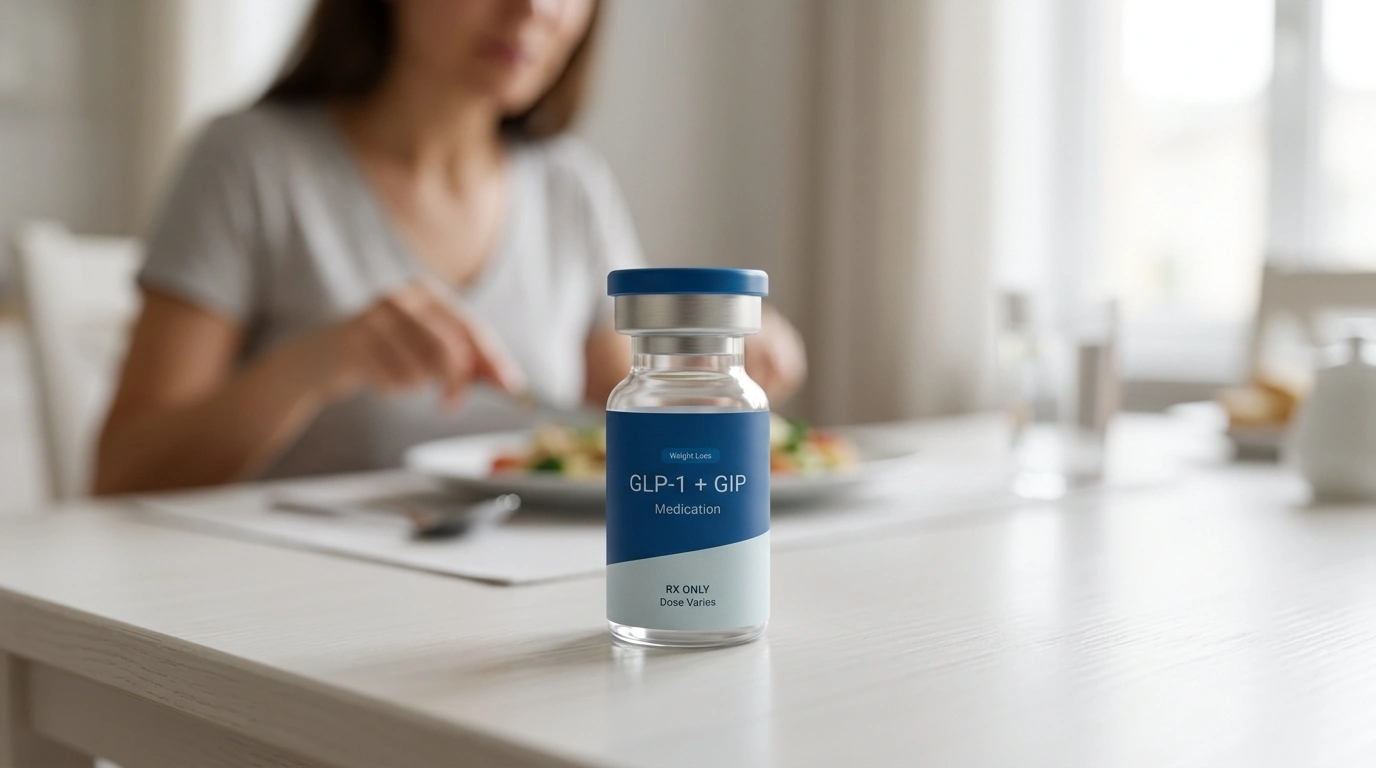
The effectiveness of tirzepatide, the active compound in Zepbound, stems from its unique dual action. It functions as a glucose-dependent insulinotropic polypeptide (GIP) receptor agonist and a glucagon-like peptide-1 (GLP-1) receptor agonist. This means it mimics two naturally occurring hormones in your body that play crucial roles in regulating blood sugar levels, appetite, and satiety.
- GLP-1 Receptor Agonism: This action is similar to other well-known weight loss medications. It slows gastric emptying, meaning food stays in your stomach longer, promoting a feeling of fullness. It also increases insulin release in response to high blood sugar and decreases glucagon secretion, which helps lower blood glucose. By acting on the brain, it can also reduce appetite and cravings.
- GIP Receptor Agonism: This is where tirzepatide offers an additional dimension. GIP is another incretin hormone that helps regulate blood sugar and energy balance. Activating GIP receptors further enhances the effects on insulin secretion, glucose metabolism, and appetite suppression. The synergy between GLP-1 and GIP agonism is believed to contribute to Zepbound’s pronounced efficacy in weight reduction.
The combined effect of these mechanisms leads to reduced food intake, increased satiety, and improved metabolic control, all contributing to significant and sustained weight loss. It’s this innovative, science-backed approach that we champion at TrimRx, offering solutions grounded in advanced medical understanding.
Zepbound’s Role in a Healthier Lifestyle
While Zepbound offers a powerful pharmacological tool, it is most effective when integrated into a holistic approach to health. It’s not a standalone miracle but a catalyst, designed to be used in conjunction with healthy lifestyle changes, including increased physical activity and mindful eating. Our personalized programs at TrimRx are built on this very principle: combining medically supervised care with comprehensive support to foster sustainable habits. We empower individuals to make informed choices, ensuring that medication is part of a broader strategy for long-term well-being. This integrated approach is at the core of our commitment to helping you achieve and maintain your health goals. To explore how Zepbound or other prescription weight loss medications could fit into your personalized plan, we encourage you to take our free assessment quiz.
Navigating Common Side Effects: Focusing on What to Take for Zepbound Nausea
As with any medication, Zepbound can come with a range of potential side effects, with gastrointestinal issues being among the most frequently reported. While these are usually mild to moderate and tend to diminish over time, understanding them and having effective management strategies is crucial for a positive experience. Among these, nausea stands out as a common concern for many individuals starting treatment or undergoing dose increases. Let’s delve into why nausea occurs and how long it might last.
Why Nausea Occurs with Zepbound
The primary mechanism behind Zepbound-induced nausea relates directly to how the medication works. As a dual GIP and GLP-1 receptor agonist, tirzepatide significantly slows gastric emptying. This means that food remains in your stomach for a longer period than usual. While this effect is beneficial for promoting satiety and reducing overall food intake, it can also lead to feelings of fullness, discomfort, and, consequently, nausea.
Your body is highly adaptive, but it needs time to adjust to these changes in digestive processes. When you first start Zepbound or when your dosage is increased, your system is encountering a more pronounced slowing of gastric emptying. This adjustment period is typically when nausea is most noticeable. The brain’s signaling pathways, which sense digestive fullness and discomfort, also play a role, contributing to the sensation of nausea. Furthermore, certain foods, especially those high in fat, can exacerbate this effect because fat takes longer to digest, intensifying the feeling of a full, slow-moving stomach.
The Temporary Nature of Zepbound Nausea
It’s important to remember that for the majority of individuals, nausea caused by Zepbound is a temporary phenomenon. It tends to be most pronounced during the initial weeks of treatment or shortly after a dose escalation, as your body is still adjusting to the medication’s effects. Many people find that their nausea gradually subsides as their system adapts, often becoming less frequent and severe after the first few weeks of use.
The duration of side effects can vary widely from person to person. Some may experience nausea for only a few days after their first dose or with the first several doses, while others might contend with symptoms for a slightly longer period. Open communication with your healthcare provider is paramount if you experience persistent or bothersome side effects. They can help assess your situation, offer tailored advice, and potentially recommend adjustments to your treatment plan, ensuring your comfort and progress remain a priority. At TrimRx, our comprehensive service includes unlimited support, meaning we’re always here to help you navigate these experiences.
Practical Strategies to Alleviate Zepbound Nausea
Successfully managing Zepbound nausea often involves a multi-faceted approach, combining dietary adjustments, lifestyle modifications, and, when necessary, targeted medications. The goal is to minimize discomfort while allowing your body to adapt to the beneficial effects of the treatment.
Dietary Adjustments for a Happier Stomach
What you eat, when you eat, and how you eat can significantly influence your experience with nausea while on Zepbound. Thoughtful dietary choices are often the first and most effective line of defense.
The Power of Small, Frequent Meals
Instead of consuming three large meals a day, consider transitioning to five or six smaller, more frequent meals. This approach prevents your stomach from becoming overly full, which can intensify nausea due to the slowed gastric emptying effect of Zepbound. Smaller portions are easier to digest and less likely to trigger discomfort. For instance, instead of a large lunch, break it into a mid-morning snack and a lighter lunch, followed by an afternoon snack.
Mindful Food Choices: Avoiding Triggers
Certain foods are notorious for exacerbating nausea. It’s crucial to be mindful of your food choices, particularly avoiding high-fat, spicy, greasy, or excessively sugary foods. High-fat items, like fried foods or rich desserts, take longer to digest, further prolonging the sensation of fullness and increasing nausea. Spicy foods can irritate the digestive tract, while sugary foods can cause rapid blood sugar fluctuations that may worsen symptoms.
Consider maintaining a nutrition log to track what you’re eating and how you feel afterward. This can help you identify personal triggers. For example, some individuals find that a seemingly innocent restaurant meal, high in hidden fats or oils, can lead to severe nausea. Opt for simpler preparation methods like steaming, baking, or grilling.
Harnessing Natural Nausea Fighters: Ginger and Bland Foods
Nature offers powerful allies in the fight against nausea. Ginger, in particular, is a well-researched natural remedy. Its active compounds, gingerols and shogaols, are known for their anti-inflammatory and anti-emetic properties, helping to soothe digestive discomfort. You can incorporate ginger in various forms: ginger tea, ginger ale made with real ginger, or even chewing on a small slice of raw ginger.
For periods of heightened nausea, embracing a bland diet can be incredibly beneficial. The BRAT diet (bananas, rice, applesauce, toast) is a classic example of easily digestible foods that are less likely to upset your stomach. Other bland options include plain crackers, clear broths, and boiled potatoes. These foods provide essential nutrients without overwhelming your digestive system.
Prioritizing Protein and Complex Carbohydrates
Even when nausea makes food unappealing, it’s vital to consume enough nutrients, especially protein, to maintain muscle mass during weight loss, and carbohydrates to stabilize blood sugar.
- Protein-rich snacks: Incorporating protein helps stabilize blood sugar levels, which can reduce the likelihood of nausea. Good options that are often more palatable on a low-hunger day include Greek yogurt, cottage cheese, hard-boiled eggs, small portions of cooked boneless, skinless chicken breast, and protein shakes. Our GLP-1 Daily Support supplement is also designed to complement your protein intake and overall wellness during this journey.
- Complex carbohydrates: Low blood sugar can worsen nausea. Reach for easily digestible carbohydrates like bread, crackers, plain noodles, and rice. Initially, it’s fine to opt for low-fiber versions, as they are gentler on the stomach. Once you feel better, gradually reintroduce higher-fiber options to meet recommended daily intake.
The Critical Role of Hydration and Electrolytes
Dehydration can significantly worsen nausea and other gastrointestinal side effects. Maintaining adequate fluid intake is non-negotiable, even when drinking feels challenging.
Beyond Water: Rehydration Solutions
While water is essential, when you’re experiencing nausea, especially if accompanied by vomiting or diarrhea, your body can lose vital electrolytes. This is where electrolyte-infused fluids become crucial. Options include sports drinks, oral rehydration solutions, coconut water, or water with added electrolyte powders or tablets. These help replenish lost salts and minerals, preventing dehydration and its associated symptoms like headaches and fatigue. Bone broth and nutrient-rich soups are also excellent choices, providing both hydration and some sustenance, and are often easier to tolerate than solid foods.
Sustaining Hydration Throughout Your Day
Instead of trying to drink large amounts of fluid at once, which can sometimes trigger nausea, sip small amounts regularly throughout the day. Keep a water bottle handy and take frequent, small sips. Herbal teas, such as peppermint or chamomile, can also be soothing for an upset stomach and contribute to your overall fluid intake. Peppermint is known for its muscle-relaxing properties in the digestive tract, which can help alleviate nausea, while chamomile promotes relaxation.
Lifestyle Modifications for Enhanced Comfort
Beyond diet and hydration, certain lifestyle adjustments can play a significant role in managing nausea and enhancing your overall well-being during Zepbound treatment.
Rest and Rejuvenation
Fatigue can be a challenging side effect and often goes hand-in-hand with nausea. Ensuring you get plenty of restful sleep and allowing for naps if needed can make a substantial difference. Your body is undergoing significant changes, and adequate rest provides it with the energy and capacity to adapt. Prioritize a consistent sleep schedule and create a calming sleep environment.
The Benefits of Gentle Movement
While vigorous exercise might feel impossible when nauseous, gentle physical activity can actually help stimulate your digestive system and reduce discomfort. Low-impact exercises like walking, light stretching, or gentle yoga can encourage gastrointestinal motility, helping food move through your stomach more efficiently. This can alleviate the feeling of a “heavy” or “slow” stomach.
Engaging in light activity also promotes the release of endorphins, natural mood boosters that can improve your overall sense of well-being. Yoga poses such as cat-cow or seated twists can gently stretch abdominal muscles, aiding digestion without undue strain. Remember to keep it low-impact to avoid exacerbating symptoms.
Cultivating Calm: Stress Management Techniques
Stress and anxiety can significantly worsen nausea, creating a difficult cycle to break. Incorporating relaxation techniques into your daily routine can help calm your body and mind.
- Deep Breathing: Slow, deep breaths activate the parasympathetic nervous system, which promotes relaxation. Inhale slowly and deeply through your nose, hold for a few seconds, then exhale gently through your mouth. Repeat this for several minutes until you feel a sense of calm.
- Guided Meditation: Meditation helps redirect your focus away from discomfort and promotes a state of relaxation. Many apps and online resources offer guided meditations specifically for nausea or general relaxation.
- Mindful Eating: When you do eat, do so slowly and mindfully. Pay attention to your body’s signals of fullness and stop eating before you feel uncomfortably full. This prevents overwhelming your digestive system.
Exploring Over-the-Counter and Prescription Solutions
When dietary and lifestyle strategies aren’t enough, there are medications that can provide relief from Zepbound nausea. Always consult your healthcare provider before introducing new medications to ensure they are safe and won’t interact with your Zepbound treatment.
When OTC Remedies Can Help
For milder symptoms of nausea, certain over-the-counter (OTC) remedies can offer short-term relief. Antacids, for example, can help if nausea is accompanied by indigestion or heartburn. Some individuals find relief from products containing dimenhydrinate (like Dramamine), which can help calm the stomach.
Additionally, for other common GI side effects like diarrhea, OTC antidiarrheal medications can be helpful, but their use should always be discussed with your healthcare provider. Similarly, for headaches that can sometimes accompany Zepbound treatment, common OTC pain relievers like acetaminophen (Tylenol) or ibuprofen can be effective.
Discussing Prescription Anti-Nausea Medications
If you are struggling with persistent or severe nausea that significantly impacts your daily life, your healthcare provider may consider prescribing anti-nausea medications. Ondansetron, often known by the brand name Zofran, is a commonly prescribed option. These medications work by blocking specific receptors in the brain that trigger nausea and vomiting. They can provide substantial relief during more intense periods of discomfort.
Zofran is available in various forms, including an under-the-tongue dissolving tablet, which can be particularly useful if you are experiencing active vomiting. While powerful, prescription anti-nausea medications are generally recommended for occasional or short-term use, as continuous long-term use can have its own side effects, such as constipation. Your TrimRx medical team can help you determine if this is an appropriate option for your situation as part of your personalized care plan.
Optimizing Your Zepbound Administration
How and when you administer your Zepbound injection can also influence your experience with side effects.
Adjusting Injection Timing
Many individuals report feeling nauseous for several hours after administering their weekly dose of Zepbound. Experimenting with the timing of your injection might make a difference. Some find that taking their injection in the morning works best, allowing any peak nausea to subside by the evening. Others prefer evening administration, hoping to sleep through the initial wave of discomfort. Work with your healthcare provider to find a schedule that best suits your lifestyle and minimizes side effects.
The Practice of Rotating Injection Sites
While there’s no conclusive scientific evidence directly linking injection site rotation to reduced nausea, some patients have reported anecdotal benefits. Rotating your injection site (e.g., between the abdomen and thigh) is primarily recommended to prevent skin irritation and allow healing, but it’s a simple practice that some find helpful. Consistency in technique, ensuring the medication is administered as directed, is the most crucial aspect.
When to Consult Your Healthcare Partner
While experiencing some nausea with Zepbound is common and often manageable, there are specific instances when you should reach out to your healthcare provider for further guidance. At TrimRx, our commitment to transparent service means our approach remains consistent, regardless of dosage changes, and our focus on safety includes ensuring you have expert support for any concerns.
Recognizing Persistent or Severe Symptoms
You should always consult your medical team if:
- Nausea is Persistent or Severe: If nausea lasts longer than a few days, prevents you from eating or drinking adequately, or makes it difficult to maintain proper hydration. Prolonged or severe nausea can lead to dehydration and other complications.
- Nausea Impacts Daily Life: If nausea significantly affects your ability to work, socialize, or engage in your usual activities. Your healthcare provider can help adjust your treatment or dosage to improve your quality of life.
- New or Unusual Symptoms Appear: If you experience symptoms beyond typical nausea, such as dizziness, severe abdominal pain, persistent vomiting, or signs of an allergic reaction (e.g., rash, swelling). Vomiting, in particular, is not a normal occurrence with these medications and could indicate that your dosage needs adjustment or that there’s another underlying issue. It can lead to significant electrolyte imbalances and requires prompt medical attention.
- Signs of Low Blood Sugar: Although Zepbound is not primarily a diabetes medication, profound reductions in blood sugar (hypoglycemia) can occur, especially if you are also taking other diabetes medications. Symptoms include shakiness, dizziness, sweating, confusion, and extreme hunger.
Your TrimRx provider is there to monitor your condition, adjust dosages if necessary, and address any side effects you may experience. Never hesitate to report any new or worsening symptoms. We ensure safety by working exclusively with FDA-registered and inspected pharmacies for the shipping of weight loss medications, giving you peace of mind. Remember, while TrimRx partners with these pharmacies for medication delivery, actual medical supervision and consultation are provided by licensed medical professionals.
The Importance of Open Communication
An open and continuous dialogue with your healthcare provider is the cornerstone of a safe and effective weight loss journey with Zepbound. Your medical team can help differentiate between expected adaptation symptoms and those requiring intervention. They can offer personalized advice, suggest alternative medications if Zepbound’s side effects become unmanageable, or guide you on further lifestyle adjustments that are best suited for your individual needs. We believe this collaborative approach is essential for achieving your health goals sustainably.
Beyond Nausea: Addressing Other Potential Zepbound Side Effects
While nausea is often a primary concern, Zepbound can present other side effects that also warrant attention and effective management strategies. Understanding these can contribute to a more comprehensive and comfortable weight loss experience.
Managing Digestive Discomfort
Besides nausea, other common gastrointestinal side effects include:
- Diarrhea: This can be uncomfortable and lead to dehydration. Strategies include staying hydrated with electrolyte-rich fluids, consuming a bland diet (like the BRAT diet), and consulting your healthcare provider about over-the-counter antidiarrheal medications.
- Constipation: Some individuals may experience constipation instead of diarrhea. Increasing fiber intake through diet (fruits, vegetables, whole grains) or fiber supplements, and ensuring adequate hydration, are crucial. Gentle exercise can also promote bowel regularity.
- Indigestion/Abdominal Pain: Small, frequent meals, avoiding trigger foods, and taking antacids (with provider consultation) can help manage these symptoms.
Combating Fatigue and Headaches
Fatigue and headaches are systemic side effects that can impact daily life:
- Fatigue: As mentioned, ensuring ample rest and sleep is vital. A balanced diet rich in fruits, vegetables, and lean proteins, along with gentle physical activity, can help boost energy levels. Our Weight Loss Boost supplement can also be a valuable addition to support overall energy and vitality during your journey.
- Headaches: Dehydration is a common cause, so maintaining good fluid intake is key. Rest in a quiet, dark room can often alleviate milder headaches, and over-the-counter pain relievers may be used after consulting your healthcare provider.
Understanding Longer-Term Considerations
While most side effects are short-term, it’s also important to be aware of potential long-term considerations with Zepbound, and how to proactively address them with your medical team. These are rare but important to monitor:
- Bone Health: Significant weight loss can sometimes result in a loss of bone density, as some portion of lost weight typically comes from bone and muscle, not just fat. Adequate calcium and vitamin D intake, coupled with muscle-strengthening and weight-bearing exercises, can help mitigate this impact. Your TrimRx medical team can discuss appropriate supplementation.
- Cardiovascular Effects: While weight loss generally offers profound cardiovascular benefits, a small percentage of individuals may experience an increased heart rate. Regular check-ups and maintaining a heart-healthy lifestyle, guided by your healthcare provider, are important for mitigating any risks.
- Organ Damage: In rare instances, prolonged use of GLP-1/GIP receptor agonists may affect organs such as the pancreas (pancreatitis), gallbladder (gallstones), liver, and kidneys. This is why consistent monitoring by your healthcare provider, including lab work provided as part of our comprehensive service, is absolutely essential.
At TrimRx, our comprehensive service includes doctor consultations and lab work, ensuring thorough monitoring and personalized guidance to address all aspects of your health journey, including potential long-term effects. We believe in providing complete care, supporting you every step of the way.
Our Commitment to Your Personalized Weight Loss Journey
At TrimRx, we are driven by the belief that safe, effective weight loss should be accessible, personalized, and deeply rooted in both science and empathy. Our journey began with a vision to merge cutting-edge telehealth innovations with robust weight loss solutions, creating a platform that is not just user-friendly, but genuinely supportive. We understand that each individual’s path to a healthier lifestyle is unique, and our approach reflects this profound understanding.
Merging Innovation with Compassionate Care
Our brand is built on being empathetic, innovative, trustworthy, supportive, results-oriented, and personalized. We offer compassionate care that respects every individual’s unique journey, combining advanced medical science with modern technology to deliver solutions that truly work. Whether you’re considering medications like Compounded Semaglutide, Oral Semaglutide, Ozempic®, Compounded Tirzepatide, Oral Tirzepatide, Mounjaro®, Zepbound®, or Wegovy®, our process begins with a free, personalized assessment quiz. This allows our medical professionals to determine your eligibility and craft a treatment plan tailored specifically to your needs and health profile. It’s our way of ensuring that your path is safe, effective, and perfectly aligned with your goals.
We are committed to transparent service, highlighting that our approach remains consistent regardless of dosage changes. Our focus on safety is unwavering, which is why we work exclusively with FDA-registered and inspected pharmacies for the shipping of all weight loss medications. It’s important to clarify that TrimRx partners with these pharmacies for medication delivery, and while our comprehensive service includes doctor consultations, medication, lab work, unlimited support, and shipping with no hidden fees, actual medical supervision is provided by licensed healthcare professionals.
Your Path to Sustainable Wellness with TrimRx
Beyond prescription medications, we also offer quick-access supplements designed to support your overall wellness during the weight loss journey. Our GLP-1 Daily Support and Weight Loss Boost are available for immediate purchase, providing additional tools to help you feel your best. These supplements embody our dedication to providing a full spectrum of support for your health.
We are here to be your partner, guiding you through challenges like Zepbound nausea with evidence-based strategies and unwavering support. Your success and comfort are our top priorities. Take the first step towards a healthier, more vibrant you. If you’re ready to explore a personalized, medically supervised weight loss plan that considers your unique needs and provides the support to navigate potential side effects, we invite you to take our free assessment quiz today.
Conclusion
Navigating the journey with Zepbound, particularly when it comes to managing nausea, is a testament to your commitment to health. We’ve explored the intricate mechanisms behind Zepbound’s efficacy and the common reasons why nausea may arise. From adopting strategic dietary changes like smaller, more frequent meals and mindful food selections, to embracing natural allies like ginger and ensuring optimal hydration with electrolyte support, there are numerous proactive steps you can take. We’ve also highlighted the profound impact of lifestyle adjustments, including adequate rest, gentle physical activity, and stress management techniques, all contributing to a smoother adaptation period.
Remember, while Zepbound offers a powerful tool for weight management, your experience is unique, and the right support makes all the difference. Our commitment at TrimRx is to provide that comprehensive care, merging advanced medical science with an empathetic, personalized approach. We stand by you, offering doctor consultations, necessary lab work, medication from FDA-registered pharmacies, unlimited support, and transparent service—all designed to help you succeed.
If you are experiencing persistent or severe nausea, or any other concerning symptoms, always communicate openly with your healthcare provider. Your well-being is paramount, and expert guidance ensures your journey is not only effective but also safe and comfortable. For those ready to discover a personalized path forward, we encourage you to take our free assessment quiz to see if you qualify for our prescription weight loss medications. And for immediate wellness support, explore our GLP-1 Daily Support and Weight Loss Boost supplements. Together, we can build a foundation for lasting health.
Frequently Asked Questions
Q1: How long does Zepbound-induced nausea typically last?
For most individuals, Zepbound-induced nausea is temporary. It tends to be most noticeable during the initial weeks of treatment or shortly after a dose increase, as the body adjusts to the medication’s effects. Many people find that nausea gradually subsides within a few weeks as their system adapts. If nausea persists or is severe, it is important to consult your healthcare provider for guidance.
Q2: Can dietary changes really help with Zepbound nausea?
Absolutely. Dietary modifications are one of the most effective strategies for managing Zepbound nausea. Eating smaller, more frequent meals, avoiding high-fat, greasy, spicy, or excessively sugary foods, and focusing on bland, easily digestible options can significantly reduce discomfort. Incorporating natural remedies like ginger and prioritizing protein-rich, complex carbohydrate snacks also plays a crucial role in maintaining comfort and nutrition.
Q3: What should I do if over-the-counter remedies aren’t enough to manage my nausea?
If dietary and lifestyle adjustments, along with over-the-counter remedies, are not sufficiently managing your Zepbound nausea, it’s crucial to consult your healthcare provider. They can assess your symptoms, consider adjusting your medication dosage, or potentially prescribe anti-nausea medications like ondansetron (Zofran) for more effective relief. Your TrimRx medical team is available for unlimited support to discuss these options.
Q4: Besides nausea, what other common side effects of Zepbound should I be aware of and how can TrimRx help?
Other common side effects of Zepbound include vomiting, diarrhea, constipation, fatigue, and headaches. Most of these gastrointestinal issues can be managed with similar strategies as nausea, such as hydration, dietary adjustments, and gentle exercise. TrimRx offers comprehensive support, including doctor consultations and lab work, to monitor your health and help manage all potential side effects. Our personalized programs and unlimited support ensure you have the guidance and resources to navigate your weight loss journey safely and effectively. We also offer quick-access supplements like GLP-1 Daily Support and Weight Loss Boost to support overall wellness.

Transforming Lives, One Step at a Time
Keep reading

Why Is There a Bruise Where I Injected My Zepbound?
A bruise means a small blood vessel was disturbed under the skin and blood spread into the surrounding tissue. It is one of the…

My Zepbound Pen Won’t Click Past a Certain Dose
Start by checking which device you are holding, because the answer depends entirely on that. Zepbound has commonly been supplied in the United States…

Zepbound Alternatives: Your Options Compared
If Zepbound isn’t the right fit, the main alternative is semaglutide (sold as Wegovy), which produces slightly less weight loss but works similarly, along…


