What Vitamins Should I Take While on Zepbound
Introduction
Starting a weight loss journey with a medication like Zepbound® can feel like a major turning point, but it often brings a new set of questions about your daily habits. Many people find that as their appetite decreases and their weight begins to drop, they experience unexpected changes like midday fatigue, muscle aches, or even thinning hair. These symptoms are often the body’s way of signaling that it isn’t getting enough of the essential micronutrients it needs to function while in a calorie deficit. At TrimRx, we believe that medication is most effective when supported by a solid nutritional foundation that protects your energy and long-term health. This article covers the essential vitamins, minerals, and supplements that may help you manage side effects and maintain your vitality while using tirzepatide. Understanding how to bridge nutritional gaps is the key to achieving sustainable results that make you feel as good as you look.
Quick Answer: While individual needs vary, the most common vitamins recommended on Zepbound® include Vitamin B12 for energy, Vitamin D for bone health, Magnesium for digestion, and high-quality protein to prevent muscle loss. Always consult a healthcare provider to tailor these choices to your specific blood work and health profile.
If you’re still deciding whether a prescription program is the right fit, you can take the free assessment quiz to see if you qualify.
How Zepbound Affects Your Nutritional Needs
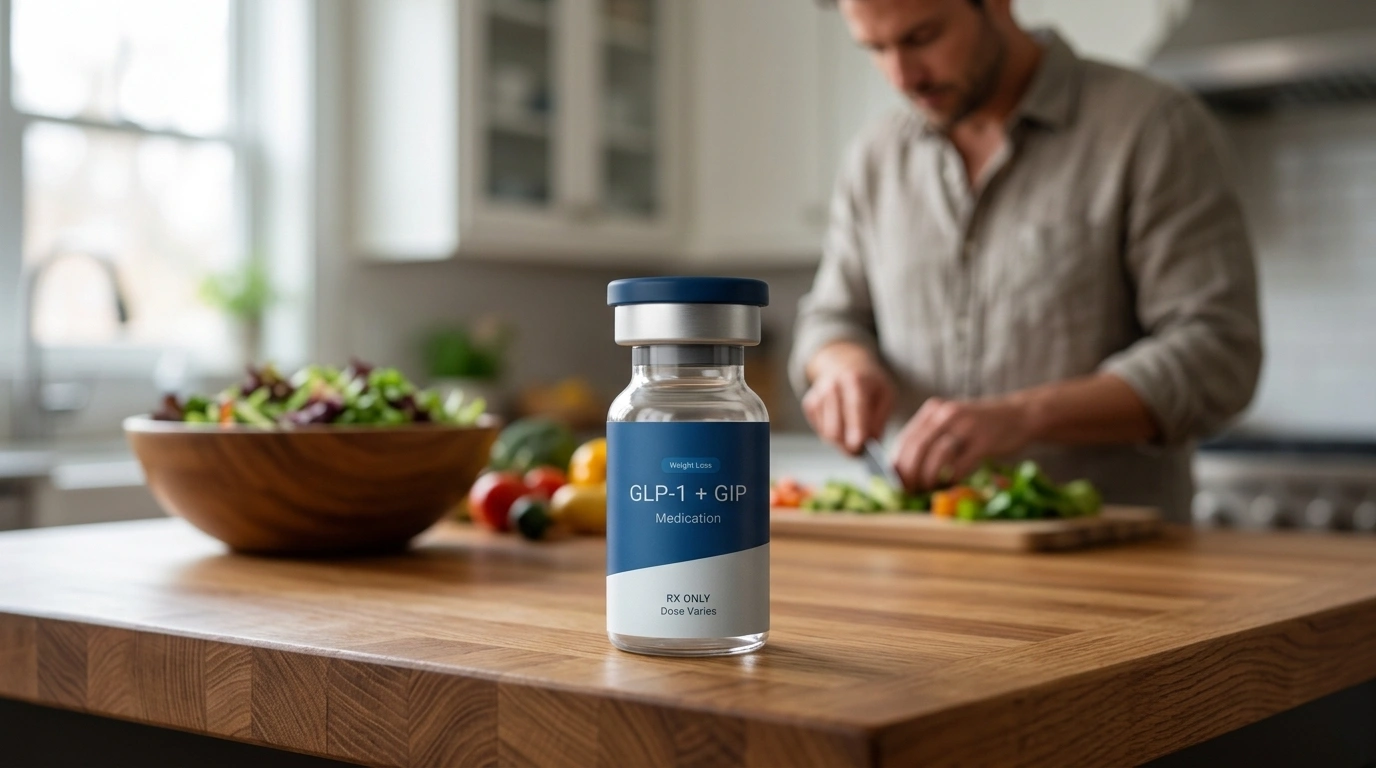
Zepbound® is a branded medication containing tirzepatide, which is a dual GLP-1 (glucagon-like peptide-1) and GIP (glucose-dependent insulinotropic polypeptide) receptor agonist. In plain English, this means it mimics two natural hormones in your body that regulate hunger and blood sugar. While GLP-1 slows down how quickly your stomach empties and tells your brain you are full, GIP helps improve how your body breaks down sugar and fat. Together, these mechanisms are highly effective for weight management, but they fundamentally change how you interact with food.
Because you are eating significantly less, you are also consuming fewer vitamins and minerals. This is known as a nutritional gap. When your daily intake drops significantly, you are essentially cutting your intake of essential nutrients unless you are incredibly meticulous about every bite. Furthermore, the slowed gastric emptying—meaning food stays in your stomach longer—can sometimes affect how your body absorbs certain oral supplements. For a broader look at how that plays out during treatment, see our guide on what supplements to take on Zepbound.
Reduced Food Volume and Micronutrient Intake
When your appetite is suppressed, it is easy to focus only on calories. However, micronutrients are the vitamins and minerals your body needs in small amounts to perform thousands of roles, from repairing DNA to converting food into energy. When you lose weight rapidly, your body is under a unique kind of stress. If you do not provide the building blocks needed to manage that stress, you may experience weight loss burnout. This is where you feel too tired to stay consistent with your program.
Changes in Nutrient Absorption
Tirzepatide changes the speed of your digestive system. While this helps you feel full longer, it may also mean that certain vitamins do not have the same “transit time” they once did. This is particularly true for fat-soluble vitamins that require a specific environment to be absorbed properly. If you are experiencing side effects like nausea or changes in bowel movements, your body may not be getting the full benefit of the healthy foods you are eating.
The Essential Vitamins for Energy and Metabolism
Vitamin B12 and the B-Complex
Vitamin B12 is perhaps the most frequently discussed supplement for those on GLP-1 or GIP medications. This essential vitamin plays a critical role in nerve function, red blood cell formation, and DNA synthesis. One of the most common side effects of tirzepatide is fatigue, which can be made worse by a B12 deficiency.
B12 is primarily found in animal products. Since many people on a weight loss program find they have a reduced interest in heavy meats, their B12 levels can dip. Taking a high-quality B12 supplement—specifically in the form of methylcobalamin—can help maintain energy levels. Many providers recommend B12 because it supports the metabolic processes that allow your body to use fat for fuel more efficiently.
Vitamin D3 and Vitamin K2
Vitamin D3 acts more like a hormone than a vitamin. It influences everything from immune function to mood. Research suggests that Vitamin D levels are often lower in individuals with higher body weights. As you lose weight, your body’s need for this nutrient may change.
Vitamin K2 is the essential partner to Vitamin D. While Vitamin D helps you absorb calcium, Vitamin K2 ensures that the calcium goes to your bones rather than depositing in your arteries. This duo is vital during weight loss to protect bone mineral density. Bone health is sometimes at risk during periods of rapid weight change, so keeping these levels optimized is a priority.
Vitamin C and Immune Support
Vitamin C is a powerful antioxidant that helps protect cells from damage. It is also a necessary co-factor for the production of collagen. As you lose weight, your skin needs to maintain as much elasticity as possible. Providing your body with enough Vitamin C supports both your immune system and your skin’s natural structural integrity.
Key Takeaway: Focusing on the “Big Three”—B12, D3, and Magnesium—can help mitigate the most common complaints of fatigue and digestive discomfort associated with tirzepatide.
Managing Digestive Side Effects with Minerals
Magnesium: The Multi-Tasker
Magnesium is involved in over 300 biochemical reactions in the body. For those taking Zepbound®, magnesium is particularly useful for managing two common issues: muscle cramps and constipation. Because the medication slows down the digestive tract, stool can stay in the colon longer, leading to dehydration and difficulty passing.
Different forms of magnesium serve different purposes:
- Magnesium Citrate: This form is well-known for its mild laxative effect. It draws water into the intestines, which can help keep digestion moving.
- Magnesium Glycinate: This form is highly absorbable and less likely to cause loose stools. It is often used to support relaxation, better sleep, and muscle recovery.
If constipation, cramping, or sleep issues are part of your routine, it may help to review our article on magnesium and GLP-1 side effects.
Myth: You should only take magnesium if you are constipated. Fact: Magnesium is essential for energy production and muscle function, making it beneficial even if your digestion is regular.
Electrolytes: Sodium, Potassium, and Magnesium
When you begin losing weight, especially in the early stages, your body sheds a significant amount of water weight. As this water leaves the body, it takes essential minerals called electrolytes with it. This is why some people feel dizzy or get headaches when they first start their medication.
Low electrolyte levels can lead to a feeling of weakness or “brain fog.” Supplementing with a balanced electrolyte powder (without added sugars) can help maintain the electrical balance in your cells. This keeps you feeling hydrated and sharp throughout the day.
Protecting Your Hair and Skin
Biotin and Zinc
Many patients report hair thinning during their weight loss journey. This is usually not a direct side effect of the medication itself. Instead, it is a condition called telogen effluvium. This is a reaction to the shock of rapid weight loss or a potential lack of protein and specific minerals.
Biotin (Vitamin B7) and Zinc are essential for the growth and repair of hair and nail tissue. While biotin will not stop the initial shedding caused by the stress of weight loss, it supports the health of the hair follicles. This helps the hair grow back thicker and stronger once your body stabilizes at a new weight. If that topic is on your mind, our post on why weight loss can cause hair loss may be helpful.
Collagen Peptides
Collagen is the most abundant protein in the body. Taking a collagen supplement may support skin elasticity and joint health. While the body breaks down collagen into amino acids just like any other protein, providing those specific building blocks can be helpful when your total food intake is limited.
The Critical Role of Protein Intake
While not a vitamin, protein is the most important “supplement” for anyone on a tirzepatide program. Lean muscle mass is the primary driver of your resting metabolic rate—the calories you burn just by existing. If you lose too much muscle during your journey, your metabolism may slow down. This makes it harder to maintain your results long-term.
When you are in a calorie deficit, your body may look for energy by breaking down muscle tissue. To prevent this, you must prioritize protein at every meal. For many, a high-quality whey or plant-based protein powder is the only way to reach their daily goals when their appetite is low. We often recommend including a protein shake as a nutritional insurance policy to ensure you are meeting your baseline needs.
For a deeper look at the broader supplement picture, read our guide on supplements to take on GLP-1 medications.
How much protein do you need?
Most experts suggest aiming for at least 60 to 80 grams of protein per day, though some individuals may need more depending on their activity level. Spreading this intake across the day helps your body utilize the amino acids more effectively.
Targeted Support: GLP-1 Daily Support
At TrimRx, we understand that managing multiple pill bottles can be overwhelming. That is why we offer specialized supplements like GLP-1 Daily Support. This formula is designed to work alongside your program by providing the specific nutrients that are often depleted during medical weight loss.
By using a targeted supplement, you can address common gaps in B vitamins, minerals, and digestive support in one simple step. This allows you to focus on your lifestyle changes while knowing your nutritional bases are covered.
Compounded Tirzepatide vs. Branded Medications
As you research vitamins, you may also be looking into different medication options. Zepbound® and Mounjaro® are branded versions of tirzepatide that are FDA-approved for specific uses like weight management or type 2 diabetes. However, due to high demand and supply shortages, many people turn to compounded options.
Compounded tirzepatide is prepared by licensed pharmacists in FDA-registered and inspected compounding pharmacies. While these compounded versions are not FDA-approved themselves, they contain the same active ingredient as the branded medications. We work with providers who can determine if a compounded medication is an appropriate choice for your specific health profile and goals.
Note: It is important to distinguish between the medication and the platform. TrimRx is a telehealth platform that connects you with licensed healthcare providers. We do not manufacture or ship branded medications like Zepbound®; those are filled by a pharmacy of your choice.
Practical Tips for Your Supplement Routine
Timing and Absorption
Because Zepbound® slows your digestion, the timing of your vitamins can change how they make you feel.
- Take with Food: Fat-soluble vitamins (A, D, E, and K) should always be taken with a meal that contains some healthy fat, like avocado or olive oil, to ensure they are absorbed.
- Avoid Empty Stomachs: Taking a handful of vitamins on an empty stomach while on this medication can lead to nausea.
- Space Them Out: If you feel “full” from your supplements, try taking half in the morning and half in the evening.
Hydration is Non-Negotiable
Vitamins and medications both require adequate water to move through your system and do their jobs. Aim for at least 64 to 80 ounces of water daily. If you find plain water difficult to drink, adding electrolytes can make it more palatable and more effective for cellular hydration.
Step-by-Step: Building Your Supplement Plan
- Step 1: Consult your provider. / Ask for a blood panel to check your current levels of B12, Vitamin D, and Iron.
- Step 2: Prioritize protein. / Ensure you have a plan to hit your protein goal every single day.
- Step 3: Add a high-quality multivitamin. / Choose one that includes B-complex and essential minerals like Zinc and Magnesium.
- Step 4: Monitor your symptoms. / If you feel fatigued, you may need more B12; if you have cramps, you may need more Magnesium.
- Step 5: Adjust as you go. / Your needs when you are at a high dose of medication may be different than when you first started.
If you want help deciding whether prescription treatment is appropriate for you, complete the assessment quiz and review your options with a provider.
When to Talk to a Doctor
While vitamins are generally safe, they can interact with other medications or medical conditions. For example, if you have a history of kidney stones, you may need to be careful with calcium or Vitamin C. If you are taking blood thinners, Vitamin K levels must be monitored closely.
Always share your full supplement list with your healthcare team. They can help you identify if a particular supplement is causing a side effect or if you are taking an unnecessary amount of a certain nutrient.
Conclusion
Losing weight is about more than just a lower number on the scale; it is about building a body that is stronger and more resilient. Taking Zepbound® is a powerful tool, but it works best when you provide your body with the fuel and micronutrients it needs to thrive. By focusing on essential vitamins like B12 and D, ensuring adequate mineral intake, and prioritizing protein, you can minimize side effects and protect your long-term metabolic health.
Our mission at TrimRx is to help individuals embrace healthier lifestyles through science, empathy, and a transparent, personalized approach. We provide the tools and medical supervision needed to navigate these changes safely and effectively. If you are ready to see if a personalized weight loss program is right for you, we invite you to take our free assessment quiz today.
FAQ
Can I take a regular multivitamin on Zepbound?
Yes, a high-quality daily multivitamin is an excellent way to cover your nutritional bases, especially since your food intake is likely much lower than before. Look for one that contains activated B vitamins and a broad spectrum of minerals to ensure you are getting the most benefit.
Why do I feel so tired even though I’m losing weight?
Fatigue is a common side effect of GLP-1 and GIP medications, often caused by a combination of lower calorie intake and potential dehydration. Ensuring you are getting enough Vitamin B12 and electrolytes can often help restore your energy levels and keep you feeling active. If you want a more personalized plan, see if you qualify.
Will taking vitamins prevent hair loss?
While vitamins like Biotin and Zinc support hair health, they may not entirely prevent “telogen effluvium,” which is hair thinning caused by the stress of rapid weight loss. However, maintaining high protein intake and proper nutrition can help the hair grow back more quickly once your weight stabilizes.
Is it safe to take magnesium every day?
For most people, daily magnesium is safe and highly beneficial for supporting digestion and muscle function while on Zepbound®. However, you should always consult your healthcare provider to determine the right dosage and form for your specific needs, especially if you have any underlying kidney issues. If digestive support is something you’re still figuring out, GLP-1 Daily Support may be worth discussing with your provider.
Disclaimer: This content is for informational purposes only and does not constitute medical advice. It is not intended to diagnose, treat, cure, or prevent any disease or condition. Individual results may vary. Always consult a qualified healthcare professional before starting any weight loss program or medication.

Transforming Lives, One Step at a Time
Keep reading

Why Is There a Bruise Where I Injected My Zepbound?
A bruise means a small blood vessel was disturbed under the skin and blood spread into the surrounding tissue. It is one of the…

My Zepbound Pen Won’t Click Past a Certain Dose
Start by checking which device you are holding, because the answer depends entirely on that. Zepbound has commonly been supplied in the United States…

Zepbound Alternatives: Your Options Compared
If Zepbound isn’t the right fit, the main alternative is semaglutide (sold as Wegovy), which produces slightly less weight loss but works similarly, along…


