Can I Take My Zepbound a Day Late?
Introduction
Life rarely follows a perfect schedule. Between work deadlines, family commitments, and travel, it is common to realize you have missed your usual injection window for your weight loss medication. If you are asking yourself, “can I take my Zepbound a day late,” you are certainly not alone. At TrimRx, we understand that maintaining a consistent routine is vital for metabolic health, but we also know that flexibility is a necessary part of any long-term wellness journey.
The short answer is yes, you can typically take your injection a day late. There are specific clinical guidelines regarding the timing of late doses to ensure both your safety and the effectiveness of the treatment. This article will explain the “four-day rule,” how the medication behaves in your body, and what to do if your schedule shifts significantly. Our goal is to provide you with the clarity needed to navigate your program with confidence and peace of mind. If you are exploring whether a personalized prescription program may be right for you, you can complete a free eligibility assessment.
Quick Answer: Yes, you can take your Zepbound® dose a day late. Clinical guidelines suggest you can take a missed dose as soon as you remember, as long as it is within 4 days (96 hours) of your scheduled time. If more than 4 days have passed, you should skip that dose and wait for your next regularly scheduled injection day.
The Clinical Window for Late Doses
When you are prescribed Zepbound® (tirzepatide), consistency is emphasized because the medication works by maintaining a steady level in your bloodstream. However, the manufacturers recognize that human error and life events happen. They have established a specific 4-day window for missed doses.
If your usual injection day is Sunday and you realize on Monday that you forgot, you are well within the 96-hour safety window. You can administer the injection as soon as you remember. This 24-hour delay is unlikely to cause a significant lapse in the medication’s effectiveness or a major spike in your appetite. For another overview of missed injections, see what happens if you miss a Zepbound injection.
If you find yourself in the 48-hour to 96-hour range (two to four days late), the same rule applies: take the dose now. However, once you cross the 96-hour threshold—meaning you are five days late—the recommendation changes. At that point, the late dose would be too close to your next scheduled dose, which could lead to complications.
The Science of Weekly Dosing
To understand why a one-day delay is generally safe, it helps to look at the biology of how these medications function. The active ingredient in Zepbound® is tirzepatide, a dual-receptor agonist. A receptor agonist is a substance that mimics a natural hormone to trigger a specific response in the body.
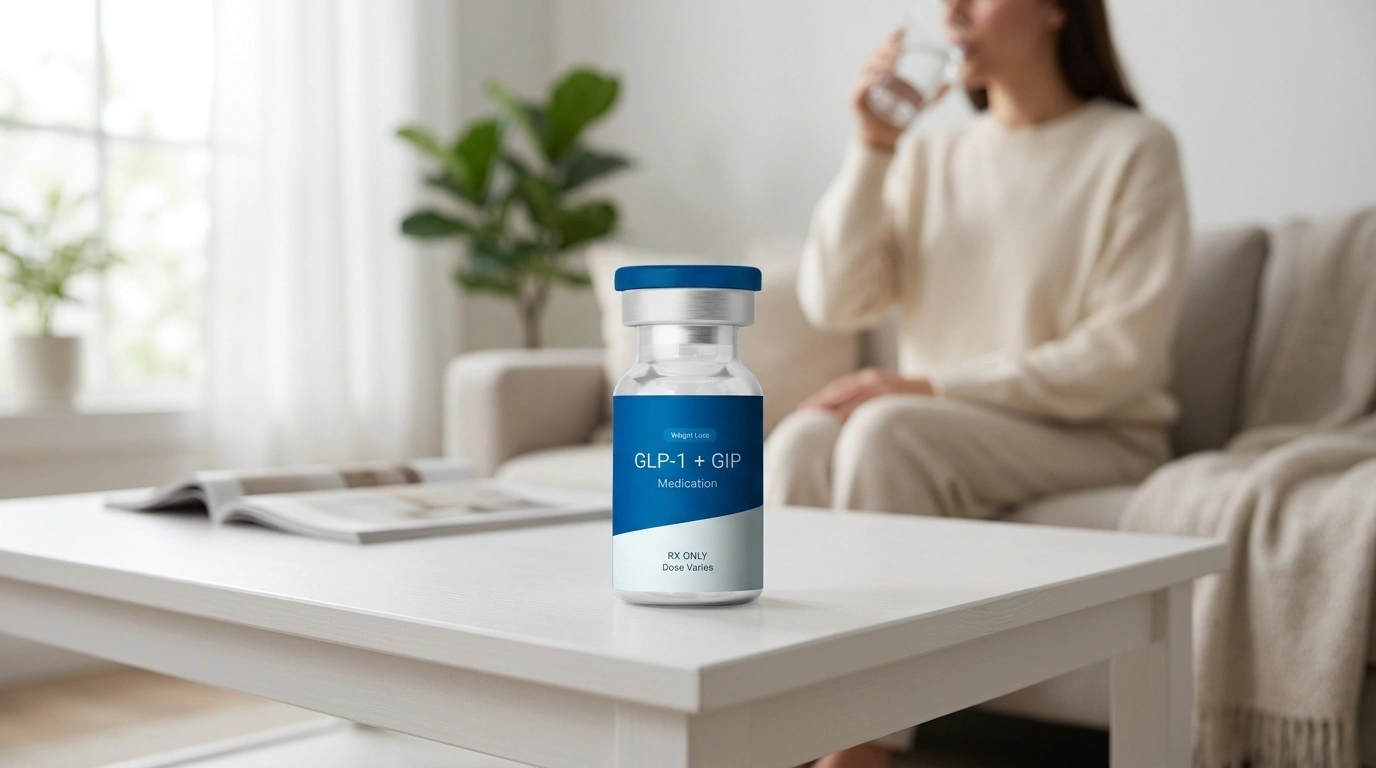
Tirzepatide mimics two hormones: glucagon-like peptide-1 (GLP-1) and glucose-dependent insulinotropic polypeptide (GIP). These hormones regulate hunger signals in the brain and slow down the rate at which your stomach empties. This combination helps you feel full longer and reduces the “food noise” that often derails weight loss efforts. You can review how tirzepatide’s dual-receptor mechanism works for additional context.
The Half-Life of Tirzepatide
The reason these injections are administered weekly is based on the “half-life” of the drug. A half-life is the amount of time it takes for the concentration of a substance in your body to reduce by exactly half. For tirzepatide, the half-life is approximately five days.
Because five days after your shot, half of the medication is still active in your system, a one-day delay (taking the shot on day eight instead of day seven) does not mean the drug has completely left your body. You still have a significant “floor” of medication working for you. This biological buffer is why a 24-hour delay is rarely a cause for clinical concern. For a broader explanation, read about the half-life of GLP-1 medications.
Key Takeaway: Because tirzepatide has a five-day half-life, your body maintains a baseline level of the medication even if you are a day or two late. This buffer helps prevent a total return of appetite during minor schedule slips.
The 72-Hour Buffer: Why You Cannot Double Up
While there is a 4-day window to take a late dose, there is also a critical 3-day (72-hour) rule for safety. You must never administer two doses within 72 hours of each other.
If you take a late dose on a Thursday, you cannot take your next regularly scheduled dose on Saturday. This would mean your body is processing two full doses in a very short window. This practice is known as “stacking,” and it significantly increases the risk of severe gastrointestinal side effects.
If you take a late dose, you have two choices for your next shot:
- Shift your schedule: Move your permanent injection day to the new day (e.g., if you took it on Monday instead of Sunday, Monday becomes your new weekly day).
- Slide back gradually: If you prefer your original day, ensure there is at least a 72-hour gap before returning to that day the following week.
Managing a Shift in Your Injection Schedule
Sometimes, taking a dose a day late is an intentional choice. Some individuals prefer to move their injection day to better manage side effects or to ensure the strongest appetite suppression occurs during the weekend.
Step 1: Verify the 72-hour gap.
Ensure it has been at least three full days since your last injection before moving to a new day.
Step 2: Administer the dose on the new day.
If you want to move from Monday to Wednesday, you can simply wait until Wednesday to take your next shot.
Step 3: Resume the new weekly rhythm.
Once you have established the new day, stick to it. Consistency helps your body reach a “steady state,” which is the point where the medication levels in your blood remain consistent and predictable.
At TrimRx, our platform connects you with licensed providers who can help you determine the best injection schedule based on your lifestyle and how your body responds to the treatment. This personalized approach ensures that your program fits your life, rather than your life revolving around the medication. To explore whether a supervised program fits your needs, start with a free health assessment.
What to Do If You Are More Than 4 Days Late
If you realize you are five or six days late for your injection, the medical consensus is to skip the missed dose entirely. Taking a dose this late puts you too close to your next scheduled injection, violating the 72-hour safety buffer.
In this situation:
- Do not panic.
- Wait until your next regularly scheduled injection day.
- Take your normal dose at that time.
- Do not take a “double dose” to make up for the one you missed.
Bottom line: If you are more than 96 hours late, the safest path is to skip the dose and resume your regular schedule on your next designated day.
Missing Two or More Doses: A Different Protocol
While being a day late is a minor adjustment, missing two or more consecutive weeks is more complex. When you go 14 days or longer without the medication, the levels in your bloodstream drop significantly.
GLP-1 and GIP medications are started at low dosages and gradually increased—a process called titration—to allow your body to build a tolerance. If you have been off the medication for two weeks and then suddenly reintroduce a high maintenance dose, you may experience intense nausea, vomiting, or abdominal pain. Your body has essentially lost its acclimation to the drug. You can also review this guide to tirzepatide side effects and how to manage them.
Important: If you have missed two or more doses, do not resume your medication without consulting a healthcare provider. They may recommend restarting at a lower dosage to avoid severe side effects.
Potential Side Effects When Delaying a Dose
Even a 24-hour delay can occasionally lead to a slight shift in how you feel. Because the medication level has dipped slightly lower than usual, some patients report a temporary change in symptoms when they finally administer the late shot.
Return of Hunger
The most common experience is a return of “food noise” or physical hunger during the 24 hours the dose is late. This is a normal biological response as the hormone-mimicking effects begin to wane. If this happens, focus on high-protein snacks and hydration to manage your appetite until you can take your shot.
Heightened Nausea
When you reintroduce the medication after it has dropped slightly in your system, your body may react as if it is a “new” dose. This can lead to mild nausea or indigestion in the 12 to 24 hours following the late injection.
Fatigue
Some users report a brief period of increased tiredness after a late dose. This is often linked to the body’s metabolic adjustment as the medication begins to slow gastric emptying again.
Tips for Staying Consistent
While life is unpredictable, there are ways to minimize the frequency of late doses. Building a routine is the best way to ensure your metabolic health remains a priority.
- Set a Recurring Alarm: Use your smartphone to set a weekly alert. Many patients find that setting the alarm for the same time they wake up helps them remember before the day gets busy.
- Use a Visual Reminder: Keep your injection supplies (if they do not require refrigeration) or a small note in a place you see every morning, like near your coffee maker or toothbrush.
- Plan for Travel: If you are traveling, always pack your medication in a carry-on bag with a travel cooler if necessary. Never put it in checked luggage, where temperatures are not controlled.
- Coordinate with Refills: Ensure you have your next month’s supply ready before you use your final pen or vial. This prevents delays caused by pharmacy stock issues.
Through the TrimRx platform, you have 24/7 access to specialists who can help you troubleshoot your schedule or manage any concerns that arise from a missed dose. Having a dedicated team behind you makes it easier to stay on track even when life gets complicated.
The Role of Personalized Programs
Weight loss is not a one-size-fits-all process. The clinical guidelines for “can I take my Zepbound a day late” provide a safety framework, but individual health history also plays a role. This is why personalized, medically supervised programs are so valuable.
Licensed providers evaluate your BMI, medical history, and specific goals to determine the right medication and dosage for you. Whether you are using branded medications or compounded versions prepared in FDA-registered pharmacies, having professional oversight ensures that you are taking the right steps for your specific body.
Personalization also extends to how you manage your treatment. If you consistently struggle with the side effects of a specific dosage, or if your work schedule makes weekly injections difficult, your provider can help you adjust your plan. This level of support is designed to make weight loss sustainable rather than a source of stress. If you are ready to discuss your options, see if you qualify for a personalized program.
The TrimRx Mission
We believe that science and empathy should go hand in hand. Our mission at TrimRx is to help you embrace a healthier lifestyle through transparent, personalized, and medically supervised weight loss programs. We understand the emotional and physical challenges of weight management, and we are here to provide the modern technology and clinical expertise you need to succeed without the hassle of in-person waiting rooms.
Our telehealth-first approach means you have access to a team of specialists who understand the nuances of GLP-1 and GIP treatments. We are committed to helping you navigate the ups and downs of your journey—including those moments when you might be a day late with your shot—with science-backed guidance and unwavering support.
Key Takeaway: Success in weight loss comes from persistence, not perfection. A missed dose is a minor hurdle that can be managed safely with the right information.
Conclusion
Taking your Zepbound® shot a day late is a common occurrence and, in most cases, a safe one. By following the 4-day window and the 72-hour safety buffer, you can keep your treatment on track without compromising your health. Remember that consistency is the goal, but the medication is designed with a biological buffer that allows for the occasional life interruption.
If you are ever in doubt about a missed dose, especially if it has been more than two weeks, always reach out to a healthcare professional. If you are ready to start a personalized weight loss journey with dedicated support, your next step is simple.
- Action Step: Complete our free assessment quiz to see if a personalized, medically supervised program is right for your health goals.
FAQ
What happens if I take my Zepbound two days late?
If you are two days late, you are still within the 96-hour (4-day) window recommended by clinical guidelines. You should take your dose as soon as you remember. You can then choose to make that day your new weekly injection day or return to your original day the following week, provided there are at least 72 hours between the doses.
I missed my Zepbound dose by 5 days, should I still take it?
No, if you are 5 days (120 hours) late, you have passed the recommended 4-day window. Taking a dose this late would mean it is too close to your next scheduled shot. You should skip the missed dose and wait for your next regularly scheduled injection day to ensure you do not experience severe side effects from “stacking” the medication.
Can I take my shot a day early instead of a day late?
Yes, you can move your injection day forward, but you must ensure there are at least 72 hours (3 days) between injections. If your last dose was more than three days ago, taking it a day early is generally considered safe. This is often done by patients who want to shift their “peak” appetite suppression to a different part of the week.
Will missing one dose of Zepbound cause weight regain?
Missing a single dose for a few days or even a full week is unlikely to cause significant weight regain. While your appetite may increase slightly as the medication levels dip, your long-term progress is built over months of treatment. The most important thing is to get back to your regular routine as soon as it is safe to do so. If you are considering a medically supervised weight loss program, you can take the free assessment quiz.
Disclaimer: This content is for informational purposes only and does not constitute medical advice. It is not intended to diagnose, treat, cure, or prevent any disease or condition. Individual results may vary. Always consult a qualified healthcare professional before starting any weight loss program or medication.

Transforming Lives, One Step at a Time
Keep reading

Surfing on Zepbound: Paddling Strength, Cold Water, and Dawn Patrol
Surfing asks a lot of your body. Paddling out through broken waves takes shoulder, back, and core strength. Cold water drains energy. Dawn sessions…

Skydiving on Zepbound: Planning a Tandem Jump
For many people who have lost weight, a skydive is a goal they set years ago and finally feel ready for. Some dropzones have…
A Day at the Renaissance Faire on Zepbound
A Renaissance faire is a full day out: jousts, stage shows, artisan stalls, dusty lanes, and food built for spectacle, from giant turkey legs…


