Can I Take Topiramate With Zepbound? Safety and Effectiveness
Introduction
Finding the right combination of tools for weight management often feels like solving a complex puzzle. You might already be using topiramate for migraines or as part of a weight loss plan and are now curious if adding a modern GLP-1 medication is safe. If you want to understand the bigger picture behind GLP-1 medications and how they support weight loss, this guide can help. At TrimRx, we understand that navigating multiple prescriptions can be overwhelming and confusing. The question of whether you can take topiramate with Zepbound® is becoming increasingly common as more people seek multi-pathway approaches to metabolic health. This post covers the potential interactions, how these medications work in your body, and the importance of medical supervision when combining therapies. While taking both may be possible for some individuals, it requires a personalized strategy to manage absorption changes and cumulative side effects effectively.
Quick Answer: You can often take topiramate with Zepbound®, but only under strict medical supervision. Zepbound® slows digestion, which may change how your body absorbs oral topiramate, and both medications can cause similar side effects like dizziness or fatigue.
Understanding the Medications
Topiramate is an oral medication originally developed to treat seizures and prevent migraines. In the world of weight management, it is frequently used off-label because it helps reduce appetite and cravings. It works primarily in the brain by affecting neurotransmitters—the chemicals that send signals between nerve cells. By calming overactive nerves and influencing reward pathways, it can make it easier to resist the urge to overeat.
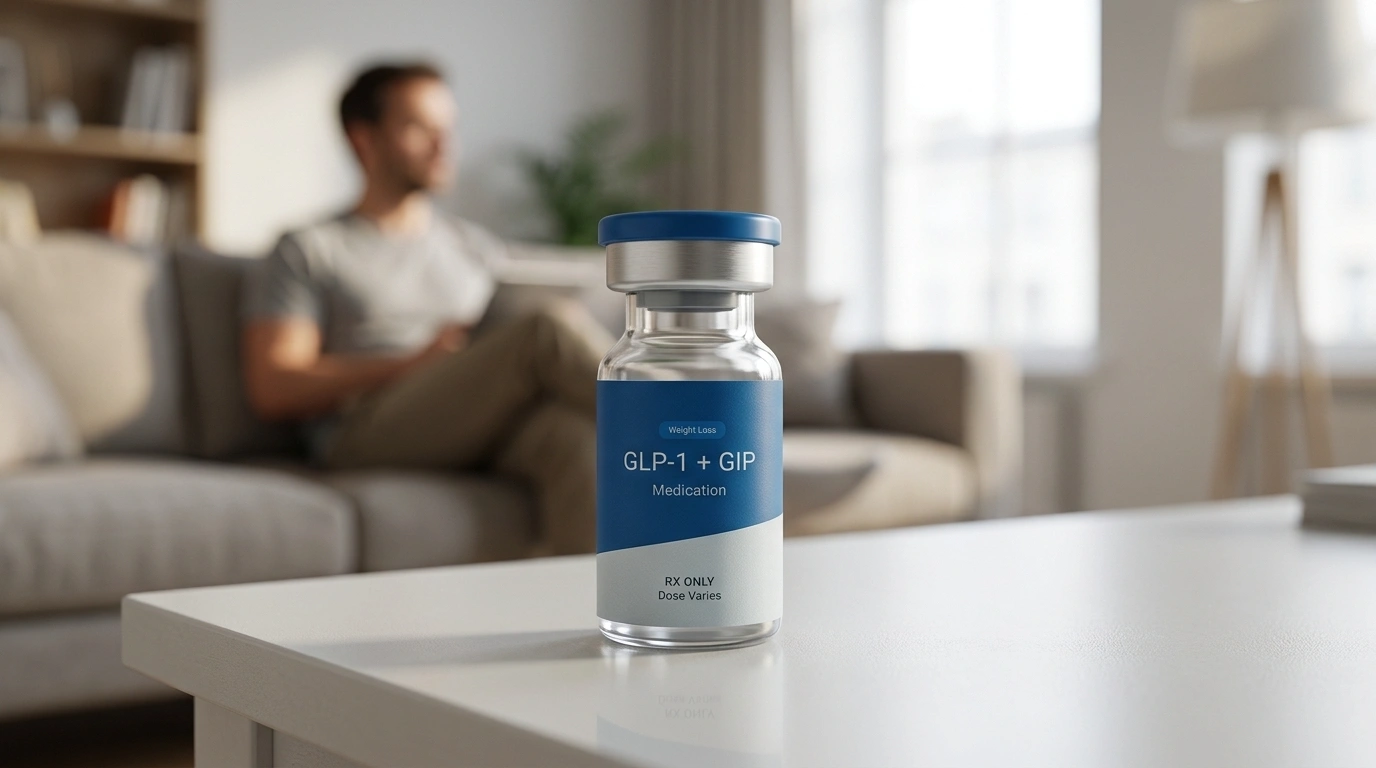
Zepbound® (tirzepatide) belongs to a newer class of medications known as dual receptor agonists. It mimics two natural hormones in your body: glucagon-like peptide-1 (GLP-1) and glucose-dependent insulinotropic polypeptide (GIP). These hormones play a critical role in how your body processes sugar and signals fullness to your brain. Unlike a pill you swallow, this medication is usually a weekly injection that works on both the digestive system and the brain’s hunger centers.
Compounded tirzepatide is also an option for many individuals looking for personalized treatment. While Zepbound® is a specific branded product, compounded versions are prepared by FDA-registered, inspected compounding pharmacies to meet individual patient needs. If you’re exploring whether prescription treatment makes sense for your situation, you can complete the free assessment quiz and see what a personalized program might look like.
How Zepbound Affects Other Medications
The primary concern when mixing these two treatments is how one changes the way the other is processed. Zepbound® is known to delay gastric emptying, which is a clinical way of saying it slows down how quickly food and medicine move out of your stomach and into your small intestine. Because topiramate is an oral medication that must be absorbed through the digestive tract, this “slowdown” can impact its effectiveness.
Absorption timing is critical for medications that work on the central nervous system. If topiramate sits in the stomach for a longer period than intended, the peak levels of the drug in your bloodstream might be delayed or altered. For someone taking topiramate for seizure control or migraine prevention, this could potentially lead to a breakthrough symptom. For those using it for weight loss, it might mean the appetite-suppressing effects feel inconsistent.
Metabolic changes can also influence how your body handles medication. As you lose weight and your metabolic rate shifts, your body may require different dosages of your maintenance medications. This is why a “set it and forget it” approach never works with multi-medication regimens. Frequent check-ins with a healthcare provider are necessary to ensure that as your body changes, your prescriptions remain at the optimal levels. If you’re still deciding whether a GLP-1-based plan fits your goals, what GLP-1 support is designed to do is a helpful place to start.
Key Takeaway: The main interaction between topiramate and Zepbound® isn’t a direct chemical clash, but rather a change in how fast your body absorbs the oral pill due to slowed digestion.
Potential Side Effects and Overlap
Both medications can cause a specific set of side effects that may be intensified when used together. When you start a new treatment, your body needs time to adjust. When you start two that have overlapping side effect profiles, that adjustment period can be more pronounced.
- Dizziness and Lightheadedness: Both drugs can affect your blood pressure or hydration levels, leading to bouts of dizziness, especially when standing up quickly.
- Cognitive “Fog”: Topiramate is sometimes associated with “word-finding” difficulties or a feeling of mental slowness. Because GLP-1 medications can sometimes cause fatigue during the initial weeks, this mental fog might feel more heavy.
- Gastrointestinal Distress: Nausea is a common side effect of Zepbound®. While topiramate is generally easier on the stomach, the combination can sometimes worsen the feeling of queasiness or lead to changes in bowel habits.
- Tingling Sensations: Topiramate often causes paresthesia, which is a tingling feeling in the hands or feet. While Zepbound® does not typically cause this, the general stress on the nervous system during weight loss can make these sensations more noticeable.
Hydration becomes a non-negotiable part of your daily routine. Both medications require your kidneys to work efficiently. Staying hydrated helps flush the medications through your system properly and can significantly reduce the severity of headaches and dizziness. We often recommend that our patients focus on consistent water intake and electrolyte balance to support their bodies during this transition.
The Role of Medical Supervision
You should never attempt to combine these medications without the explicit guidance of a licensed healthcare provider. A doctor will look at your full medical history to determine if your body can handle the combined metabolic load. They will consider your kidney function, your history of migraines or seizures, and your previous experience with weight loss drugs.
Monitoring blood glucose is especially important for those with Type 2 diabetes. Both medications can influence how your body manages blood sugar. While this is often a positive effect, it can sometimes lead to hypoglycemia (low blood sugar). Symptoms like shakiness, sweating, and confusion are signs that your dosages may need immediate adjustment.
A stepwise approach is usually the safest path. Often, a provider will suggest stabilizing on one medication before introducing the second. This allows you to identify which medication is responsible for any side effects that may arise. If you start both at the same time, it is nearly impossible to tell which one is causing a specific problem, making it harder to manage your care.
Myth: Taking more weight loss medications always leads to faster results. Fact: Overloading your system can lead to severe side effects that force you to stop treatment entirely. A steady, supervised approach is more effective for long-term success.
Who is a Candidate for Combined Therapy?
Combination therapy is typically reserved for individuals who have not reached their goals with a single medication. For an individual with a BMI over 30 who has struggled with chronic “food noise” (intrusive thoughts about eating), the combination of a brain-centered approach (topiramate) and a hormone-centered approach (Zepbound®) can be powerful.
Those taking topiramate for non-weight related reasons may also be candidates. If you rely on topiramate to prevent debilitating migraines, your doctor may decide that adding a GLP-1 medication for weight loss is safe, provided your migraine control remains stable. In these cases, the priority is always maintaining the primary therapeutic benefit of the topiramate while carefully introduced the weight loss support.
The TrimRx program is designed to simplify this complex process. We provide access to licensed clinicians who understand these nuances. Through our telehealth platform, you can take the free assessment quiz to see if a personalized weight loss program is right for your unique health profile. This ensures that any medication prescribed, whether it is compounded semaglutide or compounded tirzepatide, is integrated safely with your existing health needs.
Strategies for Success
If your provider clears you for both medications, timing becomes your best friend. Taking your oral topiramate at a different time of day than your most recent meal might help with absorption. Many people find that taking their oral medications in the morning and their injections in the evening (or on a specific day of the week) helps them manage their energy levels better.
Track your symptoms in a daily journal. In the first few weeks of combined therapy, jot down how you feel. Are you more tired than usual? Is the “tingling” in your fingers increasing? This data is incredibly valuable for your healthcare provider during follow-up consultations. It allows them to make data-driven decisions about your dosage rather than relying on general guesswork.
Focus on protein and nutrient density. Because both medications suppress appetite, you will likely be eating less. It is vital that the food you do eat is high in quality. Our Weight Loss Boost supplement is designed to help support energy during weight loss. Ensuring your body has the raw materials it needs to maintain muscle and energy is a key part of sustainable weight loss.
Steps to Start Your Journey Safely
- Step 1: Consult your current prescriber. Inform the doctor who gives you topiramate that you are considering Zepbound®.
- Step 2: Complete a health assessment. Use the TrimRx quiz to provide a full picture of your medical history and current medications.
- Step 3: Review the plan with a specialist. Discuss how the combination might affect your specific health goals during your consultation.
- Step 4: Monitor and adjust. Stay in close contact with your care team during the first month to report any changes in how you feel.
The Science of Multi-Pathway Weight Loss
Weight management is rarely about a single issue. For many, it is a combination of genetics, hormonal imbalances, and neurological triggers. This is why “diet and exercise” alone often fails—it doesn’t address the underlying biology. By using a medication like Zepbound® (or compounded tirzepatide), you are addressing the hormonal signals of hunger and fullness. By using topiramate, you are addressing the neurological “reward” system of the brain.
This dual approach can be highly effective, but it is also more taxing on the body. The goal of a personalized program at TrimRx is to find the “minimum effective dose”—the lowest amount of medication needed to see results without causing unnecessary distress. We believe in a science-backed approach that prioritizes your long-term health over short-term “quick fixes.”
Research suggests that when multiple pathways are targeted, patients may find it easier to stick to lifestyle changes. When the physical “screaming” of hunger is silenced by a GLP-1 and the mental “chatter” of cravings is calmed by topiramate, the choice to eat a healthy meal becomes much easier. It turns an uphill battle into a manageable walk. However, this synergy only works if the body is supported with the right nutrients and medical oversight.
Bottom line: Combining topiramate and Zepbound® targets weight loss from both a hormonal and neurological perspective, but it requires careful monitoring to manage how the body absorbs the medications and handles the combined side effects.
Navigating the Telehealth Experience
One of the biggest hurdles to modern weight loss is accessibility. Sitting in a waiting room or trying to coordinate between different specialists can be exhausting. Telehealth platforms like ours bridge that gap. We provide a space where you can get expert medical advice, lab work coordination, and medication management all in one place.
Our approach is built on transparency and empathy. We know that the journey to a healthier weight is personal and often emotional. That is why we don’t just provide a prescription; we provide a dedicated team of specialists to support you 24/7. Whether you have a question about a new side effect or need help adjusting your routine, we are here to help.
Personalization is the core of what we do. No two bodies are the same, and no two weight loss journeys should be the same. By taking into account your history with medications like topiramate, our partner providers can tailor a program that uses compounded medications from FDA-registered compounding pharmacies to fit your specific needs. If you want a clearer picture of how oral and injectable GLP-1 approaches compare, this tirzepatide guide is a helpful next read.
Conclusion
Combining topiramate and Zepbound® is a significant medical decision that offers both potential benefits and notable risks. While the two medications can work together to tackle weight loss through different biological pathways, the way Zepbound® slows down your digestion means your topiramate levels must be monitored closely. Side effects like dizziness and mental fog can become more prominent, making professional guidance and a personalized plan essential for your safety.
At TrimRx, our mission is to help you navigate these complexities with confidence and clarity. We believe that everyone deserves access to science-backed, empathetic care that looks at the whole person, not just a number on a scale. By focusing on personalization and transparency, we help you take control of your metabolic health in a way that is sustainable and safe.
- Consult your doctor before mixing any medications.
- Stay hydrated to manage overlapping side effects.
- Monitor for changes in how your topiramate is working.
- Prioritize nutrient-dense foods and protein.
Ready to see if a personalized program is right for you? Take the free assessment quiz today and start your journey toward a healthier, more vibrant life with the support you deserve.
FAQ
Can I take topiramate and Zepbound at the same time?
Yes, it is possible to take both, but it must be done under the strict supervision of a healthcare provider. Because Zepbound® slows gastric emptying, it can change how your body absorbs the oral topiramate pill. Your doctor will need to monitor your response and potentially adjust your dosages to ensure both medications remain effective and safe. If you’re exploring whether a GLP-1 treatment plan is the right fit, start with the assessment quiz.
Will taking topiramate with Zepbound make me lose weight faster?
While targeting two different weight loss pathways—hormonal and neurological—can be very effective, it does not guarantee faster results for everyone. The combination is usually reserved for those who haven’t seen enough progress on a single medication. The goal is a more sustainable and manageable weight loss journey rather than a rapid, potentially unsafe drop in weight. For more context on the science behind GLP-1 treatment, this explainer on GLP-1 support is worth reading.
What are the most common side effects of this combination?
The most frequent side effects include dizziness, nausea, fatigue, and a “tingling” sensation in the extremities. Because both drugs can affect the central nervous system and metabolic rate, these symptoms may feel more intense than if you were taking just one. Staying hydrated and maintaining a consistent schedule for your medications can help mitigate these issues.
Do I need to see a doctor in person to get these medications?
No, you can often manage your weight loss program through a telehealth platform like TrimRx. After completing a free assessment quiz and a virtual consultation, a licensed provider can determine if you are eligible for treatment. If prescribed, medications like compounded tirzepatide are shipped directly to your door from FDA-registered, inspected compounding pharmacies. If you want to understand the broader ordering process, how to order GLP-1 medications is a useful overview.
Disclaimer: This content is for informational purposes only and does not constitute medical advice. It is not intended to diagnose, treat, cure, or prevent any disease or condition. Individual results may vary. Always consult a qualified healthcare professional before starting any weight loss program or medication.

Transforming Lives, One Step at a Time
Keep reading

Why Is There a Bruise Where I Injected My Zepbound?
A bruise means a small blood vessel was disturbed under the skin and blood spread into the surrounding tissue. It is one of the…

My Zepbound Pen Won’t Click Past a Certain Dose
Start by checking which device you are holding, because the answer depends entirely on that. Zepbound has commonly been supplied in the United States…

Zepbound Alternatives: Your Options Compared
If Zepbound isn’t the right fit, the main alternative is semaglutide (sold as Wegovy), which produces slightly less weight loss but works similarly, along…


