Should I Take Fiber While on Zepbound?
Introduction
Starting a weight loss journey with a medication like Zepbound® often brings a mix of excitement and a long list of questions. You might be noticing that your appetite has changed or that your digestion feels a bit different than it used to. One of the most common concerns we hear at TrimRx involves managing the digestive side effects that can sometimes accompany these treatments. Specifically, many people wonder: should I take fiber while on Zepbound?
The short answer is yes, but the way you incorporate fiber matters just as much as the amount you consume. Fiber plays a critical role in supporting your gut health, especially when your body is adjusting to a medication that slows down digestion. This post will cover how fiber interacts with your treatment, which types are most beneficial, and how to balance your intake to minimize discomfort. If you are wondering whether a prescription program is the right next step, you can take the free assessment quiz to explore your options.
How Zepbound Affects Your Digestive System
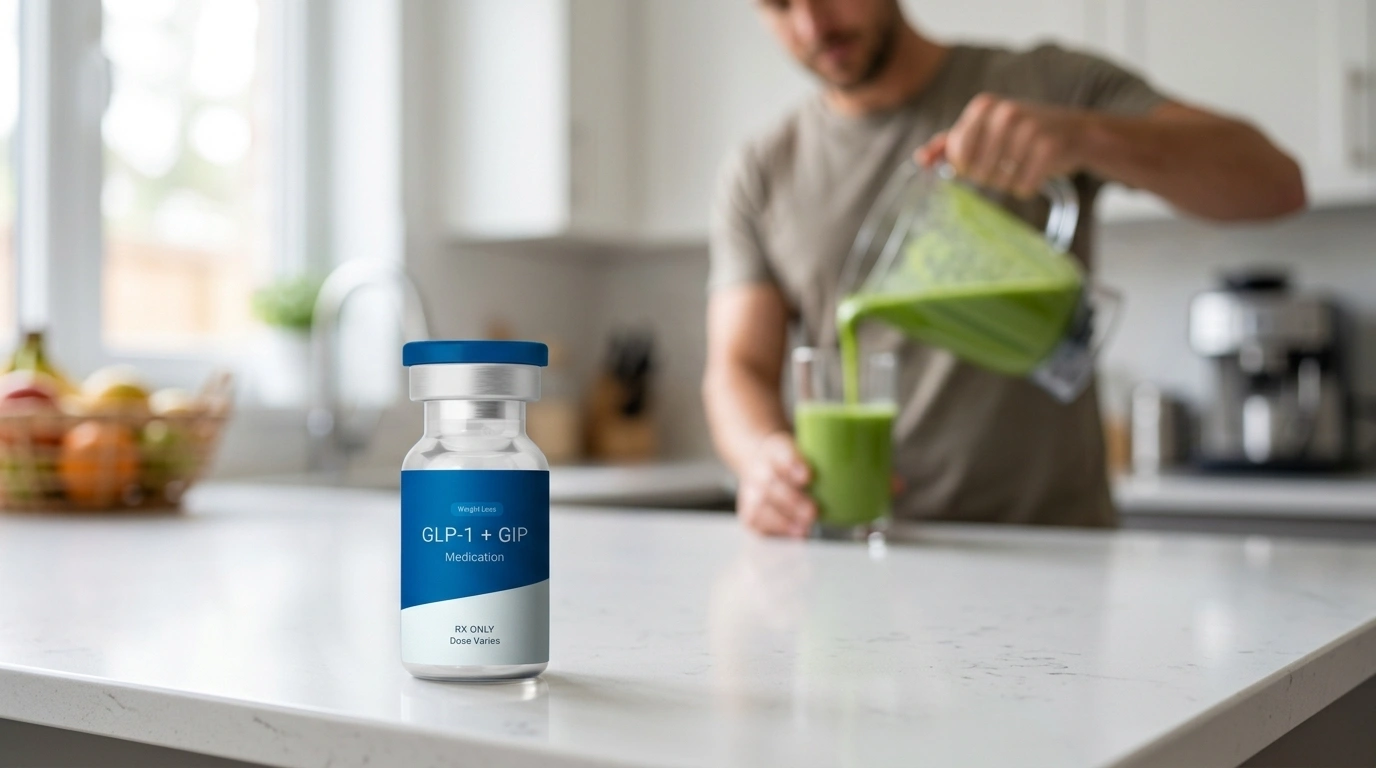
To understand why fiber is so important, it helps to understand how your medication works. Zepbound (tirzepatide) is a dual receptor agonist. This means it mimics two natural hormones in your body: glucagon-like peptide-1 (GLP-1) and glucose-dependent insulinotropic polypeptide (GIP). These hormones do several things, including signaling your brain that you are full and slowing down the speed at which food leaves your stomach.
This process, known as delayed gastric emptying, is a primary reason why the medication is so effective for weight loss. You feel satisfied for much longer after eating smaller portions. However, because food moves more slowly through your digestive tract, your gut has more time to absorb water from your stool. This can lead to one of the most frequent side effects: constipation. For a deeper look at that connection, see why Zepbound can cause constipation.
Quick Answer: Yes, you should generally aim for a high-fiber diet while on Zepbound to prevent constipation and support metabolic health. However, you should increase your intake gradually and prioritize hydration to avoid bloating.
The Vital Role of Fiber During Weight Loss
Fiber is a type of carbohydrate that your body cannot digest. Unlike other carbs that are broken down into sugar molecules, fiber passes through your system relatively intact. While it doesn’t provide calories, it provides essential “work” for your intestines.
Preventing and Managing Constipation
When digestion slows down, the risk of constipation increases. Fiber adds bulk to your stool and, depending on the type, helps it retain moisture. This makes the stool softer and easier to pass. For those on a GLP-1 or GIP medication, fiber acts as a natural regulator to keep things moving at a healthy pace.
Enhancing Satiety
While your medication is already working to curb your appetite, fiber provides an extra layer of support. High-fiber foods take longer to chew and occupy more space in the stomach, which can further enhance that feeling of fullness. This makes it easier to stick to a reduced-calorie meal plan without feeling deprived.
Stabilizing Blood Sugar
Fiber, particularly the soluble variety, slows the absorption of sugar into your bloodstream. This helps prevent the “spikes and crashes” that can lead to cravings or feelings of irritability. For individuals managing metabolic health, this is a crucial secondary benefit.
Different Types of Fiber: Which Is Best?
Not all fiber is created equal. When you are on a medication like Zepbound, understanding the difference between soluble and insoluble fiber can help you manage side effects more effectively.
Soluble Fiber
Soluble fiber dissolves in water to form a gel-like substance. It is excellent for softening stool and slowing down the absorption of glucose.
- Best sources: Oats, peas, beans, apples, citrus fruits, carrots, and barley.
- Why it helps: It is generally gentler on the stomach and can help manage both constipation and occasional diarrhea by adding consistency to the stool.
Insoluble Fiber
Insoluble fiber does not dissolve in water. It helps move material through your digestive system and adds bulk to the stool.
- Best sources: Whole-wheat flour, wheat bran, nuts, beans, and vegetables like cauliflower, green beans, and potatoes.
- Why it helps: It acts like a “broom” for your intestines. However, if you are already very constipated and not drinking enough water, too much insoluble fiber can sometimes make the problem feel worse.
Key Takeaway: A balance of both soluble and insoluble fiber is ideal. Soluble fiber helps with consistency and blood sugar, while insoluble fiber ensures regular movement through the digestive tract.
How to Safely Increase Fiber While on Zepbound
The most common mistake people make is increasing their fiber intake too quickly. If your body isn’t used to high levels of fiber, and you suddenly double your intake while on a medication that slows digestion, you may experience significant bloating, gas, and abdominal cramping.
The “Start Low and Go Slow” Rule
If you currently eat a low-fiber diet, try adding just 5 grams of fiber per day for the first week. This might look like adding a small apple with the skin on or a half-cup of black beans to your lunch. Give your gut bacteria time to adjust to the new workload.
The Golden Rule of Hydration
Fiber needs water to work. Without adequate hydration, fiber can actually lead to a “backup” in your system, making constipation worse. If you are increasing your fiber, you must also increase your water intake.
Managing the Adjustment Period
When you first start your treatment or increase your dose, your stomach may be extra sensitive. During these transition weeks, you might find that cooked vegetables are easier to digest than large, raw salads. Steaming your broccoli or carrots breaks down some of the tougher fibers, making them more manageable for a slow-moving digestive tract.
Fiber Sources That Are Gentle on the Stomach
When your appetite is suppressed, you want every bite to count. Choosing nutrient-dense, fiber-rich foods ensures you get the benefits without feeling overstuffed.
Top Fiber-Rich Foods to Include:
- Berries (Raspberries and Blackberries): These are among the highest-fiber fruits and are packed with antioxidants.
- Chia Seeds: A single tablespoon contains about 5 grams of fiber. They are easy to stir into yogurt or smoothies.
- Lentils and Chickpeas: These provide both fiber and the protein necessary to maintain muscle mass during weight loss.
- Avocados: A great source of both healthy fats and fiber, which helps keep you satisfied.
- Quinoa: A whole grain that is also a complete protein source.
Foods to Approach With Caution:
- Cruciferous Vegetables: Broccoli, cabbage, and Brussels sprouts are very healthy but can cause significant gas in some people.
- Highly Processed “Fiber Bars”: Some snacks are fortified with “isolated fibers” like chicory root or inulin. While these count toward your daily total, they are notorious for causing gas and bloating in sensitive individuals.
Should You Use Fiber Supplements?
Many people find it difficult to reach the recommended daily intake of 25 to 35 grams of fiber through food alone, especially when their appetite is significantly reduced by Zepbound. In these cases, a supplement can be a helpful tool.
Common Supplement Options
- Psyllium Husk: This is a soluble fiber that is very effective for treating constipation. It’s the active ingredient in many over-the-counter powders.
- Methylcellulose: A synthetic fiber that is less likely to cause gas than psyllium.
- Wheat Dextrin: A soluble fiber that can be easily stirred into coffee or water without changing the texture.
When to Take Supplements
If you choose to use a fiber supplement, take it with a full glass of water. Some people find that taking it in the evening helps with a morning bowel movement, while others prefer to split the dose throughout the day to keep their digestion steady.
Note: Always consult with a licensed healthcare provider before starting new supplements, especially if you are taking other medications or have underlying digestive conditions.
Balancing Fiber with Other Nutrients
While fiber is the star of digestive health, it shouldn’t work alone. To get the best results from your weight loss program, you need to balance fiber with two other pillars: protein and healthy fats.
The Importance of Protein
When you lose weight quickly, your body may try to burn muscle for energy instead of just fat. Consuming enough protein—usually between 60 and 90 grams a day for most adults—helps protect your lean muscle mass. This keeps your metabolism high. Pairing a high-fiber vegetable with a lean protein like chicken, fish, or tofu is the gold standard for a GLP-1 friendly meal.
The Role of Healthy Fats
Fats like those found in olive oil, nuts, and salmon help with the absorption of certain vitamins. They also act as a natural lubricant for the digestive system. A small amount of healthy fat can help fiber move more smoothly through your intestines.
Managing Common Side Effects Through Diet
If you are experiencing specific side effects while on Zepbound, your fiber and food choices can help mitigate the discomfort.
For Nausea
If you feel nauseated, high-fiber, heavy meals may feel overwhelming. Switch to bland fiber sources. Small amounts of whole-wheat toast or a plain baked potato with the skin can provide fiber without the strong smells or heavy fats that trigger nausea.
For Diarrhea
While constipation is more common, some individuals experience the opposite. In this case, you should focus on soluble fiber (like oats and bananas), which can help absorb excess water in the colon and firm up the stool. Avoid roughage like large raw salads until the symptoms subside.
For Heartburn and Acid Reflux
Slow digestion can sometimes cause stomach acid to back up. Avoid eating high-fiber meals right before bed. Give yourself at least two to three hours to digest before lying down.
A Typical Day of Fiber-Rich Eating on Zepbound
Since your appetite is likely lower, focus on small, frequent, nutrient-dense meals. Here is an example of how to hit your fiber goals without feeling overfull:
- Breakfast: Greek yogurt with a quarter-cup of raspberries and a teaspoon of chia seeds (Approx. 5g fiber).
- Lunch: A small bowl of lentil soup with a side of steamed spinach (Approx. 8g fiber).
- Snack: A medium apple with a small handful of almonds (Approx. 6g fiber).
- Dinner: 4 ounces of grilled salmon with a half-cup of quinoa and roasted asparagus (Approx. 7g fiber).
- Daily Total: 26 grams of fiber.
This layout provides a solid foundation for gut health while ensuring you get the protein and nutrients your body needs to thrive during weight loss.
The TrimRx Approach to Sustainable Weight Loss
We believe that weight loss is about more than just a number on a scale; it is about how you feel every day. At TrimRx, we focus on providing a telehealth-first experience that prioritizes your comfort and long-term health. Our programs are designed to be comprehensive, ensuring that as your body changes, you have the support and guidance necessary to manage side effects like digestive shifts.
By choosing a personalized program, you gain access to clinical expertise that helps you navigate these dietary choices. Whether it is adjusting your fiber intake or fine-tuning your protein goals, our platform connects you with the tools you need to succeed without the guesswork.
Step-by-Step: Managing Fiber and Digestion
If you are just starting your journey or are currently struggling with digestion on Zepbound, follow these steps:
- Step 1: Track your current intake. Use a simple app or a notebook for three days to see how many grams of fiber you are actually eating.
- Step 2: Increase water first. Before you add fiber, ensure you are drinking enough water. Aim for a consistent baseline of hydration.
- Step 3: Add one high-fiber food daily. Instead of changing every meal, start by changing one. Replace white rice with quinoa or add a berry snack.
- Step 4: Monitor your symptoms. Notice how your body reacts over the next 48 hours. If you feel good, add a bit more the following week.
- Step 5: Consult your provider. If you go more than three days without a bowel movement or experience severe pain, reach out to your healthcare specialist immediately. If you are ready to see whether a prescription program fits your needs, you can complete the free assessment.
Why Personalized Support Matters
Every body reacts differently to GLP-1 and GIP medications. While one person might thrive on a very high-fiber diet, another might find it causes too much bloating. This is why a “one-size-fits-all” approach to weight loss often fails.
Through our platform, we emphasize the importance of tailoring your lifestyle to your body’s specific signals. We provide the clinical connection to medications that may be part of a personalized plan, but we also advocate for the nutritional foundations that make these medications work better. If you want a broader look at digestive side effects, tirzepatide side effects and how to manage them is a helpful companion read.
Bottom Line: Fiber is an essential ally in your weight loss journey on Zepbound. It prevents constipation, keeps you full, and stabilizes blood sugar. The key is to increase it slowly and always drink plenty of water.
Conclusion
Navigating the world of weight loss medications can feel complex, but focusing on foundational habits like fiber intake can make a world of difference. Fiber is more than just a digestive aid; it is a tool that helps you stay comfortable and satisfied as your body undergoes significant metabolic changes. By being intentional about your food choices and listening to your body’s cues, you can minimize side effects and focus on the progress you are making.
At TrimRx, our mission is to empower you with the science, empathy, and personalized care you deserve. We believe that sustainable weight loss happens when clinical expertise meets a supportive, manageable lifestyle. If you are ready to take the next step in your health journey, our team is here to guide you every step of the way. You can see if you qualify for a personalized program whenever you are ready.
Next Step: Are you curious if a personalized weight loss program is right for you? Take our free assessment quiz to explore your options and start your journey toward a healthier, more vibrant life.
FAQ
Does fiber help with Zepbound nausea?
While fiber itself doesn’t directly stop nausea, it helps prevent constipation, which can often make nausea worse. Keeping your digestive system moving regularly can reduce the overall feeling of “fullness” or “heaviness” that often contributes to a queasy stomach.
Can I take Metamucil while on Zepbound?
Yes, many people find that a psyllium-based supplement like Metamucil is very helpful for maintaining regularity. However, because Zepbound slows down your stomach, it is vital to take any fiber supplement with a large amount of water to ensure it moves through your system properly. For more context on bowel regularity, can you take a laxative on Zepbound is a useful read.
What are the best high-fiber foods that won’t cause bloating?
Cooked vegetables, such as carrots, green beans, and zucchini, are often easier on the stomach than raw, cruciferous vegetables like broccoli. Soluble fiber sources like oatmeal and berries are also generally well-tolerated and less likely to cause significant gas. If you are looking at fiber in the context of GLP-1 treatment, can you take fiber with semaglutide covers the same digestive principles in more detail.
How much fiber should I aim for daily on a GLP-1?
Most healthcare professionals recommend that adults aim for 25 to 35 grams of fiber per day. If your appetite is low, you may need to focus on fiber-dense foods or supplements to reach this goal without feeling uncomfortably full. If you are still deciding whether a supervised program is a fit, take the free assessment quiz to learn what comes next.
Disclaimer: This content is for informational purposes only and does not constitute medical advice. It is not intended to diagnose, treat, cure, or prevent any disease or condition. Individual results may vary. Always consult a qualified healthcare professional before starting any weight loss program or medication.

Transforming Lives, One Step at a Time
Keep reading

Why Is There a Bruise Where I Injected My Zepbound?
A bruise means a small blood vessel was disturbed under the skin and blood spread into the surrounding tissue. It is one of the…

My Zepbound Pen Won’t Click Past a Certain Dose
Start by checking which device you are holding, because the answer depends entirely on that. Zepbound has commonly been supplied in the United States…

Zepbound Alternatives: Your Options Compared
If Zepbound isn’t the right fit, the main alternative is semaglutide (sold as Wegovy), which produces slightly less weight loss but works similarly, along…


