Does Compounded GLP-1 Expire?
Introduction
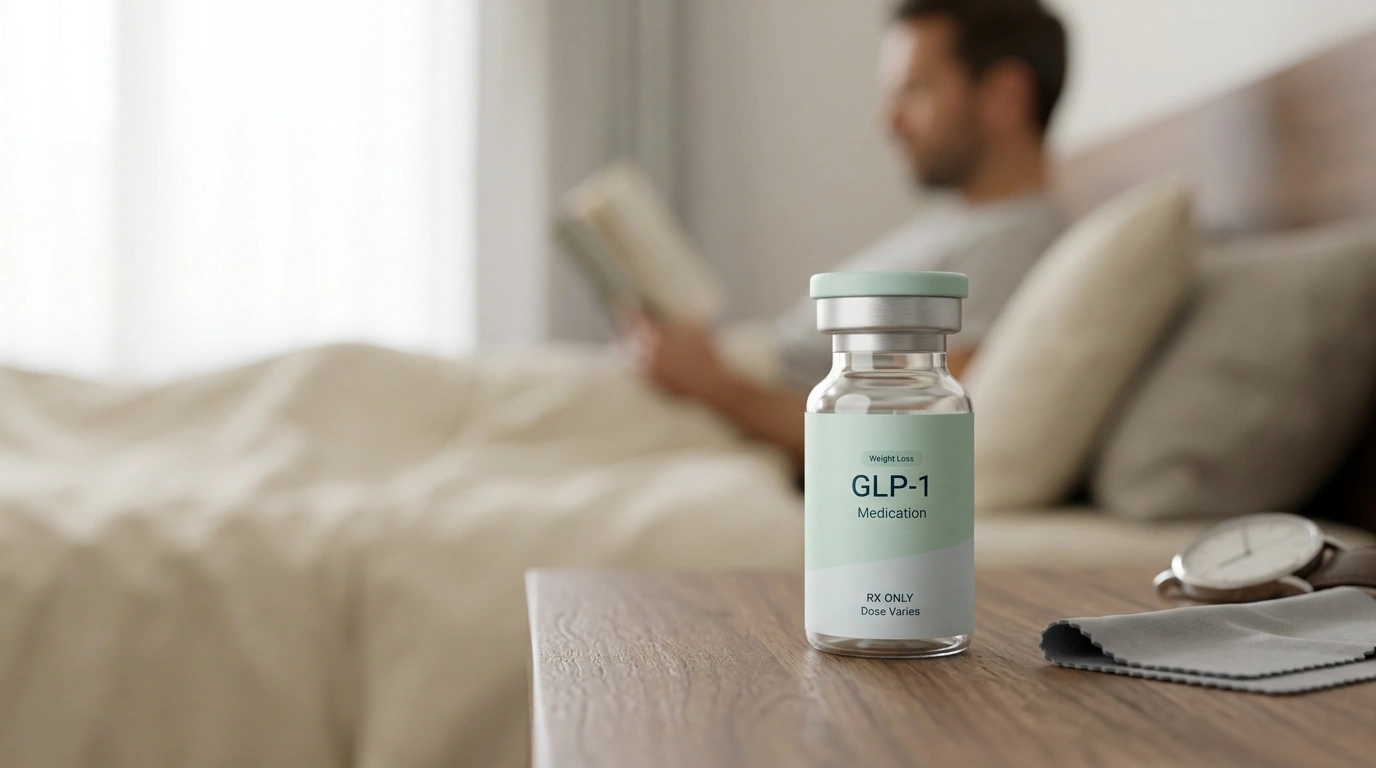
Finding a rhythm in your weight loss journey often involves managing medications that require specific care, and it is natural to feel a bit of uncertainty when you look at a vial in your refrigerator. You might wonder if that remaining liquid is still potent or if it has reached a point where it is no longer safe to use. At TrimRx, we believe that understanding the nuances of your treatment is essential for both your safety and your success. Compounded GLP-1 medications, such as compounded semaglutide or compounded tirzepatide, do indeed have a limited shelf life. Unlike mass-produced pills in a blister pack, these are specialized preparations that require careful handling. This post covers the science behind medication stability, how to identify your “Beyond Use Date,” and the best practices for ensuring your program remains effective and safe. Proper storage and timing are the foundations of a successful metabolic health journey.
If you are considering prescription GLP-1 treatment, you can complete a free eligibility assessment to discuss whether a personalized program may be appropriate for you.
Understanding the Shelf Life of Compounded GLP-1
When discussing whether a medication expires, it is important to distinguish between a standard expiration date and a Beyond Use Date (BUD). For many people, these terms seem interchangeable, but in the world of pharmacy, they carry different weights. A standard expiration date is typically found on branded medications like Ozempic®, Wegovy®, Mounjaro®, or Zepbound®. These products are manufactured in large batches and have undergone extensive stability testing to determine exactly how long they remain potent under specific conditions.
Compounded medications are different. Because they are prepared by a licensed pharmacist in an FDA-registered, inspected compounding pharmacy to meet specific patient needs or address shortages, they are assigned a Beyond Use Date. This date is the “limit” after which the medication should not be used. It is calculated based on the date the medication was compounded and the stability of the ingredients used in the formulation.
For additional context about dating, refrigeration, and in-use timelines, read this guide to compounded semaglutide storage and shelf life.
Quick Answer: Yes, compounded GLP-1 medications expire. They are assigned a Beyond Use Date (BUD) by the compounding pharmacy, which typically ranges from 28 to 90 days depending on the formulation and whether the vial has been opened.
The Science of Peptide Stability
To understand why these medications expire, we must look at what they are made of. GLP-1 receptor agonists, such as semaglutide and tirzepatide, are peptides. A peptide is a short chain of amino acids—essentially a small protein. Because of their chemical structure, peptides are delicate. They are held together by bonds that can be broken down by environmental factors.
When a peptide “expires,” it is usually undergoing a process called degradation. This means the molecules are physically changing shape or breaking apart. For a GLP-1 medication to work, the peptide must be the exact right shape to click into the receptors in your body that regulate appetite and blood sugar. Once the shape changes due to age, heat, or light, the medication loses its “key,” and it can no longer “unlock” the metabolic benefits you are seeking.
Beyond Use Date vs. Expiration Date
The Beyond Use Date is a conservative estimate of how long the medication will remain stable and sterile. Compounding pharmacies follow strict guidelines, often referred to as USP 797 or USP 795 standards, to determine these dates.
Factors that influence the BUD include:
- The nature of the drug itself (peptides are more sensitive than many other drugs).
- The presence of preservatives in the vial.
- The type of container used to hold the medication.
- The storage conditions (refrigerated vs. room temperature).
- The risk of microbial growth once the vial is punctured.
While a branded medication might have an expiration date a year or two in the future, a compounded GLP-1 preparation will have a much shorter window. This ensures that you are always using a product that meets the highest standards for potency and cleanliness.
Why Sterility Matters After Opening
One of the most critical aspects of GLP-1 expiration is the “28-day rule.” Many multi-dose vials are formulated with a preservative meant to keep the liquid sterile. However, every time you insert a needle into the rubber stopper of a vial, you introduce a tiny amount of air and a potential opportunity for environmental contaminants to enter.
Research suggests that even with preservatives, the risk of bacterial growth increases significantly after a vial has been open for 28 days. This is why many healthcare providers and pharmacists recommend discarding a vial 28 days after the first puncture, even if there is still medication left inside and the Beyond Use Date on the label has not yet passed.
For a closer look at in-use dating and related storage considerations, review this article about how long compounded semaglutide lasts in the refrigerator.
Key Takeaway: Potency and sterility are the two primary reasons for expiration. A medication may look clear but could have lost its strength or developed microscopic bacterial growth if used past its recommended date.
How to Find the Expiration Date on Your Medication
Every prescription sent through the TrimRx platform comes from an FDA-registered compounding pharmacy and includes clear labeling. When you receive your shipment, the first thing you should do is locate the label on the vial or the outer packaging.
Look for the following terms:
- BUD (Beyond Use Date): This is the ultimate “do not use after” date.
- Compounded Date: The date the pharmacist actually prepared the medication.
- Discard After: Some pharmacies use this phrasing to make it clear when the product should be thrown away.
If you cannot find a date on the label, or if the label has become smudged or unreadable, it is always safer to contact your provider or the pharmacy directly before administering a dose. Using a medication with an unknown age is a risk to your health and your progress.
The Role of Temperature in Preservation
Storage is perhaps the single most important factor in whether your compounded GLP-1 lasts until its expiration date. These medications are “cold-chain” products, meaning they must be kept refrigerated from the moment they are created until they are used.
Ideally, your medication should be stored between 36°F and 46°F (2°C to 8°C). If the medication gets too warm, the peptides will begin to break down much faster than the label suggests. Conversely, you should never freeze your GLP-1 medication. Freezing can cause the peptides to “denature” or break apart completely, making the medication useless.
For more practical guidance, read about storing compounded semaglutide or tirzepatide at home.
Tips for proper storage:
- Store the vial in the middle of the refrigerator, not in the door where the temperature fluctuates.
- Keep the vial in its original box to protect it from light.
- If you are traveling, use a dedicated insulated travel cooler with a small ice pack, ensuring the vial does not directly touch the ice.
Risks of Using Expired Compounded GLP-1
If you discover that your medication has expired, you might be tempted to use it anyway, especially if you have a significant amount left. However, there are two primary risks involved in using expired GLP-1 receptor agonists.
Loss of Efficacy
The most common outcome of using expired medication is that it simply doesn’t work as well. As the peptides degrade, the concentration of the “active” drug decreases. If you are supposed to be taking a 0.5mg dose of semaglutide, but the medication has expired, you might only be receiving the equivalent of 0.2mg or less. This can lead to a return of “food noise,” increased appetite, and a plateau in your weight loss.
Safety and Contamination
The second risk is more serious. Over time, the chemical stabilizers and preservatives in the vial lose their effectiveness. This can allow for the growth of bacteria or fungi. Since GLP-1 medications are injected subcutaneously (under the skin), injecting a contaminated solution could lead to skin infections, abscesses, or more systemic health issues.
Signs Your Medication May Have Gone Bad
While you should always follow the date on the label, there are some physical signs that a medication has degraded prematurely due to poor storage.
Visible Red Flags:
- Cloudiness: Compounded semaglutide and tirzepatide should be clear and colorless. If the liquid looks “milky,” “cloudy,” or has “floaties” (particulates) in it, do not use it.
- Color Changes: If the liquid has turned a yellowish or brownish tint, this is a sign of chemical oxidation.
- Changes in Consistency: If the liquid seems thicker or more “stringy” than usual, the proteins may have denatured.
If you notice any of these changes, even if the medication is well within its Beyond Use Date, it is best to err on the side of caution and dispose of the vial properly.
Managing Your Supply and Reordering
One of the benefits of a structured program like the one offered by us is the consistency of care. To ensure you never have to worry about using expired medication, we emphasize a streamlined reordering process.
How to stay on track:
- Note the First Use: When you first puncture a new vial, write the date on the box or in a calendar. This helps you track the 28-day window for sterility.
- Check Your Dates Weekly: Before your weekly injection, take a quick look at the BUD on the vial.
- Communication is Key: Through our platform, you have 24/7 access to a dedicated team. If you have concerns about the appearance of your medication or your shipment was delayed in the heat, you can get professional guidance immediately.
If you are exploring whether a supervised prescription program is right for you, find out if you qualify for a personalized program.
Bottom line: Compounded GLP-1 medications have a specific shelf life defined by a Beyond Use Date. To ensure maximum potency and safety, always store the medication in the refrigerator and discard any remaining liquid 28 days after the first use or once the BUD is reached.
The Importance of Professional Supervision
Navigating the technical side of weight loss medications can feel overwhelming. This is why a telehealth-first approach is so valuable. You aren’t just receiving a prescription; you are joining a managed program where medical professionals oversee your progress and the quality of your treatment.
At TrimRx, our personalized programs are designed to take the guesswork out of the process. From the initial free assessment quiz to the regular delivery of freshly compounded medications, every step is built around safety and efficacy. By working with licensed providers and FDA-registered pharmacies, we ensure that your medication is potent, sterile, and ready to support your goals.
How to Properly Dispose of Expired GLP-1
If you have a vial that has expired or has been open for more than 28 days, you should dispose of it safely. Do not pour it down the sink or flush it down the toilet.
Steps for safe disposal:
- Sharps Container: The used needles should always go into an FDA-cleared sharps container. If you do not have one, a heavy-duty plastic container (like a laundry detergent bottle) with a tight-fitting lid can serve as an alternative.
- Vial Disposal: The vial itself can usually be placed in the sharps container or disposed of according to your local household hazardous waste guidelines.
- Label Removal: To protect your privacy, remove or black out your personal information from the prescription label before throwing the box away.
Maintaining Your Momentum
Weight loss is a journey of consistency. Using expired or ineffective medication can disrupt your progress and lead to frustration. By respecting the shelf life of your compounded GLP-1, you are respecting your body and the investment you are making in your health.
Key Takeaway: Effective weight loss requires potent medication. Checking Beyond Use Dates and following strict storage protocols ensures that every dose you take is working at its full potential to help you reach your metabolic health goals.
The TrimRx Approach to Medication Quality
We understand that you want to feel confident in the tools you use to manage your health. Our mission is to provide a transparent, science-backed path to sustainable weight loss. By connecting you with licensed providers who understand the complexities of metabolic health and pharmacies that adhere to rigorous standards, we help you focus on the lifestyle changes that matter most.
Whether you are just starting out or are looking for a more personalized level of support, we are here to guide you. Our program includes everything from the initial consultation to the regular delivery of medication, so you never have to navigate the complexities of expiration dates or storage alone.
Summary of Best Practices for GLP-1 Longevity
To get the most out of your treatment program, keep these steps in mind:
- Refrigerate Immediately: As soon as your package arrives, place the medication in the refrigerator.
- Protect from Light: Keep the vial in its original box.
- Monitor the Date: Always check the BUD before your weekly dose.
- Discard When Necessary: Follow the 28-day rule for opened vials to ensure sterility.
- Consult Experts: If you are ever in doubt, reach out to the specialists through our platform for a quick answer.
FAQ
How long does compounded semaglutide last in the fridge?
Generally, compounded semaglutide remains stable in the refrigerator for the duration of the Beyond Use Date (BUD) provided by the pharmacy, which is often between 30 and 90 days. However, once the vial is punctured with a needle, most medical professionals recommend discarding it after 28 days to ensure it remains sterile and free of bacteria. Always check the specific label on your vial for the most accurate guidance from the compounding pharmacist.
What happens if I accidentally use expired compounded GLP-1?
If you use expired medication, the most likely outcome is that the dose will be less effective, which may lead to an increase in hunger or a plateau in weight loss. There is also a small risk of infection or irritation at the injection site if the medication has lost its sterility over time. If you realize you have used expired medication, monitor the injection site for redness or swelling and contact your healthcare provider to discuss how to stay on track with your dosing schedule.
Can I still use my medication if it was left out of the fridge overnight?
Peptide medications like semaglutide and tirzepatide are sensitive to heat. If the medication was left at room temperature for a few hours, it is likely still safe to use, but if it was left out overnight or in a hot environment, the potency may be compromised. You should look for physical signs of degradation like cloudiness or color changes and contact the support team or your pharmacist to determine if a replacement is necessary.
For more storage guidance related to accidental temperature exposure, read how long compounded semaglutide can stay out of the fridge.
Why is the expiration date on compounded medication shorter than branded versions?
Branded medications like Wegovy® or Zepbound® are manufactured in large-scale facilities and undergo years of stability testing to earn a long shelf life. Compounded medications are prepared in smaller batches for individual needs, and because they are not mass-produced with identical long-term testing for every possible variation, pharmacies assign a more conservative Beyond Use Date (BUD). This shorter window ensures that the patient receives a product that is guaranteed to be at peak potency and safety.
If you are ready to discuss whether prescription GLP-1 treatment may be appropriate for you, take the free assessment quiz.
Disclaimer: This content is for informational purposes only and does not constitute medical advice. It is not intended to diagnose, treat, cure, or prevent any disease or condition. Individual results may vary. Always consult a qualified healthcare professional before starting any weight loss program or medication.

Transforming Lives, One Step at a Time
Keep reading
Weight Loss Progress Tracker
Track your weight loss over time, see progress clearly, and stay motivated with simple charts, summaries, and goal-based insights.
How to Create a Personalized Adherence Plan
Build a one-page GLP-1 adherence plan: record dose, pick a weekly time, set reminders, log side effects, and review monthly.

Weight Loss Medication Dosage Calculator
Estimate weight loss medication doses by weight and drug type, with starting guidance, dose progression info, and a clear medical disclaimer.


