Is It Best to Take Zepbound on an Empty Stomach?
Introduction
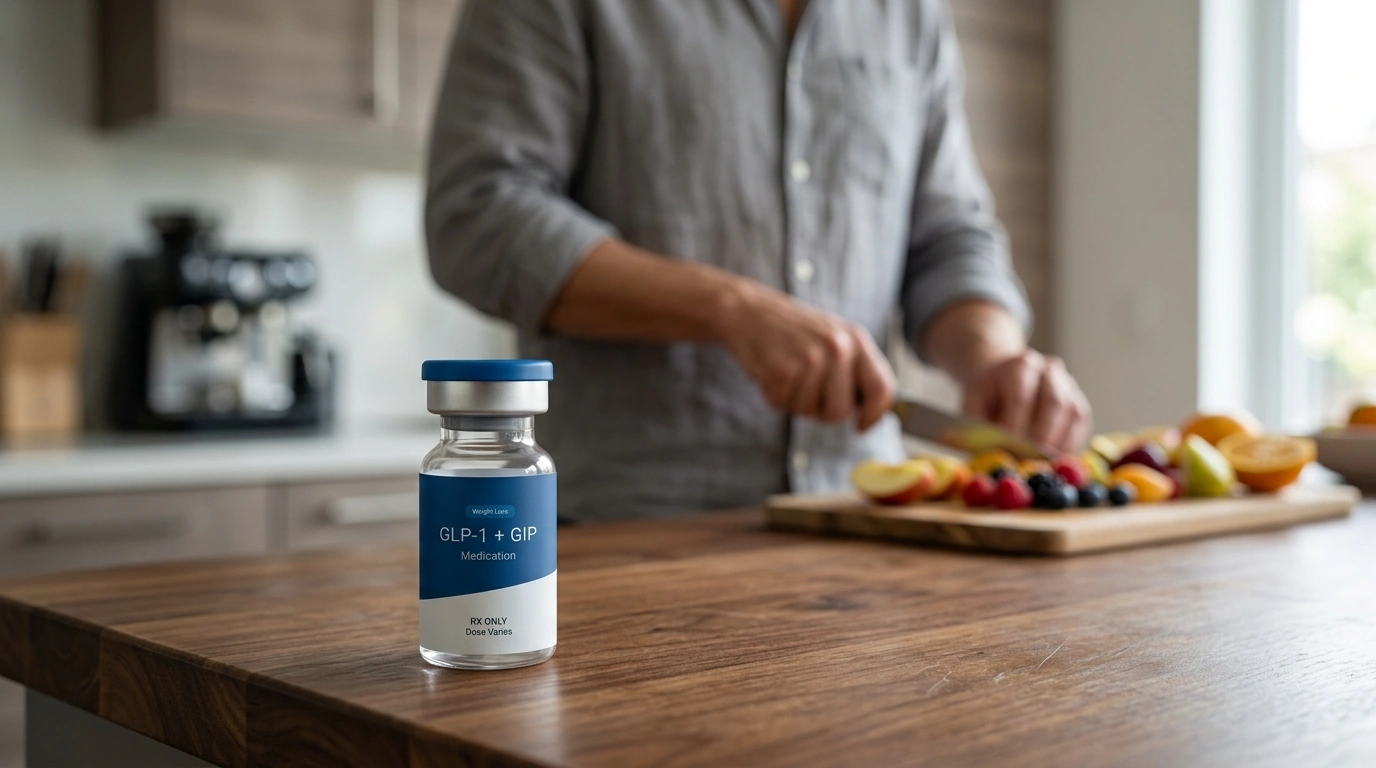
Starting a new medication often brings a wave of questions, especially when it involves an injectable treatment like Zepbound®. You might find yourself standing in your kitchen, holding your injection pen, and wondering if you should have eaten breakfast first or if waiting until your stomach is empty will make the medication more effective. At TrimRx, we understand that these small details can feel overwhelming when you are focused on reaching your health goals. This post will clarify the clinical recommendations regarding food intake, explain how the medication interacts with your digestive system, and provide practical tips for managing your weekly routine. We aim to provide you with the clarity needed to feel confident in your treatment plan. The short answer is that while food intake does not impact the medication’s effectiveness, your personal comfort may dictate a different approach.
Can You Take Zepbound on an Empty Stomach?
Zepbound® can be taken at any time of day, with or without food. Clinical guidelines for tirzepatide (the active ingredient in Zepbound®) are clear: the presence of food in your stomach does not change how the medication is absorbed or how well it works for weight management. Because the medication is administered via a subcutaneous injection—meaning it is injected into the fatty tissue just under the skin—it enters your bloodstream through your capillaries rather than your digestive tract.
This flexibility is one of the primary benefits of the treatment. You do not have to plan your entire day around a specific mealtime or fast for several hours before your weekly dose. Whether you prefer to take your injection first thing in the morning before your coffee or right before you go to bed, the metabolic impact remains the same. The focus should be on consistency and choosing a time that allows you to remain adherent to your schedule. If you are considering prescription treatment, you can take the free assessment quiz to see whether a personalized program may be appropriate for you.
Quick Answer: You can take Zepbound® on an empty stomach or with a meal. Because it is an injectable medication, food does not interfere with its absorption or effectiveness.
Why Food Intake Doesn’t Affect Absorption
The science behind the injection method explains why your stomach contents are secondary. When you take a pill or a capsule, the medication must survive the acidic environment of your stomach, move into the small intestine, and then be absorbed into the portal vein. In many cases, certain foods or even the presence of any food can block or slow this process. This is common with some thyroid medications or oral versions of other weight-loss drugs.
Tirzepatide is a large molecule called a peptide. It is a dual GIP (glucose-dependent insulinotropic polypeptide) and GLP-1 (glucagon-like peptide-1) receptor agonist. These are hormones that naturally occur in your body to regulate appetite and blood sugar. Because tirzepatide would be broken down by stomach acid if swallowed, it must be injected. Once the medication is in the subcutaneous tissue, it is gradually released into the systemic circulation over several days. This bypasses the “first-pass” metabolism of the liver and the digestive interference of the gut. For additional context, you can read this guide to taking tirzepatide with or without food.
The Role of Gastric Emptying
One interesting factor to consider is that Zepbound® actually slows down your digestion. This process is known as delayed gastric emptying. Because the medication tells your stomach to hold onto food for a longer period, you feel full sooner and stay full longer. This is a primary way the medication helps with weight loss.
Because your stomach is already emptying more slowly, the “timing” of a new dose relative to a meal is less about absorption and more about how your stomach feels. If you have just eaten a very large, heavy meal, and then inject a medication that further slows digestion, you might experience more significant fullness or discomfort. For more nutrition guidance, review these tips for eating after a Zepbound injection.
Managing Nausea: Empty vs. Full Stomach
While food doesn’t change the drug’s efficacy, it can change your experience with side effects. Many people find that their choice of when to eat relative to their injection impacts how they feel during the first 24 to 48 hours. Nausea is the most frequently reported side effect for those starting a GLP-1 or GIP/GLP-1 medication. For a broader overview, read this tirzepatide side effects management guide.
For some, taking the injection on an empty stomach helps prevent the “overly full” feeling that can lead to queasiness. For others, having a small, bland snack—like a few crackers or a piece of toast—can settle the stomach and provide a buffer against the initial onset of the medication. There is no right or wrong answer here; it often requires a bit of personal experimentation during the first few weeks of your program.
Key Takeaway: Food does not change how Zepbound® works, but what you eat can influence how you feel. Focus on light, protein-rich meals on your injection day to minimize potential digestive upset.
Tips for Minimizing Digestive Discomfort
- Avoid high-fat meals: Greasy or fried foods can be harder to digest, especially when your gastric emptying is slowed down.
- Stay hydrated: Dehydration can often mimic or worsen nausea. Drink plenty of water throughout the injection day.
- Prioritize protein: Small, frequent servings of lean protein can help maintain energy levels without overtaxing your digestive system.
- Listen to your body: If you feel full, stop eating. Overeating while on Zepbound® is a common cause of vomiting and severe nausea.
Choosing the Best Day and Time for Your Injection
Consistency is more important than the specific hour you choose. Because the medication has a long half-life, it stays in your system for a full week. Most healthcare providers recommend picking a specific day of the week and sticking to it. This tirzepatide injection timing guide offers additional ideas for choosing a routine.
Morning Injections
Some individuals prefer the morning because it allows them to monitor how they feel throughout the day. If you choose an empty-stomach morning injection, you may find it easier to manage your food intake as the medication begins to peak in your system. This is a common choice for those who have a predictable morning routine.
Evening Injections
Taking the dose in the evening, perhaps an hour or two after a light dinner, is a popular strategy for “sleeping through” the initial side effects. If the medication causes mild fatigue or immediate nausea, being asleep during the first few hours of the dose can be helpful. However, if you are prone to acid reflux, injecting right before lying down might be uncomfortable.
Weekend vs. Weekday
Many patients choose Friday or Saturday for their dose. This allows them to manage any potential side effects over the weekend without interfering with their work schedule. Others prefer a Monday start to help curb “weekend overeating” habits and keep their appetite suppressed during the busiest part of the week.
Common Side Effects and Digestive Health
Most side effects of tirzepatide are gastrointestinal in nature. When you first start the medication or increase your dose, your body must adjust to the higher levels of hormones. These side effects are usually mild to moderate and tend to decrease over time as your body becomes accustomed to the treatment. You can also review this detailed tirzepatide side effects guide for additional information.
Note: If you experience severe abdominal pain, persistent vomiting, or a complete inability to keep fluids down, you should contact a healthcare provider immediately, as these could be signs of a more serious reaction.
Nausea and Vomiting
Nausea is a common side effect as the body adjusts to the slowing of the digestive tract. It is often most noticeable in the first two days after an injection. If vomiting occurs, it is critical to focus on electrolyte replacement to prevent dehydration.
Diarrhea or Constipation
The changes in digestive speed can cause shifts in bowel habits. Some people experience diarrhea as the body reacts to the medication, while others experience constipation because food is moving so slowly through the colon. Increasing fiber intake and staying active can help manage these issues.
Heartburn and Acid Reflux
Because food stays in the stomach longer, acid can sometimes back up into the esophagus. This is often worsened by lying down too soon after eating or consuming acidic and spicy foods on your injection day.
Understanding Tirzepatide: Branded vs. Compounded
When discussing weight loss medications, it is important to distinguish between branded products and compounded alternatives. Zepbound® is a branded medication produced by a specific manufacturer and has been FDA-approved for chronic weight management. It contains the active ingredient tirzepatide and is delivered via a single-dose autoinjector pen.
In some cases, such as during national medication shortages, patients may seek access to Compounded Tirzepatide. Compounded medications are prepared by a licensed pharmacist in an FDA-registered and inspected compounding pharmacy. These pharmacies combine, mix, or alter ingredients to create a medication tailored to the needs of an individual patient.
It is important to understand that while the pharmacies themselves are regulated and inspected, compounded medications are not “FDA-approved” in the same way that branded medications like Zepbound®, Mounjaro®, Wegovy®, or Ozempic® are. At TrimRx, we connect patients with licensed providers who can determine which form of the medication is appropriate for their specific health profile and goals.
| Feature | Branded Zepbound® | Compounded Tirzepatide |
|---|---|---|
| Active Ingredient | Tirzepatide | Tirzepatide |
| FDA Approval | FDA-approved | Not FDA-approved |
| Source | Single manufacturer | FDA-registered compounding pharmacy |
| Delivery Method | Autoinjector pen | Typically vial and syringe |
| Availability | Subject to retail pharmacy stock | Prepared by compounding specialists |
How to Prepare for Your First Dose
Preparation can reduce anxiety and ensure a smooth experience. Whether you are taking your dose on an empty stomach or after a meal, following a few simple steps can make the process easier.
- Step 1: Check your medication. Ensure the liquid is clear and colorless (or slightly yellow). Do not use the medication if it is cloudy or contains particles.
- Step 2: Choose your site. The best places for injection are the stomach (at least two inches from the belly button), the front of the thighs, or the back of the upper arms.
- Step 3: Clean the area. Use an alcohol swab to clean the skin where you plan to inject. Let it dry completely.
- Step 4: Rotate sites. Never inject into the exact same spot two weeks in a row. Rotating the site helps prevent skin irritation and ensures consistent absorption.
- Step 5: Record the time. Keep a log of what time you took your dose and whether you had eaten. This helps you identify patterns in how you feel so you can adjust your routine for the following week.
Myth: You must take your injection in the stomach for it to work best.
Fact: Clinical studies show that the thigh, arm, and abdomen are all equally effective sites for tirzepatide absorption.
The Role of Personalized Support
A successful weight loss journey involves more than just a weekly injection. While the medication is a powerful tool for metabolic health, it works best when integrated into a personalized program. This includes medical supervision, nutritional guidance, and a supportive team to help you navigate side effects and dose adjustments.
We focus on a telehealth-first approach, removing the barriers of waiting rooms and in-person visits. By completing a free health assessment, you can provide the necessary health history for a licensed provider to review. This ensures that the treatment plan—whether it involves compounded medications or lifestyle changes—is safe and effective for your unique body.
Our platform provides 24/7 access to specialists who understand the nuances of GLP-1 and GIP treatments. Whether you are curious about changing your injection day or need advice on managing a specific side effect, having an empathetic guide makes the process feel less like a clinical hurdle and more like a sustainable lifestyle shift. For readers seeking additional energy support during weight loss, the Weight Loss Boost supplement is another option to explore.
Conclusion
Deciding whether to take Zepbound® on an empty stomach is ultimately a matter of personal preference and physical comfort. Scientifically, the medication’s ability to support weight loss remains unchanged regardless of your meal schedule. By paying attention to how your body responds in the first few weeks, you can develop a routine that minimizes nausea and fits seamlessly into your life. We at TrimRx are committed to providing the science-backed resources and personalized care you need to thrive. Our mission is to help you navigate these choices with confidence, providing a clear path toward long-term metabolic health and sustainable weight loss.
If you are ready to take the next step in your journey, the best place to start is with our free health assessment quiz. This allows a licensed provider to review your profile and determine the best program for your needs.
FAQ
Should I fast before taking my Zepbound injection?
No, fasting is not required before taking your injection. Zepbound® is absorbed through the subcutaneous tissue, and its effectiveness is not impacted by food in your stomach. You may choose to eat a light meal or take it on an empty stomach based on which method makes you feel more comfortable.
Does taking Zepbound at night reduce side effects?
Many people find that taking their injection in the evening helps them sleep through any immediate side effects like mild nausea or fatigue. However, others may experience acid reflux if they lie down too soon after a dose, so it is a good idea to experiment and see what works best for your body.
Can I drink coffee before my injection?
Yes, you can drink coffee or other beverages before your injection. Coffee does not interfere with the medication, though you should be mindful of how caffeine might affect your stomach if you are already prone to nausea or heartburn.
What should I eat on the day of my injection?
It is generally best to focus on light, bland, and protein-rich foods on the day of your injection. Avoiding high-fat, greasy, or very sugary foods can help reduce the risk of digestive upset as the medication begins to work on your system.
Disclaimer: This content is for informational purposes only and does not constitute medical advice. It is not intended to diagnose, treat, cure, or prevent any disease or condition. Individual results may vary. Always consult a qualified healthcare professional before starting any weight loss program or medication.

Transforming Lives, One Step at a Time
Keep reading

Why Is There a Bruise Where I Injected My Zepbound?
A bruise means a small blood vessel was disturbed under the skin and blood spread into the surrounding tissue. It is one of the…
My Zepbound Pen Won’t Click Past a Certain Dose
Start by checking which device you are holding, because the answer depends entirely on that. Zepbound has commonly been supplied in the United States…
Zepbound Alternatives: Your Options Compared
If Zepbound isn’t the right fit, the main alternative is semaglutide (sold as Wegovy), which produces slightly less weight loss but works similarly, along…


