What Medications Can You Not Take With Zepbound?
Introduction
Starting a new weight loss journey is an empowering step toward better metabolic health, but it often comes with a list of practical questions. If you are considering Zepbound®, a common concern is how it might interact with your current prescriptions or daily supplements. Because this medication changes how your body processes food and sugar, it can also change how it absorbs other drugs. At TrimRx, we believe that understanding these interactions is the first step toward a safe and successful experience. Whether you are managing chronic conditions or just curious about your morning vitamin routine, knowing what to avoid is essential. This post covers the specific medications that may conflict with your treatment, the science behind these interactions, and how to safely manage your health while pursuing your weight loss goals.
Quick Answer: You should not take Zepbound® alongside other GLP-1 receptor agonists or medications containing tirzepatide (like Mounjaro®). It also has significant interactions with oral birth control, insulin, and sulfonylureas, which may require dosage adjustments or backup contraceptive methods under the guidance of a healthcare provider.
The Mechanism of Zepbound and Drug Interactions
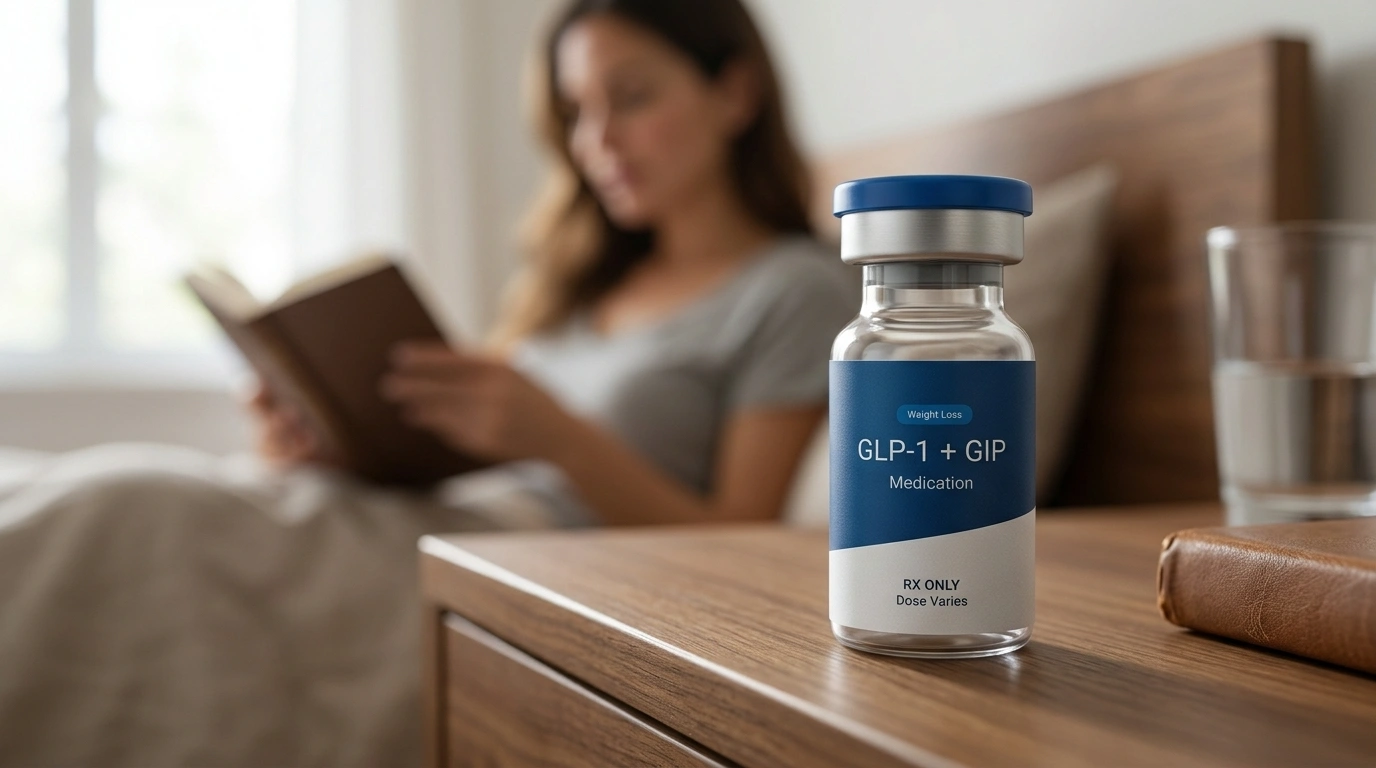
To understand why certain medications conflict with Zepbound®, it is helpful to look at how the drug functions in the body. The active ingredient is tirzepatide, a dual agonist that mimics two natural hormones: glucagon-like peptide-1 (GLP-1) and glucose-dependent insulinotropic polypeptide (GIP). These hormones are responsible for regulating insulin secretion and slowing down the speed at which your stomach empties.
This slowing of the digestive process, known as delayed gastric emptying, is a primary reason why drug interactions occur. When you swallow a pill, it usually moves into the small intestine where it is absorbed into the bloodstream. Because tirzepatide keeps food and medicine in the stomach longer, the absorption of oral medications can be delayed or reduced. While this delay is often minor, it can be clinically significant for medications that need to work quickly or those that require very precise levels in the blood to be effective.
For additional context, read this guide to how GLP-1 medications support weight loss.
Key Takeaway: Most drug interactions with tirzepatide occur because the medication slows down digestion, which can change how quickly or effectively your body absorbs other oral pills.
Oral Birth Control and Zepbound
One of the most critical interactions to monitor involves oral contraceptives (birth control pills). Because Zepbound® slows gastric emptying, there is a risk that your body may not absorb the hormones in the pill effectively, especially during certain phases of your treatment. This could lead to a lower concentration of the medication in your system, potentially increasing the risk of an unplanned pregnancy.
Research suggests that this interaction is most significant when you first start the medication or whenever your dose is increased. Clinical guidance typically recommends that individuals using oral birth control switch to a non-oral method (such as an IUD, implant, or vaginal ring) or use a backup barrier method (like condoms) for at least four weeks after starting treatment and for four weeks after each dose escalation.
If you are considering prescription treatment, complete a free eligibility assessment so a provider can review your current medications and health history.
Why the Timing Matters
The impact on gastric emptying is most pronounced during the initial weeks of a new dosage. As your body adjusts to the medication over several weeks, the rate of stomach emptying may stabilize, but the period of adjustment remains the highest-risk window for reduced contraceptive efficacy.
For a more detailed explanation of timing and backup protection, read this tirzepatide and birth control guide.
Diabetes Medications: Insulin and Sulfonylureas
While Zepbound® is highly effective for weight management, it also lowers blood sugar. If you are already taking medications for Type 2 diabetes, the combination can sometimes lower your blood glucose too much, leading to hypoglycemia (low blood sugar).
The medications most commonly associated with this risk are:
- Insulin: This includes long-acting, rapid-acting, and mixed varieties.
- Sulfonylureas: Common examples include glipizide (Glucotrol XL), glyburide (DiaBeta), and glimepiride (Amaryl).
- Meglitinides: Such as repaglinide or nateglinide.
If you are on these treatments, a healthcare provider may need to lower your dose of insulin or sulfonylureas when you start a weight loss program. Symptoms of hypoglycemia can include dizziness, sweating, confusion, shakiness, and a rapid heartbeat. It is vital to monitor your blood sugar closely if you are combining these treatments.
Medications with a Narrow Therapeutic Index
A “narrow therapeutic index” refers to drugs where a small difference in dose or blood concentration can lead to either treatment failure or serious side effects. Because Zepbound® can unpredictably alter the absorption rate of oral drugs, these specific medications require extra caution and frequent monitoring.
Common examples include:
- Warfarin (Jantoven): A blood thinner used to prevent clots. Changes in absorption can affect your INR levels, which measure how fast your blood clots.
- Cyclosporine: An immunosuppressant often used after organ transplants or for certain autoimmune conditions.
- Theophylline: A medication used for respiratory diseases like asthma or COPD.
- Digoxin: Used for certain heart conditions.
If you take any of these, your doctor will likely want to perform regular blood tests to ensure your levels remain within the safe and effective range while you are on a weight loss program.
Over-the-Counter Drugs and NSAIDs
Many people take over-the-counter (OTC) medications for headaches, pain, or inflammation without realizing they can interact with weight loss injections. Non-steroidal anti-inflammatory drugs (NSAIDs), such as ibuprofen (Advil, Motrin) or naproxen (Aleve), are generally safe to take occasionally, but they can be hard on the stomach.
Since Zepbound® can already cause gastrointestinal side effects like nausea or indigestion, taking high doses of NSAIDs may increase the risk of stomach irritation or ulcers. Additionally, because your stomach empties more slowly, the pain relief from an oral pill might take longer to kick in than you are used to. If you need fast-acting relief, you should discuss alternative options with a medical professional.
Note: If you frequently rely on oral pain relievers, ask your provider if topical treatments or acetaminophen (Tylenol) might be a gentler choice for your digestive system during treatment.
Alcohol and Zepbound
While alcohol is not a medication, it is a substance that can significantly impact your health while on Zepbound®. There are two primary concerns when mixing the two:
- Gastrointestinal Distress: Both alcohol and tirzepatide can cause nausea, vomiting, and dehydration. Combining them can make these side effects much more severe and harder to manage.
- Blood Sugar Fluctuations: Alcohol can interfere with the liver’s ability to release glucose into the bloodstream. When combined with a medication that already lowers blood sugar, the risk of a “crash” or hypoglycemia increases, especially if you haven’t eaten recently.
Many people find that their desire for alcohol decreases while taking GLP-1 or GIP agonists. If you do choose to drink, it is best to do so in moderation and stay well-hydrated.
Supplements, Vitamins, and Herbs
At TrimRx, we often see patients who want to optimize their health with vitamins and herbal supplements. While there are no widely reported “major” interactions between Zepbound® and common vitamins like Vitamin D3 or B12, the principle of delayed absorption still applies.
Herbal Considerations
Some herbal supplements are known to affect blood sugar or digestion. Herbs like fenugreek, bitter melon, or high doses of berberine may have a cumulative effect on blood sugar. Always inform your provider of every supplement you take, even if it is “natural,” as these can still influence your body’s response to your weight loss program.
Myth: “Natural” herbal supplements are always safe to mix with weight loss injections.
Fact: Some herbs can lower blood sugar or irritate the stomach, potentially worsening the side effects of your medication or causing your glucose levels to drop too low.
Contraindications and Health History
Beyond specific drug-to-drug interactions, there are several medical conditions that are considered “contraindications”—meaning the medication should generally not be used because the risk outweighs the potential benefit.
For a related overview, read who may not be able to take Zepbound and why personalized care matters.
Thyroid Health
Zepbound® carries a boxed warning regarding the risk of thyroid C-cell tumors. While this has primarily been observed in animal studies, it is not yet known if it occurs in humans. You should not use this medication if:
- You have a personal or family history of Medullary Thyroid Carcinoma (MTC).
- You have Multiple Endocrine Neoplasia syndrome type 2 (MEN 2).
Pancreatitis and Kidney Health
If you have a history of pancreatitis (inflammation of the pancreas), you should discuss this with a doctor, as GLP-1 medications may increase the risk of recurrence. Additionally, because the medication can cause severe vomiting or diarrhea leading to dehydration, individuals with existing kidney problems must be closely monitored to prevent acute kidney injury.
Managing Interactions with a Personalised Program
Navigating the world of drug interactions can feel overwhelming, but you don’t have to do it alone. This is where a telehealth-based weight loss platform can offer significant value. We believe that weight loss is not a one-size-fits-all journey. Our personalized approach ensures that your medical history, current medications, and health goals are all taken into account before a treatment plan is created.
When you use the TrimRx platform, the process begins with a comprehensive assessment. This allows licensed healthcare providers to screen for potential interactions, such as the birth control concerns or diabetes medication adjustments mentioned earlier. By using a telehealth model, you have 24/7 access to support, meaning you can ask questions about new prescriptions or side effects the moment they arise.
For those who may not be eligible for branded medications like Zepbound®, we connect patients with providers who may prescribe Compounded Tirzepatide. These medications are prepared by FDA-registered, inspected compounding pharmacies. While compounded medications are not FDA-approved, they offer a personalized alternative for many individuals seeking metabolic support.
To learn more about the process, read how to get weight loss medication through a telehealth program.
Steps to Take Before Starting Treatment
If you are ready to begin your journey, following these steps can help ensure your safety:
- Step 1: Create a Full Medication List. Include every prescription, over-the-counter drug, vitamin, and herbal supplement you take. Don’t forget occasional medications like allergy pills or sleep aids.
- Step 2: Complete Your Assessment. Take the free assessment quiz on our platform. This provides the clinical team with the necessary data to evaluate your eligibility and safety.
- Step 3: Discuss Your Contraception. If you use oral birth control, plan for a backup method or discuss switching to a non-oral option with your primary care doctor.
- Step 4: Monitor Your Body. Once you start, pay close attention to how you feel. If you notice symptoms of low blood sugar or extreme digestive upset, contact your specialist team immediately.
Bottom line: Safety in weight loss comes from transparency. By sharing your full health profile with your medical team, you allow them to tailor your program to your body’s specific needs.
Optimizing Your Program with Support
Medication is a powerful tool, but it works best when supported by the right nutrients and lifestyle choices. For some individuals, supplemental support can help manage the transition as the body adjusts to a new metabolic state. We offer quick-access products like GLP-1 Daily Support and Weight Loss Boost, which are designed to complement your journey without requiring a prescription or a quiz. These can be helpful for maintaining nutrient levels and supporting energy as you navigate your new routine.
Remember, the goal of a program like ours is sustainable health. By merging clinical expertise with modern technology, we aim to make the process of medical weight loss transparent and manageable. Whether you are dealing with a BMI over 30 or a BMI over 27 with weight-related health conditions, a supervised program ensures that someone is always watching out for your safety—especially when it comes to complex drug interactions.
Conclusion
Understanding what medications you cannot take with Zepbound® is a vital part of your health journey. From managing the timing of oral birth control to adjusting diabetes medications, being proactive allows you to focus on your results rather than worrying about complications. At TrimRx, our mission is to help you embrace a healthier lifestyle through science, empathy, and a personalized approach that prioritizes your safety at every step.
Key Takeaway: While Zepbound® has several important interactions—particularly with birth control and diabetes medications—these can be managed safely through clinical supervision and a personalized treatment plan.
If you are ready to see if a medically supervised weight loss program is right for you, the next step is simple. We invite you to take our free assessment quiz to explore your options and start your journey toward sustainable metabolic health today.
FAQ
Can I take ibuprofen or Tylenol while using Zepbound?
Yes, you can generally take these over-the-counter pain relievers, but you should be cautious with NSAIDs like ibuprofen if you have a sensitive stomach. Because Zepbound® slows digestion, it may take longer for oral pain medications to start working. If you experience frequent stomach upset, talk to your provider about the best options for pain management.
Will Zepbound make my birth control pill stop working?
Zepbound® can reduce the effectiveness of oral birth control pills because it changes how they are absorbed. It is recommended to use a backup barrier method (like condoms) for four weeks after you first start the medication and for four weeks every time your dose is increased. Alternatively, you may want to discuss switching to a non-oral form of birth control, such as an IUD or patch. For additional guidance, review this Zepbound and birth control safety guide.
Is it safe to drink alcohol while on this medication?
While there is no direct “prohibited” interaction, alcohol can worsen common side effects like nausea and vomiting. It also increases the risk of low blood sugar, especially for those who have diabetes. Most people find it best to limit alcohol consumption and ensure they stay hydrated if they choose to drink.
Can I take my daily vitamins and supplements with Zepbound?
Most vitamins and supplements are safe, but their absorption may be delayed due to slower stomach emptying. It is always important to share your full supplement list with your healthcare provider to ensure there are no hidden risks, especially with herbal products that might affect your blood sugar or kidney function. If you are looking for nutritional support during treatment, explore the GLP-1 Daily Support supplement.
Disclaimer: This content is for informational purposes only and does not constitute medical advice. It is not intended to diagnose, treat, cure, or prevent any disease or condition. Individual results may vary. Always consult a qualified healthcare professional before starting any weight loss program or medication.

Transforming Lives, One Step at a Time
Keep reading

Why Is There a Bruise Where I Injected My Zepbound?
A bruise means a small blood vessel was disturbed under the skin and blood spread into the surrounding tissue. It is one of the…

My Zepbound Pen Won’t Click Past a Certain Dose
Start by checking which device you are holding, because the answer depends entirely on that. Zepbound has commonly been supplied in the United States…
Zepbound Alternatives: Your Options Compared
If Zepbound isn’t the right fit, the main alternative is semaglutide (sold as Wegovy), which produces slightly less weight loss but works similarly, along…


