Can You Take Zepbound While Sick? Safety and Timing Tips
Introduction
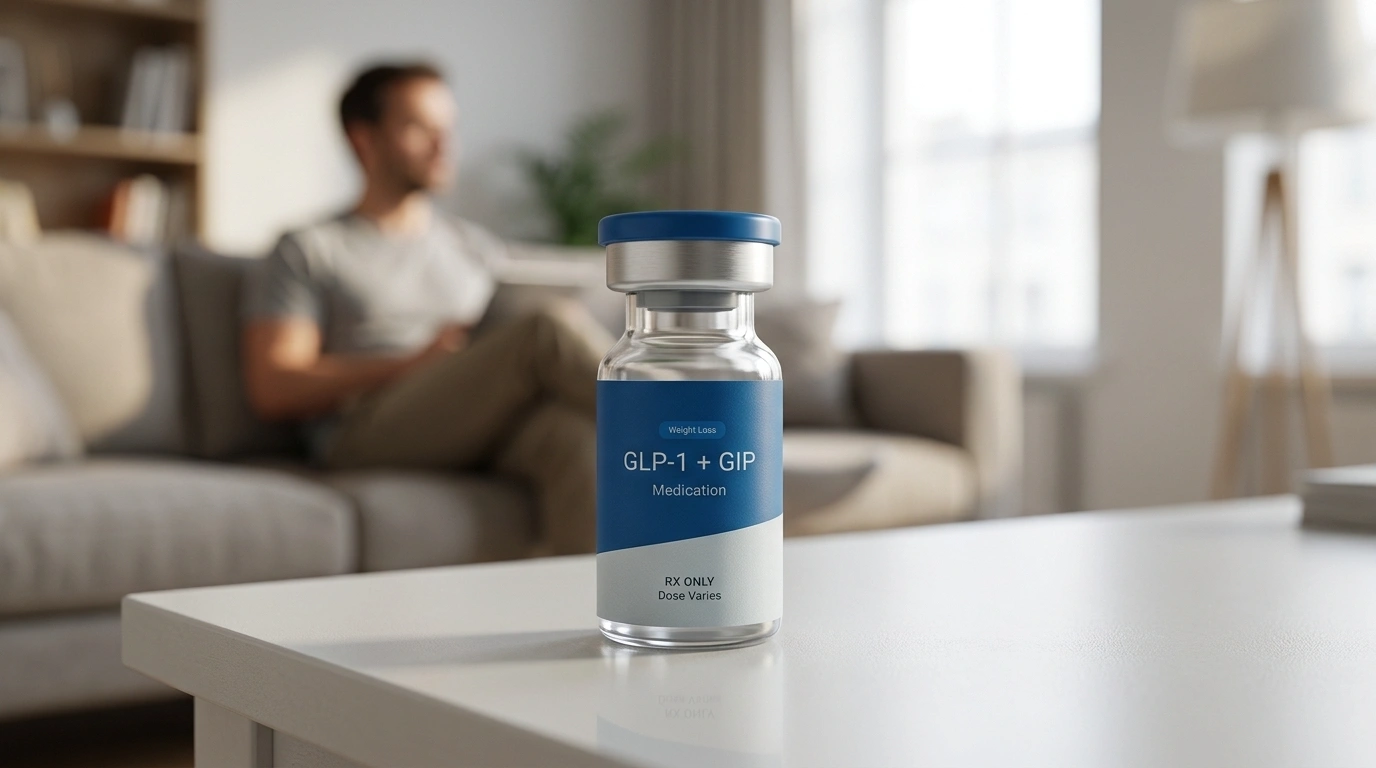
Waking up with a scratchy throat, a fever, or a sour stomach is never ideal, but it feels particularly complicated when it coincides with your scheduled medication day. If you are using a weight loss injection, you might find yourself staring at your pen and wondering: can you take Zepbound while sick? This is a common concern for those on a weight management journey. At TrimRx, we believe that navigating your health should be straightforward, even when you are feeling under the weather.
This article covers how Zepbound® (tirzepatide) interacts with common illnesses, which symptoms should prompt you to delay a dose, and how to manage over-the-counter medications safely. Our goal is to provide clear, science-backed guidance so you can focus on recovery without compromising your long-term progress. Whether you are dealing with a minor head cold or a more significant flu, the way you manage your medication timing depends on your specific symptoms and hydration levels. You can also review this guide on taking Zepbound while you have a cold for additional context.
Understanding Zepbound and the Body’s Immune Response
To understand whether it is safe to take your medication during an illness, it is helpful to look at how the drug works. Zepbound is a dual GIP (glucose-dependent insulinotropic polypeptide) and GLP-1 (glucagon-like peptide-1) receptor agonist. These are hormones naturally found in the body that regulate appetite and blood sugar. By mimicking these hormones, the medication slows down gastric emptying—the rate at which food leaves your stomach—and signals to your brain that you are full.
When you are sick, your body is already under metabolic stress. The immune system requires significant energy to fight off a virus or bacteria. This process can sometimes alter your blood sugar levels or cause temporary changes in your digestion. Because tirzepatide also influences these systems, combining a dose with an active illness requires a bit of extra caution. For more information, see this overview of how tirzepatide works and its common side effects.
Key Takeaway: Zepbound affects how quickly your stomach empties and how your body manages glucose, both of which can be impacted by the physical stress of being sick.
Can You Take Zepbound With a Common Cold?
In most cases, a minor cold—characterized by a runny nose, mild congestion, or a slight cough—is not a reason to skip your medication. If you feel relatively normal otherwise and are able to maintain your usual intake of food and water, continuing your schedule is generally considered safe.
However, even a “minor” cold can sometimes lead to fatigue. Since fatigue is also a known side effect for some people on tirzepatide, you may find that you feel more tired than usual. In this scenario, the primary focus should be on rest.
Monitoring Your Energy Levels
If your cold symptoms are making it difficult to stay upright or if you feel exceptionally weak, it might be worth waiting a day or two until you feel stronger. The medication is designed for long-term use, and a 24-hour delay usually does not interfere with its overall efficacy.
The Role of Hydration
Even with a simple cold, hydration is paramount. GLP-1 medications can sometimes make you less thirsty. When you are sick, your body loses fluids through mucus production or a slightly elevated temperature. You must make a conscious effort to drink water, even if you do not feel the urge.
Managing Zepbound During the Flu or Fever
When a minor cold escalates into a full-blown flu or a high fever, the decision to take your dose becomes more nuanced. A fever is a sign that your body is working hard to fight an infection. This metabolic “work” can lead to increased heart rate and dehydration.
The Risk of Dehydration
Tirzepatide has been associated with gastrointestinal side effects like nausea and diarrhea. If the flu is already causing these symptoms, taking your injection could intensify them. Severe gastrointestinal reactions can lead to dehydration, which in some cases may cause acute kidney injury. This is a serious concern that requires monitoring. Review these tirzepatide side effect and dehydration warning signs if you are experiencing worsening symptoms.
When to Delay for a Fever
If your fever is high (typically over 101°F) or if you are experiencing significant body aches and chills, your body needs to prioritize recovery. Most healthcare providers suggest waiting until your fever has broken and you are able to keep food and fluids down before administering your next dose.
Quick Answer: If you have a mild cold, you can usually take your dose. If you have a high fever, severe body aches, or are struggling to stay hydrated, it is often best to delay the injection until you feel more stable.
The Danger of Gastrointestinal Illness
If your illness involves vomiting or diarrhea—often referred to as the “stomach flu”—you should exercise extreme caution. Because Zepbound already slows down your digestive system, adding a gastrointestinal (GI) virus to the mix can be a recipe for severe discomfort and health risks.
Compounding GI Symptoms
Taking a GLP-1 or GIP agonist while your stomach is already upset can prolong the time it takes for your body to clear the virus. The slowed gastric emptying may cause the virus or associated toxins to stay in your system longer, potentially worsening nausea and vomiting.
Preventing Acute Kidney Injury
The most significant risk during a GI illness is kidney stress. When you are losing fluids through vomiting or diarrhea and are unable to replenish them because of the medication’s appetite-suppressing effects, your kidneys may not receive the blood flow they need to function correctly.
Note: If you cannot keep water down for more than 12 hours, contact a healthcare provider immediately. Do not take your weight loss medication until your GI symptoms have completely resolved.
Interacting with Over-the-Counter Cold Medications
Many people reach for multi-symptom cold and flu liquids or tablets when they feel sick. While these are generally safe, there are specific interactions to keep in mind if you are on a tirzepatide regimen.
Decongestants and Blood Sugar
Many decongestants, such as phenylephrine or pseudoephedrine, can interfere with blood glucose control. These “sympathomimetic” agents can cause a transient increase in blood sugar. Since Zepbound works partly by managing your insulin and glucose response, these medications may slightly reduce the effectiveness of your blood sugar management.
Acetaminophen and Liver Health
Acetaminophen (Tylenol) is the most common fever reducer. It is generally safe to take with Zepbound. However, be cautious with “Daytime Cold & Flu” formulas that combine multiple ingredients. Some of these may contain alcohol or high doses of caffeine, which can exacerbate the nausea or jitteriness sometimes felt with GLP-1 medications.
Delayed Absorption of Oral Meds
Because tirzepatide slows down the rate at which your stomach empties, it can change how your body absorbs oral medications. If you take an oral cold medicine, it might take longer for you to feel the effects. This is particularly important for pain relievers or sleep aids that you want to work quickly.
| Medication Type | Common Examples | Potential Interaction |
|---|---|---|
| Decongestants | Phenylephrine, Pseudoephedrine | May temporarily raise blood sugar levels. |
| Fever Reducers | Acetaminophen, Ibuprofen | May take longer to work due to slow gastric emptying. |
| Cough Suppressants | Dextromethorphan | Generally safe, but may cause increased drowsiness. |
| Combination Syrups | Various Brands | May contain alcohol or sugar; check labels carefully. |
The 4-Day Rule for Missed or Delayed Doses
If you decide to delay your dose because you are sick, you may wonder how long you can wait before it becomes a problem. For Zepbound, there is a specific window for catching up on a missed dose. You can also review this guide on what to do after missing a weekly GLP-1 injection for more timing considerations.
If you miss a dose:
- Within 4 days: If it has been 4 days (96 hours) or less since your scheduled dose, you can take the medication as soon as you feel better.
- After 4 days: If more than 4 days have passed, skip the missed dose entirely and wait until your next regularly scheduled day to take the following dose.
Never take two doses at the same time to “make up” for a missed one. This significantly increases the risk of severe side effects and will not help you lose weight faster.
If you are considering a prescription weight management program, you can complete a free eligibility assessment to connect with the appropriate next step.
Nutritional Support While Recovering
When you are sick and taking a medication that suppresses your appetite, it can be difficult to get the nutrients your body needs to heal. You might not feel like eating, but “starving a cold” is rarely the best strategy when on a personalized weight loss program.
Focus on Electrolytes
Instead of just plain water, consider bone broth, electrolyte-enhanced drinks, or diluted fruit juices. These provide the salts and minerals your body loses during illness. Our team at TrimRx often emphasizes that hydration is not just about water—it is about balance.
The BRAT Diet
If your stomach is sensitive, stick to the tried-and-true BRAT diet: Bananas, Rice, Applesauce, and Toast. These foods are easy on the digestive tract and provide simple carbohydrates for energy without putting too much strain on your slowed gastric system.
Protein Intake
If you can manage it, a small amount of lean protein or a collagen-based supplement can help maintain muscle mass and support your immune system. If you are struggling with daily nutrition, supplements like GLP-1 Daily Support can be helpful during your journey to ensure you are meeting your baseline needs, though you should always check with a provider before adding new supplements while acutely ill.
For additional energy support during weight loss, consider discussing supplement options with a qualified healthcare professional.
When to Contact a Healthcare Professional
While many minor illnesses can be managed at home, certain “red flag” symptoms mean you should reach out to a professional. Because telehealth platforms make access easier, you should never hesitate to message your clinical team if something feels wrong.
Contact a provider if you experience:
- Inability to hydrate: You cannot keep any liquids down for an extended period.
- Severe abdominal pain: Pain that is sharp, persistent, or radiates to your back (this could signal pancreatitis).
- Significant dizziness: Feeling like you might faint when you stand up, which is a sign of severe dehydration or low blood pressure.
- Signs of an allergic reaction: Any new rash, hives, or swelling after taking a dose while sick.
Key Takeaway: Your safety is the priority. It is always better to delay a dose by a few days and recover fully than to risk severe dehydration or GI distress.
Managing the Emotional Side of Illness and Weight Loss
It is normal to feel frustrated when an illness interrupts your routine. You might worry that skipping a dose will lead to weight regain or “stall” your progress. It is important to remember that weight loss is a marathon, not a sprint.
One week of managed dosing will not undo months of hard work. In fact, listening to your body and allowing it to heal is a critical part of a sustainable lifestyle. Our mission is to help individuals embrace healthier lifestyles through science and empathy. Part of that empathy is acknowledging that your body sometimes needs a break from the metabolic demands of weight loss medication to focus on fighting off a virus.
How TrimRx Supports Your Journey
We understand that questions about medication timing and illness can be stressful. Our platform is designed to provide you with a dedicated team of specialists who can guide you through these moments. Our telehealth model means you don’t have to drag yourself to a waiting room when you’re feeling miserable just to get an answer about your prescription.
Through our personalized programs, we ensure that you have the resources needed to manage both your weight loss and your general wellness. This includes access to Compounded Semaglutide or Compounded Tirzepatide, which are prepared and shipped by FDA-registered, inspected compounding pharmacies. These programs are tailored to your health profile, and our 24/7 access means you can get the support you need when life—and the occasional flu—happens.
If you are exploring whether a prescription program is appropriate for you, take the free assessment quiz.
Conclusion
So, can you take Zepbound while sick? The answer depends on the severity of your symptoms. For a mild cold, you can likely proceed as usual, provided you stay hydrated. For illnesses involving fever, vomiting, or diarrhea, it is generally safer to delay your dose for a few days.
- Prioritize hydration and electrolytes.
- Be mindful of how OTC cold meds might affect your blood sugar.
- Use the “4-day rule” for delayed doses.
- Always listen to your body’s signals over your calendar.
At TrimRx, we are committed to a transparent, personalized approach to sustainable weight loss. We are here to support you through the highs of your progress and the lows of a sick day. If you are ready to see how a medically supervised program can work for you, take the free assessment quiz as the best first step toward a healthier, more supported future.
FAQ
Should I skip my Zepbound dose if I have a stomach bug?
Yes, it is generally recommended to delay your dose if you have vomiting or diarrhea to avoid severe dehydration. Tirzepatide slows gastric emptying, which can complicate gastrointestinal infections and increase the risk of kidney stress. You can resume your medication once you have been symptom-free and able to tolerate food and fluids for at least 24 to 48 hours.
Can I take Mounjaro® or Zepbound® with DayQuil?
Most over-the-counter cold medicines like DayQuil are safe to use, but be aware that decongestants like phenylephrine can cause temporary spikes in blood sugar. Additionally, because Zepbound slows your digestion, the liquid or pill may take longer than usual to start working. Always check the label for sugar content if you are also managing type 2 diabetes.
Will getting sick stall my weight loss progress on tirzepatide?
A temporary illness or a brief delay in your medication schedule rarely has a significant impact on long-term weight loss. While you might see a slight fluctuation in the scale due to hydration changes, your body will return to its baseline once you recover. Focus on healing first, as a healthy body is more efficient at losing weight in the long run. If you are considering a personalized program, you can see whether you may qualify.
Is it safe to take a fever reducer like Tylenol with my weight loss injection?
Yes, acetaminophen (Tylenol) is generally safe and does not have a known direct interaction with tirzepatide. However, if you are experiencing nausea as a side effect of your injection, be cautious with medications that can be tough on the stomach. Taking your fever reducer with a small amount of bland food, like a cracker, can help prevent further irritation.
Disclaimer: This content is for informational purposes only and does not constitute medical advice. It is not intended to diagnose, treat, cure, or prevent any disease or condition. Individual results may vary. Always consult a qualified healthcare professional before starting any weight loss program or medication.

Transforming Lives, One Step at a Time
Keep reading

Can You Eat Clam Chowder on Zepbound?
Clam chowder is a seaside classic, often served in a bread bowl on a chilly day. New England chowder is thick, creamy, and rich…

Can You Eat Korean BBQ on Zepbound?
Korean barbecue is a social, hands-on meal: platters of marinated meats grilled at the table, surrounded by small side dishes called banchan, with lettuce…
Can You Eat Brownies on Zepbound?
Brownies are a classic homemade treat, a bake sale staple, and a common office snack. They are also dense, rich, and very sweet, made…


