Can You Take a Half Dose of Zepbound Safely?
Introduction
Finding the right balance with weight loss medication often involves a steep learning curve. When you first experience the powerful effects of a glucose-dependent insulinotropic polypeptide (GIP) and glucagon-like peptide-1 (GLP-1) receptor agonist, your body undergoes significant changes. If you are dealing with intense side effects or trying to manage your supply during a shortage, you may find yourself asking: can you take a half dose of Zepbound® to make the transition easier? If you want a more guided next step, you can take the free assessment quiz to see whether a personalized program is a fit.
At TrimRx, we understand that the desire to adjust your dosage often comes from a place of wanting to feel better while staying consistent with your goals. This article will explore the mechanical design of branded autoinjectors, the clinical risks associated with splitting doses, and how our personalized programs provide safer, more flexible alternatives for weight management. While the idea of “micro-dosing” or splitting a pen seems practical, doing so with a device designed for single use can compromise your safety and the medication’s efficacy.
Quick Answer: You cannot safely take a half dose of Zepbound® using the standard US autoinjector. The device is a single-use, “all-or-nothing” spring-loaded pen that lacks a dose-selector dial, making manual splitting impossible without risking contamination or inaccurate dosing.
The Mechanics of the Zepbound® Autoinjector
To understand why you cannot simply take half a dose, it helps to look at how the delivery system is engineered. Branded Zepbound® (tirzepatide) in the United States is primarily distributed in a pre-filled, single-dose autoinjector. This device is designed for convenience and precision, but it is intentionally restricted in its flexibility.
The autoinjector uses a high-tension internal spring and a hidden needle. Once the base is unlocked and the button is pressed, the spring fires the needle into the skin and at the same time depresses the plunger to empty the entire liquid dose. There is no physical mechanism to stop the plunger halfway or to select a partial dose.
Because the needle is integrated into the housing of the pen and retracts or remains shielded after a single use, the device cannot be re-primed. If you were to pull the pen away from your skin halfway through the injection, the remaining medication would simply spray into the air, leading to a wasted dose and an incomplete treatment.
Why the Desire to Split Doses Arises
Most people considering a half dose are not trying to subvert medical advice; they are trying to solve a specific problem. Understanding these motivations helps us address the underlying issues through safer clinical channels. If this is where you are right now, it may be a good time to complete the free eligibility assessment and talk through your options with a provider.
Managing Gastrointestinal Side Effects
Tirzepatide is a potent medication that slows down gastric emptying—the speed at which food leaves your stomach. For some individuals, the standard titration schedule can feel like a significant jump. Nausea, bloating, and indigestion are common as the body adjusts to the higher concentration of hormones. A patient might think that taking a smaller amount instead of the full dose would provide a smoother transition.
Medication Supply and Access Concerns
Drug shortages have impacted many individuals on their weight loss journeys. When a specific dose is unavailable at the pharmacy, some people consider “stretching” a higher-dose pen by trying to split it into two lower doses.
Approaching Goal Weight
As individuals reach their target weight, they often enter a maintenance phase. During this time, the goal is to find the lowest effective dose that prevents weight regain. A person might feel that their current full dose is too strong for maintenance and want to cut it in half to see if they can maintain their results with less medication.
The Medical Risks of DIY Dose Splitting
Attempting to bypass the manufacturer’s design by “transferring” medication from an autoinjector to another container is a practice often discussed in online forums, but it carries substantial medical risks.
The Danger of Contamination
Zepbound® pens are filled in a sterile, controlled environment. The liquid inside does not contain preservatives because it is intended to be injected immediately upon the needle piercing the skin. If you attempt to spray the medication into a separate vial or a different syringe to “split” it, the liquid is exposed to the air and non-sterile surfaces. Without preservatives, bacteria can grow rapidly in the liquid. Injecting contaminated medication can lead to serious skin infections, abscesses, or systemic illness.
Inaccurate Dosing and Efficacy Loss
The volume of liquid in a Zepbound® pen is very small, which makes measuring a partial amount at home difficult and prone to error. If you inject too little, the medication level in your blood may drop below the therapeutic threshold, stalling your weight loss. If you accidentally inject more than intended, you may experience a sudden spike in severe side effects.
Furthermore, peptides like tirzepatide are fragile. They are sensitive to light, temperature, and agitation. The process of forcing the medication out of the autoinjector into a secondary container can damage the peptide molecules, rendering the medication less effective or completely inactive.
Key Takeaway: Altering the delivery method of a single-use autoinjector introduces risks of infection and medication failure. Safety and sterility are the primary reasons these devices are sealed and unadjustable.
The Science of Titration and Half-Life
To understand why consistent dosing is vital, we must look at how the body processes tirzepatide. This medication is a receptor agonist, which means it mimics the action of natural hormones.
Titration is the process of gradually increasing a dose to allow the body to build tolerance. The standard schedule for tirzepatide begins at 2.5 mg once weekly for four weeks, then moves to 5 mg. If you take a “half dose” of 5 mg (which is 2.5 mg) when you are supposed to be at the higher level, you may not be providing enough stimulus to your GIP and GLP-1 receptors to continue the metabolic changes required for weight loss.
The half-life of tirzepatide is approximately five days. This means that five days after your injection, half of the medication is still in your system. By the time you take your next weekly dose, there is a “baseline” amount of medication already present. This overlap is intentional. Splitting doses or taking irregular amounts disrupts this steady-state concentration. This can lead to a “yo-yo” effect in your appetite and blood sugar levels, making it harder to establish the sustainable eating habits necessary for long-term success. For a deeper look at the treatment experience itself, see what happens when you take tirzepatide for weight management.
Safer Alternatives: Personalized Dosing and Compounding
If the standard branded pens do not offer the flexibility you need, there are clinically supervised ways to achieve a more tailored approach. This is where the TrimRx platform and our partner providers can offer a different experience.
Compounded Tirzepatide and Precision Vials
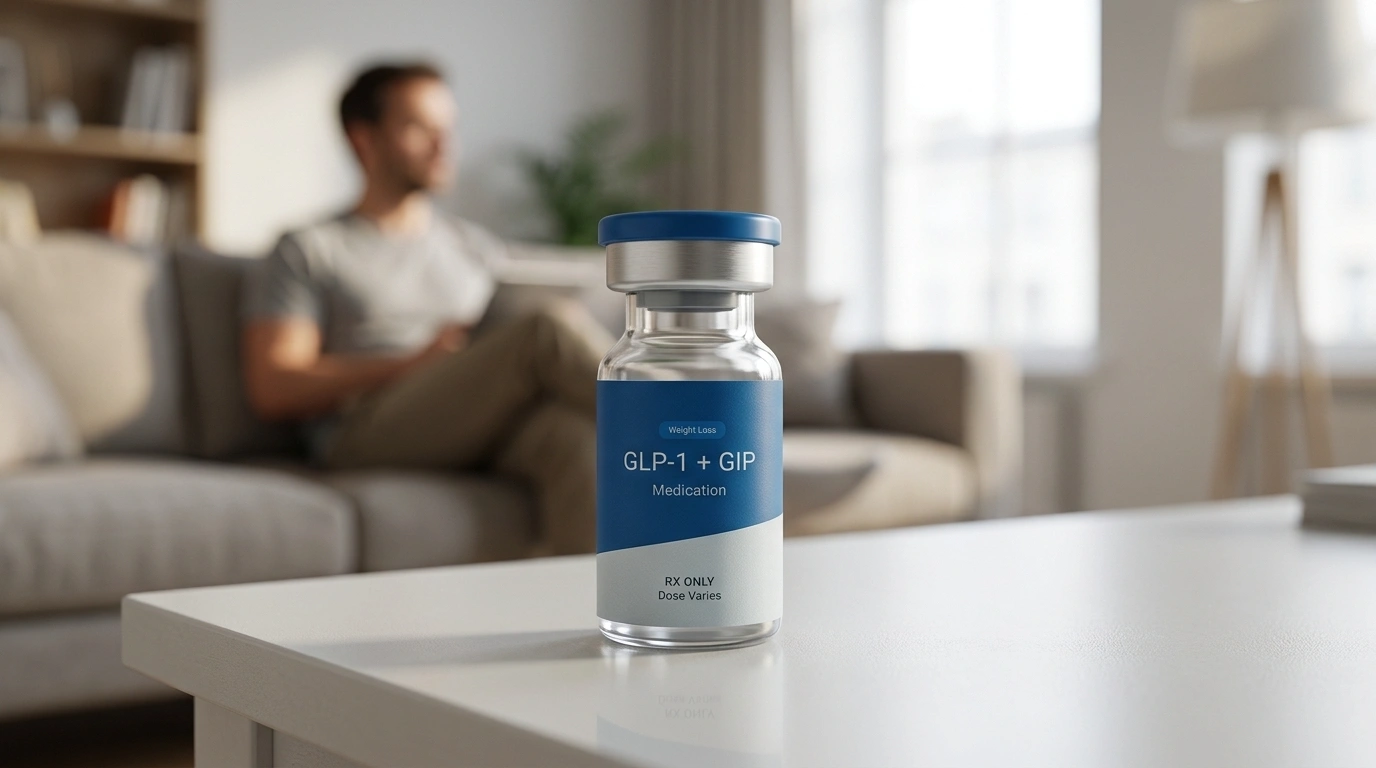
Unlike the “all-or-nothing” autoinjectors, compounded medications are often provided in multi-dose vials. When you use a vial and a manual syringe, you and your provider have much greater control over the exact volume of medication you receive.
For an individual who is highly sensitive to the medication, a provider may recommend a more granular titration. This is only possible when using medication from a vial, where the dose can be measured precisely on the syringe scale. If you want help deciding whether that path makes sense, you can see if you qualify for a personalized program.
Medical Supervision for Side Effects
If your reason for wanting a half dose is nausea or discomfort, the first step should always be consulting a healthcare professional. A provider can offer several strategies that do not involve compromising your medication’s safety:
- Supportive Medications: Prescribing anti-nausea medication to help you through the first 48 hours after an injection.
- Injection Site Changes: Some patients report fewer side effects when injecting into the thigh rather than the abdomen, though efficacy remains the same.
- Nutritional Adjustments: We often recommend specific dietary shifts, such as reducing high-fat foods or increasing hydration, which can significantly lessen gastrointestinal distress.
How to Manage Your Dose During a Shortage
If you are considering a half dose because you cannot find your prescribed strength, do not attempt to manipulate the pens you have. Instead, follow these clinically sound steps:
- Consult Your Provider: Ask if it is safe to drop back down to a lower, available dose temporarily. While this may slow your progress slightly, it is much safer than DIY dose splitting.
- Check Different Strengths: Sometimes a lower dose is available even when your usual strength is not. Your provider may be able to write a new prescription for the available strength.
- Explore Compounded Options: Many individuals are turning to compounded tirzepatide through platforms like ours to avoid the uncertainty of branded shortages.
Managing Side Effects Without Splitting Doses
If side effects are the primary driver of your curiosity about half-dosing, focusing on “GLP-1 hygiene” can make a world of difference. Your body’s reaction to the medication is often influenced by external factors like hydration and nutrient timing.
Hydration and Electrolytes
Peptide medications can change how your body manages fluids. Many patients find that adding a high-quality electrolyte supplement to their daily routine helps mitigate the “brain fog” and fatigue that sometimes accompany the early stages of treatment. Our Weight Loss Boost supplement is designed to support the body’s metabolic processes during this transition.
The Power of Protein
Because tirzepatide suppresses appetite, you might find yourself eating significantly less. It is crucial to ensure that the calories you do consume are nutrient-dense. Prioritizing protein helps protect lean muscle mass, which is essential for maintaining a healthy metabolism. When you lose weight, you want it to come from fat, not muscle.
Gentle Movement
While high-intensity exercise is great, even a 15-minute walk after your largest meal can help stimulate digestion and reduce the feeling of “fullness” or bloating that can occur when gastric emptying is slowed by the medication. If you want broader support for medication-related nutrition changes, the GLP-1 Daily Support supplement is built for that use case.
The TrimRx Approach to Flexible Care
At TrimRx, we don’t believe in a one-size-fits-all approach to weight loss. We know that every metabolic profile is unique, and what works for one person might be too intense for another. This is why our program is built on the foundation of telehealth access and personalized clinical guidance.
When you join our program, you start with a free assessment quiz that looks at your medical history, goals, and previous experiences with weight loss. From there, you are connected with a licensed provider who can help determine the best path for you—whether that is compounded semaglutide, compounded tirzepatide, or another option.
Because we use compounded medication in vials, our patients often have the flexibility that branded autoinjectors simply cannot offer. If you need to adjust your titration more slowly, your provider can guide you on exactly how to measure your dose to ensure safety and efficacy. For a broader overview of how telehealth treatment works, read our semaglutide telehealth guide.
Note: Compounded medications are prepared by licensed pharmacies but are not FDA-approved in the same way branded drugs are. However, they provide a vital alternative during shortages or when personalized dosing is required.
Step-by-Step: What to Do If You Feel Your Dose Is Too High
If you have already taken a full dose and feel that the effects are overwhelming, follow this protocol instead of trying to split your next pen:
- Step 1: Contact your healthcare provider. Describe your symptoms in detail. They need to know if you are experiencing manageable nausea or something more severe, like persistent vomiting.
- Step 2: Focus on “small and frequent.” If you cannot finish a meal, try eating very small amounts of bland food every few hours to keep your blood sugar stable.
- Step 3: Track your symptoms. Keep a log of when your side effects are at their worst. Usually, they peak 24 to 48 hours after the injection and then subside.
- Step 4: Discuss a lower dose for next week. Rather than splitting your current pen, your doctor can call in a lower strength for your next month’s supply.
Why “Wait and See” Is Often the Best Strategy
It is important to remember that the side effects associated with Zepbound® are usually temporary. The first two weeks of a new dose are often the most challenging. By the third or fourth week, the body typically adapts, and the discomfort fades while the appetite suppression remains.
Taking a half dose might provide temporary relief from nausea, but it essentially “resets the clock” on your adaptation. By not giving your body the full dose it was prescribed, you prevent it from becoming accustomed to that level of medication. This can lead to a cycle where you never quite feel “right” because your hormone levels are constantly fluctuating. If you are still trying to decide whether treatment is the right move, start your treatment now with a free assessment.
Transitioning to a Maintenance Dose
If you have reached your goal and want to decrease your dose for maintenance, this should be a structured, provider-led process. Moving from a higher dose down to a lower dose is a common strategy. This transition is done by switching to the appropriate pre-filled pen strength, not by trying to use half of a higher-strength pen.
Our dedicated team of specialists at TrimRx is available to help patients navigate these transitions. We provide the support needed to find the “sweet spot” where you can maintain your weight loss without feeling like the medication is dominating your daily life.
Final Thoughts on Dose Integrity
The temptation to take a half dose of Zepbound® is understandable, especially in the face of side effects or supply issues. However, the technical and biological risks far outweigh the perceived benefits. The single-use autoinjector is a closed system that cannot be safely manipulated at home.
Bottom line: Safety should always come first. If you need more flexibility in your dosing, consider a program that offers vial-based medication and direct provider access to help you tailor your treatment plan correctly.
At TrimRx, our mission is to help you navigate the complexities of modern weight loss with science, empathy, and transparency. We provide a telehealth-first model that eliminates the frustration of waiting rooms and provides you with the tools you need for sustainable success. Whether you are just starting or looking for a more personalized approach to your current treatment, you can complete the free assessment quiz to take the next step.
FAQ
Can I save the rest of a Zepbound pen for later if I only use half?
No, you cannot save any portion of a Zepbound® pen for later use. Once the needle is deployed and the medication is released, the device’s internal spring is spent and the needle is no longer sterile. Attempting to store “leftover” medication from a single-use device poses a significant risk of bacterial contamination and infection.
Is it possible to dial a half dose on the Zepbound KwikPen?
The KwikPen version of Zepbound® is a multi-dose device used in some regions, but it is still designed to deliver specific, pre-set doses. It is not designed to allow patients to “click” their way to an unprescribed half-dose. Attempting to guess a dose by counting clicks can lead to inconsistent medication levels and is not recommended by healthcare providers.
What should I do if the 5 mg dose is too strong for me?
If you find that the 5 mg dose causes unmanageable side effects, the safest course of action is to speak with your provider about returning to a lower dose for another month. This allows your body more time to adjust to the GIP and GLP-1 changes before attempting to increase the dose again. Never try to manually split a 5 mg pen to create a smaller dose.
Can I take my Zepbound injection every 10 days instead of every 7?
Spacing out your doses is a strategy some providers use to help patients manage side effects or transition into maintenance. However, this should only be done under medical supervision. While the manufacturer recommends a weekly schedule, a provider may adjust the frequency based on your specific health profile and how you respond to the medication.
Disclaimer: This content is for informational purposes only and does not constitute medical advice. It is not intended to diagnose, treat, cure, or prevent any disease or condition. Individual results may vary. Always consult a qualified healthcare professional before starting any weight loss program or medication.

Transforming Lives, One Step at a Time
Keep reading

Why Is There a Bruise Where I Injected My Zepbound?
A bruise means a small blood vessel was disturbed under the skin and blood spread into the surrounding tissue. It is one of the…

My Zepbound Pen Won’t Click Past a Certain Dose
Start by checking which device you are holding, because the answer depends entirely on that. Zepbound has commonly been supplied in the United States…
Zepbound Alternatives: Your Options Compared
If Zepbound isn’t the right fit, the main alternative is semaglutide (sold as Wegovy), which produces slightly less weight loss but works similarly, along…


