Can You Take Zepbound With Hyperthyroidism? Safely Navigating Weight Loss
Introduction
Struggling with weight management is difficult under any circumstances, but when you are also managing a thyroid condition, the journey can feel especially overwhelming. You may have heard about the impressive results associated with Zepbound®, a dual-action medication for weight loss, yet found yourself worried about how it might interact with an overactive thyroid. At TrimRx, we believe that everyone deserves clarity when it comes to their metabolic health, especially when navigating the intersection of prescription medications and existing endocrine disorders.
The question of whether you can take Zepbound® with hyperthyroidism is nuanced. While hyperthyroidism itself is not an absolute deal-breaker for weight loss treatment, there are significant medical considerations regarding heart rate, medication absorption, and your personal health history that must be addressed. This article explores the relationship between tirzepatide—the active ingredient in Zepbound®—and thyroid function to help you understand how to pursue your health goals safely. Our goal is to provide you with the evidence-based knowledge necessary to have an informed conversation with a healthcare provider.
What is Zepbound and How Does It Work?
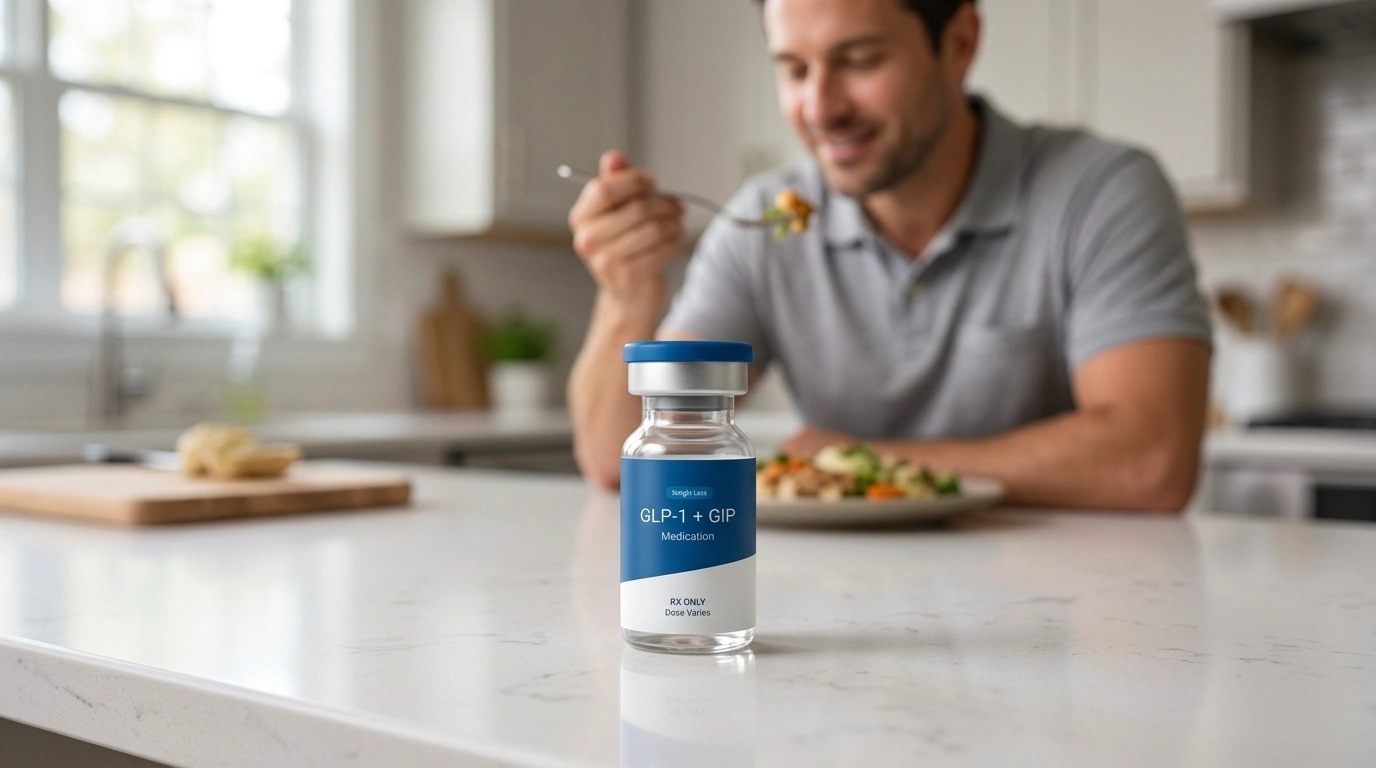
To understand how Zepbound® interacts with the thyroid, it is first necessary to understand how this medication functions in the body. Zepbound® is a brand-name prescription medication that contains tirzepatide, a molecule known as a dual agonist. It is unique because it targets two different hormone receptors in the body: glucagon-like peptide-1 (GLP-1) and glucose-dependent insulinotropic polypeptide (GIP).
These hormones are naturally produced in the gut and play a critical role in how the body processes energy. When these receptors are activated by a medication like tirzepatide, several physiological changes occur:
- Appetite Regulation: The medication acts on the brain’s reward and hunger centers to help you feel full sooner and stay satisfied longer.
- Insulin Sensitivity: It helps the pancreas release the right amount of insulin when blood sugar is high and improves how your cells respond to that insulin.
- Slower Gastric Emptying: It slows down the speed at which food leaves your stomach. This process, known as delayed gastric emptying, is a primary reason why patients feel full for extended periods.
By mimicking these natural hormones, tirzepatide helps lower the “set point” of the body’s weight, making it easier to maintain a calorie deficit without the intense hunger cues that often lead to diet failure.
For a closer look at how tirzepatide may relate to thyroid medications, read this guide to tirzepatide and thyroid medication considerations.
Defining Hyperthyroidism and Its Impact on Weight
Hyperthyroidism is a condition where the thyroid gland, a small butterfly-shaped organ in the neck, becomes overactive. It produces an excess of thyroid hormones—specifically thyroxine (T4) and triiodothyronine (T3). These hormones are essentially the “gas pedal” for your metabolism. When they are too high, your body’s processes speed up significantly.
Common symptoms of hyperthyroidism include:
- A rapid or irregular heartbeat (tachycardia)
- Unintentional weight loss (though some individuals may actually gain weight due to increased appetite)
- Anxiety, irritability, and tremors
- Increased sensitivity to heat
- Changes in bowel patterns
Because hyperthyroidism already places a significant strain on the cardiovascular system and speeds up the metabolic rate, adding a weight loss medication requires careful clinical oversight. At TrimRx, we prioritize the safety of our patients by ensuring that any underlying condition is stable before starting a new treatment protocol.
If you are considering prescription treatment, complete a free eligibility assessment so your health history can be reviewed by a provider.
Quick Answer: Most individuals with hyperthyroidism can take Zepbound® provided their thyroid condition is well-managed and they do not have a history of specific thyroid cancers. However, the medication’s effect on heart rate and the absorption of thyroid treatments requires close monitoring by a healthcare professional.
The Critical Distinction: Hyperthyroidism vs. Medullary Thyroid Cancer
One of the most common sources of confusion for patients is the “Boxed Warning” found on the packaging of Zepbound® and other GLP-1 medications like Wegovy®. This warning discusses thyroid tumors, but it is vital to distinguish between a functional disorder like hyperthyroidism and a rare type of cancer.
For additional context, review this explanation of Zepbound and hyperthyroidism.
The Boxed Warning Explained
The FDA requires a boxed warning on all tirzepatide and semaglutide products because, in laboratory studies involving rodents, these drugs were associated with an increased risk of thyroid C-cell tumors. However, it is currently unknown whether these medications cause these tumors in humans.
Contraindications
While hyperthyroidism is an overactivity of the gland, the contraindications for Zepbound® are very specific:
- Medullary Thyroid Carcinoma (MTC): A rare, specific type of thyroid cancer. If you or anyone in your family has ever had MTC, you should not take Zepbound®.
- Multiple Endocrine Neoplasia syndrome type 2 (MEN 2): A genetic condition that predisposes individuals to tumors in endocrine glands, including the thyroid.
Hyperthyroidism is not MTC or MEN 2. If you have Graves’ disease or toxic multinodular goiter (common causes of hyperthyroidism), you do not automatically fall into this “do not use” category. However, your provider will likely perform a thorough neck exam or order blood work to ensure there are no nodules or signs of underlying malignancy before proceeding.
The Intersection of Zepbound and Hyperthyroidism: Key Concerns
When evaluating the safety of Zepbound® for someone with hyperthyroidism, healthcare providers typically focus on three primary areas: cardiovascular strain, medication absorption, and symptom masking.
1. Cardiovascular Strain and Heart Rate
Both hyperthyroidism and Zepbound® can influence your heart. Hyperthyroidism is notorious for causing a rapid heart rate (tachycardia) and even heart palpitations or arrhythmias like atrial fibrillation.
Clinical trials for Zepbound® showed that the medication can increase the resting heart rate by an average of two to three beats per minute. While this is negligible for most healthy adults, for someone whose heart is already racing due to excess thyroid hormone, this cumulative effect can be dangerous. A provider must ensure your thyroid levels are “euthyroid” (within the normal range) or well-controlled by anti-thyroid medications or other treatments before adding tirzepatide to the mix.
2. Delayed Gastric Emptying and Medication Absorption
As mentioned earlier, Zepbound® slows the rate at which the stomach empties. This is a deliberate part of how the drug works to promote fullness, but it can interfere with how other oral medications are absorbed.
Many people with thyroid issues take daily medications to manage their hormone levels. If the stomach takes longer to process these pills, the timing and consistency of the medication’s entry into the bloodstream can change. This is particularly relevant for those who might be taking levothyroxine (often used if a patient was previously hypothyroid or had their thyroid removed). Levothyroxine is highly sensitive to absorption changes, and even small fluctuations can lead to a return of hyper- or hypo-symptoms.
Learn more about how tirzepatide may affect thyroid medication management.
3. Masking or Mimicking Symptoms
The side effects of Zepbound®—such as nausea, fatigue, and occasional jitteriness as the body adjusts—can look very similar to the symptoms of thyroid dysfunction. If a patient is taking Zepbound® while their thyroid is poorly regulated, it can be difficult for both the patient and the doctor to determine which “culprit” is causing the discomfort. This makes consistent lab work essential.
Key Takeaway: The primary risk for hyperthyroid patients using Zepbound® is not the thyroid itself, but the secondary effects on the heart and the potential for the medication to disrupt the absorption of thyroid-regulating drugs.
Managing the Risks: What Clinical Research Suggests
Current clinical data suggests that for the vast majority of patients, GLP-1 and GIP receptor agonists do not cause or worsen hyperthyroidism. In fact, many patients with thyroid conditions successfully use these medications to achieve significant weight loss, which in turn can improve overall metabolic health and reduce the strain on the endocrine system.
However, the “gold standard” for care involves a personalized approach. At TrimRx, our platform connects patients with licensed providers who understand these complexities. They look at the “whole person” rather than just a BMI number.
If you want to determine whether a personalized prescription program may fit your health profile, take the free assessment quiz.
Monitoring During Treatment
If you are cleared to start a weight loss program with hyperthyroidism, expect the following:
- Baseline Thyroid Panel: Testing TSH, Free T4, and sometimes Free T3 before the first dose.
- Heart Rate Monitoring: Regularly checking your pulse at home, especially during the first few weeks of a new dose.
- Frequent Lab Follow-ups: Checking thyroid levels more often than usual to ensure your thyroid medications are still working effectively despite the changes in digestion.
Comparison: Weight Loss Options for Thyroid Patients
When choosing a path forward, it is helpful to see how different options compare in the context of thyroid health.
| Feature | Zepbound® (Tirzepatide) | Wegovy® (Semaglutide) | Lifestyle Changes Only |
|---|---|---|---|
| Mechanism | GLP-1 & GIP Agonist | GLP-1 Agonist | Caloric Deficit/Exercise |
| Weight Loss Potential | High | Moderate-High | Low-Moderate |
| Thyroid Warning | Boxed Warning (MTC) | Boxed Warning (MTC) | None |
| Effect on Heart Rate | May increase slightly | May increase slightly | Variable |
| Gastric Emptying | Slower | Slower | Normal |
Note: While Wegovy® and Zepbound® have similar warnings, Zepbound®’s dual-hormone approach often leads to higher weight loss percentages in clinical studies.
Step-by-Step: How to Safely Start a Program with TrimRx
If you have hyperthyroidism and are considering a medical weight loss program, we recommend following this path to ensure your safety and success.
Step 1: Stabilize Your Thyroid Levels
Before seeking weight loss medication, ensure your thyroid levels have been stable for at least several months. Active, uncontrolled hyperthyroidism is usually a contraindication for starting any stimulant or metabolic-altering drug.
Step 2: Complete a Detailed Health Assessment
When you use our platform, you will fill out a comprehensive health quiz. It is vital to disclose your history of hyperthyroidism, any medications you are taking (like methimazole or beta-blockers), and any history of thyroid nodules.
Step 3: Consult with a Provider
A licensed clinician will review your profile. They will determine if Zepbound® or a compounded alternative is appropriate for your specific health profile. They may request recent lab results to confirm your thyroid is stable.
Step 4: Start Low and Go Slow
Most programs begin with a very low dose to allow your body to acclimate. This is especially important for thyroid patients to ensure their heart rate remains stable as the dosage increases.
Step 5: Ongoing Communication
Use the 24/7 access to specialists provided through our platform to report any unusual heart palpitations, extreme anxiety, or neck swelling immediately.
Myth: “You can’t take weight loss shots if you have any kind of thyroid disease.” Fact: You can take these medications with most thyroid conditions, including hypothyroidism and treated hyperthyroidism. The only absolute thyroid-related contraindications are a personal or family history of Medullary Thyroid Cancer or MEN 2.
The Role of Compounded Medications
In some cases, your provider might suggest Compounded Tirzepatide or Compounded Semaglutide. These are prepared by FDA-registered and inspected compounding pharmacies to meet the specific needs of a patient or to address supply shortages of branded medications like Zepbound®.
Compounded medications allow for precise dosing, which can be beneficial for patients who need to titrate (adjust their dose) more slowly due to sensitivities like an elevated heart rate. It is important to remember that while the pharmacies are regulated, compounded versions themselves do not go through the same FDA-approval process as branded drugs like Zepbound®. However, for many, they provide an accessible way to receive personalized treatment.
Complementary Support: Beyond the Medication
Taking a GLP-1 medication is only one part of the journey. For those with hyperthyroidism, supporting the body’s overall health is crucial to minimizing side effects.
- Nutrient Density: Since your metabolism is already in a complex state, fueling your body with high-quality proteins and micronutrients is essential.
- Hydration: Dehydration can mimic thyroid jitters and worsen the gastrointestinal side effects of weight loss drugs.
- Targeted Supplements: Many of our patients use GLP-1 Daily Support to help manage common side effects like nausea or digestive sluggishness. This can be especially helpful when the body is navigating the dual demands of thyroid management and weight loss.
For more information about nausea, delayed gastric emptying, and other digestive concerns, read about why GLP-1 medications cause gastrointestinal issues.
Conclusion
Navigating weight loss with hyperthyroidism requires a delicate balance of science and personalized care. While Zepbound® is not inherently dangerous for the thyroid gland itself—unless there is a history of specific rare cancers—it does interact with the body in ways that require a cautious, clinical approach. By focusing on heart health, monitoring medication absorption, and ensuring your thyroid levels are stable, you can safely explore the benefits of dual GLP-1 and GIP therapy.
Our mission at TrimRx is to bridge the gap between complex medical needs and effective weight loss solutions. We provide a transparent, telehealth-first environment where you can work with experts to find a path that respects your medical history while helping you reach your future goals. Sustainable weight loss is possible, even with a thyroid condition, when you have the right team and the right data behind you.
If you are ready to discuss your options, see if you qualify for a personalized program.
Bottom line: If your hyperthyroidism is controlled and you have no history of Medullary Thyroid Cancer, Zepbound® is likely a safe option, but it must be initiated under the supervision of a provider who can monitor your heart rate and hormone levels.
FAQ
Can Zepbound cause thyroid problems in someone with a healthy thyroid?
In human clinical trials, there has been no clear evidence that Zepbound® causes standard thyroid issues like hyperthyroidism or hypothyroidism. The primary concern remains a theoretical risk of a rare cancer called Medullary Thyroid Carcinoma, which has only been observed in animal studies.
Does hyperthyroidism make you ineligible for weight loss medications?
Not necessarily. Ineligibility usually only applies if your hyperthyroidism is currently untreated and causing severe symptoms like a dangerously high heart rate, or if your thyroid issues are related to MTC or MEN 2. Once your thyroid levels are stabilized with medication or other treatments, you may be a candidate for a personalized program. You can complete a free health assessment to begin the review process.
How does Zepbound affect thyroid medication absorption?
Because Zepbound® slows down the speed at which your stomach empties (gastric emptying), it can change how quickly or completely your body absorbs oral thyroid medications. If you take medications like methimazole or levothyroxine, your doctor may need to check your blood levels more frequently to ensure the dosage remains correct.
Should I check my thyroid levels while on Zepbound?
Yes, it is standard clinical practice to monitor thyroid function if you have a pre-existing condition. Most providers recommend a baseline test before starting and periodic follow-ups—usually every 3 to 6 months—to ensure your thyroid health remains stable while you lose weight.
Disclaimer: This content is for informational purposes only and does not constitute medical advice. It is not intended to diagnose, treat, cure, or prevent any disease or condition. Individual results may vary. Always consult a qualified healthcare professional before starting any weight loss program or medication.

Transforming Lives, One Step at a Time
Keep reading

Why Is There a Bruise Where I Injected My Zepbound?
A bruise means a small blood vessel was disturbed under the skin and blood spread into the surrounding tissue. It is one of the…

My Zepbound Pen Won’t Click Past a Certain Dose
Start by checking which device you are holding, because the answer depends entirely on that. Zepbound has commonly been supplied in the United States…

Zepbound Alternatives: Your Options Compared
If Zepbound isn’t the right fit, the main alternative is semaglutide (sold as Wegovy), which produces slightly less weight loss but works similarly, along…


