Can You Take a Laxative With Zepbound?
Introduction
Starting a weight loss journey often brings a sense of hope and excitement. However, new medications can sometimes introduce unexpected physical changes that feel less than ideal. If you have recently started Zepbound®, you may have noticed that your bathroom habits have changed. Constipation is one of the most frequently reported side effects for those using this medication. It can cause discomfort, bloating, and frustration that might make you wonder if you can find relief through over-the-counter aids.
At TrimRx, we believe that managing side effects is a crucial part of a successful weight loss program. This post covers the safety of using laxatives while on Zepbound®, the different types of treatments available, and lifestyle strategies to keep your digestion moving. While generally safe, choosing the right laxative and consulting a healthcare provider is essential for your comfort and safety. For additional context, explore this guide to why Zepbound can cause constipation.
Why Zepbound Causes Constipation
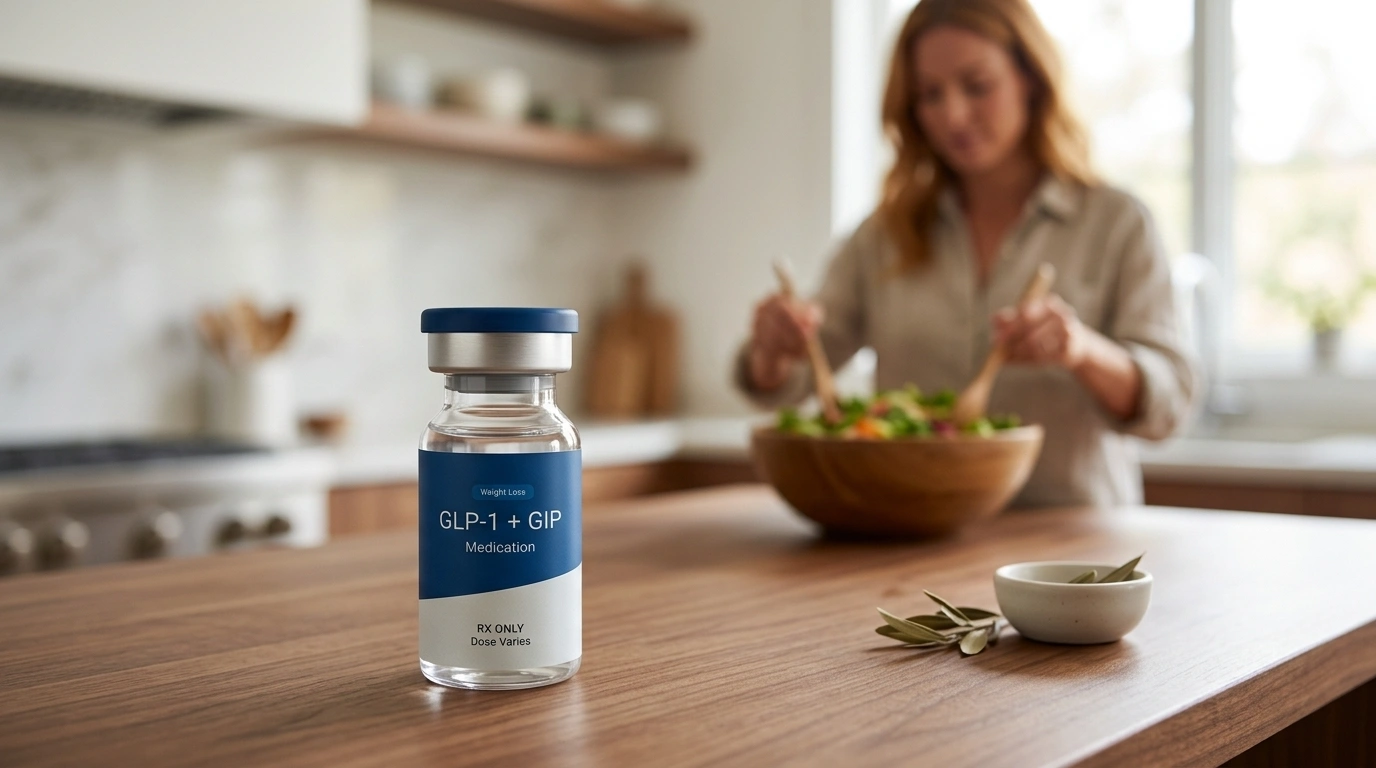
To understand how to treat constipation, you first need to understand why it happens. Zepbound® contains an active ingredient called tirzepatide. This medication is a dual agonist. It targets two specific hormone receptors in the body: glucagon-like peptide-1 (GLP-1) and glucose-dependent insulinotropic polypeptide (GIP).
These hormones play a major role in how your body processes food and signals fullness. One of the primary ways tirzepatide helps with weight loss is through a process called delayed gastric emptying. This means the medication slows down the speed at which food leaves your stomach and enters your small intestine.
The Impact on the Digestive Track
When food moves more slowly through your system, you feel full for a longer period. This is excellent for calorie control, but it has a secondary effect on the lower digestive tract. As waste stays in the large intestine longer, the body has more time to absorb water from it. This can lead to stool that is hard, dry, and difficult to pass. You can also review this explanation of tirzepatide’s connection to constipation.
Quick Answer: Yes, you can generally take a laxative with Zepbound®, but it is vital to choose the right type. Osmotic laxatives and stool softeners are often recommended over harsh stimulants. Always consult your licensed healthcare provider before starting any new over-the-counter treatment.
Can You Take a Laxative With Zepbound?
The short answer is yes. Most healthcare providers allow the use of over-the-counter (OTC) laxatives for patients experiencing constipation on GLP-1 or GIP medications. However, the goal should always be to use the gentlest method possible to achieve results.
Because Zepbound® already alters how your gut moves, adding a powerful stimulant laxative can sometimes lead to intense cramping or dehydration. It is usually best to start with “first-line” treatments. These include increasing your water intake and trying mild stool softeners or osmotic agents. For more detailed guidance, see these Zepbound constipation remedies.
The Importance of Provider Consultation
Even though laxatives are available without a prescription, you should mention your symptoms to your care team. At TrimRx, we emphasize that your weight loss journey should be medically supervised. A provider can help determine if your constipation is a standard side effect or a sign of a more serious issue, such as a bowel obstruction. They can also provide a specific dosing schedule for laxatives to ensure they do not interfere with your other medications. If you are considering prescription treatment, you can complete a free eligibility assessment for provider review.
Comparing Types of Laxatives
Not all laxatives work the same way. When you are on a medication like Zepbound®, the mechanism of the laxative matters. Here is a breakdown of the common categories you will find at the pharmacy.
Osmotic Laxatives
Osmotic laxatives are often the first choice for individuals on weight loss injections. These medications work by drawing water into the colon. This extra moisture softens the stool and makes it easier for the intestinal muscles to move it along.
Common examples include:
- Polyethylene glycol (Miralax)
- Magnesium hydroxide (Milk of Magnesia)
- Magnesium citrate
These are generally considered safe for occasional use. However, because they work by moving water into the gut, they can lead to dehydration if you are not drinking enough fluids.
Stool Softeners
Stool softeners, or emollient laxatives, are even gentler than osmotics. They do not necessarily force a bowel movement. Instead, they allow water and fats to penetrate the stool. This prevents the stool from becoming hard and “stuck.”
A common example is docusate sodium (Colace). These are often used as a preventative measure rather than a “quick fix” for existing constipation.
Bulk-Forming Laxatives (Fiber)
These are essentially concentrated fiber supplements. They absorb water to create a bulkier, softer stool. This bulk signals the intestines to contract and move things forward.
Common examples include:
- Psyllium husk (Metamucil)
- Methylcellulose (Citrucel)
Note: If you use bulk-forming laxatives, you must drink significant amounts of water. If you are dehydrated, adding bulk-forming fiber can actually make constipation worse by creating a hard mass in the gut.
Stimulant Laxatives
Stimulant laxatives are the most aggressive. They work by irritating the lining of the intestine, which forces the muscles to contract. While effective, they can cause significant cramping and dependency if used for too long.
Common examples include:
- Senna (Senokot)
- Bisacodyl (Dulcolax)
Most providers suggest avoiding these unless other methods have failed, as they can be harsh on a digestive system already slowed down by Zepbound®.
| Laxative Type | How It Works | Common Examples | Intensity |
|---|---|---|---|
| Osmotic | Draws water into the colon | Miralax | Moderate |
| Stool Softener | Adds moisture to stool | Colace | Gentle |
| Bulk-Forming | Adds volume/fiber | Metamucil | Gentle/Preventative |
| Stimulant | Forces gut contractions | Senna, Dulcolax | High |
Natural Strategies for Digestive Health
Before reaching for a bottle of laxatives, many people find relief through lifestyle modifications. These changes are not just “temporary fixes”; they are essential habits for anyone on a long-term weight loss medication. This article on tirzepatide constipation solutions covers similar strategies for supporting regularity.
The Power of Hydration
Hydration is the single most important factor in preventing constipation on Zepbound®. Because the medication suppresses your appetite, it often suppresses your thirst as well. You may be drinking much less than you realize.
When you are dehydrated, your body “steals” water from your colon to support other vital functions. This leaves your stool dry. Aim for at least 64 to 80 ounces of water daily. If you are active or live in a warm climate, you may need even more.
Moving Your Body
Physical activity is a natural way to stimulate the muscles in your digestive tract. This movement is called peristalsis. Even a 15-minute walk after a meal can help encourage your gut to process waste more efficiently. Many patients find that consistent, low-impact exercise like walking, swimming, or yoga keeps their digestion regular.
Increasing Dietary Fiber
Fiber adds bulk and weight to your stool, which helps it move through the intestines. However, when starting Zepbound®, you should increase your fiber intake slowly. If you add too much fiber too quickly, you might experience increased gas and bloating.
Focus on high-fiber foods such as:
- Berries (raspberries and blackberries are excellent choices)
- Leafy greens (spinach and kale)
- Legumes (lentils and beans)
- Whole grains (oats and quinoa)
Key Takeaway: Managing constipation on Zepbound® requires a multi-faceted approach. Prioritize hydration and fiber first, then move to gentle over-the-counter aids like stool softeners or osmotic laxatives under medical guidance.
Using Supplements for Extra Support
In addition to prescription medications, many people find that targeted supplements can help bridge the gap. For example, some people choose to use a GLP-1 Daily Support supplement. These are often designed to provide the specific nutrients and digestive enzymes that support a body undergoing metabolic changes.
We also offer a Weight Loss Boost supplement that can be purchased directly without a medical consultation. These products are intended to complement your healthy habits and support overall well-being. Always check with your provider to ensure any supplement you take is compatible with your specific health profile.
The Role of Compounded Medications
While Zepbound® is a specific branded medication, many people access the same active ingredients through other channels. We connect patients with licensed providers who may prescribe compounded medications.
Compounded Tirzepatide is prepared by specialized pharmacies to meet an individual’s specific needs. It is important to note that compounded medications are not FDA-approved. However, we only work with FDA-registered and inspected compounding pharmacies to ensure high standards of quality and safety.
If you are using compounded tirzepatide, the same rules for constipation apply. Because the active ingredient is the same as what is found in Mounjaro® or Zepbound®, the effect on your digestive speed will be identical. You should follow the same hydration and laxative safety protocols.
When Constipation Becomes a Medical Concern
While common, constipation can occasionally escalate into a serious condition. If waste remains in the colon for too long, it can lead to a bowel obstruction or fecal impaction.
You should contact a healthcare professional immediately if you experience:
- Severe abdominal pain or cramping
- Persistent nausea and vomiting
- A “rock hard” or distended stomach
- Inability to pass gas
- No bowel movement for more than four or five days
- Blood in your stool
If at-home treatments like Miralax do not produce a bowel movement within 24 to 48 hours, it is time to call your doctor. Do not continue to “stack” different laxatives without professional advice, as this can lead to electrolyte imbalances.
Steps to Take If You Experience Constipation
If you are currently feeling backed up while taking Zepbound®, follow these steps to find relief safely.
Step 1: Assess your water intake.
Drink a large glass of water immediately. Track your fluid intake for the next 24 hours to ensure you are hitting your goals.
Step 2: Increase gentle movement.
Go for a steady walk. Focus on deep breathing and light stretching to help relax the abdominal muscles.
Step 3: Consult your provider.
Before taking an OTC laxative, send a message to your clinical team. They can recommend a specific brand or dose based on your medical history.
Step 4: Start with a stool softener or osmotic agent.
If approved, try a dose of a gentle agent like Miralax. Be patient, as these can take 12 to 24 hours to work.
Step 5: Review your diet.
Once the immediate issue is resolved, look at your daily fiber intake. Small adjustments to your meals can prevent the problem from returning.
The TrimRx Approach to Sustainable Health
We understand that weight loss is about more than just a number on the scale. It is about how you feel every day. Dealing with side effects like constipation can be discouraging, but you do not have to handle it alone.
Our mission is to provide a telehealth-first experience that combines science and empathy. By connecting you with licensed providers and offering 24/7 support, we ensure that your treatment is personalized to your body. We focus on the whole person, helping you navigate the clinical aspects of medications like tirzepatide or semaglutide while providing the tools for long-term lifestyle success.
Conclusion
Taking a laxative with Zepbound® is a common and usually safe way to manage one of the medication’s most frequent side effects. By choosing gentle osmotic agents or stool softeners, you can find relief without causing further stress to your digestive system. Remember that your primary tools should always be hydration, fiber, and movement.
The journey to metabolic health is a marathon, not a sprint. Managing side effects effectively ensures that you can stay consistent with your program and reach your goals. If you are ready to explore a personalized approach to weight loss that includes clinical oversight and dedicated support, we invite you to take the free assessment quiz.
Bottom line: Constipation is a manageable side effect of Zepbound®. Use gentle over-the-counter aids when necessary, but prioritize lifestyle habits to maintain long-term regularity.
FAQ
What is the best laxative to take with Zepbound?
Most healthcare providers recommend osmotic laxatives like Miralax (polyethylene glycol) because they work by drawing water into the gut to soften stool. Stool softeners like Colace are also frequently suggested as a gentle, non-stimulant option. Always consult your doctor before starting any laxative to ensure it is the right choice for your specific health needs. For additional information, review this guide to safe laxative use with Zepbound.
How long does Zepbound constipation usually last?
For many people, constipation is most noticeable when they first start the medication or when they increase their dosage. As the body adapts to the medication, these gastrointestinal side effects often diminish or become more manageable within a few weeks. Maintaining high levels of hydration and fiber can help shorten the duration of these symptoms.
Can I take Miralax every day while on Zepbound?
While Miralax is often safe for short-term use, you should only use it daily if specifically instructed by your healthcare provider. Long-term reliance on any laxative can sometimes mask underlying issues or lead to electrolyte imbalances. Your provider may instead suggest permanent dietary changes or a fiber supplement for daily maintenance.
Why is fiber so important when taking weight loss injections?
Fiber adds bulk to the stool and helps it move through the digestive tract, which is especially important since medications like Zepbound® slow down gut motility. Because you are likely eating smaller portions of food, you may not be getting enough fiber naturally. Supplementing with fiber-rich foods or products can prevent the waste from becoming too hard and difficult to pass.
Disclaimer: This content is for informational purposes only and does not constitute medical advice. It is not intended to diagnose, treat, cure, or prevent any disease or condition. Individual results may vary. Always consult a qualified healthcare professional before starting any weight loss program or medication.

Transforming Lives, One Step at a Time
Keep reading

Can You Eat Clam Chowder on Zepbound?
Clam chowder is a seaside classic, often served in a bread bowl on a chilly day. New England chowder is thick, creamy, and rich…

Can You Eat Korean BBQ on Zepbound?
Korean barbecue is a social, hands-on meal: platters of marinated meats grilled at the table, surrounded by small side dishes called banchan, with lettuce…
Can You Eat Brownies on Zepbound?
Brownies are a classic homemade treat, a bake sale staple, and a common office snack. They are also dense, rich, and very sweet, made…


