Can You Take Sermorelin and Tirzepatide Together?
Introduction
Many people embarking on a medical weight loss journey share a common fear: losing hard-earned muscle along with body fat. While medications like tirzepatide have transformed metabolic health, the significant caloric deficit they create can sometimes lead to a reduction in lean tissue. This concern has led many to ask if taking sermorelin and tirzepatide together can provide a more balanced result. At TrimRx, we believe in a personalized, science-backed approach that prioritizes long-term metabolic health over just the number on the scale. This post explores how these two therapies interact, the logic behind “stacking” them for body composition, and the safety protocols required for success. Understanding how to integrate these treatments helps ensure that your weight loss is sustainable and preserves the vitality you need for an active life.
Quick Answer: Yes, you can take sermorelin and tirzepatide together under the supervision of a licensed healthcare provider. This combination is often used to maximize fat loss while preserving lean muscle mass, but it requires careful injection timing and regular blood sugar monitoring due to potential metabolic interactions.
How Tirzepatide and Sermorelin Work in the Body
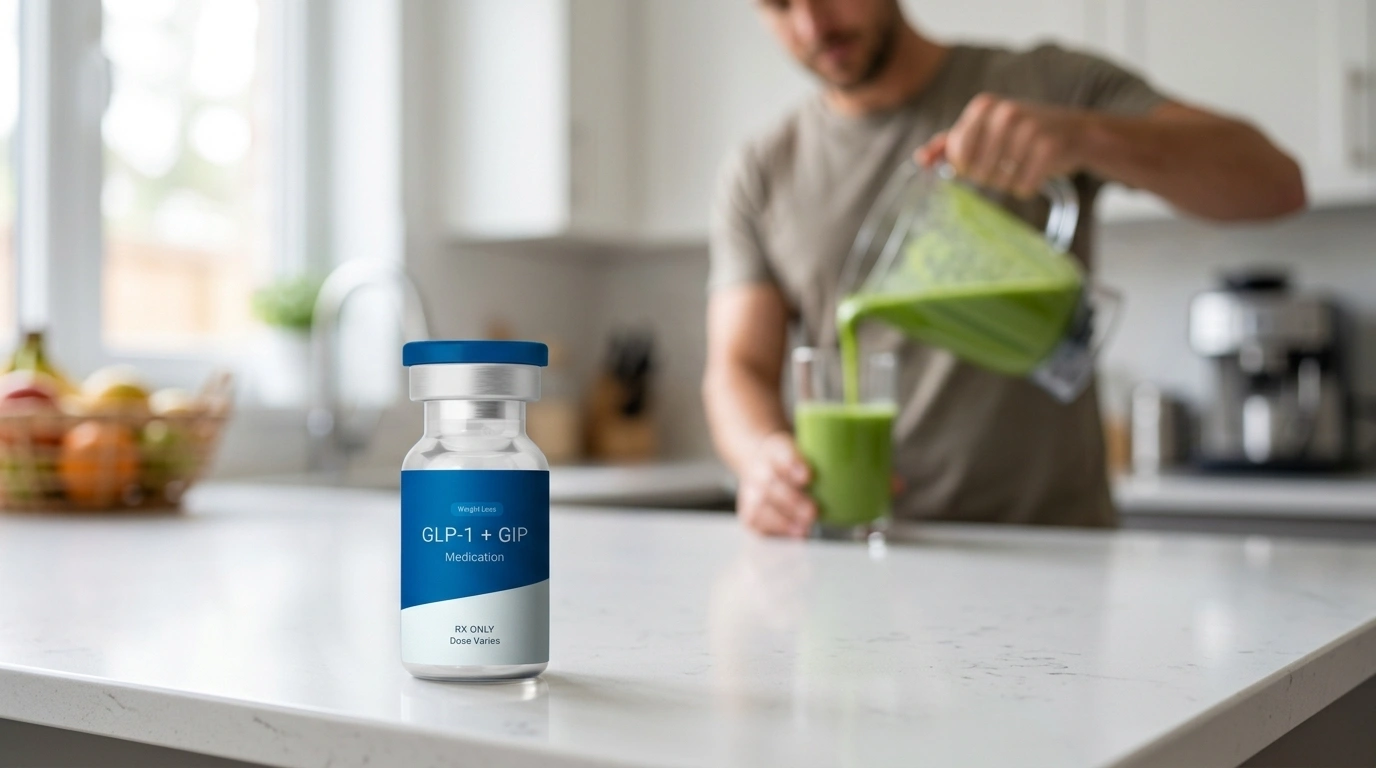
To understand why these medications are often paired, it is essential to look at their distinct biological pathways. Tirzepatide is a dual-acting medication that mimics two naturally occurring hormones: GLP-1 (glucagon-like peptide-1) and GIP (glucose-dependent insulinotropic polypeptide). These hormones, known as incretins, are released by the gut in response to food. By activating these receptors, tirzepatide slows down gastric emptying—the speed at which food leaves your stomach—and signals the brain to reduce hunger. This helps individuals stay in a caloric deficit more comfortably.
Sermorelin, on the other hand, is a growth hormone-releasing hormone (GHRH) analog. It is a peptide, which is a short chain of amino acids that acts as a signaling molecule. Instead of being a synthetic version of growth hormone itself, sermorelin stimulates your pituitary gland to release its own natural, pulsatile bursts of growth hormone. This hormone is vital for tissue repair, fat metabolism, and the maintenance of lean muscle mass and bone density. While tirzepatide manages the “input” side of the metabolic equation, sermorelin supports the “output” by protecting the body’s structural integrity.
For a broader comparison of these therapies, review this guide to how sermorelin and tirzepatide work differently.
The Mechanism of Action
Tirzepatide focuses on appetite centers in the hypothalamus and insulin regulation in the pancreas. By improving insulin sensitivity and slowing digestion, it facilitates significant fat reduction. Sermorelin operates upstream at the pituitary level. It encourages the body to produce IGF-1 (insulin-like growth factor 1), which is the primary marker for growth hormone activity. Higher IGF-1 levels are associated with better recovery from exercise and improved protein synthesis, which is the process the body uses to build and repair muscle.
The Logic of Combining Therapies for Body Composition
The primary reason individuals consider taking sermorelin and tirzepatide together is to achieve “body recomposition.” During rapid weight loss, the body often looks to muscle tissue for energy. Research suggests that without proper support, a significant portion of weight lost on GLP-1 medications can come from lean mass.
Bolded lead sentence: Preserving muscle mass is crucial for maintaining a healthy basal metabolic rate (BMR). Muscle tissue is more metabolically active than fat, meaning it burns more calories even when you are at rest. If you lose too much muscle during your journey, your metabolism may slow down, making it harder to maintain your new weight in the long term. By adding sermorelin to a tirzepatide program, the goal is to shift the body’s energy usage toward stored fat while keeping muscle fibers intact.
Learn more about using DEXA scans to track lean mass during GLP-1 treatment.
Benefits of the Combination
- Enhanced Muscle Retention: Sermorelin signals the body to prioritize fat for fuel while protecting protein structures.
- Improved Recovery: Many users report faster recovery from resistance training and better energy levels.
- Targeted Visceral Fat Loss: Growth hormone is known to help mobilize deep abdominal fat, which is often the most health-hazardous.
- Better Sleep Quality: Sermorelin is frequently associated with deeper, more restorative sleep, which is when most fat burning and tissue repair occur.
Key Takeaway: Combining these medications is not about losing weight faster; it is about losing the “right” kind of weight. By protecting muscle mass, you support your metabolism for the long term.
Safety and Potential Interactions
While these medications target different receptor systems, they have a “moderate” interaction that requires professional oversight. Sermorelin may interfere with blood glucose control. Because growth hormone has counter-regulatory effects on insulin, it can transiently raise blood sugar levels. Since tirzepatide is often used to lower blood sugar and improve insulin sensitivity, these two effects may work at cross-purposes if not managed correctly.
Note: Individuals with a history of certain cancers or active tumors should avoid sermorelin, as growth hormone can stimulate the proliferation of cells. It is also essential to distinguish between branded and compounded medications. Branded medications like Mounjaro® and Zepbound® are FDA-approved for diabetes and weight management, respectively. TrimRx connects patients with licensed providers who may prescribe compounded tirzepatide or compounded sermorelin. These are prepared in FDA-registered, inspected compounding pharmacies to allow for personalized dosing. It is important to note that compounded medications are not FDA-approved.
Read more about sermorelin’s regulatory status and supervised use.
Tirzepatide vs. Sermorelin Comparison Table
| Feature | Tirzepatide | Sermorelin |
|---|---|---|
| Drug Class | Dual GLP-1/GIP Receptor Agonist | GHRH Analog (Peptide) |
| Primary Goal | Appetite suppression & fat loss | Muscle preservation & recovery |
| Dosing Frequency | Once weekly (Injection) | Typically nightly (Injection) |
| Main Mechanism | Slows gastric emptying; insulin regulation | Stimulates pituitary GH release |
| Key Benefit | Significant reduction in body weight | Protects lean mass & metabolic rate |
| Side Effects | Nausea, diarrhea, constipation | Flushing, headache, injection site redness |
The Injection Timing Protocol: The 4-6 Hour Rule
The most critical factor when taking sermorelin and tirzepatide together is the timing of your doses. They should not be administered at the same time. Tirzepatide slows gastric emptying, which can delay the absorption of other medications, including sermorelin. If the absorption of sermorelin is delayed, it may miss the narrow physiological window where your pituitary gland is most responsive to growth hormone-releasing signals.
Bolded lead sentence: Most clinicians recommend a minimum of 4 to 6 hours between a tirzepatide injection and a sermorelin injection. To align with the body’s natural rhythms, sermorelin is best taken at bedtime on an empty stomach, at least two to three hours after your last meal. This mimics the natural nocturnal pulse of growth hormone that occurs during deep sleep. Tirzepatide, being a once-weekly injection, is often best administered in the morning or early afternoon to allow its peak plasma concentration to occur during waking hours when you need appetite suppression the most.
A Typical Weekly Schedule
- Sunday 8:00 AM: Inject weekly tirzepatide dose.
- Sunday 10:00 PM: Inject nightly sermorelin dose (at least 14 hours after tirzepatide).
- Mon-Sat 10:00 PM: Continue nightly sermorelin injections on an empty stomach.
Bottom line: Proper timing prevents the side effects of one medication from interfering with the efficacy of the other. Never mix these two medications in the same syringe.
Monitoring Your Progress
When using a combined protocol, standard weight loss tracking is not enough. You and your healthcare provider should monitor specific biomarkers to ensure the treatments are working synergistically.
- IGF-1 Levels: This is the primary marker to confirm sermorelin is effectively stimulating growth hormone. Levels should typically be checked every 8 to 12 weeks.
- Fasting Glucose and HbA1c: Because sermorelin can affect insulin sensitivity, regular blood sugar checks are essential, especially for those with pre-diabetes or type 2 diabetes.
- Liver Enzymes (ALT/AST): Both medications increase the mobilization of fatty acids, which the liver must process. Checking liver function every few months ensures your system is handling the metabolic shift well.
- Body Composition Analysis: Instead of just a scale, use a smart scale or DEXA scan to track fat mass versus lean mass.
Who is a Candidate for Combination Therapy?
Not every individual on a weight loss program needs to add sermorelin. At TrimRx, our personalized programs are designed to match the right tools to each person’s unique health profile. You might be a candidate for this combination if:
- You are over the age of 40: Natural growth hormone production declines with age, increasing the risk of muscle loss during dieting.
- You have a high level of physical activity: If you are an athlete or someone who prioritizes resistance training, sermorelin can support your recovery needs.
- You have experienced a “skinny fat” result in the past: If previous diets left you looking gaunt rather than fit, the muscle-protective properties of sermorelin may help.
- You are experiencing a plateau: Sometimes, the metabolic boost from increased growth hormone can help overcome a weight loss stall.
To see if you qualify for a personalized prescription program, the first step is to take the free assessment quiz. This helps our partner providers understand your medical history and goals.
Maximizing Results Through Lifestyle
Medication is a powerful tool, but it works best as part of a comprehensive lifestyle strategy. To get the most out of a sermorelin and tirzepatide stack, focus on these three pillars:
Step 1: Prioritize Protein Intake. Since the goal is to preserve muscle, you must provide the building blocks. Aim for at least 0.8 to 1.0 grams of protein per pound of body weight. If your appetite is suppressed by tirzepatide, focus on high-quality protein shakes or lean meats.
For additional guidance, review these protein requirements during GLP-1 treatment.
Step 2: Engage in Resistance Training. Sermorelin provides the hormonal signal to keep muscle, but your body also needs a physical stimulus. Lifting weights or performing bodyweight exercises at least two to three times a week tells your body that the muscle tissue is necessary and should not be burned for fuel.
Explore this guide to strength training on GLP-1 medications.
Step 3: Focus on Sleep Hygiene. Growth hormone is released during the deepest stages of sleep. If you are taking sermorelin but only sleeping five hours a night, you are blunting the medication’s potential. Aim for seven to nine hours of quality rest.
Myth: Taking more of both medications will make you lose weight faster. Fact: Higher doses increase the risk of side effects like severe nausea or insulin resistance. The goal of a personalized program is to find the minimum effective dose for your body.
Managing Potential Side Effects
When combining medications, side effects can overlap. Tirzepatide is most commonly associated with gastrointestinal issues like nausea, bloating, or constipation. Sermorelin can cause transient flushing, headaches, or redness at the injection site.
If you experience increased nausea after adding sermorelin, it is often a sign of timing interference. Staggering the doses further apart or ensuring the sermorelin injection is truly fasted can often resolve these issues. If you notice persistent fatigue or signs of high blood sugar, such as increased thirst, contact your provider to discuss a dosage adjustment. Many patients find that our GLP-1 Daily Support supplement helps manage occasional digestive discomfort and provides nutrient support during this transition.
For more information, see this overview of common GLP-1 side effects and management strategies.
Why a Personalized Program Matters
In the world of online weight loss, it is easy to find sites that simply sell medication. We believe that sustainable success requires a structured, medically supervised program. Our platform provides 24/7 access to specialists who can help you navigate the nuances of your treatment.
Bolded lead sentence: A personalized program ensures that your dosage is adjusted based on your real-world results and side-effect profile. We do not believe in a one-size-fits-all approach. Whether you are using compounded semaglutide, tirzepatide, or a combination with sermorelin, your plan is built for your body. Our mission at TrimRx is to help you embrace a healthier lifestyle through transparency, clinical expertise, and empathetic support.
Conclusion
Can you take sermorelin and tirzepatide together? Yes, and for many, it is a highly effective way to optimize body composition and protect metabolic health. By combining the powerful appetite-regulating effects of tirzepatide with the muscle-preserving benefits of sermorelin, you can focus on losing fat while keeping the strength and energy you need. This sophisticated approach requires careful timing, regular monitoring, and a commitment to healthy lifestyle habits like high protein intake and resistance training. We are here to guide you through every step of this journey, ensuring you have the tools and expertise to succeed safely and sustainably.
Key Takeaway: The synergy between these peptides allows for a more balanced transformation. Focus on the quality of your weight loss, not just the speed, to ensure long-term wellness.
Next Step: To find out which program aligns with your health goals, take the free health assessment quiz today.
FAQ
Does sermorelin interfere with tirzepatide’s weight loss results?
Sermorelin does not stop tirzepatide from working; in fact, it may enhance the “quality” of weight loss by ensuring the body burns fat instead of muscle. However, because muscle is denser than fat, the number on the scale may move more slowly even as your body becomes leaner and more toned.
Can I mix sermorelin and tirzepatide in the same syringe?
No, you should never mix these medications in the same syringe. Each compound has its own pH stability and reconstitution requirements. Additionally, mixing them prevents you from staggering the doses, which is necessary to avoid absorption interference caused by tirzepatide’s effect on gastric emptying.
What is the best time of day to take sermorelin if I use tirzepatide?
The ideal time for sermorelin is right before bed on an empty stomach, at least two hours after your last meal. This aligns with your natural growth hormone pulses. Tirzepatide should be taken at a different time, such as the morning or early afternoon, to ensure at least a 4- to 6-hour gap between the two.
Who should avoid taking sermorelin and tirzepatide together?
This combination should be avoided by individuals with a history of medullary thyroid carcinoma, MEN 2 syndrome, or any active malignancy, as growth hormone can promote cell growth. It is also not recommended for those with severe pancreatitis or gallbladder disease. Always complete a full medical assessment with a licensed provider to confirm your eligibility.
Disclaimer: This content is for informational purposes only and does not constitute medical advice. It is not intended to diagnose, treat, cure, or prevent any disease or condition. Individual results may vary. Always consult a qualified healthcare professional before starting any weight loss program or medication.

Transforming Lives, One Step at a Time
Keep reading
Marathon Training on Tirzepatide When You Can’t Fuel
You have a plan on the fridge and a medication that has made eating feel optional. Those two things are in genuine conflict, and…
Hormone Replacement Therapy and Tirzepatide: Is There an Interaction?
The question that matters is whether your hormone therapy is oral or transdermal, because that determines whether the one plausible interaction applies to you….
Can You Build Muscle While Losing Weight on Tirzepatide?
Possible for some people and unlikely for others, and the difference is mostly about where you are starting from. Someone new to resistance training…


