Can You Take Wegovy if You Had Your Gallbladder Removed?
Introduction
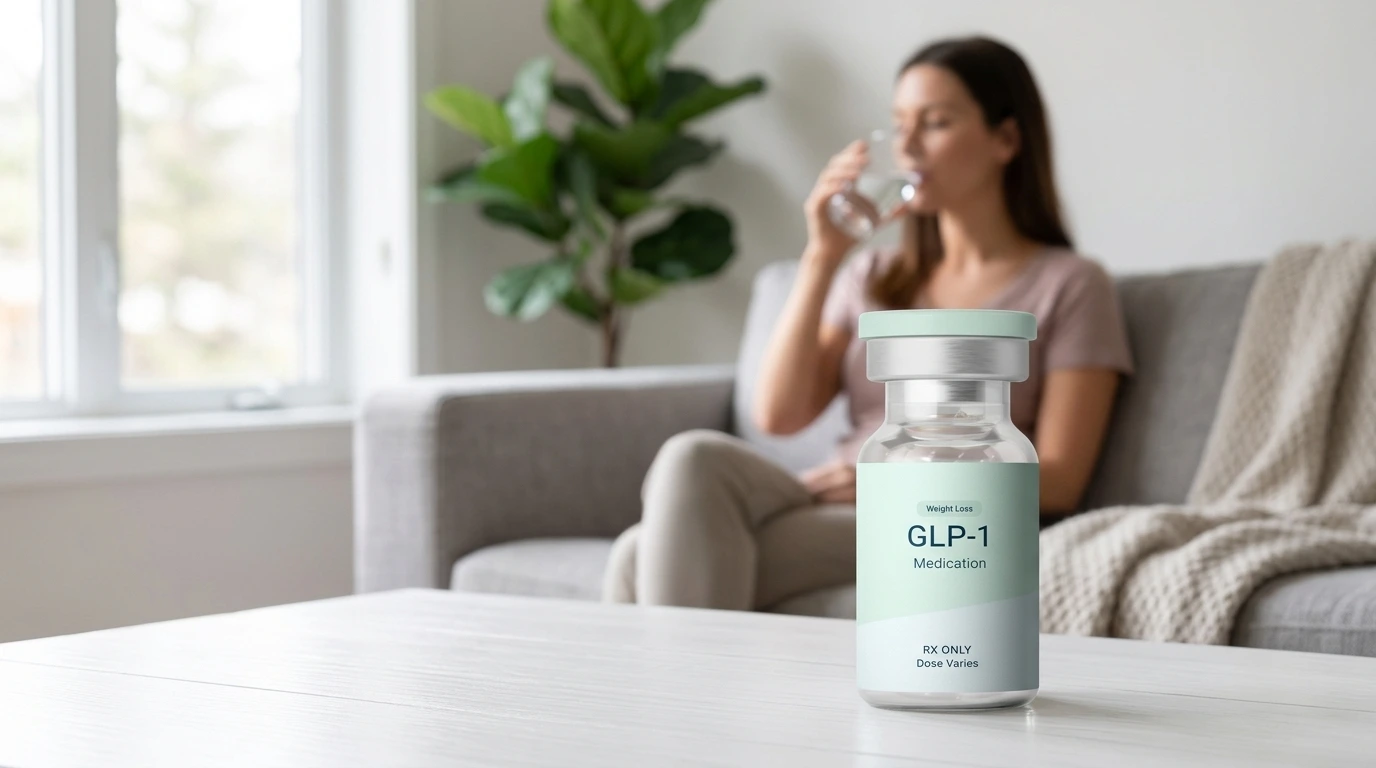
If you have undergone a cholecystectomy, commonly known as gallbladder removal, you may feel like you are navigating a new landscape of digestive health. Many individuals find that while surgery resolves the pain of gallstones, it can also lead to unexpected weight gain or frustrating changes in how they process food. As weight management medications like Wegovy® gain popularity, a common question arises: is it safe to use these treatments without a gallbladder? At TrimRx, we understand that your health journey is unique, and having a surgical history shouldn’t stand in the way of your metabolic goals. This article explores the safety, benefits, and practical considerations of using GLP-1 medications after gallbladder removal. We will cover how these medications interact with your digestive system to help you make an informed decision about your weight loss path.
If you are considering whether a prescription GLP-1 program may fit your medical history, you can complete a free eligibility assessment.
Understanding the Gallbladder and Digestive Changes
The gallbladder is a small, pear-shaped organ located just beneath the liver. Its primary role is to store and concentrate bile, a digestive fluid produced by the liver that helps your body break down fats. When you eat a meal, especially one high in fat, the gallbladder contracts to release a concentrated burst of bile into the small intestine. This ensures that fats are emulsified and absorbed efficiently.
When the gallbladder is removed, typically due to gallstones or inflammation, your body does not stop producing bile. Instead, the liver continues its work, but the storage tank is gone. Bile now flows continuously and directly from the liver into the digestive tract in a constant, less concentrated drip. For most people, the body adapts to this change over time, but it can alter how you react to certain foods or medications.
For additional context about GLP-1 treatment and gallbladder considerations, read what to know about Wegovy and gallstones.
Common Post-Cholecystectomy Symptoms
Many individuals experience what is known as post-cholecystectomy syndrome, a collection of symptoms that can persist after surgery. Because bile is no longer released in response to specific meals, fat digestion can become less efficient. This often leads to:
- Loose stools or chronic diarrhea
- Increased gas and bloating after eating
- Indigestion or upper abdominal discomfort
- Urgency to use the bathroom after consuming fatty foods
Key Takeaway: Without a gallbladder, bile flows continuously into the small intestine rather than in concentrated bursts, which can lead to shifts in fat digestion and bowel habits.
Is Wegovy Safe After Gallbladder Removal?
The short answer is yes. Wegovy® (semaglutide 2.4 mg) can generally be taken safely by individuals who have had their gallbladder removed. In the clinical trials conducted for semaglutide, a history of gallbladder removal was not a reason for exclusion, and regulatory bodies like the FDA and the MHRA do not list previous cholecystectomy as a contraindication for the medication.
Wegovy® belongs to a class of drugs called GLP-1 receptor agonists (glucagon-like peptide-1 receptor agonists). These medications work by mimicking a hormone that targets areas of the brain that regulate appetite and food intake. Because the primary action of the medication occurs in the brain, pancreas, and stomach rather than the biliary system, the absence of a gallbladder does not interfere with the medication’s ability to promote weight loss.
You can also review how semaglutide works in the body before discussing treatment options with a healthcare provider.
Addressing Gallbladder Risks
You may have heard that GLP-1 medications carry a risk of gallbladder-related issues, such as gallstones. While it is true that rapid weight loss can increase the risk of gallstone formation in people who still have their gallbladder, this specific concern is largely removed for those who have already had the organ taken out. However, it is still important to monitor for potential issues in the bile ducts, which remain part of your digestive anatomy.
Quick Answer: Yes, you can safely take Wegovy after gallbladder removal. Previous surgery is not a contraindication, and the medication remains effective for weight management.
How GLP-1 Medications Interact with Your Body
To understand why Wegovy® remains effective post-surgery, it is helpful to look at how semaglutide (the active ingredient in Wegovy® and Ozempic®) and tirzepatide (the active ingredient in Mounjaro® and Zepbound®) function. These medications are receptor agonists, meaning they “turn on” specific pathways in your body.
- Appetite Regulation: They signal to the brain that you are full, which helps reduce the frequency and intensity of food cravings.
- Blood Sugar Control: They stimulate the pancreas to release insulin when blood sugar levels are high and decrease the release of glucagon, which helps stabilize energy levels.
- Gastric Emptying: They slow the rate at which food leaves your stomach. This leads to a prolonged feeling of fullness after eating a smaller portion of food.
None of these primary mechanisms require the presence of a gallbladder. The liver continues to supply the bile necessary for the digestion of the nutrients you consume, even while the medication works to manage your hunger and metabolic rate.
Managing Digestive Side Effects
While the medication is safe, the combination of GLP-1 treatment and a missing gallbladder can create a unique set of digestive circumstances. Both the medication and the lack of a gallbladder can influence bowel movements and stomach comfort.
For a broader overview, see common GLP-1 side effects and what to expect.
Nausea and Slowed Digestion
GLP-1 medications are known to cause nausea, especially during the initial titration phase when the dose is gradually increased. Because the medication slows gastric emptying, food stays in the stomach longer. For someone without a gallbladder, who may already struggle with indigestion, this can occasionally lead to increased bloating or a feeling of “heaviness” after meals.
Changes in Bowel Habits
One of the most common side effects of semaglutide is constipation, though some experience diarrhea. Interestingly, for those who suffer from chronic loose stools after gallbladder removal, the slowing effect of Wegovy® on the digestive tract can sometimes provide a stabilizing effect. Conversely, if the medication causes diarrhea, it may exacerbate existing post-surgical issues.
Bile Acid Malabsorption
In some cases, people without a gallbladder develop bile acid malabsorption, where excess bile acids enter the colon and cause watery diarrhea and urgency. If you are taking a GLP-1 medication, it is important to distinguish between standard medication side effects and symptoms related to bile acid issues.
Note: If you experience persistent or severe diarrhea, it is essential to consult a healthcare provider to determine if it is a side effect of the medication or a separate digestive issue.
Benefits of Weight Management Post-Cholecystectomy
Starting a weight loss program with TrimRx after gallbladder surgery can offer significant health advantages. Many patients find that their metabolism changes after surgery, leading to weight gain that is difficult to shed through diet and exercise alone.
- Preventing Weight Regain: Research suggests that some individuals experience a modest increase in BMI in the years following gallbladder removal. GLP-1 medications can help counteract this trend.
- Cardiovascular Health: Significant weight loss can lead to lower blood pressure and improved cholesterol levels, which are vital for long-term health.
- Metabolic Stability: For those with insulin resistance or type 2 diabetes, these medications provide critical support for blood sugar regulation that operates independently of the biliary system. Weight Loss Boost supplement may also be considered for metabolic support during weight loss.
Dietary Strategies for Success
If you are taking Wegovy® or a compounded semaglutide option without a gallbladder, your diet plays a crucial role in how you feel. A personalized approach can help you minimize side effects while maximizing weight loss results.
Focus on Lean Proteins
Since fat digestion is less efficient without a gallbladder, high-fat meals may cause more discomfort when combined with the slowed digestion of a GLP-1. Prioritize lean sources of protein such as chicken, turkey, fish, tofu, or legumes. These are easier for your body to process and help maintain muscle mass during weight loss.
Incorporate Soluble Fiber
Soluble fiber (found in oats, beans, and certain fruits) can help bind bile acids in the digestive tract. This can be particularly helpful if you experience loose stools. Fiber also supports the feeling of fullness promoted by your medication.
Hydration is Key
Slowing digestion can lead to dehydration if you are not careful, especially if you experience nausea. Aim for consistent water intake throughout the day. Some people find that drinking water between meals rather than during them helps prevent the stomach from feeling overly full.
Smaller, More Frequent Meals
The “slowed stomach” effect of Wegovy® means you will likely get full much faster. Instead of three large meals, try eating smaller portions more frequently. This places less strain on your digestive system’s ability to process fats with the constant drip of bile from your liver.
Key Takeaway: A diet high in lean protein and soluble fiber, combined with smaller meal portions, can help manage digestive symptoms for those using weight loss medications after surgery.
Clinical Monitoring and Safety Cautions
While the risk of gallbladder disease (cholecystitis) is gone, patients without a gallbladder should still be aware of rare but serious complications associated with GLP-1 medications.
Pancreatitis
There is a rare risk of acute pancreatitis associated with GLP-1 receptor agonists. If you experience severe abdominal pain that radiates to your back, persistent vomiting, or a fever, you should seek medical attention immediately.
Bile Duct Stones
Even without a gallbladder, stones can occasionally form in the bile ducts (choledocholithiasis). Symptoms often include yellowing of the skin or eyes (jaundice), dark urine, or pale stools. While rare, these symptoms require an urgent clinical evaluation.
Dehydration and Kidney Function
Severe nausea or diarrhea can lead to dehydration, which may impact kidney health. It is important to stay hydrated and communicate with your healthcare provider if you are unable to keep fluids down.
Important: Always disclose your full surgical history, including gallbladder removal, to your healthcare provider before starting any new medication. This ensures your treatment plan is tailored to your specific health profile.
If you want a provider to review your surgical history and treatment goals, take the free assessment quiz.
Starting Your Journey with TrimRx
Navigating weight loss after surgery shouldn’t feel like a solo mission. At TrimRx, we specialize in providing a telehealth-first experience that prioritizes your safety and individual needs. Our programs are designed to be comprehensive, ensuring you have the support required to succeed without the need for in-person waiting rooms.
When you start with us, you begin by taking a personalized assessment quiz. This helps our partner providers understand your medical history, including your cholecystectomy, to determine the most appropriate treatment path for you. Whether you are prescribed compounded semaglutide or another GLP-1 option, the medication is shipped directly from FDA-registered, inspected compounding pharmacies to your door.
Our mission is to merge clinical expertise with empathetic care. We provide 24/7 access to specialists who can help you manage side effects, answer questions about your digestion, and guide you through the titration process. With no hidden fees and a transparent approach, we are here to help you achieve sustainable weight loss through science and support.
Conclusion
Taking Wegovy® or other GLP-1 medications after having your gallbladder removed is not only possible but can be a highly effective way to manage your weight and metabolic health. While the way your body processes fats has changed, the brain-based hunger signals targeted by these medications remain the same. By focusing on a balanced, lower-fat diet and working closely with a supportive team, you can navigate your weight loss journey with confidence.
Next Steps for Your Health:
- Reflect on your current digestive health and any lingering post-surgery symptoms.
- Consider how a personalized weight management program could support your long-term goals.
- Take the first step by completing our free assessment quiz to see if a GLP-1 program is right for you.
“Weight loss is not a one-size-fits-all process, especially when your digestive anatomy has changed. Success comes from combining the right clinical tools with a lifestyle that honors your body’s new way of working.”
FAQ
Does Wegovy work differently if I don’t have a gallbladder?
The medication works exactly the same way in your brain and pancreas regardless of your gallbladder status. It continues to reduce appetite and slow gastric emptying, which are the primary drivers of weight loss, though you may need to be more mindful of fat intake to avoid digestive discomfort.
For more information about treatment mechanisms, read how semaglutide works.
Can I still get gallstones if my gallbladder was removed?
While you cannot get stones in the gallbladder itself once it is removed, it is still possible—though rare—to develop stones in the bile ducts. If you experience severe upper abdominal pain, jaundice, or fever while on Wegovy®, you should consult a doctor immediately to rule out biliary complications.
Will Wegovy make my post-surgery diarrhea worse?
It depends on the individual. For some, the medication’s ability to slow down the digestive tract actually helps reduce the frequency of loose stools associated with gallbladder removal. For others, diarrhea is a side effect of the medication itself, so monitoring your symptoms during the early stages of treatment is important.
You can review strategies for managing common GLP-1 side effects while discussing persistent symptoms with a healthcare provider.
What foods should I avoid when taking a GLP-1 without a gallbladder?
It is generally best to avoid high-fat, greasy, or fried foods. Without a gallbladder to provide a concentrated dose of bile, and with the medication slowing down your stomach, these foods can lead to significant nausea, bloating, and urgent bowel movements.
Disclaimer: This content is for informational purposes only and does not constitute medical advice. It is not intended to diagnose, treat, cure, or prevent any disease or condition. Individual results may vary. Always consult a qualified healthcare professional before starting any weight loss program or medication.

Transforming Lives, One Step at a Time
Keep reading
Can You Eat Meatloaf on Wegovy?
Meatloaf is classic home cooking: ground meat mixed with breadcrumbs, egg, and seasoning, baked with a sweet tomato glaze, and served with mashed potatoes…

Can You Eat Cheesecake on Wegovy?
Cheesecake is a celebration dessert for many people: birthdays, anniversaries, holidays, or a special dinner out. It is also one of the richest desserts…
Can You Eat Lentils on Wegovy?
Lentils are one of the most affordable, nutritious foods around. They are rich in plant protein, fiber, iron, and folate, cook quickly without soaking,…


