Can You Take Wegovy If You Have Glaucoma?
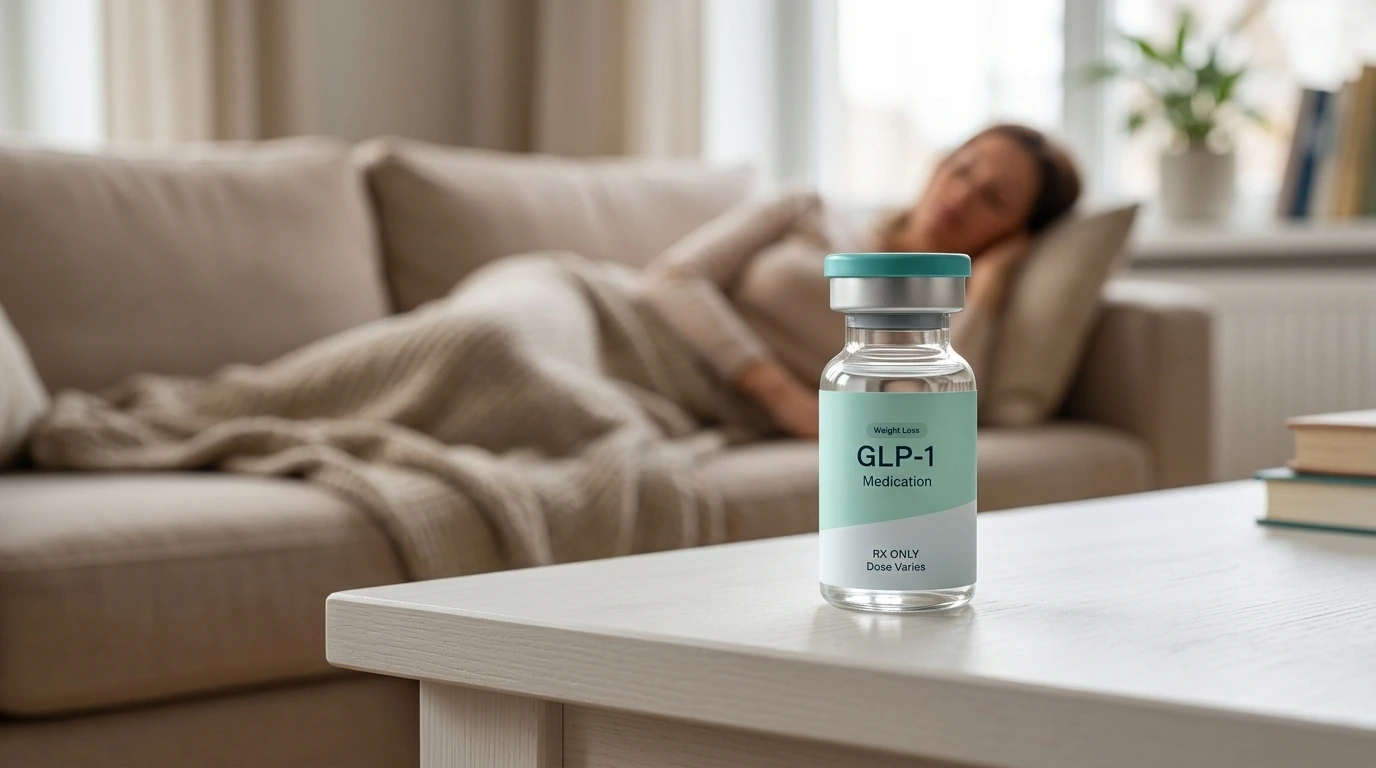
Introduction
Managing a chronic health condition like glaucoma requires a careful approach to any new medication. If you are also struggling with weight management, you may have wondered if GLP-1 medications like Wegovy® are safe for your eyes. Navigating the intersection of metabolic health and ocular safety can feel overwhelming, especially when news headlines mention potential vision risks.
At TrimRx, we believe that personalized care is the foundation of a successful weight loss journey. This post explores the current clinical evidence regarding Wegovy® (semaglutide) and glaucoma, the potential impact on intraocular pressure, and the importance of professional medical supervision. While glaucoma is not currently a formal contraindication for this class of medication, understanding how these treatments interact with your eye health is essential for making an informed decision. Our goal is to provide you with the clarity needed to discuss these options with your healthcare team.
Quick Answer: Currently, glaucoma is not listed as a contraindication for Wegovy®. Clinical evidence does not suggest that semaglutide directly increases eye pressure or worsens glaucoma, though patients should still consult both their prescribing provider and ophthalmologist before beginning treatment.
Understanding Wegovy and Its Mechanism
Wegovy® is a brand-name prescription medication that contains the active ingredient semaglutide. It belongs to a class of drugs known as GLP-1 receptor agonists (glucagon-like peptide-1 receptor agonists). Originally developed to help manage type 2 diabetes, these medications are now widely used for chronic weight management in adults with obesity or overweight and at least one weight-related condition.
The medication works by mimicking a naturally occurring hormone in your body called GLP-1. This hormone is responsible for several key functions in the metabolic process. First, it slows down gastric emptying, which means food stays in your stomach longer, helping you feel full. Second, it interacts with the appetite centers in the brain to reduce hunger signals and cravings. Third, it helps the pancreas release the appropriate amount of insulin when blood sugar levels are high. For a broader overview, read about how GLP-1 medications work.
For most individuals, this triple-action approach leads to significant weight loss when combined with lifestyle changes. However, because GLP-1 receptors are located in various tissues throughout the body—including the eyes—researchers and patients alike are interested in how these medications affect ocular health.
Is Glaucoma a Contraindication for Wegovy?
A contraindication is a specific situation in which a drug, procedure, or surgery should not be used because it may be harmful to the person. Currently, glaucoma is not listed as a contraindication in the official prescribing information for Wegovy®. This means that having the condition does not automatically disqualify you from using the medication.
Clinical trials for semaglutide did not identify glaucoma as a primary safety concern. Furthermore, the medication is not known to affect the drainage of fluid from the eye or the production of aqueous humor, which are the two main factors that influence intraocular pressure (IOP). Most patients with well-controlled glaucoma can safely explore GLP-1 treatments under the guidance of a physician. If you want to explore whether a prescription program may be appropriate, complete a free eligibility assessment.
Key Takeaway: Glaucoma does not prevent you from using Wegovy®, but the decision should be based on an individual assessment of your eye health, current medications, and the stability of your intraocular pressure.
How Wegovy May Affect Intraocular Pressure
Intraocular pressure is the fluid pressure inside the eye. In glaucoma, this pressure is often too high, which can damage the optic nerve and lead to vision loss. One of the primary concerns for patients is whether semaglutide will cause a spike in this pressure.
Current scientific literature does not show a direct link between semaglutide and increased IOP. In fact, some evidence suggests that significant weight loss and improved metabolic health might have a protective effect on the eyes. High blood pressure and insulin resistance are both risk factors for glaucoma progression; by addressing these through a program like ours, a patient may actually support their overall ocular vascular health.
For additional context about semaglutide and eye-related concerns, review this guide on how semaglutide may affect the eyes.
However, there are indirect factors to consider:
- Vomiting and Straining: One common side effect of semaglutide is nausea which may lead to vomiting. Intense vomiting can cause temporary, sharp increases in eye pressure due to physical straining.
- Dehydration: Severe gastrointestinal side effects can lead to dehydration, which may subtly affect fluid balance in the body, including the eyes.
- Rapid Glucose Changes: While more relevant to diabetic retinopathy, a very rapid drop in blood sugar can sometimes cause temporary blurred vision as the lens of the eye adjusts.
The Connection Between Semaglutide and NAION
In mid-2024, a study published in JAMA Ophthalmology by researchers at Mass Eye and Ear suggested a potential link between semaglutide and a rare condition called non-arteritic anterior ischemic optic neuropathy (NAION). This condition is often described as a “stroke of the eye” because it occurs when blood flow to the optic nerve is blocked, causing sudden, painless vision loss.
The study found that patients prescribed semaglutide for obesity or diabetes had a higher risk of being diagnosed with NAION compared to those on other medications. While these findings sounds alarming, it is important to view them with clinical context:
- Observational Only: The study was retrospective, meaning it looked at past data. It does not prove that semaglutide causes NAION.
- Existing Risk Factors: People with diabetes and high blood pressure are already at a higher risk for NAION, regardless of the medication they take.
- Rarity: NAION remains an extremely rare condition in the general population.
If you have a history of optic nerve issues or have previously experienced NAION in one eye, your healthcare provider will likely exercise extra caution before recommending a GLP-1 medication. The related discussion of semaglutide, glaucoma, and optic nerve concerns may help you prepare for that conversation.
Factors to Consider for Different Types of Glaucoma
Not all glaucoma is the same, and the specific type you have may influence how your medical team monitors your progress on a weight loss program.
| Glaucoma Type | Primary Concern | Clinical Outlook |
|---|---|---|
| Open-Angle Glaucoma | Long-term pressure stability | Generally safe; standard monitoring is usually sufficient. |
| Angle-Closure Glaucoma | Sudden pressure spikes | Focus on avoiding medications that dilate the pupil (Wegovy is not known to do this). |
| Normal-Tension Glaucoma | Optic nerve blood flow | Focus on maintaining stable blood pressure, as GLP-1s can lower systemic blood pressure. |
| Secondary Glaucoma | Underlying cause (e.g., steroid use) | Safety depends on the primary cause of the elevated pressure. |
The Importance of Professional Supervision
At TrimRx, we emphasize that weight loss is not a “one size fits all” process. This is especially true for individuals with pre-existing medical conditions like glaucoma. Our platform connects you with licensed healthcare providers who review your entire medical history before determining if a personalized weight loss program is right for you. You can take the free assessment quiz to begin sharing your health history with the clinical team.
When you use a telehealth platform, you receive the benefit of regular check-ins and the ability to report any changes in your health immediately. For a glaucoma patient, this might include discussing any new visual symptoms or ensuring that your weight loss journey doesn’t interfere with your existing eye drop regimen. Learn more about common GLP-1 side effects and how to manage them.
Note: Always provide your prescribing physician with a full list of your glaucoma medications. While most eye drops have minimal systemic absorption, your provider needs the complete picture to ensure there are no rare interactions.
Potential Benefits of Weight Loss for Glaucoma Patients
While much of the conversation focuses on risk, it is worth noting the potential benefits of weight reduction for eye health. Obesity is often associated with systemic inflammation and vascular dysfunction, both of which can exacerbate glaucoma.
Metabolic Improvement: Losing weight can help stabilize blood sugar and improve insulin sensitivity. For those with “diabetic glaucoma,” this is a critical step in preserving long-term vision.
Blood Pressure Regulation: While semaglutide can lower blood pressure—which requires monitoring in normal-tension glaucoma—standardizing blood pressure into a healthy range is generally beneficial for the vascular health of the optic nerve.
Reduced Inflammation: Adipose tissue (body fat) releases inflammatory markers. Reducing this tissue through a managed program may lower overall systemic inflammation. For general metabolic support during weight loss, you can explore the Weight Loss Boost supplement.
Steps to Take Before Starting a Weight Loss Program
If you are living with glaucoma and are ready to take the next step in your weight loss journey, follow these steps to ensure your safety:
Step 1: Consult Your Ophthalmologist / Schedule a baseline eye exam to confirm your current intraocular pressure and the health of your optic nerve. Inform them you are considering a GLP-1 medication.
Step 2: Complete the TrimRx Assessment / Use our online assessment quiz to provide details about your health history, including your glaucoma diagnosis. This helps our affiliated providers understand your unique profile.
Step 3: Monitor Your Vision / Once you begin a program, stay vigilant. Report any sudden changes, such as blurred vision, “halos” around lights, or a loss of peripheral vision, to your doctor immediately.
Step 4: Maintain Your Eye Care Routine / Never stop taking your prescribed glaucoma eye drops or skip your ophthalmology appointments because you have started a weight loss medication.
Managing Common Side Effects to Protect Your Eyes
As mentioned earlier, the primary indirect risk to your eye pressure comes from the gastrointestinal side effects of Wegovy®. Nausea and vomiting are most common when you first start the medication or when your dose increases.
To minimize these risks:
- Eat smaller, more frequent meals to reduce the likelihood of nausea.
- Stay hydrated with water and electrolytes to maintain healthy fluid balance.
- Follow the titration schedule provided by your healthcare professional. Most GLP-1 programs start with a very low dose and increase slowly over several months to allow your body to adjust.
If you experience severe or persistent vomiting, contact your healthcare provider. They may suggest anti-nausea medication or adjust your dosage to prevent the physical straining that can lead to temporary intraocular pressure spikes. For additional nutritional support when appetite is reduced, consider the GLP-1 Daily Support supplement.
Personalized Weight Loss at TrimRx
We understand that the decision to start a medication like Wegovy® involves balancing the desire for health improvement with the need to protect your vision. Our mission is to make science-backed weight loss accessible, transparent, and safe for everyone, regardless of their medical background.
By utilizing a telehealth-first approach, we allow you to consult with experts from the comfort of your home. If a provider determines that semaglutide is appropriate for you, we facilitate the process through FDA-registered, inspected compounding pharmacies to ensure you receive high-quality care. This personalized approach means your treatment plan is built around your specific needs, taking your glaucoma and other health factors into account. If you want to understand the telehealth process in more detail, read this guide to getting semaglutide for weight loss online.
Conclusion
Can you take Wegovy® if you have glaucoma? For many people, the answer is yes. Glaucoma is not a barrier to accessing GLP-1 medications, but it does require an extra layer of clinical care and communication. The current evidence suggests that semaglutide does not directly harm the eyes of glaucoma patients, and the benefits of achieving a healthier weight may even support your long-term ocular health.
The key to success is working with a team that understands the nuances of your health. By combining regular ophthalmological check-ups with a medically supervised weight loss program, you can move toward your goals with confidence.
- Glaucoma is not a contraindication for semaglutide.
- Standard eye pressure monitoring should continue throughout your treatment.
- Report any sudden vision changes to a medical professional immediately.
- Weight loss may provide secondary benefits for vascular and metabolic health.
Bottom line: While Wegovy® is generally safe for those with glaucoma, professional guidance and regular eye exams are essential for a safe and effective journey.
If you are ready to see if a personalized program is right for you, the first step is simple. Find out if GLP-1 medications are right for you and begin your journey with a team that prioritizes your health and safety at every step.
FAQ
Does Wegovy cause high eye pressure?
There is no clinical evidence to suggest that Wegovy® or its active ingredient, semaglutide, causes a direct increase in intraocular pressure. However, secondary factors like severe vomiting from side effects can cause temporary pressure spikes due to physical straining. Always maintain your regular check-ups with an ophthalmologist to monitor your pressure levels while on the medication.
Can semaglutide make my glaucoma worse?
Currently, semaglutide is not known to worsen glaucoma or accelerate the progression of the disease. Most experts believe the medication is safe for patients with well-controlled glaucoma. Because everyone reacts differently to medication, it is vital to stay in close contact with your eye doctor to ensure your optic nerve remains healthy throughout your weight loss journey.
What should I do if I notice vision changes on Wegovy?
If you experience sudden blurred vision, a loss of peripheral vision, or pain in the eye, you should contact your ophthalmologist and your prescribing physician immediately. While some mild blurring can occur as blood sugar levels stabilize, sudden or severe changes require a professional evaluation to rule out rare conditions like NAION. You can also review this guide to vision changes associated with GLP-1 medications for additional context.
Are there weight loss medications that are safer for glaucoma?
Because glaucoma is not a contraindication for GLP-1s, many providers consider them a viable option. Other weight loss medications, such as those containing stimulants, may have different effects on the cardiovascular system that could indirectly affect the eyes. A personalized assessment through a platform like ours is the best way to determine which medication aligns with your specific health profile and glaucoma type. Complete a free eligibility assessment to discuss your health history with a qualified provider.
Disclaimer: This content is for informational purposes only and does not constitute medical advice. It is not intended to diagnose, treat, cure, or prevent any disease or condition. Individual results may vary. Always consult a qualified healthcare professional before starting any weight loss program or medication.

Transforming Lives, One Step at a Time
Keep reading
Can You Eat Meatloaf on Wegovy?
Meatloaf is classic home cooking: ground meat mixed with breadcrumbs, egg, and seasoning, baked with a sweet tomato glaze, and served with mashed potatoes…

Can You Eat Cheesecake on Wegovy?
Cheesecake is a celebration dessert for many people: birthdays, anniversaries, holidays, or a special dinner out. It is also one of the richest desserts…
Can You Eat Lentils on Wegovy?
Lentils are one of the most affordable, nutritious foods around. They are rich in plant protein, fiber, iron, and folate, cook quickly without soaking,…


