Navigating Surgery with GLP-1 Medications: Can You Take Wegovy Before a Procedure?
Introduction
The call from your surgeon’s office confirms the date for your upcoming procedure, and a wave of preparation tasks washes over you. Among the crucial instructions, the age-old directive to fast before anesthesia rings clear. But what if your daily or weekly health regimen includes a groundbreaking medication like Wegovy or other GLP-1 receptor agonists, specifically designed to slow digestion? This seemingly simple question opens a vital conversation in modern medicine, one that profoundly impacts patient safety and surgical outcomes. As these powerful medications gain prominence in managing conditions like type 2 diabetes and supporting significant weight loss, their interaction with surgical anesthesia has become a focal point for medical professionals and patients alike.
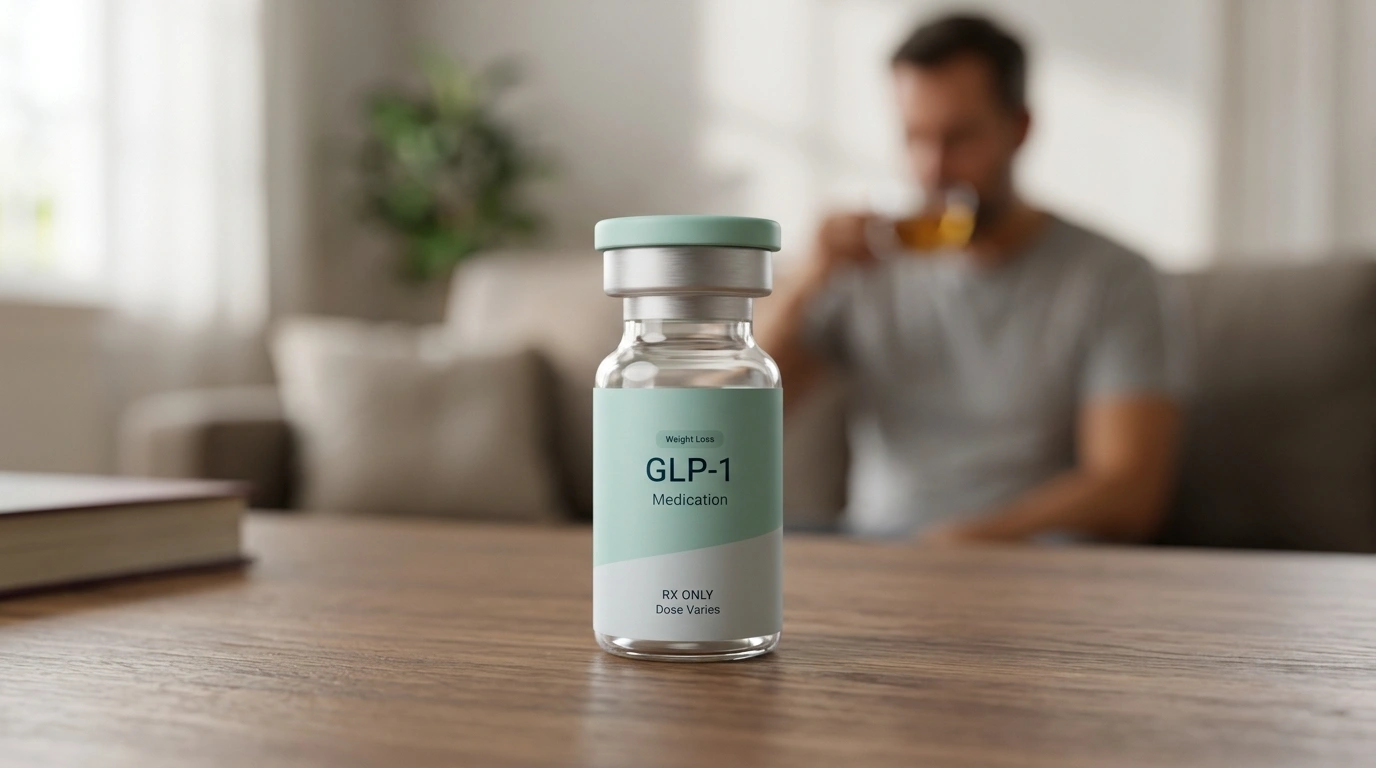
Glucagon-like peptide-1 (GLP-1) receptor agonists, including popular medications such as Semaglutide (Ozempic®, Wegovy®) and Tirzepatide (Mounjaro®, Zepbound®), work by mimicking natural hormones that help control blood sugar, regulate appetite, and crucially, slow down the rate at which food leaves the stomach. This delayed gastric emptying is a key mechanism for their therapeutic effects, helping individuals feel fuller longer and manage their weight effectively. However, in the context of surgery requiring anesthesia, a full or partially full stomach poses a significant and potentially life-threatening risk: pulmonary aspiration. This occurs when stomach contents are regurgitated and inhaled into the lungs, leading to severe complications like pneumonia or acute respiratory distress.
Our purpose in this comprehensive guide is to illuminate this complex interplay, offering clarity on why “can you take Wegovy before surgery” is a question that demands a nuanced, personalized answer. We will delve into the scientific rationale behind the recommendations from leading medical societies, explore the evolving expert opinions, and provide actionable insights to ensure your safety and optimize your surgical preparation. Understanding these guidelines, and critically, communicating openly with your entire healthcare team, is paramount. At TrimRx, we believe that empowering individuals with accurate, science-backed information is fundamental to a safe and effective health journey. We are dedicated to merging cutting-edge telehealth innovations with effective weight loss solutions, always prioritizing medically supervised care that is tailored to you. Together, we’ll navigate the latest recommendations, helping you prepare confidently for your procedure while continuing your path toward a healthier lifestyle.
The Critical Link Between GLP-1 Medications and Surgical Safety
The journey to a healthier lifestyle often involves medical advancements that profoundly change how we manage our well-being. For many, GLP-1 receptor agonists have emerged as powerful allies in managing type 2 diabetes and achieving sustainable weight loss. Yet, as with any potent medication, understanding its full spectrum of effects, especially when faced with significant medical events like surgery, is essential.
Understanding GLP-1 Receptor Agonists and Their Mechanism
GLP-1 receptor agonists are a class of medications that mimic the action of a naturally occurring hormone called glucagon-like peptide-1. This hormone plays several vital roles in the body. Primarily, it stimulates the pancreas to release insulin in response to elevated blood glucose levels, making these drugs highly effective for individuals with type 2 diabetes. Beyond glucose regulation, GLP-1s also impact appetite control, signaling to the brain that you are full, which naturally leads to reduced food intake.
However, one of their most significant mechanisms, particularly relevant to surgical contexts, is their ability to delay gastric emptying. This means that food remains in the stomach for a longer period than usual. For weight management, this extended feeling of fullness contributes to satiety and helps reduce overall calorie consumption. For diabetes management, it helps smooth out post-meal glucose spikes. Popular examples of these medications include Semaglutide (available as Ozempic® for diabetes and Wegovy® for weight loss) and Tirzepatide (Mounjaro® for diabetes and Zepbound® for weight loss). While their efficacy in achieving their therapeutic goals is well-documented, this delay in gastric emptying introduces a unique consideration for patients undergoing procedures that require anesthesia.
Why an Empty Stomach is Non-Negotiable for Anesthesia
The directive to fast before surgery is one of the oldest and most critical safety protocols in medicine, with roots stretching back to the early days of anesthesia in the 1840s. The reason is starkly simple: a full stomach, or even one with residual contents, poses a severe risk of pulmonary aspiration during anesthesia.
When a patient is under general anesthesia or deep sedation, their protective airway reflexes – such as coughing and swallowing – are significantly diminished or entirely absent. If stomach contents, whether food particles, liquids, or stomach acid, are regurgitated during this vulnerable period, they can be inadvertently inhaled into the lungs. This event, known as pulmonary aspiration, can lead to a range of severe complications, from aspiration pneumonitis (inflammation of the lungs) to bacterial pneumonia, acute respiratory distress syndrome, and, in tragic cases, even death. Anesthesiologists are meticulously stringent about fasting guidelines because of this profound risk. They understand that every effort must be made to ensure the stomach is empty to protect the patient’s airway, especially during the critical moments of inducing and emerging from anesthesia when the airway may not be fully secured by a breathing tube.
The Emerging Concern: GLP-1s and Unexpected Gastric Contents
For decades, standard fasting protocols—typically ceasing solid food intake 6-8 hours prior and clear liquids 2 hours prior—have been effective in ensuring an empty stomach for most patients. However, with the widespread adoption of GLP-1 receptor agonists, anesthesiologists began reporting a troubling trend: patients who diligently followed fasting instructions were still found to have significant amounts of undigested food in their stomachs during surgery. These anecdotal reports and case studies, where doctors sometimes observed “noodles in the back of her throat” even after prolonged fasting, quickly raised red flags across the medical community.
The concern stems directly from the known mechanism of GLP-1s: their ability to significantly slow gastric emptying. While beneficial for managing weight and blood sugar, this effect can mean that food consumed many hours, or even a full day, before surgery may still be present in the stomach. This creates an unexpected and dangerous scenario where standard fasting times are rendered insufficient, increasing the risk of aspiration. The growing body of evidence, including reports of residual gastric contents during elective endoscopies despite preoperative fasting, underscores the urgency with which medical professionals are addressing this unique challenge. It became clear that the standard playbook for pre-surgical fasting might need to be re-written for patients on these medications.
Navigating the Guidelines: What Medical Societies Recommend
In response to the growing concerns about GLP-1 medications and surgical safety, leading medical organizations have begun issuing guidance to help healthcare providers and patients navigate these new complexities. It is crucial to understand that these recommendations are evolving as more data becomes available, reflecting a cautious but proactive approach to patient care.
American Society of Anesthesiologists (ASA) Guidance: A Foundational Stance
The American Society of Anesthesiologists (ASA), the foremost authority on anesthesia practices in the United States, was among the first to issue formal guidance on the preoperative management of patients on GLP-1 receptor agonists. Their initial consensus-based recommendations, published in June 2023, highlighted specific considerations:
- For patients taking daily doses of GLP-1 agonists: The ASA recommended that patients consider holding their medication on the day of the procedure.
- For patients taking weekly doses of GLP-1 agonists (such as Wegovy®): The guidance advised considering holding the medication for one week prior to the scheduled procedure.
The primary rationale behind these recommendations is to mitigate the risk of pulmonary aspiration due to delayed gastric emptying. The ASA emphasized that these suggestions apply regardless of the medication’s indication (whether for type 2 diabetes or weight loss) or the specific type of surgery.
It’s important to note that this guidance specifically targets elective surgeries, where there is time for planned cessation of medication. In emergency surgery situations, where there is no opportunity for pre-operative adjustments, anesthesiologists must proceed as if the patient has a full stomach, often employing techniques like rapid sequence induction, which involves quickly inducing anesthesia and securing the airway with a breathing tube within seconds.
The ASA acknowledged that these were consensus-based guidance rather than formal guidelines, primarily due to the limited scientific literature directly addressing the duration of gastric emptying delay specifically in fasted GLP-1 users. This underscores the ongoing need for further research to provide more definitive, evidence-based protocols.
American Association of Nurse Anesthesiology (AANA) Considerations
Echoing the ASA’s stance, the American Association of Nurse Anesthesiology (AANA) also published considerations for anesthesia care for patients on GLP-1 medications. Their recommendations largely align with the ASA, advising that if a daily dose of a GLP-1 medication is taken, patients should consider holding it on the day of surgery. For weekly doses, such as with Wegovy®, the recommendation is to consider holding the medication for one week before the surgery or procedure. The AANA also stresses the importance of facilities developing their own policies and procedures that align with the best available evidence, emphasizing that anesthesia professionals should be well-versed in the implications of these drugs.
American Gastroenterological Association (AGA) Perspective: A Different View
While the anesthesiology societies leaned towards precautionary holds, the American Gastroenterological Association (AGA) offered a slightly different perspective, particularly regarding endoscopic procedures. In a clinical practice update, the AGA found insufficient data to support a universal recommendation for patients to stop GLP-1 medication prior to elective endoscopy.
The AGA’s position highlights several key points:
- They question whether a one-week hold is truly sufficient to prevent aspiration, given the long half-life of many GLP-1 medications.
- For individuals with severe gastroparesis scheduled for endoscopy, gastroenterologists often advise a clear liquid diet the day before, excluding solid food. The AGA suggests this advice may be extended to patients on GLP-1 receptor agonists.
- Their update emphasizes the need for more robust data to inform precise guidelines for GLP-1 users undergoing endoscopy.
This differing viewpoint underscores the complexity of the issue and the ongoing debate within the medical community as more evidence emerges.
Newer Research Challenging Extended Holds: The Evolving Science
As medical professionals continue to gather data and conduct studies, newer research is beginning to provide additional perspectives that may refine the current guidelines. A notable study led by Dr. Thomas R. McCarty, a gastroenterologist and researcher at Houston Methodist Hospital, challenged the seven-day hold recommendation, particularly for all surgeries or endoscopies.
This meta-analysis, published in the American Journal of Gastroenterology, synthesized data from 36 randomized controlled trials involving over 1,500 patients. The findings indicated that while GLP-1 agonists do delay gastric emptying of solid foods, this delay was relatively minor—approximately 36 minutes. Crucially, for liquids (relevant for procedures like colonoscopies), there was no significant delay in gastric emptying.
The implications of this research are significant:
- The study suggests that for many patients, the standard pre-procedure fasting period (e.g., six hours for solids) might still be sufficient to mitigate aspiration risks, even when on GLP-1s.
- It highlights the potential impact of prolonged medication holds on blood glucose control for diabetic patients, emphasizing the need to balance aspiration risk with the benefits of medication adherence.
- The study identified a low aspiration risk (approximately three in 100,000 patients), further prompting a reevaluation of the need for extended holds for all procedures.
Dr. McCarty emphasized the need for evidence-based guidelines and interdisciplinary cooperation to ensure patient safety without unnecessarily disrupting essential medication regimens. While this research is promising, it also highlights that the scientific understanding is continually evolving, and a standardized approach based on robust, multidisciplinary data is still being developed.
Expert Divergence: The Debate Over Fasting Durations
The discussions among medical experts reveal a spectrum of opinions regarding the ideal fasting duration for GLP-1 users. While the ASA balanced practicality with safety in its one-week hold recommendation for weekly doses, some anesthesiologists have called for even longer breaks. An editorial in the Canadian Journal of Anesthesia, for example, suggested that patients might need to avoid GLP-1 drugs for at least three weeks before anesthesia to allow for approximately 90% of the drug to clear the bloodstream.
However, the authors of this suggestion also acknowledged the practical challenges and potential consequences of such a long hold, including effects on blood sugar levels for diabetic patients and potential weight regain for those using it for weight management. The complexity lies in the fact that drug clearance from the bloodstream doesn’t directly translate to an immediate return to normal gastric emptying rates.
The ongoing debate underscores the lack of definitive, large-scale studies directly observing gastric contents in fasted GLP-1 patients at various cessation intervals. As Dr. Philip Jones, an anesthesiologist at the Mayo Clinic, noted, “No one knows the extent of this issue or even whether it is an issue. All I can say is that, between case reports and small observational studies, there’s a concerning signal.”
This divergence among experts highlights that while the risk of aspiration is serious, the precise duration required to ensure an empty stomach for every patient on a GLP-1 agonist remains an active area of investigation. It also emphasizes the imperative for an individualized approach, where the patient’s specific medication, health profile, and type of procedure are all carefully considered.
Personalized Pre-Surgical Planning for GLP-1 Users
Given the complexities and evolving guidance surrounding GLP-1 medications and surgery, a personalized and proactive approach to pre-surgical planning is not just recommended, but essential. Your safety is paramount, and a collaborative effort between you and your healthcare team is key to navigating this safely.
The Absolute Imperative of Open Communication
The single most critical step for any patient taking a GLP-1 receptor agonist who is scheduled for surgery is open and thorough communication with their entire healthcare team. This includes:
- Your Prescribing Physician: Whether it’s your endocrinologist, primary care provider, or weight management specialist, this doctor can advise on the safest way to pause or adjust your medication, especially if you have diabetes and need temporary alternative therapies to manage blood sugar levels.
- Your Surgeon: It’s vital that your surgeon is aware of all medications you are taking, including GLP-1s, as they coordinate your overall care. They can then communicate this to the anesthesiology team.
- Your Anesthesiologist: This is arguably the most crucial conversation. The anesthesiologist is directly responsible for your safety during the procedure, particularly regarding airway management and aspiration risk. They need to know precisely which GLP-1 you are on (e.g., daily dose like some oral Semaglutide, or weekly injection like Wegovy®), when your last dose was, and any potential side effects you’ve experienced. Many patients may not automatically volunteer this information, assuming it’s irrelevant, so it’s your responsibility to bring it up explicitly. Some smaller healthcare facilities or individual surgeons might even be unaware of the latest ASA guidance, making your proactive disclosure even more critical.
Failure to disclose this information could lead to unexpected gastric contents during surgery, significantly increasing your risk of aspiration and potentially leading to the postponement of your elective procedure or, worse, serious complications.
Developing a Tailored Pre-Surgical Plan
Once all members of your care team are informed, they can work together to develop a personalized pre-surgical plan that balances the benefits of your GLP-1 medication with the safety requirements of anesthesia. This plan might involve several strategies:
- Medication Hold Schedule: Based on your specific GLP-1 medication (daily vs. weekly) and the type of surgery, your team will recommend a specific hold period. For weekly injectables like Wegovy®, the current ASA guidance suggests considering a one-week hold prior to the procedure. However, individual factors may lead to different recommendations.
- Blood Sugar Management (for Diabetic Patients): If you are taking a GLP-1 for diabetes management, stopping it, even temporarily, can impact your blood glucose levels. Your prescribing doctor or endocrinologist will develop a strategy to manage your diabetes during the cessation period, which might involve short-acting insulins or other oral medications, to prevent hyperglycemia.
- Adjusted Fasting Protocols: In some cases, beyond just holding the medication, your team might recommend an extended fasting period for solid foods (e.g., 24 hours or longer) or a strict clear liquid diet for a full day before the procedure to allow for more complete gastric emptying.
- Pre-operative Imaging: Some anesthesia professionals may consider using a pre-operative stomach ultrasound to ascertain the status of gastric contents immediately before surgery. If significant contents are observed, they might recommend delaying an elective procedure or proceeding with a “full stomach protocol” (like rapid sequence induction) to reduce aspiration risk, even if it wasn’t initially planned.
- Postponement of Elective Procedures: For elective surgeries, if there are significant concerns about gastric emptying that cannot be adequately mitigated, postponing the procedure until the medication has sufficiently cleared your system or until a safer plan can be implemented is a viable and often safer option.
The Role of TrimRx in Your Health Journey
At TrimRx, our entire journey began with a shared vision to help individuals embrace healthier lifestyles by merging cutting-edge telehealth innovations with effective weight loss solutions. We understand that your health journey is unique, and sometimes, unforeseen challenges like preparing for surgery while on a GLP-1 medication can arise. Our platform is meticulously designed to be a user-friendly and supportive space where individuals receive personalized, medically supervised care—all designed to make sustainable weight loss attainable and tailored to the individual.
We believe that sustainable weight loss should be achieved through science, empathy, and a transparent approach. Our brand personality is rooted in being empathetic, innovative, trustworthy, supportive, results-oriented, and personalized. We offer compassionate care that respects every individual’s unique journey by combining advanced medical science with modern technology.
When you partner with TrimRx, you gain access to a comprehensive service that includes:
- Doctor Consultations: Our licensed medical professionals will assess your health, discuss your goals, and, if you qualify, develop a personalized treatment plan that considers all aspects of your health, including any upcoming procedures.
- Medication: We offer clinically proven weight loss solutions, including Compounded Semaglutide, Oral Semaglutide, Ozempic®, Compounded Tirzepatide, Oral Tirzepatide, Mounjaro®, Zepbound®, and Wegovy®. It’s important to remember that our medications are provided through FDA-registered, inspected, and approved pharmacies, ensuring the highest standards of safety and quality. While branded medications like Ozempic® and Zepbound® have FDA approval, compounded medications are not FDA approved. TrimRx partners with these pharmacies for the shipping of weight loss medications and does not provide actual medical supervision.
- Lab Work: Essential lab tests help us understand your baseline health and monitor your progress safely.
- Unlimited Support: Our dedicated team is here to support you every step of the way, addressing your questions and helping you navigate any concerns, including how your medication might interact with other medical needs like surgery.
- Shipping with No Hidden Fees: We ensure a transparent service with all costs clearly communicated, reflecting our commitment to honesty and clarity. Our approach remains consistent regardless of dosage changes.
Ready to start your personalized weight loss journey? To see if you qualify for our prescription weight loss medications, we encourage you to [take our free assessment quiz]. This quick, confidential quiz helps us understand your unique needs and determine the best path forward for you.
For immediate support and to complement your overall wellness during your weight loss journey, we also offer quick-access supplements that do not require a quiz:
- GLP-1 Daily Support: Explore the benefits of our [GLP-1 Daily Support] supplement.
- Weight Loss Boost: Discover how our [Weight Loss Boost] supplement can enhance your efforts.
We are committed to helping you achieve your health goals safely and effectively, providing the resources and support you need for every phase of your journey.
Beyond Surgery: Sustaining Your Health Journey
Navigating surgery while on a GLP-1 medication is a significant, yet manageable, chapter in your broader health journey. The focus on immediate pre-surgical safety transitions into the importance of continued, sustained wellness. Understanding how to resume your medication and maintain your progress post-surgery is just as vital as your preparation.
Resuming Medication Post-Surgery
Generally, for elective procedures, patients can typically resume their GLP-1 agonist medication the day after surgery, assuming no complications and with direct guidance from their healthcare provider. However, this is not a one-size-fits-all directive. The timing of resumption will depend on several factors:
- Type of Surgery: Procedures involving the gastrointestinal tract might require a longer pause or a more gradual reintroduction of medications that affect digestion.
- Post-operative Recovery: Any complications, such as nausea, vomiting, or delayed healing, could influence when it’s safe to restart.
- Blood Sugar Control: For individuals managing diabetes, a seamless transition back to their GLP-1, or an alternative, is crucial to prevent hyperglycemia.
It is imperative to consult with your surgeon and prescribing physician about the precise timing for restarting your GLP-1 medication. They will consider your specific recovery trajectory and overall health status. Your TrimRx medical team is also available to offer guidance and support during this transition, helping you adjust your regimen as needed.
The Importance of Ongoing Support and Personalized Plans
Weight loss and health management are never static; they are dynamic, evolving journeys that require continuous attention and adaptive strategies. A surgical procedure, even a minor one, can be a disruptive event that impacts your routine, diet, and energy levels. This is where the enduring value of personalized care and ongoing support truly shines.
At TrimRx, we are unwavering in our commitment to your long-term well-being. Our approach extends far beyond simply providing medication. We understand that sustainable results stem from a holistic strategy that encompasses medical expertise, nutritional guidance, and unwavering encouragement. Through our medically supervised programs, we offer:
- Continuous Monitoring: Regular check-ins and lab work help us monitor your progress and make informed adjustments to your treatment plan as your body changes and your needs evolve.
- Adaptive Strategies: Life happens, and your weight loss plan needs to be flexible enough to accommodate it. Whether it’s managing medication around travel, illness, or other life events, our team helps you stay on track.
- Education and Resources: We empower you with knowledge about healthy eating, lifestyle modifications, and how your body responds to treatment, fostering lasting habits.
- Emotional and Behavioral Support: We recognize the psychological aspects of weight management. Our compassionate care helps you address challenges, celebrate successes, and maintain motivation.
Your journey with TrimRx is a partnership. We provide a supportive ecosystem designed to make sustainable weight loss attainable, not just a temporary fix. Our commitment to transparent service means you always know what to expect, and our focus on safety, through partnerships with FDA-registered and inspected pharmacies, ensures peace of mind.
Staying Engaged for Long-Term Well-being
The key to long-term success in weight management and overall health is sustained engagement. This means:
- Active Participation: Be an active participant in your health decisions. Ask questions, voice concerns, and share your experiences with your healthcare providers.
- Adherence to Your Plan: Consistency with your personalized medication and lifestyle plan is crucial for achieving and maintaining results.
- Utilizing Support Systems: Lean on the expertise and encouragement provided by your TrimRx team. We are here as your trusted partner, offering unlimited support to ensure your success.
The question “can you take Wegovy before surgery” underscores the need for meticulous care and clear communication in specific medical scenarios. By addressing such challenges proactively and within a framework of personalized, medically supervised care, we ensure your safety and continue your progress toward a healthier, more vibrant life.
If you’re considering starting a personalized weight loss program or seeking ongoing support, remember that your journey begins with a conversation. [Take our free assessment quiz] today to explore how TrimRx can tailor a plan specifically for you. For immediate support for your wellness, consider our [GLP-1 Daily Support] and [Weight Loss Boost] supplements, available for quick access. We are here to support every step of your journey toward a healthier you.
Conclusion
Navigating the intersection of potent GLP-1 medications like Wegovy and the critical requirements of surgical anesthesia requires careful consideration, open dialogue, and a deeply personalized approach. As we’ve explored, these groundbreaking drugs, while incredibly effective for weight management and diabetes control, introduce unique challenges due to their impact on gastric emptying. The foundational principle of ensuring an empty stomach before anesthesia to prevent life-threatening aspiration remains paramount, yet the specific protocols for patients on GLP-1s are continually evolving.
The initial guidance from esteemed organizations like the American Society of Anesthesiologists (ASA) has provided crucial recommendations for holding these medications prior to elective procedures. While newer research suggests the gastric emptying delay might be less substantial than initially feared, the medical community continues to advocate for prudence and individualized patient assessment. The consensus among experts, despite some differing opinions on precise fasting durations, is clear: communication is your most powerful tool. Every member of your healthcare team—your prescribing doctor, surgeon, and anesthesiologist—must be fully informed about your GLP-1 medication regimen to ensure a safe and effective surgical experience.
At TrimRx, our core philosophy aligns perfectly with this need for personalized, science-backed care. Our journey began with a shared vision to provide accessible, medically supervised weight loss solutions that prioritize your safety and individual needs. We offer comprehensive programs that integrate doctor consultations, necessary lab work, and continuous support, ensuring you are never alone in your health journey. Whether you are managing your weight for overall wellness or preparing for a medical procedure, our commitment to empathy, innovation, and transparent service means you receive compassionate care tailored to your unique circumstances. We partner with FDA-registered and inspected pharmacies to provide effective medications, fostering trust and delivering results.
Your health journey is ongoing, and every decision, especially around medications and medical procedures, is a step towards a healthier future. By staying informed, communicating effectively, and partnering with a supportive team like TrimRx, you empower yourself to make the safest and most beneficial choices.
To discover how TrimRx can support your health and weight loss goals with a personalized plan, we invite you to [take our free assessment quiz] today. If you’re looking for immediate support for your overall wellness, explore our [GLP-1 Daily Support] and [Weight Loss Boost] supplements. We are here to guide you with science, empathy, and unwavering support, every step of the way.
FAQs
Can I just stop my GLP-1 medication before surgery without consulting anyone?
No, it is highly recommended that you do not stop your GLP-1 medication, or any prescribed medication, without first consulting your healthcare team. Abruptly stopping medication, especially if you are using it for diabetes management, can have adverse effects on your blood sugar levels. Your prescribing doctor, surgeon, and anesthesiologist need to collaborate to create a safe and tailored plan for pausing or adjusting your medication before surgery.
How long before surgery should I stop taking my GLP-1 medication like Wegovy?
The recommended duration for holding GLP-1 medications before surgery can vary and is subject to ongoing medical review. Generally, the American Society of Anesthesiologists (ASA) suggests that if you take a daily dose, you should consider holding it on the day of the procedure. For weekly doses, such as with Wegovy®, the recommendation is to consider holding the medication for one week prior to the scheduled procedure. However, the specific recommendation for you will depend on the type of GLP-1 you are taking, the type of surgery, and your individual health status, as determined by your healthcare team. Always follow the specific instructions given by your doctors.
What if my surgery is an emergency?
For emergency surgeries, there is typically no time for planned adjustments to medication regimens. In these critical situations, anesthesiologists will proceed with the understanding that the patient may have a full stomach, regardless of recent fasting or medication use. They will employ specific techniques, such as rapid sequence induction, to secure your airway as quickly as possible and minimize the risk of aspiration. While you should still inform the medical team about all medications you are taking, the immediate priority in an emergency is life-saving intervention.
What should I do if I’m taking a GLP-1 and have an upcoming surgery?
If you are taking a GLP-1 receptor agonist (like Wegovy®, Ozempic®, Mounjaro®, or Zepbound®) and have an upcoming surgery or procedure requiring anesthesia, it is crucial to:
- Inform all members of your healthcare team: Clearly communicate to your prescribing doctor, surgeon, and anesthesiologist that you are taking a GLP-1 medication.
- Discuss a personalized plan: Work with your doctors to determine the safest approach for your specific situation, which may include a temporary hold on your medication, adjusted fasting guidelines, or alternative diabetes management if applicable.
- Follow all instructions carefully: Adhere strictly to the pre-surgical fasting and medication instructions provided by your medical team.
- Consider personalized support: Engage with resources like TrimRx, where our medical professionals can provide guidance and support tailored to your unique health journey. You can begin by taking our [free assessment quiz].

Transforming Lives, One Step at a Time
Keep reading

Wegovy Alternatives: What Else Works for Weight Loss
If Wegovy isn’t working out, the strongest alternative is tirzepatide (Zepbound), which tends to produce more weight loss, followed by other GLP-1 options and…

VK2735 vs Wegovy: Investigational Contender vs Proven Semaglutide
VK2735 and Wegovy sit at different stages of development. VK2735, an investigational drug from Viking Therapeutics, comes in both injectable and oral forms and…

Mazdutide vs Wegovy: How the Two Compare
Mazdutide and Wegovy are both injectable weight-loss drugs, but they are worlds apart on availability. Mazdutide, a dual glucagon and GLP-1 agonist, is approved…


