Can You Take Amoxicillin While on Wegovy?
Introduction
Waking up with a scratchy throat or a sinus infection is frustrating enough, but when you are finally seeing progress on a weight loss journey, a new prescription can feel like a complication. If you are currently using Wegovy® (semaglutide) to manage your weight, you might wonder if common antibiotics like amoxicillin will interfere with your treatment or cause new side effects. At TrimRx, we believe that staying informed about how your medications interact is essential for maintaining your health and your peace of mind. This article explores the clinical relationship between these two drugs, how they affect your digestive system, and what safety precautions you should keep in mind. While amoxicillin and GLP-1 medications are generally compatible, understanding how they work together ensures you can treat your infection effectively without derailing your metabolic progress.
If you are considering a supervised prescription weight management program, you can complete a free eligibility assessment so a licensed provider can review your health information and current medications.
Quick Answer: Yes, you can generally take amoxicillin while on Wegovy®. There are no known direct, clinically significant drug-drug interactions between these two medications. However, both can cause gastrointestinal side effects, and the way Wegovy® slows digestion may affect how quickly your body absorbs oral medications.
Understanding Amoxicillin and Wegovy
To understand how these medications interact, it helps to look at what they do in the body. Amoxicillin is a broad-spectrum antibiotic. It belongs to the penicillin family and is used to treat various bacterial infections, such as those in the ears, nose, throat, and urinary tract. It works by preventing bacteria from building the cell walls they need to survive.
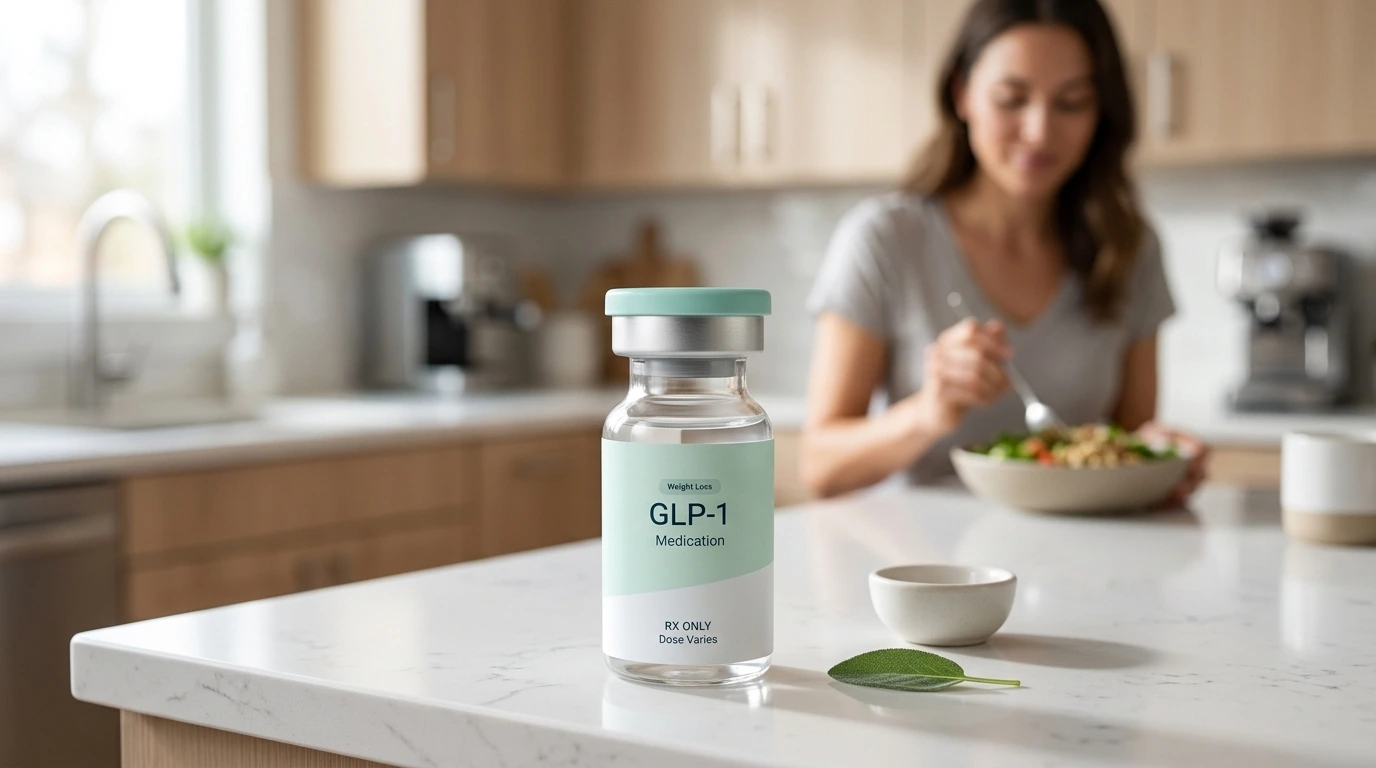
Wegovy® is a brand-name prescription medication containing semaglutide. Semaglutide is a GLP-1 receptor agonist, which is a type of medicine that mimics a natural hormone called glucagon-like peptide-1. This hormone targets areas of the brain that regulate appetite and food intake. By mimicking this hormone, the medication helps you feel fuller for longer and reduces overall hunger.
Because these two drugs serve entirely different purposes—one fighting bacteria and the other regulating metabolic signals—they do not typically “compete” with one another. Amoxicillin does not stop semaglutide from helping you lose weight, and semaglutide does not stop the antibiotic from clearing up your infection.
For a broader overview of this medication combination, read our guide to taking semaglutide with antibiotics.
The Role of Delayed Gastric Emptying
The most important factor to consider when taking any oral medication alongside a GLP-1 receptor agonist is delayed gastric emptying. This is a primary function of how medications like Wegovy® work. By slowing down the rate at which food and liquids leave your stomach and enter your small intestine, the medication helps you stay satisfied after eating.
However, this slowed digestion also applies to pills and capsules. When you swallow an amoxicillin capsule, it must pass from the stomach into the small intestine to be absorbed into your bloodstream. If your stomach is emptying more slowly than usual, it may take longer for the antibiotic to reach peak levels in your system.
For most patients, this delay is not clinically significant. Amoxicillin is generally well-absorbed even when digestion is slow. Clinical studies on semaglutide have shown that while it does slow down the “transit time” of medications, it rarely reduces the total amount of the drug that your body eventually absorbs.
Learn more about how semaglutide can affect oral medication absorption when reviewing your medication schedule with a licensed provider.
Key Takeaway: While your antibiotic may take slightly longer to start working due to slower digestion, the overall effectiveness of amoxicillin in treating your infection should remain unchanged.
Managing Shared Side Effects
While there is no chemical interaction between the two drugs, they do share a common set of potential side effects. Both amoxicillin and Wegovy® are known for their impact on the gastrointestinal (GI) tract.
For additional context, review these common GLP-1 side effects and management strategies.
Nausea and Vomiting
Nausea is the most frequently reported side effect of GLP-1 medications, especially when you are first starting or increasing your dose. Amoxicillin can also cause stomach upset or nausea in some individuals. If you are taking them at the same time, these effects may feel more intense.
Diarrhea and Digestive Changes
Antibiotics are famous for disrupting the balance of bacteria in your gut. This often leads to loose stools or diarrhea. Because Wegovy® also changes how your digestive system processes food, the combination can lead to more significant GI distress.
If you experience digestive symptoms while taking both medications, our article on managing digestive changes with GLP-1 medications offers additional context.
Appetite Changes
While Wegovy® is designed to reduce appetite, an infection can also make you feel less like eating. It is important to ensure you are still getting enough nutrients and, more importantly, enough fluids while you are sick.
Action Steps for Managing Side Effects:
- Take amoxicillin with food: Unless your provider tells you otherwise, taking your antibiotic with a small, bland snack can help protect your stomach lining.
- Stay hydrated: Drink plenty of water or electrolyte-rich beverages to prevent dehydration, especially if you experience diarrhea.
- Eat small portions: If you feel extra nauseous, stick to small, frequent meals rather than three large ones.
- Monitor your symptoms: Keep a log of how you feel so you can accurately report any significant changes to your healthcare provider.
Important Safety Cautions
Even though the medications are generally safe together, there are specific “red flags” that require medical attention. When your body is dealing with an infection and a metabolic medication simultaneously, you need to be proactive about your recovery.
Our overview of GLP-1 medication safety considerations may help you prepare questions for your licensed provider.
Dehydration Risks
Dehydration is a serious concern for anyone taking a GLP-1 receptor agonist. These medications can sometimes affect kidney function, especially if a patient becomes severely dehydrated due to vomiting or diarrhea. If an antibiotic makes your GI symptoms worse, your risk of dehydration increases.
C. Difficile Infection
All antibiotics carry a risk of causing a condition called Clostridioides difficile (C. diff). This happens when the antibiotic kills off “good” bacteria, allowing harmful bacteria to take over. This results in severe, watery, or bloody diarrhea. Because GLP-1 medications already change your bowel habits, you must be vigilant about any sudden, severe changes in your digestion while on antibiotics.
When to Contact a Provider
You should reach out to a licensed healthcare provider immediately if you experience:
- Severe vomiting that prevents you from keeping down fluids or your medication.
- Signs of dehydration, such as extreme thirst, dark urine, or dizziness.
- Severe abdominal pain that does not go away.
- Bloody or persistent watery diarrhea.
- A high fever that persists despite taking your antibiotics.
Note: Never stop taking your prescribed antibiotics early, even if you feel better. Finishing the entire course is essential to fully clear the infection and prevent antibiotic resistance.
Special Considerations: Combination Therapies
Sometimes, amoxicillin is not prescribed alone. For example, in the treatment of H. pylori (a common stomach bacteria), it is often paired with clarithromycin and a proton pump inhibitor like lansoprazole.
If you are prescribed a combination pack, you need to be more cautious. Clarithromycin, in particular, has been noted to have potential interactions with GLP-1 medications. It can occasionally increase the risk of low blood sugar (hypoglycemia) or affect how other drugs are metabolized. If you are prescribed “triple therapy” for a stomach issue, make sure your provider knows you are also using a GLP-1 medication.
A licensed provider can review your medication list during a free prescription-program assessment and help identify questions that should be addressed before treatment begins.
Timing Your Medications
If you are concerned about the absorption of your amoxicillin, you might wonder if timing matters. For the injectable version of Wegovy®, the medication is already in your system at a steady state once you have been taking it for a few weeks. This means the timing of your weekly injection relative to your daily antibiotic pill usually doesn’t matter much.
However, if you are using an oral version of semaglutide (often used for type 2 diabetes but sometimes prescribed off-label for weight loss), timing is critical. Oral semaglutide must be taken on an empty stomach, usually 30 minutes before any other food, drink, or oral medication. If you are on an oral GLP-1, wait at least 30 to 60 minutes before taking your amoxicillin dose in the morning.
For more information about medication timing, read this guide to taking semaglutide on an empty stomach.
Myth vs. Fact: Antibiotics and Weight Loss
There is a lot of misinformation online about how antibiotics affect weight and metabolic health. Let’s clear up a few common misconceptions.
Myth: Antibiotics will stop me from losing weight.
Fact: A short course of antibiotics for an acute infection will not stop the long-term metabolic benefits of your weight loss program. While you might experience some temporary water retention or bloating, your progress will continue once you are healthy.
Myth: Wegovy® makes antibiotics less effective.
Fact: There is no clinical evidence that semaglutide reduces the “killing power” of antibiotics. The primary concern is the speed of absorption, not the effectiveness of the drug itself.
Myth: I should skip my Wegovy® dose while I’m on antibiotics.
Fact: You should never skip or change your dose without consulting your licensed healthcare provider. Stopping and starting GLP-1 medications can actually increase the risk of side effects when you resume the treatment.
Personalized Weight Loss with TrimRx
At TrimRx, we understand that weight loss is not a straight line. Life happens—you get sick, you have questions about your prescriptions, and you need a team that understands how to navigate these moments. Our platform connects you with licensed providers who take your entire health profile into account.
We provide access to personalized programs that may include medications like compounded semaglutide or compounded tirzepatide. These medications are prepared by FDA-registered, inspected compounding pharmacies to ensure high standards of quality. By focusing on your unique needs and medical history, we help you manage your weight loss journey safely, even when life throws a curveball like a sudden infection.
Our mission is to provide a telehealth-first experience that removes the stress of waiting rooms. Whether you have questions about a new antibiotic or need to adjust your program, our dedicated team is here to support your metabolic health through science and empathy.
If you want to explore whether a prescription program fits your health profile, start the free assessment process.
Conclusion
Managing an infection while staying on track with your weight loss goals is entirely possible. Amoxicillin and Wegovy® do not have direct drug interactions that should cause concern for most people. The primary challenges are managing overlapping digestive side effects and being mindful of the slight delay in absorption caused by slowed stomach emptying. By staying hydrated, taking your antibiotics as directed, and keeping an eye out for severe symptoms, you can recover quickly and get back to your routine.
Key Takeaways:
- Amoxicillin is generally safe to take with GLP-1 medications like Wegovy®.
- Watch for increased nausea or diarrhea, as both drugs can affect the stomach.
- Hydration is the most critical factor for safety during an infection.
- Always finish your full course of antibiotics to ensure the infection is fully treated.
“A weight loss journey is a marathon, not a sprint. A temporary illness is just a small hurdle, not a finish line. With the right support and medical guidance, you can navigate these moments without losing sight of your long-term health.”
The most important next step is to ensure your care team is always in the loop. If you are ready to start a weight loss journey that prioritizes your overall well-being and provides professional oversight, we invite you to take the free assessment quiz. This simple step helps us understand your health history and goals, allowing our partner providers to determine the best path forward for your personalized program.
FAQ
Does amoxicillin make Wegovy® less effective for weight loss?
No, there is no evidence that amoxicillin interferes with the weight loss mechanisms of GLP-1 medications. While you might feel differently for a few days due to an infection, the long-term metabolic benefits of the medication remain intact.
Should I take my amoxicillin at a different time than my Wegovy® injection?
Since Wegovy® is an injection that stays in your system for a full week, the specific time of day you take your injection does not usually impact your daily antibiotic pills. However, if you find that your injection day makes you very nauseous, you may want to discuss a dosing schedule with your provider to ensure you can keep your antibiotics down.
Can I take amoxicillin if I am on compounded semaglutide?
Yes, the same principles apply to compounded semaglutide as they do to branded versions. Because the active molecule is the same, the lack of interaction with amoxicillin remains consistent across both branded and compounded formats. If you are considering a personalized prescription program, you can complete the assessment process and provide your current medication information for review.
What if I can’t stop vomiting while taking both medications?
If you cannot keep down your antibiotic or fluids for more than 24 hours, you must contact a healthcare provider immediately. Severe vomiting can lead to dehydration and may require a temporary pause in your weight loss medication or a change in how your infection is being treated.
TrimRX does not practice medicine or prescribe medications. Compounded medications are not FDA-approved and are not evaluated by the FDA for safety or efficacy. Results vary by individual and are not guaranteed.
Disclaimer: This content is for informational purposes only and does not constitute medical advice. It is not intended to diagnose, treat, cure, or prevent any disease or condition. Individual results may vary. Always consult a qualified healthcare professional before starting any weight loss program or medication.

Transforming Lives, One Step at a Time
Keep reading
Can You Eat Meatloaf on Wegovy?
Meatloaf is classic home cooking: ground meat mixed with breadcrumbs, egg, and seasoning, baked with a sweet tomato glaze, and served with mashed potatoes…

Can You Eat Cheesecake on Wegovy?
Cheesecake is a celebration dessert for many people: birthdays, anniversaries, holidays, or a special dinner out. It is also one of the richest desserts…
Can You Eat Lentils on Wegovy?
Lentils are one of the most affordable, nutritious foods around. They are rich in plant protein, fiber, iron, and folate, cook quickly without soaking,…


