Can You Take Ashwagandha with Wegovy Safely?
Introduction
Finding the right balance of supplements and prescription medication is a common challenge for those on a weight loss journey. If you have recently started Wegovy® (semaglutide) or are considering it, you might also be taking ashwagandha to help manage stress or improve sleep. It is natural to wonder if these two substances can coexist safely in your daily routine. At TrimRx, we prioritize helping you navigate these metabolic choices with clinical clarity and empathy. If you are still deciding whether prescription treatment is the right next step, you can take the free assessment quiz to get started.
While there is no documented direct drug-to-drug interaction between ashwagandha and Wegovy in current clinical literature, they both influence similar metabolic pathways in the body. This article covers the physiological mechanisms of both substances, the theoretical risks of combining them, and how you can safely monitor your progress. Understanding how these two interact with your blood sugar and thyroid function is essential for a safe and effective weight loss experience. For a broader overview of how GLP-1 medications work, our guide to what GLP-1 is and how it works is a helpful companion read.
Quick Answer: While no direct interaction is documented, taking ashwagandha with Wegovy requires caution. Both can lower blood sugar and affect thyroid levels, potentially leading to additive effects that require monitoring by a healthcare provider.
How Wegovy Works in the Body
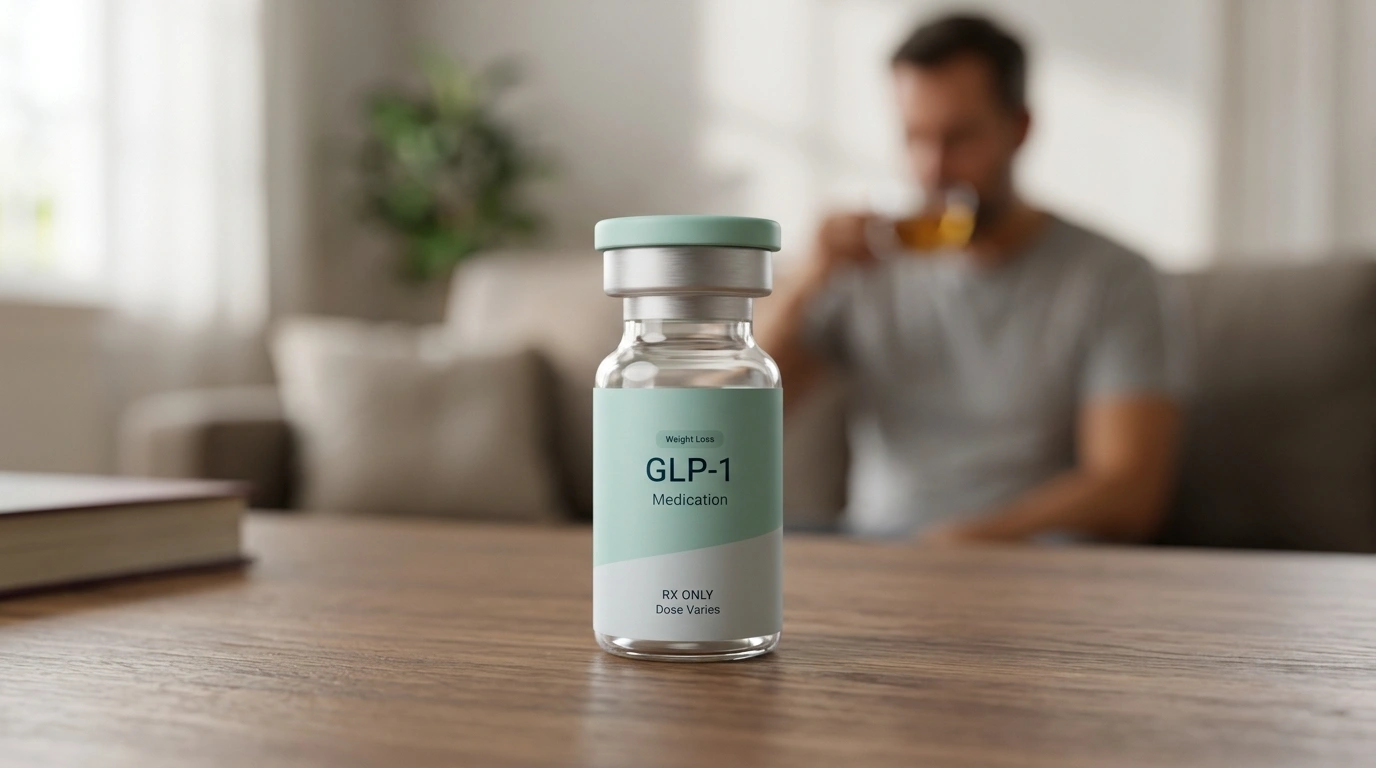
Wegovy is a branded version of semaglutide, a medication known as a GLP-1 receptor agonist. GLP-1, or glucagon-like peptide-1, is a hormone your body naturally produces in the gut in response to eating. It plays a critical role in how the body handles energy and signals fullness to the brain.
When you take a GLP-1 receptor agonist, the medication mimics this natural hormone but lasts much longer in the system. It works primarily through three mechanisms. First, it stimulates the pancreas to release insulin when blood sugar is high. Second, it prevents the liver from making too much sugar. Third, it slows down gastric emptying, which is the speed at which food leaves your stomach. This slower digestion helps you feel full for longer periods, making it easier to maintain a calorie deficit.
Because Wegovy acts on the endocrine system, it has a profound effect on metabolic health beyond just weight loss. It helps stabilize the “blood sugar rollercoaster” that many people struggle with, especially those with insulin resistance. However, because it is a potent metabolic tool, adding other substances that also affect blood sugar—like certain herbal supplements—requires a careful look at the cumulative impact. If you are exploring whether prescription GLP-1 treatment fits your goals, you can also see if you qualify for a personalized program.
What is Ashwagandha?
Ashwagandha, scientifically known as Withania somnifera, is an ancient herb used for centuries in Ayurvedic medicine. It is classified as an “adaptogen,” which is a substance believed to help the body “adapt” to various forms of physical and emotional stress.
The primary active compounds in ashwagandha are called withanolides. These compounds are thought to interact with the hypothalamic-pituitary-adrenal (HPA) axis, which is the body’s central stress response system. By modulating this system, ashwagandha can help lower levels of cortisol, the body’s primary stress hormone.
Many people use ashwagandha to support:
- Stress and anxiety reduction
- Improved sleep quality
- Enhanced athletic recovery
- Metabolic support and blood sugar regulation
While ashwagandha is a “natural” supplement, it is biologically active. It does not just sit in the system; it actively influences hormone production and receptor sensitivity. This is why we must consider how its effects might overlap with the pharmacological actions of a medication like Wegovy.
The Blood Sugar Interaction
One of the most significant reasons people ask if they can take ashwagandha with Wegovy is the shared effect on blood glucose. Clinical studies have suggested that ashwagandha may modestly lower fasting blood sugar and HbA1c (a three-month average of blood sugar levels). It does this by improving insulin sensitivity and reducing the cortisol that often triggers the liver to release extra glucose.
Wegovy also lowers blood sugar, though it does so in a “glucose-dependent” way. This means the medication typically only triggers insulin release when your blood sugar is actually high, which provides a built-in safety mechanism against hypoglycemia (low blood sugar).
The Risk of Additive Effects
The concern arises when you combine two different substances that both have glucose-lowering properties. While the risk is generally low for individuals who are not diabetic, the risk increases if you are already taking other medications.
If an individual is taking insulin or a sulfonylurea (a class of diabetes medication) alongside Wegovy, adding ashwagandha could theoretically “tip the scales.” This additive effect might drive blood sugar levels lower than intended.
Key Takeaway: If you have a history of hypoglycemia or are taking other glucose-lowering medications, you must monitor your blood sugar more frequently if you decide to use ashwagandha alongside your weight loss program.
The Thyroid Connection
An often-overlooked aspect of this combination is the effect on the thyroid. Research indicates that ashwagandha may stimulate the thyroid gland, potentially increasing the production of T3 and T4 hormones. For individuals with subclinical hypothyroidism (a mildly underactive thyroid), this might seem like a benefit.
However, Wegovy and the resulting weight loss also impact thyroid requirements. As you lose a significant amount of weight, your body’s demand for thyroid hormone often decreases. If you are also taking a supplement that stimulates thyroid production, you could accidentally push your body into a state of hyperthyroidism (an overactive thyroid).
Symptoms of an overactive thyroid can include:
- Rapid or irregular heartbeat (palpitations)
- Excessive sweating and heat intolerance
- Unexplained anxiety or nervousness
- Tremors in the hands
If you take levothyroxine or other thyroid medications, this interaction is even more critical. You should always disclose your supplement use to the provider managing your thyroid health, as they may need to adjust your prescription dosage as your weight changes.
Gastrointestinal Considerations
Both Wegovy and ashwagandha can impact the digestive system, though in different ways. The most common side effects of GLP-1 medications are gastrointestinal, including nausea, vomiting, diarrhea, or constipation. These usually happen because the medication slows down the digestive process. For a closer look at what to expect, our article on semaglutide side effects long term may be useful.
Ashwagandha is generally well-tolerated, but in some people, it can cause mild stomach upset or diarrhea, especially when taken in high doses or on an empty stomach. If you are already experiencing nausea from Wegovy, adding ashwagandha might worsen these symptoms or make it harder to determine which substance is causing the discomfort.
Because Wegovy slows gastric emptying, it can also change how your body absorbs oral supplements. Taking your ashwagandha at the same time as a dose-escalation of your medication might lead to unpredictable absorption or increased stomach irritation.
Comparing Wegovy and Ashwagandha
While they are often used for different primary goals, they overlap in several metabolic areas. The following table highlights the differences and similarities in how they affect the body.
| Feature | Wegovy® (Semaglutide) | Ashwagandha (Herbal Supplement) |
|---|---|---|
| Primary Class | GLP-1 Receptor Agonist | Adaptogen |
| Main Function | Appetite suppression & glucose regulation | Stress reduction & HPA axis support |
| Blood Sugar Effect | Lowers (Glucose-dependent) | Lowers (Insulin sensitization) |
| Thyroid Effect | Neutral (but weight loss lowers demand) | Stimulatory (may increase T3/T4) |
| Common Side Effects | Nausea, vomiting, constipation | Mild stomach upset, drowsiness |
| Regulation | FDA-approved prescription | OTC Supplement (Varied quality) |
Monitoring for Side Effects
If you and your healthcare provider decide that taking ashwagandha with Wegovy is appropriate for you, it is important to know what “red flags” to look for. Monitoring your body’s response is the best way to ensure your program remains safe.
Signs of Low Blood Sugar (Hypoglycemia)
Even though Wegovy has a low risk of causing hypoglycemia on its own, the addition of supplements could change that. Watch for:
- Sudden dizziness or lightheadedness
- Unexplained shakiness or tremors
- Sweating or chills not related to physical activity
- Extreme hunger or irritability
- A rapid heartbeat
Signs of Liver or Pancreas Issues
While rare, both GLP-1 medications and certain herbal supplements have been linked to organ stress in sensitive individuals. You should contact a provider immediately if you notice:
- Severe abdominal pain that radiates to your back
- Yellowing of the eyes or skin (jaundice)
- Dark-colored urine
- Persistent, uncontrollable vomiting
Bottom line: Stay in tune with your body. Any new or worsening symptoms after starting ashwagandha should be reported to your clinical team promptly.
The Role of Personalized Weight Loss Programs
At TrimRx, we believe that weight loss is not a “one-size-fits-all” process. This is why our approach centers on personalized programs. When you use a telehealth platform like ours, you aren’t just getting a prescription; you are getting access to a team that looks at your whole health profile.
During our assessment process, we encourage you to list every supplement you are currently taking, including ashwagandha. This allows the licensed providers we work with to evaluate your specific risks based on your medical history, current BMI, and any co-existing conditions like thyroid disorders or type 2 diabetes. If you are ready to take that step, you can complete a free eligibility assessment.
Our mission is to help you embrace a healthier lifestyle through science and empathy. By providing a transparent platform where you can access medications through licensed pharmacies, we make the journey toward sustainable weight loss more accessible and medically supervised.
Safety Protocols for Starting Supplements
If you are already on Wegovy and want to start ashwagandha, or vice versa, following a structured protocol can help minimize risks.
Step 1: Consult Your Provider. Never start a new supplement while on a prescription weight loss medication without speaking to a healthcare professional. They can review your recent lab work to see if your glucose or thyroid levels are stable enough for the addition.
Step 2: Start with a Low Dose. If cleared to proceed, start with the lowest possible dose of ashwagandha. This allows you to see how your stomach reacts without overwhelming your system.
Step 3: Space Out Your Doses. Because Wegovy slows down your digestion, try taking your supplement at a different time of day than your most recent meal or other medications to reduce the chance of gastrointestinal irritation.
Step 4: Check for Quality. Supplements are not regulated by the FDA in the same way medications are. Look for ashwagandha products that have been third-party tested (such as by USP or NSF) to ensure they actually contain the ingredients listed on the label without harmful contaminants.
When to Avoid the Combination
There are certain scenarios where we would advise extreme caution or recommend avoiding the combination of ashwagandha and Wegovy altogether.
- Pregnancy or Breastfeeding: Neither Wegovy nor ashwagandha is recommended during pregnancy or while breastfeeding.
- Upcoming Surgery: Both substances can affect blood sugar and potentially interact with anesthesia. Most providers recommend stopping supplements at least two weeks before a scheduled surgery.
- Autoimmune Conditions: Ashwagandha can stimulate the immune system, which may be problematic for those with certain autoimmune diseases.
- Severe Kidney or Liver Disease: Since both substances are processed through these organs, individuals with impaired function should avoid adding unnecessary supplements.
Note: Always prioritize the guidance of your primary care physician or your TrimRx-affiliated provider over general information found online.
Optimized Nutrition on GLP-1s
While ashwagandha is often taken for metabolic support, many of the benefits people seek from it can also be supported through targeted nutrition and specific GLP-1 support supplements. For example, if you are taking ashwagandha for energy or “adrenal support,” you might find that ensuring adequate intake of B vitamins, magnesium, and protein is more effective while on Wegovy. For additional nutritional support during treatment, consider GLP-1 Daily Support.
We offer quick-access supplements like GLP-1 Daily Support and Weight Loss Boost that are designed specifically to complement the weight loss journey. These products focus on filling the nutritional gaps that can occur when your appetite is significantly reduced, helping you maintain muscle mass and energy levels without the same level of complexity that herbal adaptogens might introduce.
For a deeper discussion of how these types of support products fit into a broader plan, our post on what GLP-1 support can do for your weight loss journey is a helpful next read.
Summary of Key Evidence
To date, there are no large-scale clinical trials specifically investigating the co-administration of semaglutide and ashwagandha. The guidance we provide is based on the known pharmacological profiles of both substances.
- Semaglutide (Wegovy) is a highly regulated, potent hormone mimic with a long half-life.
- Ashwagandha is a bioactive herbal root with documented effects on cortisol, glucose, and thyroid hormones.
- Overlap occurs primarily in blood sugar regulation and thyroid stimulation.
- Clinical Advice remains centered on professional supervision and frequent monitoring.
At TrimRx, our goal is to provide you with the tools to make informed decisions. Whether you are using branded medications or seeking access to medications through our platform, your safety and long-term success are our primary concerns. We advocate for a telehealth-first approach that removes the barriers of waiting rooms and in-person visits while maintaining high standards of clinical oversight.
FAQ
Does ashwagandha stop Wegovy from working?
There is no evidence that ashwagandha interferes with the weight loss mechanism of Wegovy. However, because both can cause gastrointestinal side effects, the discomfort might make it harder to stay consistent with your medication or diet plan.
Can I take ashwagandha for anxiety while on Wegovy?
Many people use ashwagandha for anxiety, but you should discuss this with your doctor first. Since Wegovy can sometimes cause changes in mood or energy levels as your body adjusts to weight loss, it is important to have a professional evaluate the best way to manage anxiety.
Will ashwagandha cause me to lose more weight with Wegovy?
While ashwagandha may help lower cortisol—a hormone that can contribute to abdominal fat—it is not a primary weight loss agent. Any additional weight loss from the supplement would likely be modest compared to the effects of a GLP-1 program.
Should I take ashwagandha in the morning or night with Wegovy?
Since Wegovy slows your digestion, taking ashwagandha at night might lead to it sitting in your stomach longer, potentially causing vivid dreams or morning grogginess. Many people find that taking it in the morning with a small amount of food is the most comfortable option. If you are considering a full treatment plan rather than a supplement-only routine, you can find out whether you qualify for prescription support.
Disclaimer: This content is for informational purposes only and does not constitute medical advice. It is not intended to diagnose, treat, cure, or prevent any disease or condition. Individual results may vary. Always consult a qualified healthcare professional before starting any weight loss program or medication.

Transforming Lives, One Step at a Time
Keep reading

Wegovy Alternatives: What Else Works for Weight Loss
If Wegovy isn’t working out, the strongest alternative is tirzepatide (Zepbound), which tends to produce more weight loss, followed by other GLP-1 options and…

VK2735 vs Wegovy: Investigational Contender vs Proven Semaglutide
VK2735 and Wegovy sit at different stages of development. VK2735, an investigational drug from Viking Therapeutics, comes in both injectable and oral forms and…

Mazdutide vs Wegovy: How the Two Compare
Mazdutide and Wegovy are both injectable weight-loss drugs, but they are worlds apart on availability. Mazdutide, a dual glucagon and GLP-1 agonist, is approved…


