Can You Take Wegovy Without a Gallbladder?
Introduction
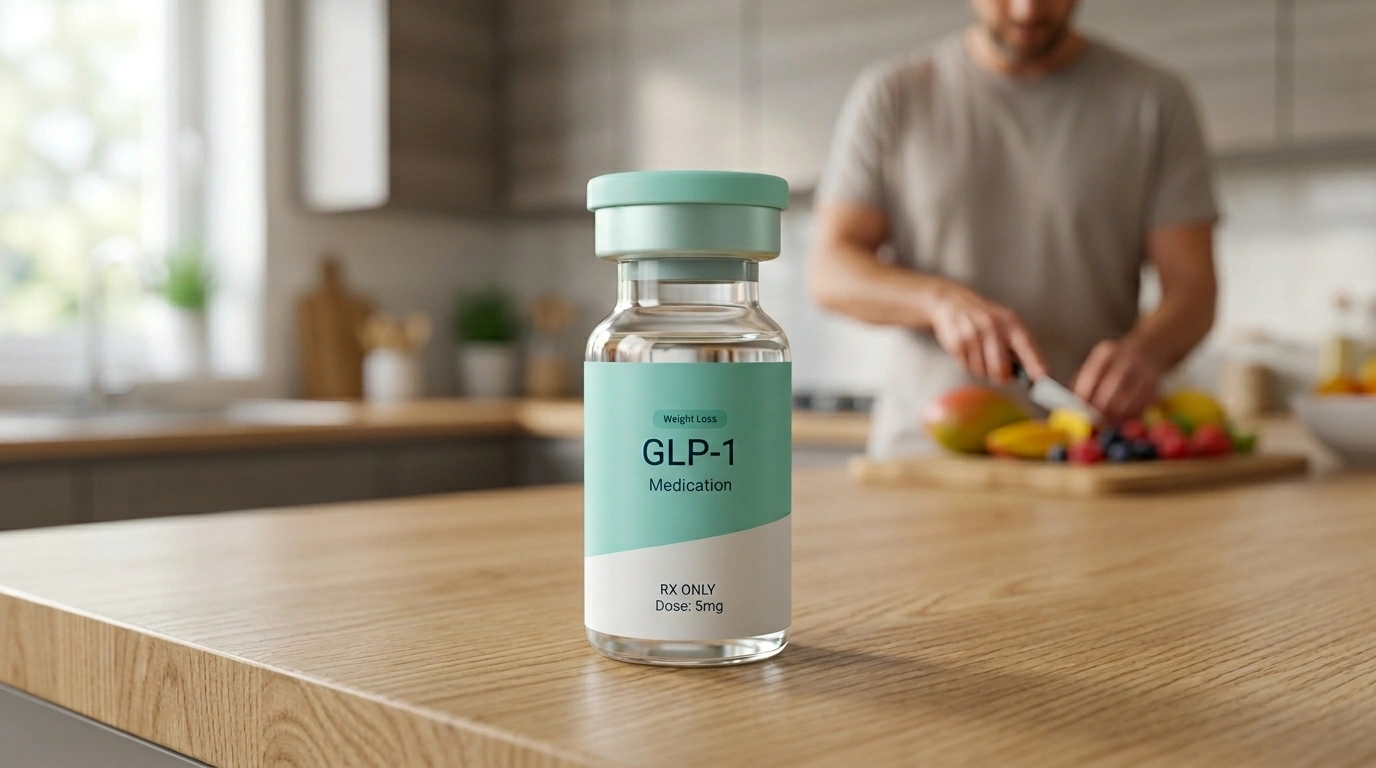
Recovering from a major surgery like a gallbladder removal often comes with a new awareness of how your body processes food. If you have navigated the discomfort of gallstones or the recovery of a cholecystectomy (gallbladder removal surgery), you might feel extra cautious about starting new medications. It is natural to wonder if a GLP-1 medication—a glucagon-like peptide-1 receptor agonist—will interact differently with your digestive system now that your anatomy has changed.
At TrimRx, we understand that weight management is not just about a number on the scale; it is about finding a sustainable path that respects your unique medical history. This article explains how GLP-1 medications function in the body without a gallbladder, what digestive changes you might expect, and how to manage the transition safely. You can take GLP-1 medications without a gallbladder, provided you work closely with a licensed provider to manage your personalized treatment plan and monitor your body’s response. If you want to discuss your medical history with a provider, you can complete a free eligibility assessment.
Quick Answer: Yes, you can take GLP-1 medications like Wegovy® without a gallbladder. Gallbladder removal is not a contraindication for these medications, though you should monitor your digestive health closely as bile flow and gastric emptying patterns will be different.
Understanding the Gallbladder and GLP-1 Medications
To understand how these medications work after surgery, it helps to know what the gallbladder actually does. The gallbladder is a small, pear-shaped organ that sits under your liver. Its primary job is to store and concentrate bile, a fluid produced by the liver that helps your body break down and digest fats.
When you eat a meal, especially one high in fat, your gallbladder squeezes that concentrated bile into your small intestine. This “burst” of bile helps emulsify fats so your body can absorb them. Without a gallbladder, your liver still makes bile, but it no longer has a storage tank. Instead, bile drips continuously and more slowly into your digestive tract. For a focused explanation of these changes, read about what changes after taking a GLP-1 after gallbladder removal.
How GLP-1 Medications Interact with Digestion
GLP-1 medications work by mimicking a hormone your body naturally produces in the gut. They perform several key roles in weight management:
- Appetite Regulation: They signal the brain to feel full sooner.
- Insulin Support: They help the body manage blood sugar levels more effectively.
- Gastric Emptying: They slow down the speed at which food leaves your stomach.
This third function—slowing gastric emptying—is where the gallbladder (or lack thereof) becomes most relevant. When food stays in the stomach longer, you feel full for a greater period. However, because bile is now dripping into your intestines at a constant rate rather than in response to a meal, the timing of fat digestion changes.
Why You Can Safely Proceed
Medical research and clinical observations indicate that having your gallbladder removed does not stop a GLP-1 medication from working. The medication does not rely on the gallbladder to be absorbed or to do its job in the brain and pancreas. For many individuals, the health benefits of managing weight—such as improved blood pressure and cardiovascular health—far outweigh the minor adjustments needed for post-surgical digestion.
Digestive Changes After Gallbladder Removal
Many people adapt to life without a gallbladder quite easily, but others experience “post-cholecystectomy syndrome.” This can include symptoms like bloating, gas, or loose stools. When you introduce a medication that slows down the digestive process, these symptoms can sometimes shift. You can also review what bowel changes are normal on GLP-1 medications as you consider what to monitor.
Bile flow becomes constant. Instead of a large release of bile during a meal, your system handles a steady, dilute stream. If you eat a meal that is very high in fat, you may not have enough concentrated bile available to process it quickly, leading to digestive upset.
The impact of slowed gastric emptying. Because a GLP-1 medication keeps food in your stomach longer, the arrival of that food in the small intestine is delayed. For some, this actually helps balance the continuous bile flow. However, for others, it can lead to a feeling of intense fullness or nausea if the meal was particularly heavy.
Comparing Digestion With and Without a Gallbladder
| Feature | With Gallbladder | Without Gallbladder |
|---|---|---|
| Bile Release | Concentrated bursts during meals | Continuous, dilute dripping |
| Fat Digestion | Highly efficient for large meals | Most efficient with small, frequent meals |
| GLP-1 Interaction | Standard side effect profile | May experience more frequent loose stools |
| Weight Trend | Neutral | Possible modest weight gain after surgery |
Key Takeaway: The absence of a gallbladder changes how you process dietary fats, but it does not change how GLP-1 medications regulate your appetite or metabolism.
Managing Potential Side Effects
The most common side effects of GLP-1 medications are gastrointestinal. These include nausea, diarrhea, and constipation. For an individual without a gallbladder, diarrhea or loose stools are the side effects that often require the most attention.
The Challenge of Loose Stools
Without a gallbladder, some people experience “bile acid malabsorption.” This happens when excess bile acids reach the colon, drawing in water and causing diarrhea. Since GLP-1 medications can also cause diarrhea in some patients, the two factors can occasionally overlap.
What you can do:
- Monitor Fat Intake: Large amounts of fat can overwhelm your system’s ability to process them without concentrated bile.
- Fiber is Your Friend: Soluble fiber can help bind excess bile acids, potentially firming up your stool.
- Hydration: Diarrhea can lead to dehydration, so drinking plenty of water between meals is essential.
Nausea and Bloating
Slowing down the stomach’s emptying process is a hallmark of how these medications help you lose weight. However, if food sits too long, it can lead to bloating or a feeling of “heavy” nausea.
Note: If you experience severe, persistent abdominal pain that radiates to your back, or if you develop a fever and jaundice (yellowing of the eyes or skin), contact a healthcare professional immediately. While the gallbladder is gone, the bile ducts and pancreas still require monitoring. For more information about warning signs, read what to know about GLP-1 medications and gallbladder problems.
Why Weight Management is Common After Surgery
It is a documented phenomenon that many people experience a modest weight gain in the two years following gallbladder removal. Studies suggest that men may gain about 4.6% of their pre-surgery weight, while women gain around 3.3%.
Several factors contribute to this:
- Metabolic Changes: The way your body metabolizes fats and bile acids changes after surgery, which can influence how your body stores energy.
- Dietary Shift: After years of avoiding certain foods to prevent gallbladder attacks, some people begin eating more calorie-dense foods once the pain is gone.
- Inflammation: The underlying factors that caused gallstones, such as metabolic syndrome or insulin resistance, often persist even after the organ is removed.
A personalized weight management program can be an effective tool to counteract this post-surgical trend. By using a GLP-1 medication to regulate appetite, you can focus on building sustainable habits that support your long-term metabolic health.
The Importance of a Personalized Program
At TrimRx, we believe that medication is just one piece of the puzzle. Because every digestive system reacts differently to gallbladder removal, a “one-size-fits-all” approach to dosing rarely works. This is why our platform focuses on connecting you with licensed providers who can tailor your treatment to your specific needs.
Gradual Dose Titration
“Titration” is the process of slowly increasing your medication dose over several weeks. This is especially critical for those without a gallbladder. A slower titration allows your digestive system to adjust to the slowed gastric emptying without overwhelming your liver and bile ducts.
The TrimRx Process for Support:
- Step 1: Complete the Assessment. You share your medical history, including your gallbladder surgery details, through our online assessment quiz.
- Step 2: Provider Review. A licensed provider reviews your health profile to determine if a GLP-1 program is appropriate for you.
- Step 3: Personalized Dosing. If approved, your provider will typically start you on a low dose to ensure your digestive system handles the transition smoothly.
- Step 4: Ongoing Monitoring. You have access to support to discuss side effects and adjust your plan as needed.
Bottom line: A careful, slow start to medication helps minimize digestive disruption for those who have had a cholecystectomy.
Dietary Strategies for Success
What you eat matters significantly when you are taking a GLP-1 medication without a gallbladder. Your goal is to support your digestion while maximizing the weight loss benefits of the medication.
Prioritize Lean Proteins
Protein is essential for maintaining muscle mass while you lose weight. Focus on lean sources like grilled chicken, turkey, white fish, or tofu. These are easier for your body to digest without the “burst” of concentrated bile that high-fat meats require.
Manage Fat Intake Carefully
You do not need to avoid fats entirely—in fact, healthy fats are necessary for nutrient absorption. However, you should avoid “fat bombs” or very greasy, fried meals. Instead of one large fatty meal, spread small amounts of healthy fats (like avocado or olive oil) throughout the day.
Incorporate Soluble Fiber
Foods like oats, beans, and certain fruits contain soluble fiber. This type of fiber turns into a gel-like substance in your gut, which can help slow down digestion further and bind to bile acids, potentially reducing the risk of loose stools.
Hydrate Effectively
Water is vital for the kidneys and for keeping the digestive tract moving. Try to drink water consistently throughout the day rather than gulping large amounts during a meal, which can contribute to a feeling of over-fullness.
Myth: “I can’t eat any fat if I don’t have a gallbladder and take a GLP-1.” Fact: You can and should eat healthy fats, but you may find that smaller, frequent portions are much easier on your digestive system.
Safety and Monitoring
While taking a GLP-1 medication without a gallbladder is generally considered safe, you should remain vigilant about your health. The gallbladder may be gone, but the biliary system (the liver and bile ducts) still functions.
Watch for Bile Duct Stones
Even without a gallbladder, it is possible for small stones to form in the bile ducts. This is rare, but rapid weight loss—which can happen on a GLP-1 program—is a known risk factor for stone formation. This is another reason why losing weight at a steady, healthy pace is preferable to “crash” dieting.
Pancreatitis Awareness
There is a very small risk of pancreatitis (inflammation of the pancreas) associated with GLP-1 medications. In many cases, pancreatitis is actually caused by gallstones that move and block the pancreatic duct. If you have already had your gallbladder removed, your risk of gallstone-related pancreatitis is actually lower. However, you should still watch for symptoms like severe upper stomach pain.
When to contact your licensed provider:
- If you have diarrhea that lasts more than 48 hours.
- If you are unable to keep liquids down due to vomiting.
- If you experience sharp, localized pain in the upper right side of your abdomen.
- If you feel that your side effects are preventing you from going about your daily life.
How to Get Started with a Personalized Program
If you are ready to explore how a medically supervised weight loss program can help you, the first step is a clinical assessment. This ensures that your history with gallbladder surgery is taken into account before any medication is prescribed. You can start the assessment process.
The Onboarding Journey:
- The Digital Quiz: This free assessment gathers information about your BMI, health goals, and medical history.
- Clinical Review: Your information is sent to a licensed provider who specializes in metabolic health.
- Treatment Plan: If you are a candidate, you will receive a personalized plan. This may include compounded Semaglutide or Tirzepatide, prepared by FDA-registered compounding pharmacies.
- Shipment and Support: Your medication is shipped directly to your door with clear instructions and ongoing access to a dedicated support team.
Clinical Background: Why It Works
The reason GLP-1 medications are effective for post-cholecystectomy patients is that they address the root causes of weight gain: appetite and insulin. While your gallbladder removal changed the “plumbing” of your fat digestion, it did not fix the hormonal signals that tell you when to eat or how to store fat.
By using a receptor agonist to mimic natural hormones, we are helping the body return to a state of balance. Many patients find that once they achieve a healthier weight, their overall digestive health actually improves, as there is less strain on the liver and the remaining biliary system.
Action Steps for Your First Week
- Keep a Food Journal: Note how you feel after different types of meals. You may find that certain fats trigger more “movement” in your gut than others.
- Start Slow: Follow the titration schedule exactly as provided by your specialist.
- Eat Mindfully: Stop eating as soon as you feel a “soft” sense of fullness. Because gastric emptying is slower, it takes longer for your stomach to tell your brain it is done.
- Stay in Touch: Use the support channels provided to report your progress and any concerns.
Key Takeaway: Success without a gallbladder requires listening to your body’s new digestive signals and adjusting your fat intake accordingly.
Conclusion
Losing your gallbladder is a significant medical event, but it does not have to be a roadblock on your journey to a healthier weight. GLP-1 medications are a viable and often highly effective option for those who have had a cholecystectomy. By understanding the changes in your bile flow and working with a personalized program, you can navigate side effects and achieve sustainable results.
At TrimRx, our mission is to provide you with the tools and professional guidance needed to navigate these complexities. We believe in a science-backed approach that prioritizes your safety and long-term metabolic health. You do not have to manage these transitions alone; we are here to support you at every step of your journey.
- Gallbladder removal is not a barrier to using GLP-1 medications.
- Manage fat intake to minimize digestive side effects like loose stools.
- Personalized dosing is key to a comfortable transition.
- Professional supervision ensures your safety as you lose weight.
“Your weight loss journey is uniquely yours. After surgery, your body needs a strategy that respects its new way of functioning. With the right support, you can turn a new leaf in your metabolic health.”
Your Next Step: Ready to see if you are a candidate for a personalized program? Take the free assessment quiz to begin your journey with a team that understands your unique medical history.
FAQ
Does Wegovy® cause gallbladder issues if mine is already gone?
You cannot develop gallstones or gallbladder inflammation (cholecystitis) if the organ has been removed. However, you can still develop stones in your bile ducts or experience inflammation in your pancreas. It is important to lose weight at a steady pace and monitor for any severe abdominal pain, as rapid weight loss can sometimes trigger bile duct issues even after a cholecystectomy. You can also review Wegovy and gallstone risks for additional context.
Will the diarrhea be worse because I don’t have a gallbladder?
It depends on how your body has adapted to surgery. Some people who already have loose stools after gallbladder removal find that GLP-1 medications can temporarily increase this symptom. Managing your fat intake and using soluble fiber can often help mitigate this. Interestingly, for some, the slowed gastric emptying of the medication actually helps “slow down” an overactive digestive tract.
Should I eat a special diet while taking a GLP-1 without a gallbladder?
A diet low in processed fats and high in lean protein is generally recommended. Because you lack concentrated bile, your body handles smaller, more frequent portions of fat better than one large, greasy meal. Focus on nutrient-dense whole foods and stay hydrated to help your digestive system process the medication and the changes in bile flow efficiently.
How soon after gallbladder surgery can I start a GLP-1 program?
You should be fully recovered from your surgery and cleared by your surgeon before starting any new weight loss medication. Generally, this means waiting until you have returned to a normal diet and your surgical incisions have completely healed. Your licensed provider will help determine the best timing based on your individual recovery progress and current digestive health. For another overview, see guidance on taking GLP-1 medication without a gallbladder.
TrimRX does not practice medicine or prescribe medications. Compounded medications are not FDA-approved and are not evaluated by the FDA for safety or efficacy. Results vary by individual and are not guaranteed.
Disclaimer: This content is for informational purposes only and does not constitute medical advice. It is not intended to diagnose, treat, cure, or prevent any disease or condition. Individual results may vary. Always consult a qualified healthcare professional before starting any weight loss program or medication.

Transforming Lives, One Step at a Time
Keep reading
Can You Eat Meatloaf on Wegovy?
Meatloaf is classic home cooking: ground meat mixed with breadcrumbs, egg, and seasoning, baked with a sweet tomato glaze, and served with mashed potatoes…

Can You Eat Cheesecake on Wegovy?
Cheesecake is a celebration dessert for many people: birthdays, anniversaries, holidays, or a special dinner out. It is also one of the richest desserts…
Can You Eat Lentils on Wegovy?
Lentils are one of the most affordable, nutritious foods around. They are rich in plant protein, fiber, iron, and folate, cook quickly without soaking,…


