Can You Take Mounjaro If You Have Diverticulitis?
Introduction
Finding an effective path to weight loss is often a journey of trial and error, but when you are managing a chronic digestive condition like diverticulitis, that journey can feel even more complicated. You may have heard about the impressive results people are seeing with Mounjaro®, a medication used for both type 2 diabetes and chronic weight management, but wondered if it is safe for someone with a sensitive colon. Balancing the desire for metabolic health with the need to avoid a painful digestive flare-up is a common concern for many of our patients at TrimRx.
This article explores the relationship between tirzepatide—the active ingredient in Mounjaro—and diverticulitis. We will cover how the medication affects your digestive system, the potential risks of constipation, and how a personalized treatment plan can help you navigate these concerns. Our goal is to provide you with the evidence-based information you need to have an informed conversation with a healthcare provider about your weight loss options. If you are considering prescription treatment, you can complete a free eligibility assessment.
What is Mounjaro and How Does It Work?
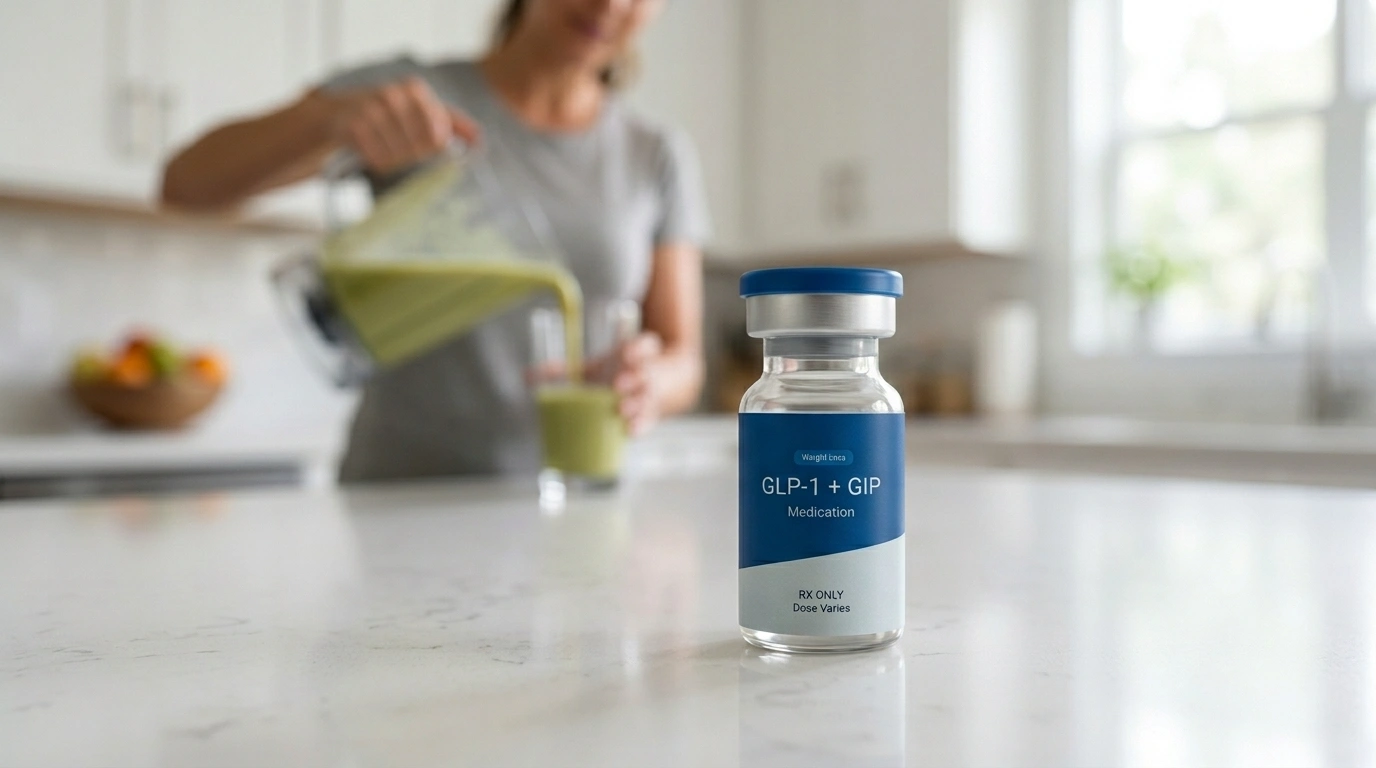
Mounjaro is a prescription medication known as a dual GIP (glucose-dependent insulinotropic polypeptide) and GLP-1 (glucagon-like peptide-1) receptor agonist. While that sounds highly clinical, the way it functions in the body is quite straightforward. It mimics two natural hormones that your body releases after you eat. These hormones signal your brain that you are full, help regulate your blood sugar, and slow down the speed at which your stomach empties its contents.
By slowing down “gastric emptying,” the medication keeps you feeling satisfied for a longer period after a meal. This helps reduce the “food noise” or constant cravings that many people struggle with during weight loss. However, because the medication physically slows the movement of food through the digestive tract, it has a direct impact on the environment of the stomach and intestines.
For more information about how tirzepatide affects digestion and bowel habits, read this guide to tirzepatide-related constipation.
Understanding Diverticulitis and Diverticulosis
To understand if Mounjaro is right for you, it is important to distinguish between two closely related terms: diverticulosis and diverticulitis.
Diverticulosis is a condition where small, bulging pouches (diverticula) develop in the lining of the digestive system, most commonly in the lower part of the large intestine (colon). These pouches are quite common, especially as people age, and often do not cause any symptoms.
Diverticulitis occurs when one or more of these pouches become inflamed or infected. This can cause severe abdominal pain, fever, nausea, and a marked change in your bowel habits. A “flare” of diverticulitis is a serious medical event that often requires antibiotics or, in severe cases, hospitalization.
Quick Answer: Most medical professionals agree that you can take Mounjaro if you have a history of diverticulitis, provided the condition is currently inactive and you are not experiencing a flare. However, because Mounjaro slows digestion and can cause constipation—a known trigger for diverticular issues—careful medical supervision is required.
The Potential Connection Between Mounjaro and Diverticulitis
There is no direct evidence that Mounjaro or other GLP-1 medications cause diverticulitis in otherwise healthy individuals. However, the side effects of these medications can potentially aggravate an existing case of diverticular disease.
The primary concern is constipation. Because tirzepatide slows down the movement of waste through the colon, stool can become harder and more difficult to pass. This increased pressure in the colon is one of the leading factors that can cause diverticula to become inflamed or infected. If you have a history of frequent flare-ups, your healthcare provider will want to ensure your digestive system is stable before beginning a medication like Mounjaro or Wegovy®.
For additional context, review this overview of GLP-1 medications and bowel changes.
Slowed Gut Motility
Gut motility refers to the stretching and contraction of the muscles in the gastrointestinal (GI) tract. Mounjaro is designed to reduce this motility to help with satiety. For most people, this is a beneficial side effect for weight loss, but for someone with diverticulitis, “slow and steady” can sometimes turn into “stagnant,” leading to the type of blockage that triggers inflammation.
The Role of Inflammation
Interestingly, some early research suggests that GLP-1 medications may have systemic anti-inflammatory properties. While this is not a treatment for diverticulitis, it is an area of ongoing study to see if these medications might eventually offer benefits for inflammatory gut conditions. For now, the focus remains on managing the mechanical risk of constipation.
Risks and Considerations for Patients
If you are considering a weight loss program and have a history of diverticular disease, there are several specific risks that you and your doctor should monitor.
Chronic Constipation
As mentioned, this is the most significant risk factor. When stool remains in the colon for too long, it can become trapped in the diverticula (the small pouches). This can lead to bacterial overgrowth and subsequent infection.
Abdominal Pain Masking
The GI side effects of Mounjaro—such as nausea, bloating, and mild cramping—can sometimes mimic the early warning signs of a diverticulitis flare. This can make it difficult for a patient to distinguish between a common medication side effect and a serious medical issue that requires urgent attention.
Bowel Obstructions
In very rare cases, severe constipation can lead to a bowel obstruction or ileus (a temporary lack of muscle contractions in the intestine). People with a history of severe diverticulitis or previous abdominal surgeries may be at a slightly higher risk for these complications.
For a closer look at common digestive reactions, read this tirzepatide side-effect management guide.
Key Takeaway: The primary risk of taking Mounjaro with diverticulitis is not the medication itself, but the secondary side effect of constipation, which can increase pressure in the colon and trigger a flare.
Managing Your Gut Health While on Mounjaro
If your provider determines that you are a candidate for a weight loss program despite your history of diverticulitis, management is key. Success involves a proactive approach to keeping the digestive system moving.
Prioritize Hydration
Mounjaro can sometimes reduce your thirst drive along with your hunger drive. Staying hydrated is essential for keeping stool soft. Aim for a consistent intake of water throughout the day, especially if you are increasing your fiber intake.
Gradual Fiber Increase
While a high-fiber diet is generally recommended for diverticular health, you must be careful when combining it with a medication that slows digestion. Adding too much fiber too quickly without enough water can actually worsen constipation. Focus on soluble fiber sources that are gentler on the system.
Monitoring Bowel Habits
It is vital to stay “ahead” of constipation. Many providers recommend using a daily stool softener or a gentle osmotic laxative if you notice you haven’t had a bowel movement in more than two days. Waiting until you are in pain is often too late to prevent a potential flare.
For more information about discussing laxatives with a provider, see this tirzepatide laxative-use guide.
Avoiding Other Irritants
While on Mounjaro, it may be wise to avoid other medications that are known to worsen diverticulitis or cause GI distress, such as:
- NSAIDs (like ibuprofen or aspirin), which can irritate the gut lining.
- Opioids, which significantly slow gut motility.
- Excessive alcohol, which can lead to dehydration.
How TrimRx Supports Your Journey
At TrimRx, we understand that weight loss is never a one-size-fits-all process. This is especially true for individuals managing chronic health conditions. Our platform connects you with licensed healthcare providers who take your entire medical history into account, including your history of diverticulitis.
When you complete the TrimRx assessment, you provide the essential data our affiliated providers need to determine the safest and most effective course of treatment for you. We offer access to personalized programs that may include Compounded Tirzepatide or Compounded Semaglutide, which are prepared by FDA-registered, inspected compounding pharmacies. This telehealth-first approach means you have access to expert guidance and unlimited support without having to wait weeks for an in-person specialist appointment.
By using a personalized program, your dosage can be managed carefully. For patients with GI concerns, starting at a lower dose and Titrating (increasing the dose) very slowly can help the body adjust to the changes in gut motility, significantly reducing the risk of severe constipation or a diverticulitis flare.
Who Should Not Take Mounjaro?
While most people with a history of diverticulitis can safely use GLP-1 medications under supervision, there are certain situations where the risks may outweigh the benefits:
- During an Active Flare: If you are currently experiencing symptoms of diverticulitis (pain, fever, infection), you should never start a new weight loss medication. The condition must be fully resolved first.
- History of Bowel Perforation: If your diverticulitis was severe enough to cause a hole in the colon or required emergency surgery, your provider may exercise extreme caution.
- Severe Gastroparesis: If you already have “paralysis of the stomach” or very slow digestion, Mounjaro will likely worsen these symptoms.
- Personal or Family History of Medullary Thyroid Carcinoma: This is a standard contraindication for all GLP-1 and GIP medications.
Myth: You must avoid all seeds and nuts if you have diverticulitis while taking Mounjaro. Fact: Most modern research shows that seeds and nuts do not cause diverticulitis flares. The real concern is constipation. Focusing on regular bowel movements is far more important than avoiding specific small foods.
The Importance of Medical Supervision
Self-medicating or using “gray market” weight loss products is particularly dangerous for someone with a history of diverticulitis. Because these medications alter the fundamental way your digestive system processes food, you need a licensed professional to monitor your progress.
A telehealth provider can help you distinguish between “normal” side effects and “red flag” symptoms. For example, if you experience sharp, localized pain in the lower left side of your abdomen—a classic sign of diverticulitis—your provider needs to know immediately so they can pause your treatment and direct you to the appropriate care.
Step-by-Step: Starting Your Weight Loss Journey
If you are ready to see if you are a candidate for a medically supervised weight loss program, here is the process we recommend:
- Step 1: Consult Your Gastroenterologist. If you have a complex history of diverticulitis, get a “green light” from your GI specialist first to ensure your colon is currently healthy.
- Step 2: Complete the TrimRx Assessment. Take the free online assessment quiz. Be honest about your digestive history so our providers can create a safe plan for you.
- Step 3: Begin with a Conservative Dose. If approved, your provider will likely start you on the lowest possible dose to see how your gut reacts.
- Step 4: Implement a “Gut-First” Lifestyle. Prioritize hydration and consistent movement (like walking) from day one to support your motility.
- Step 5: Regular Check-ins. Use the 24/7 access to our team to report any changes in your bowel habits or any new abdominal discomfort.
Alternatives and Support Options
If your healthcare provider decides that injectable medications like Mounjaro are not the right fit for your current health status, there are other ways to support your metabolic goals. We offer quick-access supplements that do not require a prescription or a medical quiz.
Our GLP-1 Daily Support supplement is designed to provide essential nutrients that can sometimes be lacking when you are in a calorie deficit or experiencing slowed digestion. Additionally, our Weight Loss Boost supplement can support your energy levels and metabolic rate through natural pathways that may be gentler on a sensitive digestive system.
Bottom line: Diverticulitis doesn’t automatically disqualify you from using Mounjaro, but it does change the “rules of engagement.” Vigilant constipation management and professional medical oversight are non-negotiable for a safe experience.
Conclusion
Managing your weight while living with diverticulitis requires a delicate balance, but it is a balance that many people successfully achieve. By understanding how medications like Mounjaro affect your gut motility and taking proactive steps to manage your digestive health, you can work toward your weight loss goals without sacrificing your comfort or safety.
At TrimRx, we are committed to being your partner in this process. We believe in providing science-backed, empathetic support that addresses your unique health profile. Whether you are looking for a comprehensive prescription program or targeted supplemental support, we are here to help you navigate the complexities of metabolic health.
If you are ready to take the next step and see which options are right for your body, the best way to start is by taking our free assessment quiz. This simple step allows a licensed provider to review your history and help you decide if Mounjaro or a similar treatment is a safe path forward for your specific needs.
FAQ
Can Mounjaro cause a diverticulitis flare-up?
While Mounjaro does not directly cause the infection associated with diverticulitis, it can cause significant constipation. Since constipation increases pressure in the colon, it can indirectly trigger a flare-up in people who already have diverticula.
What should I do if I get constipated while taking Mounjaro?
You should immediately increase your water intake and consult your healthcare provider. They may recommend a stool softener or a gentle laxative to ensure waste continues to move through your system, reducing the risk of colon irritation. This guide to managing constipation on tirzepatide covers additional strategies to discuss with a provider.
Is Mounjaro safer than Ozempic for someone with diverticulitis?
Both medications slow gastric emptying and carry similar risks for constipation. There is currently no clinical evidence suggesting that one is significantly “safer” than the other regarding diverticular disease; the choice usually depends on your overall health profile and your provider’s recommendation.
Are there warning signs that I should stop taking Mounjaro?
If you experience severe abdominal pain (especially on the lower left side), fever, persistent vomiting, or a total inability to have a bowel movement, stop the medication and contact a healthcare professional immediately. These can be signs of diverticulitis or a bowel obstruction.
Disclaimer: This content is for informational purposes only and does not constitute medical advice. It is not intended to diagnose, treat, cure, or prevent any disease or condition. Individual results may vary. Always consult a qualified healthcare professional before starting any weight loss program or medication.

Transforming Lives, One Step at a Time
Keep reading
When You and Your Spouse Are Both on Mounjaro
It is increasingly common for both people in a couple to be on the same medication. Sometimes one partner starts and the other follows…
Black Friday Shopping on Mounjaro
For a lot of families, Black Friday is a tradition: lining up before dawn, racing through stores with a list, and shopping until the…

Mounjaro Alternatives: What Else to Consider
If Mounjaro isn’t the right fit, the closest alternatives are other GLP-1 medications, chiefly semaglutide (Ozempic for diabetes, Wegovy for weight), along with a…


