Can You Take Mounjaro on Antidepressants? Safety and Guide
Introduction
Managing your mental health while working toward weight loss goals can feel like a delicate balancing act. Many people find that certain antidepressants, while essential for their well-being, can lead to frustrating weight gain or make it harder to shed extra pounds. This often leads to the question: can you take Mounjaro® on antidepressants? At TrimRx, we understand that your health journey is multifaceted, and you shouldn’t have to choose between your mental clarity and your metabolic health. Generally, the answer is yes, but there are important considerations regarding how these medications work together in your body. This article covers the safety profile of combining these treatments, potential side effects to watch for, and how a personalized program can help you navigate this path safely.
If you are considering prescription weight loss treatment while taking antidepressants, you can complete a free eligibility assessment to begin reviewing your options with a provider.
Understanding How Mounjaro and Antidepressants Interact
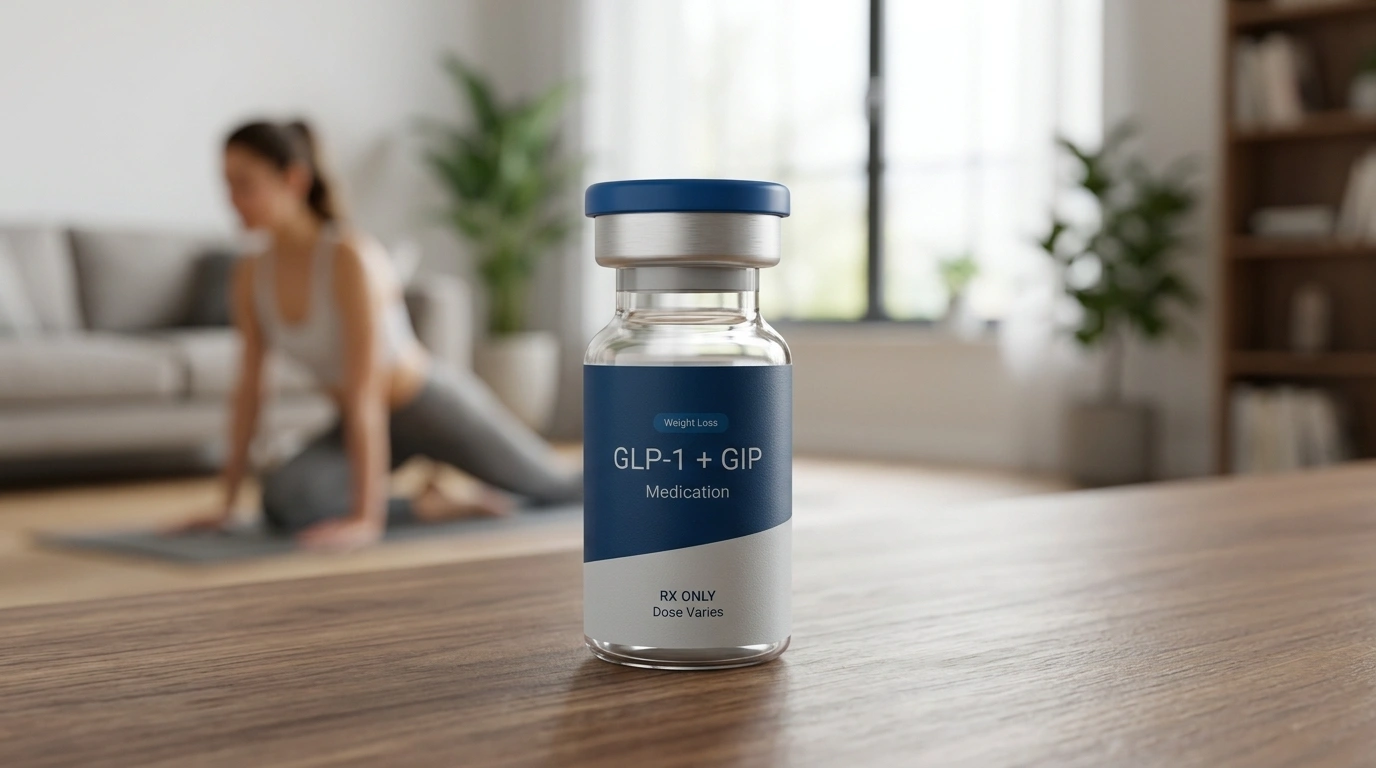
Mounjaro® (tirzepatide) is a dual-acting medication that mimics two naturally occurring hormones: glucagon-like peptide-1 (GLP-1) and glucose-dependent insulinotropic polypeptide (GIP). These hormones work together to regulate blood sugar, slow down digestion, and signal to your brain that you are full. Because it targets the “food noise” or constant cravings many people experience, it has become a significant tool for weight management and type 2 diabetes.
For a broader overview of how these medications work, read this guide to GLP-1 treatment and weight management.
Most common antidepressants, such as Selective Serotonin Reuptake Inhibitors (SSRIs) like sertraline (Zoloft®) or fluoxetine (Prozac®), work by increasing levels of serotonin in the brain to help regulate mood. The good news is that these two classes of drugs do not typically share the same metabolic pathways.
Antidepressants are primarily processed by the liver using specific enzymes known as the cytochrome P450 system. In contrast, tirzepatide is a peptide, meaning it is broken down by the body through a process called proteolytic cleavage—essentially, it is digested like a protein. Because they are processed differently, they usually do not compete for the same “resources” in your body, which reduces the risk of a direct drug-drug interaction.
Key Takeaway: Mounjaro® and most common antidepressants are processed by the body using different mechanisms, meaning they rarely interfere with each other’s primary functions.
The Role of Delayed Gastric Emptying
One of the primary ways Mounjaro® supports weight loss is by slowing down gastric emptying, which is the speed at which food leaves your stomach. While this is excellent for feeling full longer, it can theoretically impact how oral medications are absorbed. When you take an antidepressant pill, it needs to move through the stomach and into the small intestine to be absorbed into the bloodstream.
If the stomach is emptying more slowly, the “peak” concentration of your antidepressant might be slightly delayed. For most people taking SSRIs or SNRIs (Serotonin-Norepinephrine Reuptake Inhibitors), this is not a major clinical concern. These medications are designed to maintain a steady level in your blood over time, rather than needing a sudden “hit” to work. However, this is why it is vital to have your treatment overseen by a healthcare professional who understands your full medication list.
For more information about common digestive reactions, see this tirzepatide side effects and management guide.
Note: While absorption may be slightly slower, most experts agree that this does not typically reduce the overall effectiveness of your antidepressant medication.
Managing Shared Side Effects
When taking both a GLP-1 receptor agonist and an antidepressant, you may notice an overlap in common side effects. Many antidepressants can cause mild nausea or changes in digestion when you first start them or adjust the dose. These are also the most common side effects reported with tirzepatide.
Common overlapping side effects include:
- Nausea: This is the most frequently reported issue.
- Fatigue or tiredness: Both medications can impact energy levels as your body adjusts.
- Changes in bowel habits: Diarrhea or constipation may occur.
- Dry mouth: A common side effect of many psychiatric medications that may be more noticeable.
If you are already stable on an antidepressant, starting a weight loss program may temporarily reintroduce some of these feelings. We focus on a slow, steady titration (dosage increase) to help your body adapt and minimize these discomforts.
For additional context on this medication combination, review this Mounjaro and antidepressants safety overview.
Bottom line: Side effects are often temporary and can be managed through lifestyle adjustments and careful dosing schedules managed by a provider.
Compatibility by Medication Class
While most antidepressants are considered safe to use alongside GLP-1 therapies, different classes of medications may require different levels of monitoring.
SSRIs and SNRIs
Medications like sertraline, escitalopram (Lexapro®), and venlafaxine (Effexor®) are the most commonly prescribed antidepressants. Clinical data and real-world usage suggest these are generally very compatible with tirzepatide. There is no documented interaction that suggests one makes the other less effective.
Bupropion (Wellbutrin®)
Bupropion is unique because it is sometimes used off-label to support weight loss or smoking cessation. It works differently than SSRIs, focusing on dopamine and norepinephrine. Because bupropion can also suppress appetite, the combined effect with a GLP-1 medication may be more pronounced. This isn’t necessarily a “danger,” but it does mean your weight loss and appetite levels should be monitored closely to ensure you are still getting enough nutrition.
Tricyclic Antidepressants (TCAs)
Older antidepressants like amitriptyline are used less frequently today but are still prescribed for sleep or chronic pain. These can sometimes cause weight gain as a side effect. While they are usually safe to take with Mounjaro®, your provider will want to monitor your heart rate, as both medications can occasionally cause a slight increase in resting heart rate.
Mood Stabilizers and Lithium
Lithium requires very specific blood levels to be safe and effective. Because tirzepatide can affect hydration levels and how your kidneys process waste, taking lithium requires extra caution. If you are on lithium, you must have regular blood work and remain under the close supervision of your primary physician while using any weight loss medication.
Myth: You have to stop taking antidepressants to lose weight with GLP-1s. Fact: Most patients can safely continue their mental health treatment while successfully losing weight on a personalized GLP-1 program.
Mental Health and the Weight Loss Journey
The relationship between weight and mental health is deeply connected, and losing weight can often have a positive ripple effect on your mood. Many people find that as they lose weight, their self-esteem improves, inflammation in the body decreases, and they have more energy for physical activity—all of which are “natural” antidepressants.
For a broader discussion of the connection between GLP-1 treatment and overall well-being, explore this GLP-1 treatment and weight management guide.
Interestingly, there is emerging research into how GLP-1 medications might directly affect the brain. Some studies suggest these medications may have neuroprotective properties and could potentially support mood regulation. However, it is equally important to monitor for “lows.” Significant weight loss and changes in eating habits can be an emotional process. Our approach at TrimRx emphasizes the importance of the “whole person,” ensuring that your emotional well-being is prioritized alongside the numbers on the scale.
Action Steps for a Safe Start:
- Full Disclosure: Always provide a complete list of your medications and dosages during your assessment.
- Monitor Your Mood: Keep a simple journal of how you feel emotionally during the first few weeks of treatment.
- Prioritize Hydration: Antidepressants and GLP-1s can both contribute to dehydration, which can make you feel sluggish or anxious.
- Consistency is Key: Do not skip doses of your antidepressant or change how you take it without talking to your doctor.
Is a Personalized Program Right for You?
Because everyone’s health profile is unique, a “one size fits all” approach to weight loss doesn’t work—especially when mental health medications are involved. A personalized program ensures that your specific antidepressant and its dosage are taken into account before a prescription is written.
Telehealth platforms have made this level of care more accessible. You no longer have to wait weeks for an in-person appointment to discuss your options. Through our platform, we connect you with licensed providers who can review your history and determine if compounded tirzepatide or other options are the right fit for your needs.
To begin the review process, take the free assessment quiz.
Step 1: Complete the free assessment quiz. / This helps us understand your medical history, including any antidepressants you are currently taking. Step 2: Connect with a licensed provider. / They will review your profile to ensure that a weight loss medication is safe and appropriate for your specific health goals. Step 3: Receive your personalized plan. / If eligible, your medication is shipped directly to your door from an FDA-registered compounding pharmacy, with ongoing support included.
Nutritional Support and GLP-1 Success
When you are taking medications for both mood and weight, your body’s nutritional needs may change. Antidepressants can sometimes affect your metabolism, and GLP-1s will significantly reduce your caloric intake. It is vital to ensure that the calories you do eat are nutrient-dense.
Focusing on high-quality protein, fiber, and essential vitamins helps maintain muscle mass and supports brain health. For those who find it difficult to meet their nutritional goals due to reduced appetite, we offer quick-access supplements like GLP-1 Daily Support. These are designed to provide the micronutrients your body needs without requiring a prescription.
When to Consult Your Healthcare Provider
While combining these medications is generally safe, there are specific “red flags” that require professional attention. You should contact your healthcare provider if you experience any of the following:
- A sudden or significant change in your mood, such as increased feelings of sadness or hopelessness.
- Heightened anxiety or a racing heart that doesn’t settle down.
- Severe digestive distress that prevents you from taking your oral antidepressant.
- Any signs of an allergic reaction, such as a rash or swelling.
Your mental health provider and your weight loss provider should ideally be “in the loop” regarding your treatment. Transparency ensures that every part of your healthcare team is working toward the same goal: a healthier, happier you.
Frequently Asked Questions
Can Mounjaro® cause depression or anxiety?
While most clinical trials show that GLP-1 medications improve quality of life, any significant metabolic change can affect your mood. Some people report feeling more “muted” or tired, which can be mistaken for low mood. It is essential to monitor your mental health and discuss any changes with a professional, especially if you have a history of depression.
Will I need to change my antidepressant dosage?
Most patients do not need to change their antidepressant dose when starting a weight loss program. However, as you lose significant weight, your body’s requirements for various medications may change. Your primary doctor should monitor your levels over time to ensure your antidepressant dosage remains optimal for your current weight.
Can I take “natural” antidepressants like St. John’s Wort with Mounjaro®?
You should exercise caution with herbal supplements like St. John’s Wort, as they can interact with many medications and may affect how your body processes other drugs. Always check with a licensed healthcare provider before adding herbal supplements to a regimen that includes prescription weight loss medications.
What happens if I can’t keep my pills down due to nausea?
If you experience significant nausea when starting Mounjaro®, it could interfere with your ability to take your oral antidepressant. If this happens, contact your provider immediately. They can offer tips for managing nausea or adjust your titration schedule to ensure your mental health treatment remains consistent.
For more information about managing nausea, read this guide to tirzepatide nausea and symptom management.
Conclusion
Navigating the intersection of mental health and weight management requires an empathetic, science-backed approach. You can take Mounjaro® on antidepressants in most cases, provided you have the right clinical oversight and a program tailored to your needs. At TrimRx, we believe in a transparent approach to weight loss that respects the complexity of your health. Our mission is to provide you with the tools, medication, and professional support necessary to reach your goals without compromising your well-being. By combining modern telehealth with personalized care, we help you take control of your metabolic health with confidence. To see if you are a candidate for our personalized weight loss programs, the first step is simple.
Key Takeaway: Success is about more than just the scale; it is about finding a balance that supports both your physical and mental vitality.
Take the free assessment quiz today to begin your journey toward sustainable, medically supervised weight loss.
Disclaimer: This content is for informational purposes only and does not constitute medical advice. It is not intended to diagnose, treat, cure, or prevent any disease or condition. Individual results may vary. Always consult a qualified healthcare professional before starting any weight loss program or medication.

Transforming Lives, One Step at a Time
Keep reading

Mounjaro Alternatives: What Else to Consider
If Mounjaro isn’t the right fit, the closest alternatives are other GLP-1 medications, chiefly semaglutide (Ozempic for diabetes, Wegovy for weight), along with a…

Mounjaro vs Zepbound: Same Drug, Two Brands
Like their semaglutide counterparts, Mounjaro and Zepbound are the same medication (tirzepatide) sold under two names for two purposes: Mounjaro is approved for type…

Retatrutide vs Mounjaro: Triple Agonist vs Dual Agonist
The core difference between retatrutide and Mounjaro comes down to how many hormone targets each hits: retatrutide activates three receptors, while Mounjaro (tirzepatide) activates…


