Can You Take Mounjaro When You Have COVID?
Introduction
Waking up with a fever and a positive COVID-19 test is stressful enough without worrying about your medication schedule. If you are currently using Mounjaro® (tirzepatide) for weight management or type 2 diabetes, you likely have questions about how a viral infection affects your treatment. At TrimRx, we understand that consistency is key to your success, but your safety during an acute illness is always the first priority.
Navigating the intersection of a GLP-1 medication and a viral infection requires a balance of hydration, blood sugar monitoring, and clear communication with a healthcare professional. This post covers the safety considerations, potential drug interactions, and practical steps for managing your health if you contract COVID-19 while on this medication. While most people can continue their treatment, individual health factors and the severity of your symptoms will ultimately determine the best course of action. For additional context, review this guide to managing GLP-1 medications during COVID-19.
Quick Answer: Most patients can continue taking Mounjaro® while they have COVID-19, but it is essential to consult your healthcare provider first. The primary concerns involve dehydration and blood sugar fluctuations, so you must prioritize fluid intake and monitor your glucose levels closely if you have diabetes.
Safety Considerations for Tirzepatide and COVID-19
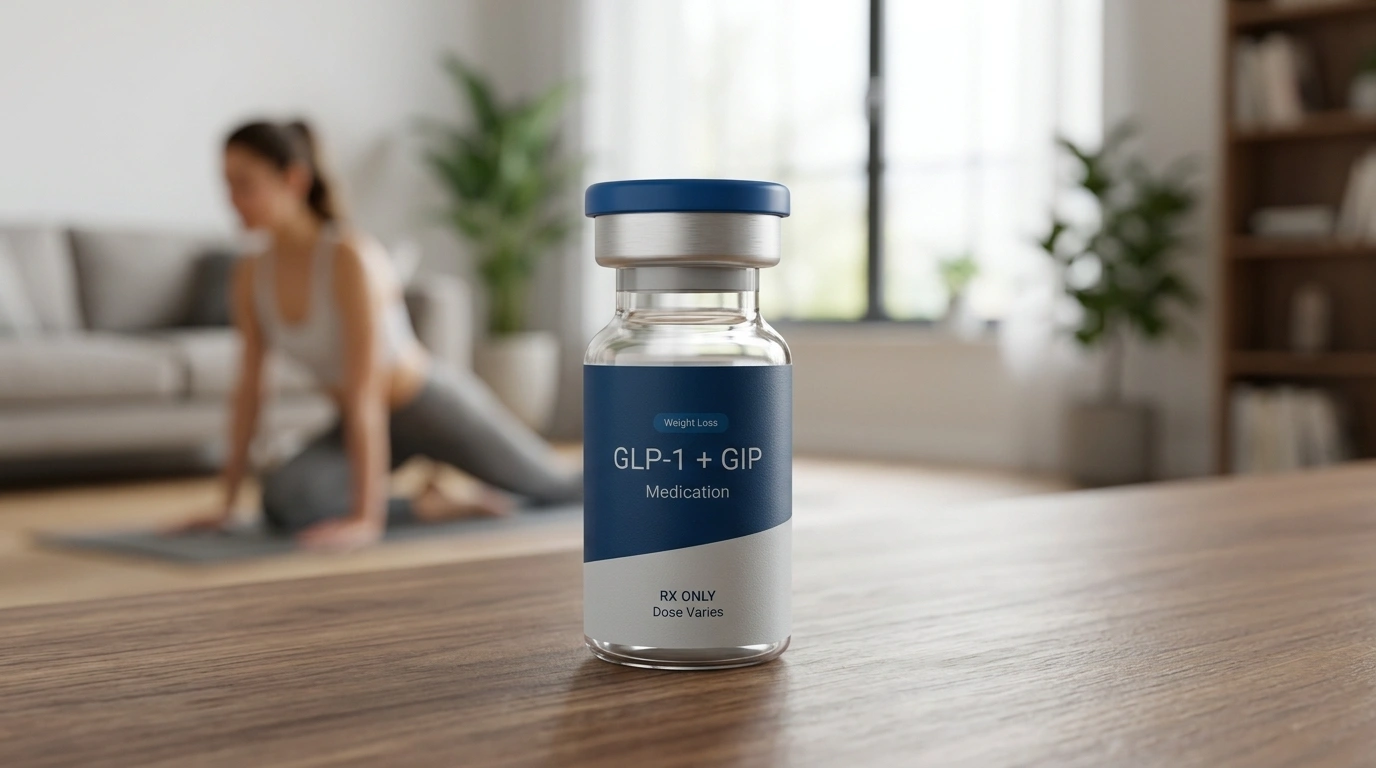
There is currently limited clinical research specifically examining the use of tirzepatide in patients with active COVID-19 infections. However, medical professionals often look at the established safety profile of the medication to provide guidance. Tirzepatide is a dual GIP (glucose-dependent insulinotropic polypeptide) and GLP-1 (glucagon-like peptide-1) receptor agonist. These are hormones that help regulate blood sugar and appetite. You can also learn more about how Mounjaro and tirzepatide work.
When you are sick with a virus, your body is already under significant stress. This stress can change how you react to your weekly injection. For many, the decision to continue or pause the medication depends on the severity of the COVID-19 symptoms. If you have a mild case, you may be able to continue as usual. If you are experiencing severe symptoms, your provider may recommend a temporary pause.
The Risk of Dehydration
One of the most significant concerns when taking Mounjaro® while sick is dehydration. The medication commonly causes gastrointestinal side effects like nausea, vomiting, or diarrhea. COVID-19 can also cause these same symptoms, along with a fever that leads to sweating and fluid loss.
When these two factors combine, the risk of severe dehydration increases significantly. Dehydration is not just about feeling thirsty; it can put a serious strain on your kidneys. If you cannot keep fluids down due to nausea from the medication and the virus, your risk of acute kidney injury may rise. Read more about tirzepatide side effects and dehydration risks.
Managing Gastrointestinal Symptoms
If your COVID-19 symptoms include a lack of appetite or an upset stomach, the appetite-suppressing effects of tirzepatide might make it difficult to consume the nutrients your body needs to fight the infection. Nutritional support may also be relevant for people managing reduced appetite during treatment, including GLP-1 Daily Support.
- Monitor your intake: Ensure you are getting enough calories and protein to support your immune system.
- Prioritize electrolytes: Drink broth, electrolyte-enhanced water, or oral rehydration solutions.
- Small, frequent sips: If nausea is present, avoid large amounts of liquid at once.
Key Takeaway: The combination of viral illness and GLP-1 side effects can lead to rapid dehydration. If you cannot maintain adequate fluid intake, you should contact a healthcare provider immediately to discuss pausing your medication.
Blood Sugar Fluctuations During Viral Infection
For individuals using tirzepatide to manage type 2 diabetes, COVID-19 presents a unique challenge for glycemic control. When the body fights an infection, it releases stress hormones like cortisol and adrenaline. These hormones tell the liver to release more glucose into the bloodstream to provide energy for the “fight.”
This natural immune response can cause blood sugar levels to spike, even if you are not eating much. Conversely, if you are not eating because of the medication’s appetite suppression and the illness, you could face a risk of low blood sugar (hypoglycemia), especially if you take other medications like insulin or sulfonylureas.
Why COVID-19 Impacts Glucose Levels
Viral infections create a state of systemic inflammation. This inflammation can temporarily increase insulin resistance. This means the insulin your body produces (or the insulin you inject) may not work as effectively as it usually does. Because Mounjaro® works by enhancing insulin secretion when blood sugar is high, it can be a helpful tool in managing these spikes, but it requires vigilant monitoring.
Monitoring Requirements
If you have a positive COVID-19 test, you should increase the frequency of your blood sugar checks. You may need to check your levels several times a day to ensure they stay within a safe range. For more information about dose-related concerns, see this overview of tirzepatide dose increases and side effects.
Bottom line: Illness generally causes blood sugar to rise, but poor food intake can cause it to drop. Frequent monitoring is the only way to manage this safely during a COVID-19 infection.
Potential Drug Interactions: Paxlovid and Mounjaro®
If you are prescribed Paxlovid™ (nirmatrelvir/ritonavir) to treat COVID-19, you must be aware of potential interactions. Paxlovid contains ritonavir, which is known to affect how the liver processes certain medications.
While there is no direct contraindication that forbids taking both, some research suggests that Paxlovid could potentially make Mounjaro® less effective. This happens because of how the drugs are metabolized in the body. Additionally, Mounjaro® slows down gastric emptying—the speed at which food and medicine leave your stomach. This delay can affect how quickly or effectively your body absorbs oral medications like Paxlovid.
Other Oral Medications
Because tirzepatide slows digestion, any oral medication you take for COVID-19 symptoms—such as cough syrups, pain relievers, or antiviral pills—may take longer to start working.
- Acetaminophen (Tylenol®): May be absorbed more slowly during the first few doses of tirzepatide.
- Oral Contraceptives: Their effectiveness may be reduced; providers often recommend backup birth control methods for several weeks after starting or increasing a tirzepatide dose.
- Blood Thinners: Medications like warfarin require very close monitoring when combined with a GLP-1.
The Role of Weight Management in Viral Resilience
While an active infection requires immediate care, it is worth noting the long-term relationship between metabolic health and viral outcomes. Clinical data has shown that obesity and poorly controlled diabetes are significant risk factors for severe COVID-19 complications.
Research suggests that medications like semaglutide and tirzepatide may actually improve long-term outcomes by reducing systemic inflammation and improving cardiovascular health. Many patients who achieve a healthier weight and better blood sugar control through a personalized program find that their bodies are better equipped to handle respiratory infections in the future. For people seeking additional metabolic and energy support during weight loss, Weight Loss Boost may be another option to discuss with a healthcare professional.
Key Takeaway: While you should be cautious during an active infection, staying on track with your long-term metabolic health goals is one of the best ways to support your immune system for the future.
Personalized Care and Telehealth Support
Managing a chronic treatment during an acute illness is exactly why the telehealth model is so valuable. You don’t want to sit in a waiting room when you have COVID-19, nor should you have to navigate these decisions alone.
Our approach focuses on keeping you connected to clinical expertise from the comfort of your home. If you are part of a program and test positive for COVID-19, you can reach out to your designated specialists to discuss your symptoms and get a professional opinion on whether to skip your next dose. If you are considering a medically supervised program, you can complete a free eligibility assessment.
We believe that weight loss is not a “one-size-fits-all” journey. Your program should be flexible enough to account for life’s interruptions, including a bout of the flu or COVID-19. This personalized oversight ensures that your safety is never sacrificed for the sake of staying on a schedule.
When to Consider Pausing Your Injection
There are specific “red flag” situations where a healthcare provider will likely tell you to delay your weekly injection. If you are debating whether to take your next dose, consider these steps:
Step 1: Assess your hydration. If you are currently vomiting or have severe diarrhea from COVID-19, do not take your injection. Adding the potential side effects of Mounjaro® to an already dehydrated state can be dangerous.
Step 2: Check your temperature. A high, persistent fever increases your fluid needs. If your fever is difficult to control, focus on recovery and hydration first.
Step 3: Evaluate your food intake. If you cannot eat even small amounts of bland food, your body may not have the glucose it needs to maintain safe blood sugar levels while on a GLP-1 medication.
Step 4: Contact your provider. Always send a message to your clinical team. They may advise you to wait until your symptoms have resolved for 24 to 48 hours before resuming your injections.
Note: Most providers agree that skipping a single dose of Mounjaro® will not significantly derail your long-term progress. It is much safer to miss one week than to risk severe dehydration or kidney stress.
Compounded Tirzepatide and Quality Standards
Many people access their treatment through compounded options. It is important to remember that compounded tirzepatide is not FDA-approved. However, we ensure that the medications are prepared and shipped by FDA-registered and inspected compounding pharmacies. For additional information, review this guide to compounded tirzepatide safety and side effects.
These pharmacies follow strict quality standards to ensure the medication you receive is high-quality. When you are sick, knowing that your medication comes from a reputable source provides peace of mind. If you are using a compounded version of the medication, the same safety rules regarding COVID-19 apply: prioritize hydration and consult your provider if you are experiencing severe symptoms.
| Feature | Consideration During COVID-19 |
|---|---|
| Dosing Schedule | May be paused if symptoms are severe. |
| Hydration | Critical; risk of dehydration is higher. |
| Blood Sugar | May spike due to infection; monitor closely. |
| Paxlovid Interaction | Possible reduced effectiveness of tirzepatide. |
| Oral Meds | Absorption may be delayed due to slow gastric emptying. |
Conclusion
Managing COVID-19 while on a weight loss or diabetes medication requires a cautious, “safety-first” mindset. For many, the answer to “can you take Mounjaro when you have covid” is yes, provided your symptoms are mild and you can stay hydrated. However, if you are struggling with nausea, high fever, or an inability to keep fluids down, pausing the medication is often the most responsible choice.
Our mission at TrimRx is to help you navigate these hurdles with science-backed guidance and empathy. We are here to support your metabolic health through every stage, including the weeks when you aren’t feeling your best. Sustainable health is a marathon, not a sprint, and taking a week off to recover from a virus is a perfectly valid part of that journey.
If you are ready to start a program that offers this level of personalized, medically supervised support, we invite you to take the free assessment quiz. Our team is dedicated to helping you reach your goals safely and effectively.
Next Step: If you are interested in a personalized weight loss program that includes medical supervision and access to GLP-1 medications, find out if GLP-1 medications are right for you.
FAQ
Should I skip my Mounjaro injection if I have a fever?
If your fever is high or accompanied by nausea and vomiting, many doctors recommend delaying your injection by a few days. The primary goal is to avoid dehydration, which can be worsened by both the fever and the medication’s side effects. Always check with your healthcare provider before making changes to your dosing schedule.
Does COVID-19 make Mounjaro side effects worse?
COVID-19 can cause gastrointestinal issues like diarrhea and nausea, which are also common side effects of Mounjaro®. When you have both at once, the symptoms can feel more intense and may lead to a higher risk of dehydration. It is important to focus on electrolytes and light, bland foods if you choose to continue the medication. You can also review common tirzepatide side effects before speaking with your provider.
Can I take Paxlovid with my weight loss injection?
Yes, you can generally take both, but you should be aware that the ritonavir in Paxlovid may interact with how your body processes other medications. Additionally, because Mounjaro® slows down your digestion, it could theoretically delay how quickly the Paxlovid is absorbed into your system. Discuss the timing of your doses with your doctor or pharmacist.
Will skipping a dose of Mounjaro due to COVID-19 cause weight regain?
Missing a single dose while you recover from an illness is unlikely to cause significant weight regain or ruin your long-term progress. Most medications in this class stay in your system for several days, and the most important thing is getting your body back to a healthy state so you can resume your program safely.
Disclaimer: This content is for informational purposes only and does not constitute medical advice. It is not intended to diagnose, treat, cure, or prevent any disease or condition. Individual results may vary. Always consult a qualified healthcare professional before starting any weight loss program or medication.

Transforming Lives, One Step at a Time
Keep reading

Mounjaro Alternatives: What Else to Consider
If Mounjaro isn’t the right fit, the closest alternatives are other GLP-1 medications, chiefly semaglutide (Ozempic for diabetes, Wegovy for weight), along with a…

Mounjaro vs Zepbound: Same Drug, Two Brands
Like their semaglutide counterparts, Mounjaro and Zepbound are the same medication (tirzepatide) sold under two names for two purposes: Mounjaro is approved for type…

Retatrutide vs Mounjaro: Triple Agonist vs Dual Agonist
The core difference between retatrutide and Mounjaro comes down to how many hormone targets each hits: retatrutide activates three receptors, while Mounjaro (tirzepatide) activates…


