Can You Take Mounjaro With COVID? Safety and Advice
Introduction
Waking up with a scratchy throat, body aches, and a positive COVID test is enough to derail anyone’s week. For those using Mounjaro® (tirzepatide) for weight management or metabolic health, a new layer of concern often arises: is it safe to take the next dose while sick? You may worry about how the medication interacts with the virus or whether the side effects of the drug will make your recovery more difficult.
At TrimRx, we understand that consistency is key to long-term success, but your immediate safety always comes first. This post will cover the clinical considerations for continuing your treatment, the risks of dehydration, and how to manage your “sick day” protocol effectively. Navigating a viral infection while on a potent metabolic medication requires a balanced approach to ensure your body has the resources it needs to heal. Safety during a viral illness depends largely on the severity of your symptoms and your ability to stay hydrated.
Quick Answer: Most individuals can continue Mounjaro® with mild COVID symptoms if they can maintain adequate hydration and nutrition. However, if you experience severe vomiting, diarrhea, or high fever, it is often recommended to delay your dose to prevent dehydration and kidney strain. Always consult your healthcare provider before making changes to your prescription schedule.
How Mounjaro Affects the Body
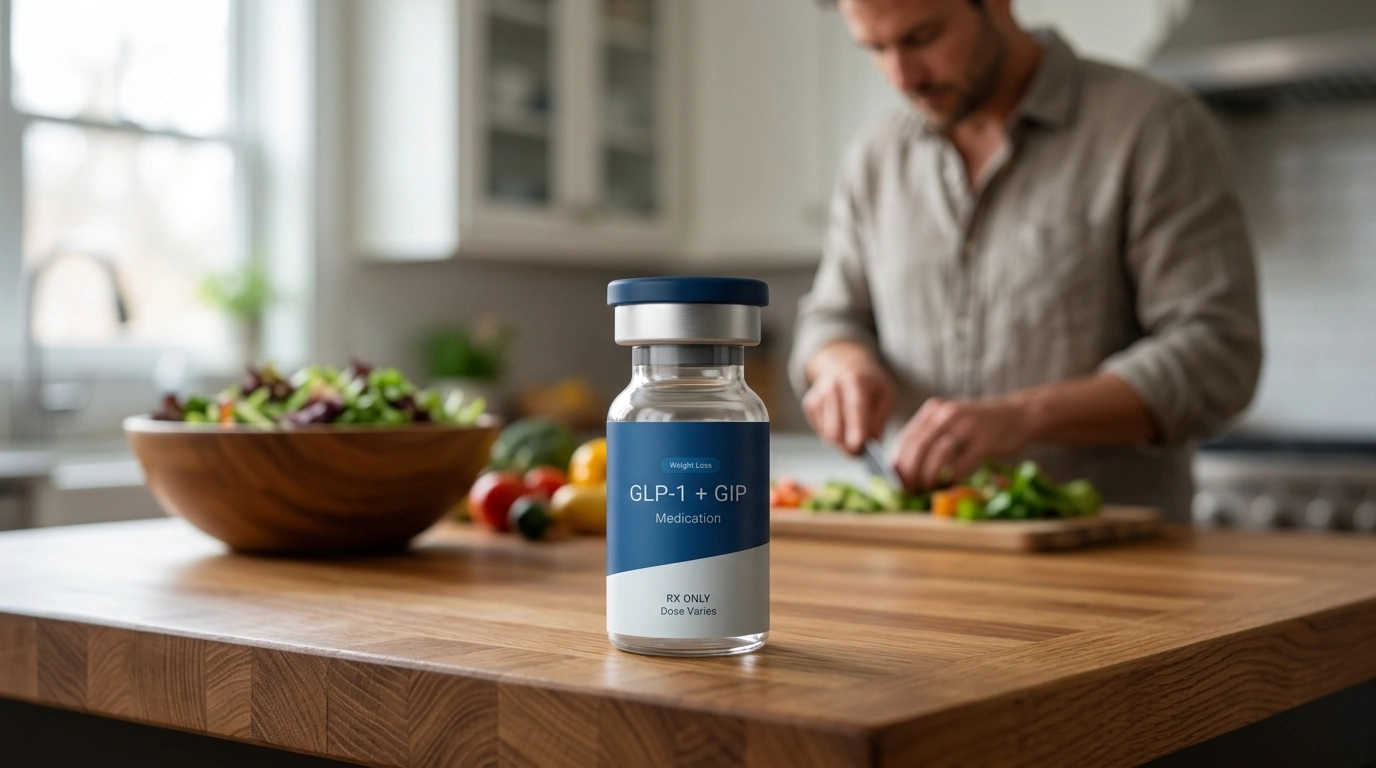
To understand how Mounjaro® might interact with a viral illness, it is helpful to look at how it functions. This medication is a dual agonist, meaning it mimics two different hormones in the body: glucagon-like peptide-1 (GLP-1) and glucose-dependent insulinotropic polypeptide (GIP). These hormones work together to regulate blood sugar and slow down the rate at which your stomach empties, a process called delayed gastric emptying.
By slowing digestion, the medication helps you feel full for longer periods. It also signals the brain to reduce appetite. While these mechanisms are highly effective for weight loss, they can change how your body responds to an illness like COVID. When you are sick, your body’s metabolic demands often increase to fight the infection, but your desire to eat or drink may decrease significantly.
For a broader explanation of how GLP-1 medications work, read this GLP-1 medication overview.
The Intersection of COVID and Tirzepatide
The primary concern when asking “can you take Mounjaro with COVID” is not necessarily a direct drug-to-virus interaction. Instead, the concern lies in the overlapping symptoms of the virus and the medication’s side effects.
COVID often presents with fever, fatigue, and sometimes gastrointestinal issues like nausea or diarrhea. Mounjaro® is also known to cause gastrointestinal side effects, particularly during the first few months of treatment or after a dosage increase. If you are already struggling with nausea from a viral infection, adding a dose of tirzepatide may exacerbate those symptoms, making it difficult to keep down the fluids and nutrients necessary for recovery.
For additional context, review this guide to tirzepatide side effects and symptom management.
Mild vs. Severe COVID Symptoms
If your COVID symptoms are mild—perhaps just a runny nose, mild headache, or a slight cough—and you are eating and drinking normally, you may be able to stay on your regular dosing schedule. In these cases, the medication is unlikely to interfere with your immune system’s ability to clear the virus.
However, severe symptoms change the equation. If you have a high fever, persistent vomiting, or significant diarrhea, your risk of dehydration skyrockets. Because the medication already slows digestion and can cause mild nausea, it may hinder your ability to rehydrate quickly.
Key Takeaway: The decision to take your dose depends on your “functional status”—whether or not you can reliably consume enough water and basic electrolytes to avoid dehydration.
The Risk of Dehydration and Kidney Health
One of the most serious considerations for anyone taking GLP-1 or GIP medications while sick is the health of the kidneys. Dehydration is a common complication of COVID, often caused by fluid loss from fever or reduced fluid intake due to fatigue.
Tirzepatide does not directly damage the kidneys. However, severe dehydration while taking this class of medication has been linked to acute kidney injury (AKI). When the body is dehydrated, the kidneys must work much harder to filter blood. If the medication is also causing gastrointestinal distress, the resulting fluid loss can lead to a dangerous situation for renal function.
Learn more about hydration while taking tirzepatide.
Signs of Dehydration to Watch For:
- Very dark-colored urine or infrequent urination
- Dizziness or lightheadedness when standing up
- Extreme thirst or a very dry mouth
- Rapid heart rate or sunken eyes
If you notice these signs while fighting COVID, it is critical to focus on hydration before considering your next injection.
Personalised Care and Telehealth Support
Every person’s response to both COVID and Mounjaro® is unique, which is why a one-size-fits-all answer is rarely appropriate. Our platform, TrimRx, connects individuals with licensed healthcare providers who can offer specific guidance based on your current health status and medical history.
When you use a telehealth-first approach, you have the advantage of being able to consult with a specialist without leaving your home while sick. This personalized supervision ensures that your weight loss journey remains safe, even when unexpected health hurdles like a viral infection occur.
If you are considering a prescription program, you can complete a free eligibility assessment.
The “Sick Day” Protocol for GLP-1 Medications
In clinical practice, many providers suggest a “sick day rule” for metabolic medications. This doesn’t mean you must stop your treatment permanently, but rather that you pause briefly to allow your body to stabilize.
Step 1: Assess Your Symptoms Check your temperature and monitor your gastrointestinal health. Are you able to keep down a glass of water? Can you eat a simple meal like toast or crackers?
Step 2: Check Your Schedule If your injection day is approaching and you feel significantly ill, it is often safer to delay the dose by a few days. Most providers allow for a 48-to-72-hour window for dosing without losing the cumulative benefits of the medication.
Step 3: Prioritize Electrolytes Water alone is sometimes not enough during a viral infection. Use electrolyte solutions or broths to replace the salts lost through sweat (if you have a fever) or digestive issues.
Step 4: Contact Your Provider Before skipping or delaying a dose, send a message to your healthcare team. They can provide a specific timeline for when it is safe to resume your treatment.
| Situation | Action to Consider |
|---|---|
| Mild cold, no fever, eating normally | Continue dose as scheduled |
| Moderate fever, but able to drink fluids | Consider delaying dose 24–48 hours |
| Severe vomiting or unable to keep fluids down | Hold dose and contact your healthcare provider |
| Recovering, symptoms gone, but still weak | Resume dose once appetite returns |
Diabetic Considerations
If you are taking Mounjaro® specifically for type 2 diabetes, the stakes are slightly higher. Viral infections like COVID can cause blood sugar levels to spike because the body releases stress hormones to fight the illness. Conversely, if you are not eating because of COVID but continue taking your medication, you may be at risk for hypoglycemia (low blood sugar).
Individuals with diabetes should monitor their blood glucose levels more frequently while sick with COVID. It is essential to have a “sick day plan” pre-approved by your doctor, which may include instructions on adjusting insulin or other medications alongside your tirzepatide treatment.
Myth: You must stop Mounjaro immediately if you test positive for COVID. Fact: Most people can safely continue the medication if their symptoms are mild. The decision to “hold” the dose is usually based on gastrointestinal distress and hydration levels, not the presence of the virus itself.
Restarting Mounjaro After Recovery
Once your COVID symptoms have resolved and you are back to your normal eating habits, you can typically resume your dosing schedule. If you only missed one dose, you can usually take it as soon as you feel better and then return to your regular weekly day.
If you have been sick for several weeks and have missed multiple doses, do not try to “make up” the missed doses by taking more at once. This can lead to severe side effects as your body’s tolerance for the medication may have decreased during the break. In these cases, your provider may suggest restarting at a lower dose to allow your system to readjust safely.
Support During Your Journey
Managing your health while on a weight loss program involves more than just taking a weekly injection. It requires attention to nutrition, hydration, and the management of unexpected illnesses. We provide access to programs that include medical supervision, which is vital for navigating these moments of uncertainty.
For those looking for extra support during recovery or to maintain their progress while dealing with minor illnesses, we also offer non-prescription options. Our GLP-1 Daily Support supplement is designed to provide essential nutrients that may be depleted during treatment, while our Weight Loss Boost supplement can help maintain metabolic momentum during lifestyle shifts.
Bottom line: Your body needs energy and hydration to fight COVID. If your medication prevents you from getting those two things, it is time to pause and consult a professional.
The Importance of Professional Guidance
While many people share their personal experiences on forums, your medical history is unique. Factors such as your age, BMI, underlying heart or kidney conditions, and the specific strain of COVID you have can all influence the safety of taking Mounjaro® during an infection.
Telehealth platforms like TrimRx make it easy to get the professional advice you need without the stress of visiting a doctor’s office while you are contagious. A licensed provider can review your symptoms and give you a clear, evidence-based plan for your medication.
For more information about obtaining treatment through telehealth, read this guide to getting a GLP-1 prescription online.
Practical Tips for Managing COVID and Mounjaro
If you and your provider decide that you should continue your medication, follow these tips to stay comfortable:
- Eat small, frequent meals: Even if you aren’t hungry, try to eat small amounts of protein-rich food to support your immune system.
- Focus on bland foods: If you have mild nausea from both the virus and the medication, stick to the BRAT diet (bananas, rice, applesauce, toast).
- Monitor your heart rate: Both COVID and dehydration can increase your heart rate. If you feel palpitations, rest and hydrate immediately.
- Avoid dose increases: If you were scheduled to move up to a higher dose this week, it is usually best to stay at your current dose until you are 100% recovered.
Compounded Tirzepatide and Personalized Programs
Many patients today access treatment through personalized programs that utilize compounded medications. It is important to note that Compounded Tirzepatide is not FDA-approved. However, the medications provided through our platform are prepared and shipped by FDA-registered and inspected compounding pharmacies, ensuring a high standard of quality and safety.
These personalized programs are designed to be flexible. If you encounter a health setback like COVID, your program can be adjusted under medical supervision to ensure you aren’t pushing your body too hard while it is trying to heal. This level of oversight is one of the many reasons people choose a telehealth-based weight loss platform.
Conclusion
Navigating a COVID infection while on a weight loss journey can be stressful, but it doesn’t have to derail your progress. The most important factor in determining whether you can take Mounjaro® with COVID is how your body is handling the infection. If you can stay hydrated and eat enough to support your recovery, continuing your dose may be appropriate. If you are struggling with severe symptoms or dehydration, pausing the medication is a common and safe practice.
At TrimRx, our mission is to help individuals embrace healthier lifestyles through a transparent, science-backed approach. We believe in providing the tools and professional support necessary to handle life’s unexpected challenges, ensuring your path to sustainable weight loss is both safe and effective. If you are currently sick or planning your weight loss journey, consider taking our free assessment quiz to see which personalized program might be right for you.
FAQ
Should I skip my Mounjaro dose if I have a fever?
A fever alone doesn’t always require skipping a dose, but it does increase your risk of dehydration. If your fever is high and you are struggling to drink enough water, many providers suggest delaying the dose until your temperature stabilizes. Always check with your healthcare professional for a recommendation based on your specific symptoms.
Can COVID make Mounjaro side effects worse?
Yes, it is possible for COVID to exacerbate the gastrointestinal side effects of tirzepatide. Both the virus and the medication can cause nausea, vomiting, and loss of appetite. Combining the two during an active infection can make these symptoms more intense, which is why monitoring your fluid intake is so important. For a deeper look, review this tirzepatide side effects guide.
How long should I wait after having COVID to start my injections again?
Most people can resume their injections once their acute symptoms, like fever and vomiting, have resolved for at least 24 to 48 hours. If you have been off the medication for more than two weeks, your provider may suggest restarting at a lower dose to minimize the risk of side effects.
Does Mounjaro interfere with COVID antiviral medications?
There are no currently known major drug-to-drug interactions between tirzepatide and common COVID antivirals. However, because both can affect the digestive system, your provider should review all your medications to ensure your treatment plan is safe and effective while you are recovering.
Disclaimer: This content is for informational purposes only and does not constitute medical advice. It is not intended to diagnose, treat, cure, or prevent any disease or condition. Individual results may vary. Always consult a qualified healthcare professional before starting any weight loss program or medication.

Transforming Lives, One Step at a Time
Keep reading

When You and Your Spouse Are Both on Mounjaro
It is increasingly common for both people in a couple to be on the same medication. Sometimes one partner starts and the other follows…

Black Friday Shopping on Mounjaro
For a lot of families, Black Friday is a tradition: lining up before dawn, racing through stores with a list, and shopping until the…

Mounjaro Alternatives: What Else to Consider
If Mounjaro isn’t the right fit, the closest alternatives are other GLP-1 medications, chiefly semaglutide (Ozempic for diabetes, Wegovy for weight), along with a…


