Can You Take Mounjaro 2.5 and 5.0 Together
Introduction
Standing in front of the refrigerator with two different boxes of medication can be a moment of genuine confusion. Perhaps your local pharmacy is facing a shortage of your prescribed strength, or you have leftover pens from your first month of treatment. It seems like a simple math problem: if your goal is a 7.5 mg dose, shouldn’t adding a 2.5 mg pen and a 5.0 mg pen together work perfectly? At TrimRx, we know how tempting it is to take matters into your own hands when you are focused on maintaining your weight loss momentum. However, when it comes to advanced metabolic treatments, the biology of your body is more complex than basic arithmetic. This article explores the clinical risks of combining different doses, why the established titration schedule is vital for your safety, and how to navigate supply hurdles with professional guidance.
Quick Answer: It is not recommended to take a 2.5 mg and a 5.0 mg Mounjaro® injection together to create a 7.5 mg dose without explicit instructions from a licensed provider. Combining these injections doubles the volume of liquid and the “hit” of the active ingredient, which significantly increases the risk of severe gastrointestinal side effects and has not been clinically studied for safety. If you are unsure whether your current prescription is appropriate, complete a free eligibility assessment.
The Science of Tirzepatide and Dosing Logic
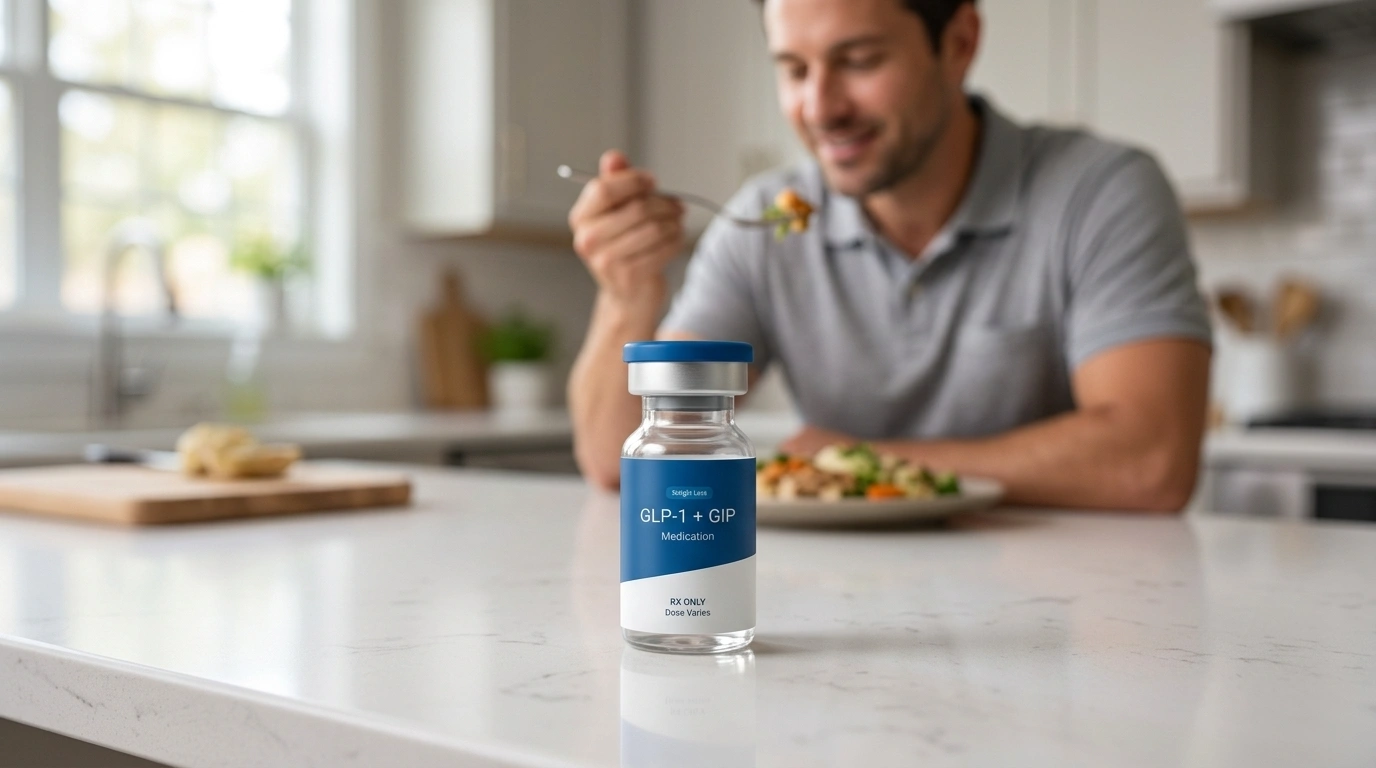
To understand why “stacking” doses is risky, it helps to understand what the medication actually does. Mounjaro® contains the active ingredient tirzepatide. This molecule is a dual agonist, meaning it mimics two different hormones in your body: glucagon-like peptide-1 (GLP-1) and glucose-dependent insulinotropic polypeptide (GIP).
GLP-1 is a hormone that tells your brain you are full and slows down gastric emptying—the rate at which your stomach moves food into the small intestine. GIP is a hormone that is thought to improve how your body breaks down sugar and fat. Together, they provide a powerful signal to the metabolic system. Because these hormones affect your digestion so deeply, your body requires a careful, step-by-step introduction to the medication. For more on this process, review how Mounjaro dose levels are introduced and adjusted.
The Purpose of the 2.5 mg Dose
The 2.5 mg strength is officially considered an “initiation” or “starting” dose. Its primary role is not to cause significant weight loss, but to prepare your digestive system. Most individuals stay on 2.5 mg for four weeks before moving to 5.0 mg. This process, known as titration, is a safety protocol designed to minimize discomfort while your body finds a new equilibrium.
The Jump to 5.0 mg and Beyond
After the first month, if you are tolerating the medication well, a licensed provider typically moves you to 5.0 mg. This is often the first “therapeutic” dose where patients see more consistent results. If you were to combine a 2.5 mg pen and a 5.0 mg pen, you are effectively jumping to a 7.5 mg dose. If your body has not already acclimated to the 5.0 mg level for at least four weeks, this sudden surge can overwhelm your system.
Key Takeaway: Titration is a deliberate medical process, not a race. Moving to a higher dose by combining pens bypasses the necessary adjustment period your digestive tract requires to function comfortably.
Why Combining 2.5 and 5.0 is Clinically Discouraged
While the math of 2.5 plus 5.0 equals 7.5, the delivery of that medication into your subcutaneous tissue (the fat layer under your skin) is not as straightforward. There are several reasons why manufacturers and healthcare professionals advise against this practice.
Lack of Clinical Data
Pharmaceutical companies spend years testing specific dosages in controlled environments. They have tested the safety and efficacy of single-injection units of 2.5 mg, 5.0 mg, and 7.5 mg. However, they have not conducted clinical trials on what happens when a patient receives two separate injections of different strengths simultaneously. There is no verified data to confirm that the absorption rate remains consistent when the medication is delivered through two different entry points at once.
Increased Risk of Severe Side Effects
The most common side effects of tirzepatide are gastrointestinal. When you take two separate injections, you are doubling the volume of inactive ingredients, buffers, and preservatives, in addition to the active medication. For many, this leads to:
- Intense Nausea: The sudden rise in hormone levels can trigger the brain’s nausea centers more aggressively.
- Persistent Vomiting: Because the medication slows gastric emptying, a double dose can lead to a significant “backup” in the digestive tract.
- Abdominal Pain: Doubling the volume of liquid under the skin can cause localized discomfort, but the internal effect on the gut can lead to cramping and bloating.
For a broader overview of nausea, vomiting, bloating, and injection-site reactions, see common GLP-1 side effects and what to expect.
Injection Site Complications
Each injection carries a small risk of redness, swelling, or bruising. By performing two injections instead of one, you are doubling the physical trauma to the skin. This increases the likelihood of injection site reactions, which can be particularly uncomfortable for individuals with sensitive skin.
Comparison: Single Dose vs. Combined Doses
| Feature | Single 7.5 mg Injection | Combined 2.5 mg + 5.0 mg |
|---|---|---|
| Total Active Ingredient | 7.5 mg | 7.5 mg |
| Liquid Volume | 0.5 mL | 1.0 mL (0.5 mL + 0.5 mL) |
| Inactive Ingredients | Standard amount | Double the amount |
| Clinical Study Status | FDA-Approved Strength | Unstudied Combination |
| Injection Trauma | One puncture site | Two puncture sites |
| Risk of Side Effects | Controlled | Significantly Increased |
Navigating Supply Shortages and Availability
One of the most common reasons people consider combining doses is the “supply chain” issue. Branded medications like Mounjaro® or Zepbound® have frequently faced shortages due to high demand. If a patient cannot find a 7.5 mg pen but has access to 2.5 mg and 5.0 mg pens, the urge to improvise is understandable.
At TrimRx, we address this frustration by merging clinical expertise with a more flexible service model. Our platform connects you with licensed providers who can prescribe personalized programs that often utilize compounded tirzepatide. If you need help determining whether a supervised program is appropriate, start the assessment process.
The Role of Compounded Medications
Compounded tirzepatide is prepared by licensed pharmacists in FDA-registered, inspected compounding pharmacies. These medications are often provided in vials rather than fixed-dose pens. This allows your provider to adjust your dose with precision. If a specific strength is unavailable in a branded pen, compounded options can provide a consistent supply, ensuring you never have to guess about “stacking” pens to stay on your schedule.
Note: Compounded medications are not FDA-approved. However, they are prepared in specialized facilities that follow strict quality and safety regulations to ensure they meet the needs of individual patients.
For additional background, read what compounded GLP-1 medication means.
Bottom line: If you are facing a shortage, do not DIY your dosage. Contact a specialist to discuss safe alternatives, such as staying on a lower dose temporarily or exploring a compounded treatment plan.
Managing Potential Side Effects During Dose Transitions
Whether you are moving from 2.5 mg to 5.0 mg or 5.0 mg to 7.5 mg, the transition period is when side effects are most likely to peak. If you were to combine doses without medical oversight, managing these symptoms would become significantly more difficult.
1. Listen to Your Body If you experience intense stomach pain, persistent vomiting that prevents you from keeping liquids down, or signs of an allergic reaction (like hives or swelling), you should seek medical attention immediately.
2. Focus on Hydration Many people mistake the “fullness” of the medication for not needing to drink. Proper hydration is essential for reducing nausea and helping the kidneys process the medication efficiently.
3. Small, Frequent Meals To avoid overwhelming your stomach, aim for small portions of bland, high-protein foods. This helps keep your energy up without causing the discomfort associated with a “full” digestive tract.
4. Consider Nutritional Support When your appetite is suppressed, it can be hard to get the nutrients your body needs. Supplements like our GLP-1 Daily Support or Weight Loss Boost are designed to fill these gaps, supporting your energy levels and digestive health during your journey.
Key Takeaway: Success is about more than the injection itself; it is about the lifestyle and nutritional choices you make to support your body while it adjusts to these hormonal changes.
What to Do with Leftover 2.5 mg Pens
It is common to have a few 2.5 mg pens left over if your provider moves you to a 5.0 mg dose earlier than expected. If you find yourself in this situation, do not make a unilateral decision to “double up.”
Myth: “Since it’s the same medicine, taking two pens is the same as taking one larger pen.” Fact: Medication delivery systems are precisely engineered. Stacking two injections changes the absorption dynamics and increases the risk of adverse reactions.
Instead of combining them, follow these steps:
- Consult Your Provider: Ask if you should finish the 2.5 mg pens before starting the 5.0 mg box. In many cases, staying on the lower dose for an extra week is safer than jumping up too quickly.
- Check the Expiration: As long as they are stored in the refrigerator and have not expired, leftover pens can often be saved for future use under your provider’s guidance.
- Prioritize Safety: If you are already seeing results on 2.5 mg, there is no medical reason to rush the process. A slower titration often leads to a more comfortable and sustainable experience.
The Importance of Professional Supervision
The journey toward metabolic health is a marathon, not a sprint. While the question of whether you can take Mounjaro 2.5 and 5.0 together often comes from a desire to stay on track, the safest answer is to follow a plan vetted by experts.
Our program at TrimRx is designed to provide this exact level of oversight. We remove the barriers of waiting rooms and in-person visits while maintaining high clinical standards through our telehealth-first approach. When you use our platform, you aren’t just getting a prescription; you are getting a dedicated team that monitors your progress and side effects in real-time. To learn what happens after an online intake, read how online GLP-1 prescriptions work from consultation to delivery.
How to Safely Start or Adjust Your Program
If you are ready to stop guessing about your dosage and want a plan that prioritizes your safety, the process is straightforward:
- Step 1: Complete the Assessment. Our free online quiz evaluates your medical history, BMI, and weight loss goals to see if you are a candidate for a personalized program.
- Step 2: Provider Consultation. A licensed healthcare professional reviews your profile to ensure the medication is safe for you, checking for contraindications like a history of thyroid cancer or pancreatitis.
- Step 3: Personalized Delivery. Once approved, your medication is shipped from a high-quality, inspected pharmacy directly to your door, including all necessary supplies.
- Step 4: Ongoing Support. You have 24/7 access to specialists who can answer questions about dosing, shortages, or side effects, ensuring you never have to make clinical decisions on your own.
Conclusion
The temptation to speed up your weight loss or solve a supply issue by combining medication doses is understandable, but it is not a safe path. Taking Mounjaro® 2.5 mg and 5.0 mg together has not been clinically studied and carries a high risk of severe gastrointestinal complications. Your body requires a steady, guided titration process to adapt to the metabolic changes introduced by tirzepatide.
At TrimRx, our mission is to help individuals embrace healthier lifestyles through science, empathy, and a transparent, personalized approach to sustainable weight loss. We believe that by merging clinical expertise with modern technology, we can provide a safer, more effective way to reach your goals.
“True metabolic health isn’t just about losing weight; it is about protecting your body’s systems throughout the process.”
If you are ready to start a personalized weight loss program that prioritizes your safety and long-term success, your next step is simple.
Take the free assessment quiz today to see which personalized program is right for your body and your goals.
FAQ
Can I take two 2.5 mg Mounjaro injections to make a 5.0 mg dose?
While the math equals 5.0 mg, you should only do this if specifically instructed by your healthcare provider. Using two pens doubles the liquid volume and inactive ingredients, which can cause more skin irritation and has not been studied for absorption rates. It is generally safer to wait for the correct pen strength.
What should I do if I accidentally took 2.5 mg and 5.0 mg together?
If you have combined these doses and are experiencing severe nausea, persistent vomiting, or extreme abdominal pain, contact your healthcare provider immediately or call Poison Help at 1-800-222-1222. Monitor yourself for signs of dehydration, such as dizziness or dark urine, and seek emergency care if you cannot keep liquids down. You can also review common GLP-1 side effects before speaking with a licensed provider.
Is it safe to stay on 2.5 mg longer than four weeks?
Yes, many people stay on 2.5 mg for longer if they are seeing consistent results and want to minimize side effects. The 2.5 mg dose is intended to build tolerance, and if it is already working for you, your provider may suggest finishing your current supply before moving to 5.0 mg.
Can I use my leftover 2.5 mg pens if I missed a dose of 5.0 mg?
You should never double up on doses to “catch up” for a missed week. If you miss a dose and it has been more than four days, the standard advice is to skip it and wait for your next scheduled day. Always consult your provider before using leftover pens to ensure they are integrated safely into your titration schedule. If you need individualized guidance, complete the free assessment.
TrimRX does not practice medicine or prescribe medications. Compounded medications are not FDA-approved and are not evaluated by the FDA for safety or efficacy. Results vary by individual and are not guaranteed.
Disclaimer: This content is for informational purposes only and does not constitute medical advice. It is not intended to diagnose, treat, cure, or prevent any disease or condition. Individual results may vary. Always consult a qualified healthcare professional before starting any weight loss program or medication.

Transforming Lives, One Step at a Time
Keep reading

Volunteering at a Holiday Meal on Mounjaro
Serving a Thanksgiving or holiday meal at a shelter, a church hall, or a community center is one of the most meaningful ways to…
Volunteering at a Home Build on Mounjaro
Volunteer home builds bring together church groups, families, and friends to frame walls, hang drywall, paint, install siding, and plant yards, often for a…

Taking a Tai Chi Class on Mounjaro
Tai chi is a slow, flowing practice that builds balance, leg strength, and calm. Classes are offered at senior centers, community colleges, parks, and…


