Can You Take Collagen While on Mounjaro?
Introduction
If you have started a medical weight loss journey, you may have noticed changes that go beyond the number on the scale. Many people using Mounjaro® (tirzepatide) report concerns about skin laxity, often called “Mounjaro face,” or worries about losing muscle mass alongside fat. It is natural to look for supplements that can support your body through this transition. At TrimRx, we understand that achieving your goal weight is only part of the process; feeling confident and healthy in your skin is just as important.
This post covers the safety, benefits, and practicalities of using collagen supplements while on a GLP-1 (glucagon-like peptide-1) or GIP (glucose-dependent insulinotropic polypeptide) medication. We will examine how these supplements may support skin elasticity, joint health, and muscle preservation. While no supplement replaces a balanced diet, collagen can be a strategic addition to your personalized wellness plan. If you are considering a prescription weight loss program, you can complete a free eligibility assessment.
How Mounjaro Works in Your Body
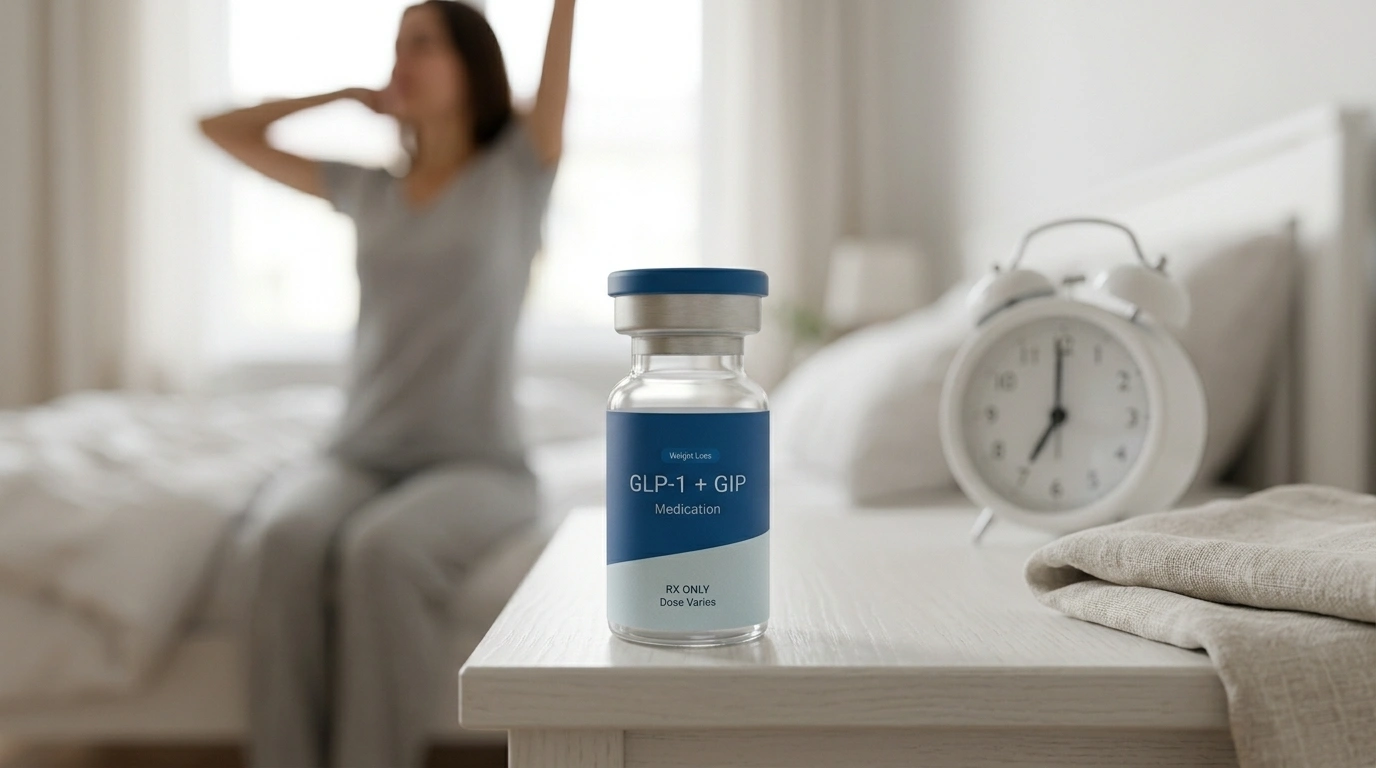
To understand how supplements interact with your treatment, it is helpful to know what the medication does. Mounjaro® is a dual-acting medication that mimics two natural hormones: GLP-1 and GIP. These hormones help regulate blood sugar and slow down the speed at which your stomach empties, a process known as gastric emptying. For additional background, read this guide to how GLP-1 treatment works in the body.
By slowing digestion, the medication helps you feel full for longer periods. This leads to a significant reduction in calorie intake, which results in weight loss. However, because your digestion is moving more slowly, the way your body absorbs nutrients and supplements can also change. This makes the timing and quality of what you ingest particularly important.
What Is Collagen?
Collagen is the most abundant protein in the human body. Think of it as the “glue” that holds everything together. It provides structure to your skin, bones, muscles, tendons, and ligaments. There are several types of collagen, but the most common are:
- Type I: Found in skin, hair, nails, and bones.
- Type II: Found primarily in cartilage and joints.
- Type III: Found in muscles, organs, and blood vessels.
As we age, our body’s natural collagen production slows down. When you experience rapid weight loss, the demand on your skin and connective tissues increases. This is why many individuals consider supplementation to help their bodies adapt to their new composition. You can also explore TrimRx’s overview of collagen and its role in weight loss.
Is it Safe to Combine Collagen and Mounjaro?
The short answer is yes. There are currently no known direct drug-supplement interactions between collagen and Mounjaro®. Collagen is essentially a protein that has been broken down into smaller, easier-to-digest pieces called peptides. Your body treats these peptides much like the protein found in a piece of chicken or a bowl of lentils.
However, because both the medication and collagen supplements can affect your digestive system, there are a few considerations to keep in mind.
Quick Answer: Yes, you can safely take collagen while on Mounjaro®. There are no known clinical interactions between the two, and collagen may help support skin and joint health during your weight loss journey.
Digestive Sensitivity
Mounjaro® can cause gastrointestinal side effects such as nausea, bloating, or constipation. Some people find that collagen powders, especially in high doses, can also cause mild bloating. If you are already experiencing digestive discomfort from your medication, adding a new supplement should be done gradually. For more nutrition and supplement considerations, review this guide to supplements that may support a GLP-1 weight loss plan.
Timing and Absorption
Because Mounjaro® slows gastric emptying, anything you swallow stays in your stomach longer. To avoid overwhelming your digestive tract, many providers suggest taking your supplements at a different time than your medication injection. For example, if you take your shot on Sunday morning, you might wait until Monday to resume your daily collagen routine.
Addressing “Mounjaro Face” and Skin Laxity
One of the most discussed topics in medical weight loss is the change in facial appearance. Rapid fat loss can lead to a loss of volume in the cheeks and around the eyes. When fat disappears quickly, the skin may not have enough time or elasticity to “shrink” back down, leading to sagging or fine lines.
How Collagen Supports Skin Elasticity
Collagen peptides may support the dermis, which is the thick layer of skin that gives it its foundation. Studies suggest that consistent collagen supplementation can improve skin hydration and elasticity. For those on a weight loss program with us, maintaining skin health is a common priority.
By providing the body with the building blocks it needs to repair skin tissue, you may help minimize the appearance of loose skin. It is important to have realistic expectations; collagen is not a surgical fix for significant skin laxity, but it can be a valuable tool for maintaining skin quality.
The Role of Vitamin C
Your body cannot effectively synthesize collagen without Vitamin C. If you choose to supplement, ensure you are also consuming foods high in Vitamin C, such as citrus fruits, bell peppers, or strawberries. Some collagen powders include Vitamin C in the formula for this reason.
Supporting Muscle and Joint Health
Weight loss is most successful when you lose fat while preserving lean muscle mass. However, when the body is in a significant calorie deficit, it can sometimes break down muscle tissue for energy. Learn more about choosing protein during weight loss to support a food-first approach.
Muscle Preservation
Collagen is rich in specific amino acids like glycine, proline, and hydroxyproline. While it is not a “complete” protein—meaning it doesn’t contain all nine essential amino acids—it can still contribute to your daily protein goals. Glycine, in particular, is essential for the production of creatine, which helps fuel your muscles during exercise.
Joint Comfort
As your body weight changes, your center of gravity and the way you move also change. This can sometimes put temporary stress on your joints. Type II collagen is specifically known for supporting cartilage. Supplementing may help reduce minor joint discomfort as you become more active and your body adjusts to its new weight.
Key Takeaway: Collagen acts as a structural support system. While Mounjaro® helps reduce weight, collagen may help the body maintain its structural integrity, specifically in the skin and joints.
Choosing the Right Collagen Supplement
Not all supplements are created equal. When shopping for collagen while on a GLP-1 program, look for the following:
Hydrolyzed Peptides
“Hydrolyzed” means the protein chains have been broken down into smaller pieces. This is crucial when your digestion is slowed by medication, as hydrolyzed peptides are much easier for your body to absorb quickly.
Source Matters
- Bovine Collagen: Sourced from cows, typically rich in Types I and III. Good for skin and overall protein intake.
- Marine Collagen: Sourced from fish, primarily Type I. Often considered the best for skin elasticity and is easily absorbed.
- Vegan Options: True collagen is animal-based. “Vegan collagen” products usually contain the vitamins and amino acids that help your body produce its own collagen rather than providing collagen directly.
Clean Ingredients
Because Mounjaro® can make your stomach more sensitive, avoid supplements with excessive artificial sweeteners, fillers, or heavy flavorings. A plain, unflavored powder that you can mix into water, coffee, or a smoothie is often the most tolerable option.
| Feature | Bovine Collagen | Marine Collagen |
|---|---|---|
| Main Types | I & III | I |
| Primary Benefit | Muscle & Skin support | Skin elasticity & Hydration |
| Absorption | Good | Excellent (smaller particles) |
| Dietary Suitability | Not for vegetarians | Not for vegans/shellfish allergies |
How to Supplement Effectively
If you decide to incorporate collagen into your routine while using our program, follow these steps to get the best results.
Step 1: Consult Your Provider
Before adding any supplement, speak with your healthcare professional. They can review your blood work and ensure that the supplement won’t interfere with any other conditions, such as kidney issues, where high protein intake must be monitored.
Step 2: Start with a Small Dose
Instead of jumping to a full 15-gram serving, start with 5 grams. Observe how your stomach reacts for a few days before increasing the amount.
Step 3: Be Consistent
Collagen is not an overnight fix. Research suggests it takes 8 to 12 weeks of daily use to see visible changes in skin elasticity or joint comfort.
Step 4: Focus on Whole Foods First
Supplements should support a healthy diet, not replace it. Prioritize high-quality proteins like lean meats, eggs, and legumes. We emphasize a food-first approach to ensure you get a broad spectrum of nutrients.
Potential Side Effects and Precautions
While generally safe, there are a few things to watch for when taking collagen and Mounjaro® together:
- Bloating and Fullness: Since collagen is a protein, it can make you feel full. If you are already struggling to eat enough calories due to Mounjaro®, taking collagen right before a meal might make it harder to finish your food.
- Allergies: Be mindful of the source. If you have a shellfish or fish allergy, avoid marine collagen.
- Kidney Health: Very high protein intake can strain the kidneys in people with pre-existing kidney disease. Always mention your supplement use to your doctor if you have renal concerns.
Note: If you experience persistent nausea or significant changes in bowel habits after starting collagen, discontinue use and consult your medical provider.
Prioritizing a Protein-First Diet
While collagen is helpful, it is only one piece of the puzzle. When you are on a medication like Mounjaro®, your appetite is reduced, which means every bite of food needs to count.
We recommend focusing on “complete” proteins first. These include chicken, turkey, fish, tofu, and dairy. These foods provide the essential amino acids that collagen lacks. You can use collagen as a “booster” to your protein intake, but it shouldn’t be your only source. For more guidance, read about why protein matters during weight loss.
Nutrient Support
For those looking to fill the gaps created by a smaller appetite, our GLP-1 Daily Support supplement is designed to provide targeted nutrients that complement your journey. This can be especially helpful if you find it difficult to eat a wide variety of vegetables and proteins every day.
The TrimRx Approach to Sustainable Weight Loss
Our mission at TrimRx is to provide a clear, science-backed path to better health. We believe that weight loss is about more than just a prescription; it is about providing your body with the tools it needs to thrive during and after the process.
Our personalized programs are designed by clinicians who understand the nuances of GLP-1 and GIP medications. We don’t just provide access to treatment; we provide the support, education, and supplemental guidance you need to reach your goals safely. If you are ready to explore whether a personalized prescription program may be appropriate for you, take the free assessment quiz.
Bottom line: Collagen is a safe and potentially beneficial supplement for those on Mounjaro®, provided you prioritize digestive comfort and a protein-rich diet.
FAQ
Does collagen help with “Mounjaro face”?
While collagen cannot replace lost facial fat, it may help improve skin elasticity and hydration. This can make the skin appear firmer and more resilient as your facial volume changes during weight loss.
When is the best time to take collagen on Mounjaro?
Because the medication slows digestion, it is often best to take collagen with a light meal or in your morning coffee. Avoid taking it at the same time as your weekly injection if you are prone to nausea on “shot day.”
Can I take collagen if I am also taking TrimRx supplements?
Yes, collagen can generally be taken alongside our Weight Loss Boost supplement or GLP-1 Daily Support supplements. However, always check the total protein and vitamin content to ensure you are staying within the recommended daily limits for your health profile.
Will collagen make me feel more full?
Yes, protein is highly satiating. If you are struggling to eat enough during the day, you may want to sip your collagen drink slowly or take it between meals so it doesn’t prevent you from eating nutrient-dense whole foods.
Disclaimer: This content is for informational purposes only and does not constitute medical advice. It is not intended to diagnose, treat, cure, or prevent any disease or condition. Individual results may vary. Always consult a qualified healthcare professional before starting any weight loss program or medication.

Transforming Lives, One Step at a Time
Keep reading

Mounjaro Alternatives: What Else to Consider
If Mounjaro isn’t the right fit, the closest alternatives are other GLP-1 medications, chiefly semaglutide (Ozempic for diabetes, Wegovy for weight), along with a…

Mounjaro vs Zepbound: Same Drug, Two Brands
Like their semaglutide counterparts, Mounjaro and Zepbound are the same medication (tirzepatide) sold under two names for two purposes: Mounjaro is approved for type…

Retatrutide vs Mounjaro: Triple Agonist vs Dual Agonist
The core difference between retatrutide and Mounjaro comes down to how many hormone targets each hits: retatrutide activates three receptors, while Mounjaro (tirzepatide) activates…


