How Long After Surgery Can You Take Mounjaro?
Introduction
Recovering from surgery requires patience, careful monitoring, and a focus on healing. If you have been using Mounjaro® (tirzepatide) for weight management or type 2 diabetes, you may be eager to resume your routine to maintain your progress. However, the timing of when to restart this medication is a critical clinical decision that depends on how your body heals and the nature of your procedure. At TrimRx, we prioritize your safety by ensuring that every step of your weight loss journey is medically supervised and tailored to your specific health profile.
This article covers the biological reasons why timing matters, the clinical milestones you should meet before restarting, and how to coordinate with your surgical team. Our goal is to provide you with the knowledge to navigate your recovery safely. Resuming Mounjaro after surgery is not about a fixed date on the calendar, but rather about ensuring your digestive system is ready for the medication’s effects. For additional context, review this guide on when to stop Mounjaro before surgery.
Understanding Mounjaro and the Surgical Process
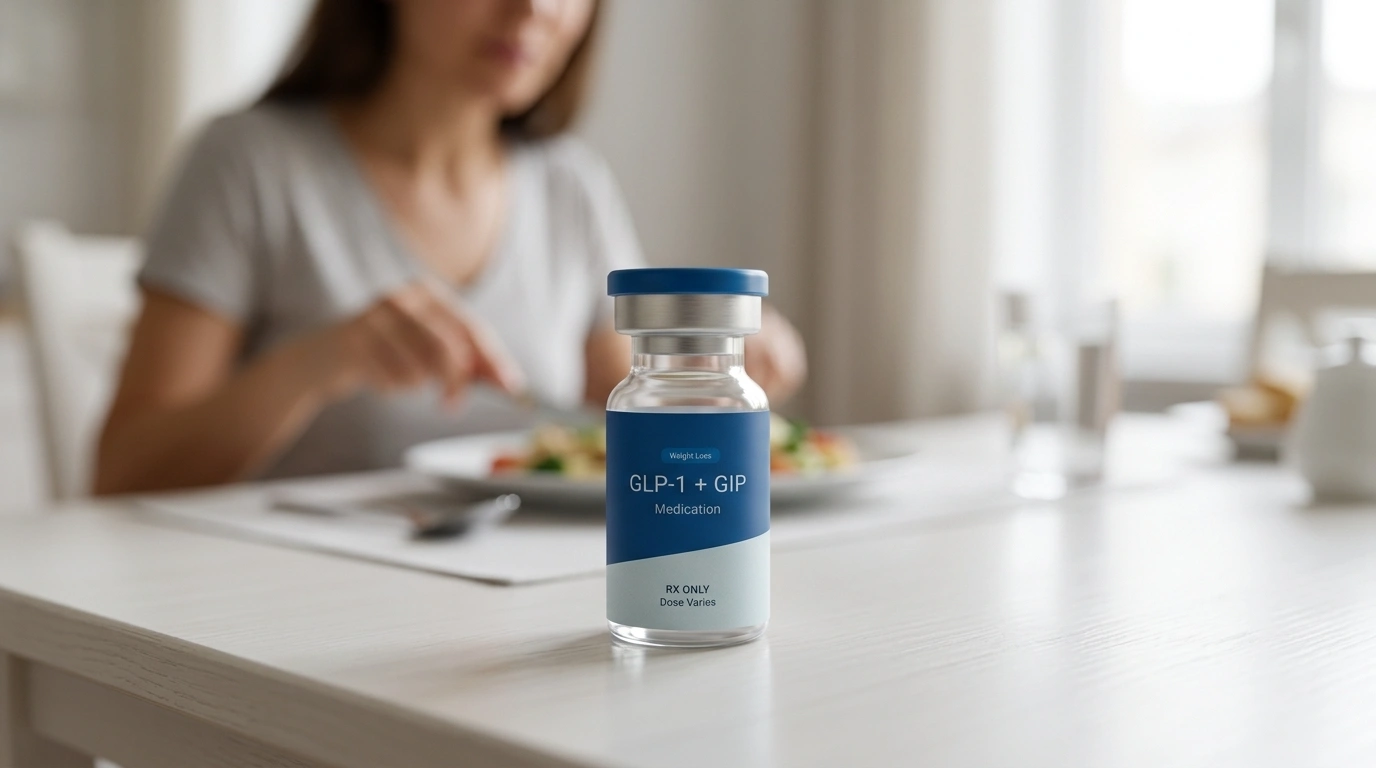
Mounjaro is a dual-acting medication known as a GLP-1 (glucagon-like peptide-1) and GIP (glucose-dependent insulinotropic polypeptide) receptor agonist. In plain English, it mimics two hormones that tell your brain you are full and help your body manage blood sugar. One of its primary mechanisms is slowing down gastric emptying, which means food stays in your stomach longer.
While this is excellent for weight loss, it creates specific challenges during and after surgery. During surgery, anesthesiologists require your stomach to be empty to prevent a complication called pulmonary aspiration. This occurs when stomach contents enter the lungs while you are unconscious. Because tirzepatide keeps food in the stomach longer, even standard fasting windows might not be enough if the medication is still active in your system.
After surgery, your body is in a state of repair. Anesthesia, pain medications, and the surgical procedure itself can all slow down your digestive system. Reintroducing a medication that further slows digestion requires careful timing to avoid excessive nausea or bowel complications. You can also review how GLP-1 medications affect bowel changes for more digestive health context.
Quick Answer: Most patients can resume Mounjaro 24 to 48 hours after minor surgery once they are eating solid food without nausea. For major or gastrointestinal surgeries, you may need to wait several weeks until bowel function is fully restored and your surgical team provides explicit clearance.
How Long After Surgery Can You Take Mounjaro?
The timeline for restarting tirzepatide is highly individualized. There is no “one size fits all” answer because a minor dental procedure carries different risks than a major abdominal surgery. Your healthcare provider will typically look for functional milestones rather than a specific number of days. If you are considering a medically supervised prescription program, you can complete a free eligibility assessment.
Minor Surgeries and Outpatient Procedures
For procedures that involve local anesthesia or light sedation—such as minor skin surgeries, certain dental work, or diagnostic endoscopies—the wait is usually brief. In many cases, you may be able to resume your next scheduled dose within 24 to 48 hours. The primary requirement is that you can tolerate your normal diet and are not experiencing lingering nausea from the sedation.
Major Surgeries and General Anesthesia
When general anesthesia is involved, the body takes longer to clear the sedative effects. These medications often cause “postoperative ileus,” which is a temporary slowing of the bowels. Because Mounjaro also affects gut motility, restarting too soon could lead to severe constipation or vomiting. Most surgeons recommend waiting until you have had a normal bowel movement and are consuming full meals without any discomfort. For more information, read about tirzepatide side effects and management.
Gastrointestinal and Bariatric Surgeries
Surgeries that involve the stomach or intestines, such as a gastric sleeve or bowel resection, require the longest wait times. In these instances, the surgical site must heal significantly before you introduce a medication that changes how the stomach processes food. It is common for providers to recommend waiting several weeks, or even until your weight loss plateaus post-surgery, before starting or resuming GLP-1 therapy.
Signs You Are Ready to Resume Medication
Before you take your next dose, you should perform a self-assessment and consult with your doctor. Resuming medication before your body is ready can lead to setbacks in your recovery.
You are likely ready to resume if:
- You are tolerating a regular diet of solid foods without nausea.
- You are hydrated and able to drink adequate amounts of water.
- Your bowel movements have returned to their normal pre-surgery frequency.
- You are no longer requiring high doses of opioid pain medications, which can cause severe constipation.
- Your surgical team has given you clear, written, or verbal approval.
Key Takeaway: Functional recovery—meaning your ability to eat, drink, and digest normally—is a more important indicator for restarting Mounjaro than the number of days since your surgery.
Why You Must Stop Mounjaro Before Surgery
To understand the post-surgery timeline, it is helpful to recognize why doctors require you to stop the medication beforehand. Most current clinical guidelines suggest pausing Mounjaro at least one to two weeks before any procedure requiring general anesthesia.
The risk of delayed gastric emptying is the primary concern. Even if you follow the “no food after midnight” rule, tirzepatide may cause “silent” residual food to remain in the stomach. This increases the risk of aspiration during intubation. Additionally, surgery is a stressor that can cause blood sugar fluctuations. For those using tirzepatide for diabetes, doctors may prefer to use shorter-acting medications like insulin during the immediate surgical window to maintain tighter control over glucose levels.
Managing Your Dose After a Long Break
If your surgery requires you to miss more than two consecutive doses of Mounjaro, you should not simply jump back in at your previous high dose. The body loses its tolerance to the gastrointestinal side effects when the medication is absent for several weeks.
At TrimRx, our clinical partners often recommend a “re-titration” strategy if you have been off the medication for an extended period. This means you might restart at a lower dose to allow your digestive system to adapt again. This approach helps minimize nausea and ensures that your recovery remains on track. We provide personalized programs that take these interruptions into account, ensuring your transition back to treatment is smooth and safe.
Steps for Resuming Your Program:
Step 1: Get medical clearance. / Confirm with your surgeon that your healing is sufficient to handle medications that affect digestion.
Step 2: Assess your symptoms. / Ensure you have no lingering nausea, vomiting, or abdominal pain from the surgery itself.
Step 3: Consult your prescribing provider. / Discuss whether you should resume at your previous dose or start at a lower “loading” dose.
Step 4: Monitor your hydration. / GLP-1 medications can reduce thirst cues; ensure you are drinking plenty of fluids during your recovery.
Nutritional Considerations During Post-Op Recovery
Recovery from surgery requires a high intake of protein and micronutrients to repair tissues. Because tirzepatide reduces appetite and slows digestion, it can sometimes be difficult to hit your nutritional targets.
If you resume Mounjaro too early, the intense satiety might prevent you from eating enough calories to heal properly. It is essential to prioritize protein-rich foods and consider supplements if your appetite is significantly suppressed. Our Weight Loss Boost supplement or GLP-1 Daily Support supplement can be helpful additions to your routine once you are cleared to resume, providing nutritional support during the weight loss process.
Note: If you find that you cannot meet your minimum daily protein requirements after resuming medication, contact your healthcare provider. Nutritional deficiency can lead to hair loss, fatigue, and delayed wound healing.
The Role of Telehealth in Post-Surgical Support
Navigating the transition back to weight loss medication can be confusing. This is where a telehealth-first approach offers a significant advantage. Instead of waiting weeks for an in-person appointment or sitting in a crowded waiting room while you are still recovering from surgery, you can access clinical guidance from the comfort of your home.
We offer access to a dedicated team of specialists who understand the intersection of surgery and GLP-1 therapy. Whether you need to adjust your dose or have questions about managing side effects during recovery, our platform connects you with licensed providers who can offer guidance. This personalized approach ensures that your weight loss journey doesn’t just stop because of a medical procedure—it simply adapts.
Potential Risks of Restarting Too Soon
The temptation to restart Mounjaro immediately is understandable, especially if you fear weight regain. However, the risks of rushing the process are significant. Understanding tirzepatide-related constipation can provide additional context about slowed digestion and bowel function.
Possible complications include:
- Severe Dehydration: If the medication causes nausea or vomiting on top of surgical recovery, you can quickly become dehydrated, which may lead to kidney stress.
- Postoperative Ileus: This is a condition where the bowels stop moving. Introducing tirzepatide into a “quiet” bowel can lead to severe pain and potential obstruction.
- Malnutrition: Surgery increases the body’s metabolic demands. Excessive appetite suppression can deprive your body of the fuel it needs to close incisions and fight infection.
- Gallbladder Issues: Rapid weight loss combined with the stress of surgery can sometimes trigger gallbladder or bile duct issues.
Bottom line: Waiting until your body is stable ensures that the medication remains a helpful tool rather than a source of further physical stress.
Comparing Injectable and Oral Resumption
While Mounjaro is an injectable medication, some patients may be using oral versions of other GLP-1 medications like Rybelsus®. Generally, the rules for resumption are similar. However, oral medications require absorption through the stomach lining. If your surgery involved the stomach, the absorption of oral medications may be unpredictable during the first few weeks of healing. Injectables often provide a more consistent delivery method during this time, but both require a doctor’s green light.
| Surgery Type | Typical Restart Window | Primary Milestone |
|---|---|---|
| Minor (Dental, Skin) | 24–48 Hours | Tolerate normal diet; no nausea. |
| Major (Joint Replacement) | 3–7 Days | Return of bowel function; off heavy opioids. |
| Abdominal (Hysterectomy) | 1–2 Weeks | Normal digestion; no abdominal tenderness. |
| Bariatric (Gastric Sleeve) | 4+ Weeks | Weight plateau; surgical site fully healed. |
Special Note on Bariatric Surgery
A common question involves taking Mounjaro after a gastric sleeve or bypass. Many individuals find that while bariatric surgery is effective, they may experience weight regain years later. Using tirzepatide can be a powerful way to “reset” the metabolic system.
However, the anatomy of a post-bariatric patient is different. The stomach is smaller, and the rate of digestion is already altered. If you are starting or resuming Mounjaro after bariatric surgery, it is vital to work with a provider who understands your unique anatomy. The goal is to support sustainable weight management without causing gastrointestinal distress.
How TrimRx Supports Your Journey
We believe that weight loss is a marathon, not a sprint. A temporary pause for surgery is a standard part of many patients’ health journeys. Our mission at TrimRx is to help individuals embrace healthier lifestyles through science, empathy, and a transparent, personalized approach to sustainable weight loss.
When you are ready to explore your options after surgery, our free assessment quiz is the best place to start. It helps our affiliated providers understand your recent medical history, including any surgeries, so they can create a plan that is safe for your current stage of recovery. We offer access to compounded medications shipped from FDA-registered, inspected compounding pharmacies, ensuring you have the tools you need when you are clinically ready.
Final Thoughts on Safety and Timing
Surgery is a significant event for your body, and your primary focus should be on a healthy recovery. While Mounjaro is a highly effective tool for managing weight and metabolic health, it must be used with respect for the body’s healing process. Always prioritize the instructions of your surgical team over any general timeline.
By waiting for the right clinical markers—such as the return of normal digestion and the absence of nausea—you ensure that your transition back to tirzepatide is safe and productive. Remember that a short break from medication will not undo all your hard work, and your long-term success depends on a foundation of safety.
FAQ
Can I take my Mounjaro injection the day after a minor surgery?
You may be able to resume your medication within 24 to 48 hours after a minor procedure if you are eating normally and do not feel nauseous. However, you must always confirm this with your surgeon first, as they may have specific concerns regarding your recovery. If the surgery involved any sedation, it is usually best to wait until the sedative effects have completely worn off.
What happens if I miss several doses of Mounjaro due to surgery?
If you miss more than two weeks of doses, the level of medication in your blood will drop significantly. You should consult your healthcare provider before restarting, as you may need to return to a lower starting dose to avoid severe gastrointestinal side effects. Jumping back into a high dose after a long break can cause intense nausea and vomiting.
Why do I have to wait until my bowel movements are normal before restarting?
Mounjaro slows down the movement of food through your digestive tract, and surgery (along with anesthesia and pain meds) does the same. If you restart the medication before your bowels are moving normally, you risk a “backup” or a condition called ileus, which can be very painful and may require medical intervention. Seeing that your digestive system is working on its own is the best sign of safety.
Will stopping Mounjaro for surgery cause me to gain weight?
A short break of one to three weeks is unlikely to cause significant weight regain, as the medication stays in your system for some time. While your appetite may return slightly as the drug wears off, staying focused on protein intake and hydration can help you maintain your progress. Focus on healing first, and you can return to your weight loss goals once your body is stable.
Disclaimer: This content is for informational purposes only and does not constitute medical advice. It is not intended to diagnose, treat, cure, or prevent any disease or condition. Individual results may vary. Always consult a qualified healthcare professional before starting any weight loss program or medication.

Transforming Lives, One Step at a Time
Keep reading

When You and Your Spouse Are Both on Mounjaro
It is increasingly common for both people in a couple to be on the same medication. Sometimes one partner starts and the other follows…

Black Friday Shopping on Mounjaro
For a lot of families, Black Friday is a tradition: lining up before dawn, racing through stores with a list, and shopping until the…

Mounjaro Alternatives: What Else to Consider
If Mounjaro isn’t the right fit, the closest alternatives are other GLP-1 medications, chiefly semaglutide (Ozempic for diabetes, Wegovy for weight), along with a…


