Navigating Your Weight Loss Journey: Can You Take Ozempic® Twice in One Week?
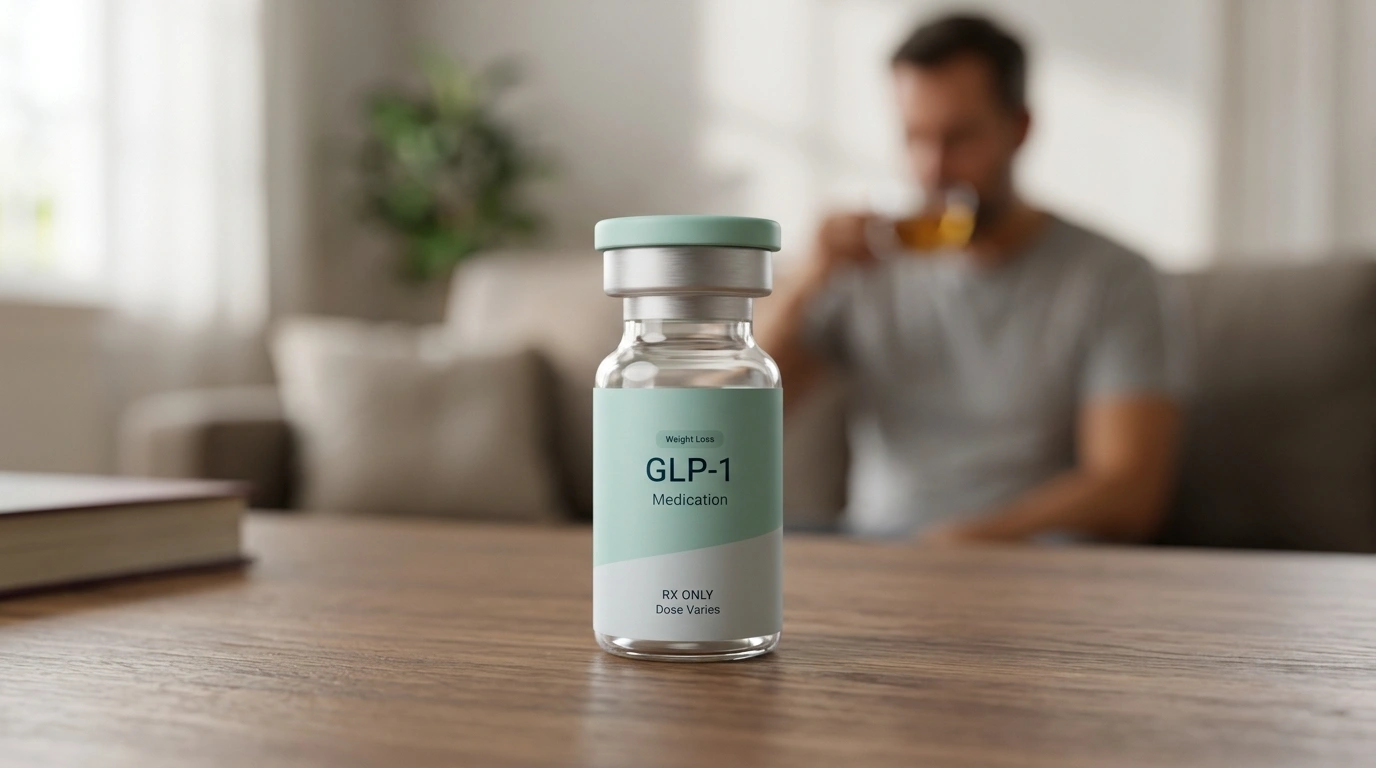
Embarking on a weight loss journey often brings a myriad of questions, especially when considering advanced medical solutions. Many individuals find themselves pondering the optimal ways to utilize prescription medications, seeking to maximize their benefits while minimizing potential discomfort. One common inquiry that surfaces reflects this pursuit: “Can you take Ozempic® twice in one week?” This question, while seemingly straightforward, opens a discussion about medication adherence, pharmaceutical design, and the critical importance of medical supervision in achieving sustainable health outcomes.
In the realm of modern weight management, medications like Ozempic® (semaglutide) represent significant advancements. These GLP-1 receptor agonists have transformed how we approach both type 2 diabetes and chronic weight management, offering powerful tools for metabolic health. However, their potency necessitates a clear understanding of their pharmacology and prescribed usage. This post aims to demystify the intricacies of Ozempic® dosing, exploring the rationale behind its once-weekly administration, the allure and risks of altering this schedule, and the profound value of a medically supervised, personalized approach to weight loss. We will delve into why adhering to a prescribed plan is paramount, and how a comprehensive support system can guide you safely and effectively towards your health goals. By the end, you will gain a clearer perspective on responsible medication use and discover how our commitment at TrimRx to science, empathy, and transparency can empower your unique journey.
Understanding GLP-1 Medications and Their Role in Weight Management
The landscape of weight loss and diabetes management has been profoundly reshaped by the advent of glucagon-like peptide-1 (GLP-1) receptor agonists. These medications, including the active ingredient semaglutide found in Ozempic® and Wegovy®, mimic a natural hormone in your body that plays a crucial role in regulating appetite, food intake, and blood sugar. Our journey at TrimRx began with a shared vision to help individuals embrace healthier lifestyles by merging cutting-edge telehealth innovations with effective weight loss solutions, and GLP-1 medications are a cornerstone of this vision.
How GLP-1 Receptor Agonists Work
GLP-1 is a hormone naturally released in the gut in response to food intake. Its actions are multifaceted and contribute significantly to metabolic control:
- Stimulating Insulin Release: When blood sugar levels are high, GLP-1 prompts the pancreas to release more insulin. This helps move glucose from the bloodstream into cells, lowering blood sugar.
- Suppressing Glucagon Secretion: Glucagon is a hormone that raises blood sugar. GLP-1 reduces glucagon release, further contributing to blood sugar control.
- Slowing Gastric Emptying: GLP-1 slows down the rate at which food leaves the stomach. This leads to a prolonged feeling of fullness, which can help reduce overall food intake.
- Acting on the Brain: GLP-1 directly affects areas of the brain that control appetite and satiety, reducing hunger and cravings.
For individuals managing type 2 diabetes, medications like Ozempic® have been transformative in improving glycemic control. For those struggling with chronic weight management, medications like Wegovy® (also semaglutide) utilize these same mechanisms to facilitate significant and sustainable weight loss. At TrimRx, we understand the science behind these powerful tools and integrate them into personalized plans designed for optimal results.
The Significance of Semaglutide in Weight Loss
Semaglutide, specifically, stands out due to its efficacy and once-weekly dosing schedule. Clinical trials have consistently demonstrated its ability to not only lower A1C in people with type 2 diabetes but also to induce substantial weight loss in individuals with obesity or overweight with weight-related comorbidities. This dual benefit makes it a valuable option for many seeking to improve their overall health.
Our approach at TrimRx emphasizes that sustainable weight loss should be achieved through science, empathy, and a transparent approach. We recognize that each individual’s journey is unique, and medications like Semaglutide are powerful allies when used correctly and under expert medical guidance. If you’re wondering if these medications could be a part of your path to a healthier lifestyle, we encourage you to take our free assessment quiz to explore your personalized treatment options.
The Standard Dosing Protocol: Why Once a Week?
The design of medications like Ozempic® is a testament to sophisticated pharmaceutical research aimed at optimizing both efficacy and patient convenience. The standard protocol for Ozempic® involves a once-weekly subcutaneous injection, a schedule carefully chosen based on the drug’s pharmacokinetic profile.
The Science Behind Once-Weekly Dosing
Semaglutide, the active ingredient in Ozempic®, possesses a remarkably long half-life, meaning it stays in the body and continues to exert its effects for an extended period. Specifically, semaglutide has a half-life of approximately seven days. This characteristic is precisely why it is formulated and prescribed for once-weekly administration. After a single injection, the medication gradually reaches a steady concentration in your system, maintaining its therapeutic benefits throughout the week.
This long half-life means that a dose change, whether an increase or decrease, does not manifest immediately. It typically takes three to four weeks for your body to fully adjust to a new dose and for the full extent of any changes, including potential side effects, to become apparent. This delayed response is a critical factor in understanding why rapid or unscheduled dose adjustments, such as taking the medication twice in one week, can be problematic.
The Gradual Titration Schedule
To further mitigate potential side effects and allow the body to adapt, healthcare providers typically initiate Ozempic® at a lower starting dose (0.25 mg once weekly) and gradually increase it over several weeks or months. This titration schedule is crucial. It ensures that your body slowly acclimates to the medication, reducing the likelihood and severity of common gastrointestinal side effects like nausea, vomiting, and diarrhea.
A typical titration schedule might look like this:
- Weeks 1-4: 0.25 mg once weekly
- Weeks 5-8: 0.5 mg once weekly
- Weeks 9-12: 1 mg once weekly (or higher, as directed by your provider)
This slow, methodical increase is not merely a suggestion; it’s a carefully designed strategy to maximize therapeutic benefits while prioritizing your comfort and safety. Rapid escalation, or taking additional doses, can overwhelm your system, leading to uncomfortable and potentially serious adverse reactions.
At TrimRx, our commitment to safety is paramount. We emphasize adherence to these proven protocols, ensuring that your personalized weight loss plan is not only effective but also safe and sustainable. Our medically supervised programs include thorough consultations to establish the right starting point and carefully guide you through any dose adjustments, always keeping your well-being at the forefront.
The Question of Splitting Doses: Exploring “Microdosing”
The question of whether one can take Ozempic® twice in one week often stems from a desire to either mitigate side effects or enhance perceived efficacy. This concept, sometimes referred to as “microdosing” in informal discussions, involves dividing a single weekly dose into two smaller injections administered more frequently, such as every 3-4 days. While some individuals might explore this approach, it’s vital to understand the reasoning behind it and the significant implications.
Why Some Individuals Consider Splitting Doses
The primary motivations for considering a split-dose or “microdosing” approach, particularly for medications like compounded semaglutide or Ozempic®, often revolve around managing side effects:
- Minimizing Side Effect Peaks: Some people experience a noticeable peak in side effects (like nausea or fatigue) within the first 24-48 hours after a once-weekly injection. The theory behind splitting the dose is that smaller, more frequent injections might lead to lower peak drug concentrations, thereby reducing the intensity of these acute side effects.
- Maintaining More Consistent Drug Levels: A longer half-life means the drug concentration in the body gradually declines over the week. Splitting the dose could theoretically lead to a more stable, albeit lower, concentration throughout the week, potentially offering more consistent appetite suppression and fewer “ups and downs” in how one feels.
- Improved Energy and Functionality: Severe appetite suppression can sometimes lead to reduced energy levels, impacting daily activities and the ability to exercise. Some believe a split dose might allow for better overall energy and nutrient intake, preserving muscle mass and supporting an active lifestyle.
While these perceived benefits might sound appealing, it is crucial to understand that such modifications to a prescribed regimen should never be undertaken without explicit medical guidance. The standard once-weekly dosing of Ozempic® (semaglutide) is FDA-approved and rigorously tested for safety and efficacy. Diverging from this protocol without professional oversight can introduce unforeseen risks and undermine the treatment’s intended benefits.
The Risks and Lack of Clinical Evidence
It’s important to stress that splitting Ozempic® into twice-weekly injections is not an FDA-approved dosing strategy for the branded medication. The safety and efficacy of such an approach have not been formally evaluated in clinical trials. While discussions exist in certain communities, these practices fall outside established medical guidelines for Ozempic®.
At TrimRx, we advocate for evidence-based, medically supervised weight loss solutions. Our platform provides a user-friendly and supportive space where individuals receive personalized, medically supervised care, ensuring that all treatment plans align with established safety protocols and clinical best practices. This commitment extends to the precise administration of medications. If you have concerns about side effects or believe a different dosing strategy might be beneficial, the most responsible step is to consult with a qualified healthcare provider. Our team of healthcare professionals is available to discuss your experiences and adjust your treatment plan as necessary, always within safe and approved parameters. To explore how our personalized approach can support your journey, consider taking our free assessment quiz.
Significant Risks of Unsupervised Dose Alterations
While the idea of splitting a dose might seem logical for managing side effects or seeking continuous benefits, deviating from the prescribed once-weekly schedule of Ozempic® without medical supervision carries significant risks. Our unwavering commitment at TrimRx is to your safety and effective weight loss, which means adhering to proven, medically guided protocols.
Intensified Gastrointestinal Distress
The most immediate and common risk of taking Ozempic® more frequently than prescribed is a significant worsening of gastrointestinal side effects. These include severe nausea, persistent vomiting, intractable diarrhea, and intense abdominal pain. The body is designed to gradually adapt to semaglutide’s effects over a week; introducing the medication more often can overwhelm the system. In clinical trials, higher doses of semaglutide were associated with a greater incidence of these symptoms, sometimes leading to study withdrawal. Unsupervised dose splitting could mimic this excessive exposure, potentially causing dehydration, electrolyte imbalances, and in severe cases, requiring emergency medical attention.
Increased Risk of Hypoglycemia
Ozempic® helps regulate blood sugar by stimulating insulin release and suppressing glucagon. If you take the medication more frequently, especially if you are also on other diabetes medications like sulfonylureas or insulin, you risk overstimulating insulin production, leading to dangerously low blood sugar (hypoglycemia). Symptoms of hypoglycemia can range from shakiness, sweating, and anxiety to confusion, seizures, and even loss of consciousness. Managing this risk requires careful blood sugar monitoring and professional guidance, which is absent in unsupervised dose adjustments.
Pancreatitis and Gallbladder Issues
Serious adverse events, though less common, are significant concerns. Ozempic® carries a precaution for acute pancreatitis, a severe inflammation of the pancreas. While establishing a direct cause-and-effect can be complex due to underlying risk factors in many patients (e.g., obesity, high triglycerides), post-marketing reports and clinical data indicate this risk. Cases have been documented where individuals self-injecting higher-than-approved doses of semaglutide developed acute pancreatitis.
Similarly, GLP-1 receptor agonists can slow gastric emptying, which may lead to bile stagnation and an increased risk of gallstones or gallbladder inflammation (cholelithiasis or cholecystitis). Studies have shown an elevated risk of gallstones in patients on GLP-1 drugs compared to those not using them. Exceeding the prescribed dose could potentially heighten this risk, leading to severe abdominal pain and potentially requiring surgical intervention.
Thyroid C-Cell Tumors (Rodent Studies)
The prescribing information for Ozempic® includes a Boxed Warning regarding dose-dependent and treatment-duration-dependent thyroid C-cell tumors observed in rodent studies. While it is unknown whether Ozempic® causes these tumors, including medullary thyroid carcinoma (MTC), in humans, taking the medication more frequently or at higher cumulative doses than prescribed could theoretically mimic or exceed the exposures that triggered tumor growth in animal models. This underscores the importance of strict adherence to prescribed dosing and the need for ongoing medical monitoring.
Unknown Long-Term Effects and Medication Waste
The long-term safety data for GLP-1 medications is still evolving, particularly regarding rare, late-onset, or underreported side effects beyond 5-7 years of use. Unsupervised dose alterations introduce variables for which no clinical data exists, potentially exposing individuals to unknown health consequences.
Furthermore, Ozempic® is a valuable and often costly medication. Deviating from the prescribed once-weekly schedule can lead to medication waste, premature depletion of your supply, and increased financial burden. Our personalized programs are designed to provide a comprehensive service that includes doctor consultations, medication, lab work, unlimited support, and shipping with no hidden fees, ensuring you receive the right amount of medication for your approved plan without waste.
These significant risks highlight why any decision regarding your medication dosage should be made in close consultation with a qualified healthcare provider. At TrimRx, we are dedicated to compassionate care that respects every individual’s unique journey, combining advanced medical science with modern technology to ensure your safety and success.
The Indispensable Role of Medical Supervision
In the pursuit of weight loss and improved metabolic health, the guidance of qualified healthcare professionals is not just beneficial—it is absolutely essential. At TrimRx, we believe that sustainable weight loss is a partnership, grounded in science, empathy, and a transparent approach. Our medically supervised programs are designed to provide the individualized care and safety oversight necessary for a successful and healthy transformation.
Why Medical Guidance is Non-Negotiable
Altering a prescribed medication regimen, such as taking Ozempic® or any other GLP-1 medication more frequently than directed, can have serious consequences. A healthcare provider’s role extends far beyond simply writing a prescription:
- Personalized Assessment: Before any medication is prescribed, a comprehensive evaluation of your medical history, current health status, and weight loss goals is critical. This helps determine if a particular medication is appropriate for you and establishes a baseline for your personalized treatment plan. Our free assessment quiz is the first step in this process, helping us understand your needs and eligibility for prescription weight loss medications like Compounded Semaglutide, Oral Semaglutide, Ozempic®, Compounded Tirzepatide, Oral Tirzepatide, Mounjaro®, Zepbound®, and Wegovy®.
- Risk-Benefit Analysis: Providers weigh the potential benefits of medication against its known risks, especially in light of your individual health profile. They can identify potential contraindications or drug interactions that you might not be aware of.
- Dose Titration and Adjustment: The gradual increase in medication dosage is a delicate process, carefully managed by professionals to minimize side effects and optimize results. Any adjustments, including managing side effects or considering alternative dosing schedules (which might be explored with compounded medications, but always under strict medical guidance), must be made by a provider who can monitor your response.
- Side Effect Management: Should side effects occur, your healthcare provider can offer strategies for management, adjust your dose, or explore alternative treatments, ensuring your comfort and safety throughout the process.
- Ongoing Monitoring: Regular follow-ups, including lab work, are crucial to monitor your progress, assess the medication’s effectiveness, and detect any potential adverse effects early. Our comprehensive service includes doctor consultations, medication, lab work, unlimited support, and shipping, ensuring continuous oversight.
- Holistic Support: Medical supervision often integrates medication with lifestyle interventions, such as dietary guidance and exercise recommendations, which are vital for sustainable weight loss.
TrimRx’s Commitment to Safe and Personalized Care
At TrimRx, our journey began with a shared vision to help individuals embrace healthier lifestyles by merging cutting-edge telehealth innovations with effective weight loss solutions. Our platform is a user-friendly and supportive space where individuals receive personalized, medically supervised care—all designed to make sustainable weight loss attainable and tailored to the individual.
We are an empathetic, innovative, trustworthy, supportive, results-oriented, and personalized brand. We offer compassionate care that respects every individual’s unique journey by combining advanced medical science with modern technology. Our commitment to transparent service means our approach remains consistent, regardless of dosage changes. We prioritize your safety by working exclusively with FDA-registered and inspected pharmacies for the shipping of weight loss medications. It is important to note that while branded medications like Ozempic® and Zepbound® are FDA-approved, compounded medications are not; however, they are provided through FDA-registered and inspected pharmacies.
We partner with these pharmacies for the shipping of weight loss medications and do not provide actual medical supervision ourselves, but rather facilitate your connection with licensed healthcare providers who offer this essential oversight. This ensures that every step of your weight loss journey is guided by expert medical judgment, prioritizing your health and safety above all else.
Your health is too important to leave to guesswork. If you’re considering a weight loss solution, let our experts guide you. Take our free assessment quiz today to see if you qualify for our prescription weight loss medications and receive a personalized treatment plan tailored to your unique needs.
Beyond Medication: A Holistic Approach to Sustainable Weight Loss
While advanced medications like Ozempic® and other GLP-1 receptor agonists offer powerful support for weight loss, they are most effective when integrated into a comprehensive, holistic strategy. At TrimRx, we understand that true sustainable weight loss encompasses much more than just medication; it involves cultivating healthy habits, nurturing your body, and receiving continuous support. Our philosophy aligns with improving metabolic health in a way that allows you to stay active, nourished, and functional.
The Pillars of a Healthy Lifestyle
Regardless of whether you are using prescription medication, adopting key lifestyle habits is fundamental to achieving and maintaining your weight loss goals:
Prioritizing Protein Intake
When appetite naturally decreases due to medications like semaglutide, it’s easy to fall into the trap of inadequate nutrient intake, particularly protein. Protein is crucial for preserving muscle mass, maintaining energy levels, and supporting satiety. Losing weight at the expense of muscle can lead to decreased metabolic rate and overall weakness. We recommend aiming for a substantial protein intake, such as 30 grams per meal, three times a day, for a minimum of 90 grams daily. Men may benefit from even higher amounts, potentially up to 120 grams. This focus on lean proteins, complemented by whole grains, fruits, and vegetables, is easier to adhere to when appetite is suppressed, and it ensures your body has the fuel it needs.
Consistent Hydration
Semaglutide can increase your body’s need for hydration, especially as your food volume decreases. Dehydration can manifest as headaches, constipation, dizziness, and fatigue—symptoms often mistakenly attributed solely to the medication itself. Maintaining adequate fluid intake is critical for overall system function, digestion, circulation, and energy. We suggest a minimum of 60 ounces of water daily to support these vital processes and help mitigate potential side effects.
Regular Physical Activity
The notion that medication alone negates the need for physical activity is a common misconception. Exercise remains a cornerstone of healthy weight loss and metabolic improvement. It helps preserve muscle mass, boosts energy, improves cardiovascular health, and enhances mood. Our recommendation includes at least 30 minutes of movement every day, focusing on a balanced routine. This could involve walking on alternate days and incorporating resistance training or light weights on the others, with one day of rest. This isn’t about becoming a high-performance athlete; it’s about building a realistic, repeatable schedule that supports fat loss without causing exhaustion.
Complementary Support with Quick-Access Supplements
To further support your journey, especially as you cultivate these essential lifestyle habits, we offer quick-access supplements designed to complement your overall wellness during weight loss. These do not require our assessment quiz and are available for immediate purchase to provide an additional layer of support:
- GLP-1 Daily Support: This supplement is formulated to work synergistically with your body’s natural processes, helping to optimize the benefits you receive from your personalized program. It’s an excellent way to provide consistent support to your metabolic health.
- Weight Loss Boost: Designed to give you an extra edge, this supplement aids in enhancing your body’s fat-burning capabilities and energy levels, making your efforts in diet and exercise more effective.
Integrating these quick-access supplements can provide valuable assistance, whether you are on a prescription medication program or focusing purely on lifestyle changes. They are part of our commitment to offering a full spectrum of tools for your success.
At TrimRx, our goal isn’t just to help you weigh less; it’s to empower you to live better. By combining personalized medical guidance, effective medication (when appropriate), and robust lifestyle support, we pave the way for a weight loss journey that is truly sustainable and transformative.
TrimRx: Your Partner in a Sustainable Weight Loss Journey
At TrimRx, we stand as a dedicated partner in your pursuit of a healthier, more vibrant life. Our foundation is built upon the belief that sustainable weight loss should be achieved through science, empathy, and a transparent approach. We understand the complexities of weight management and the importance of individualized care, which is why our programs are designed to be comprehensive, supportive, and rooted in medical expertise.
Our journey began with a shared vision: to help individuals embrace healthier lifestyles by merging cutting-edge telehealth innovations with effective weight loss solutions. This vision has blossomed into a platform that is user-friendly and supportive, where you receive personalized, medically supervised care. We firmly believe that this tailored approach is essential to making sustainable weight loss not just attainable, but a consistent and positive experience for every individual.
Our Brand Values in Action
We embody a brand personality that is empathetic, innovative, trustworthy, supportive, results-oriented, and personalized. These aren’t just words; they are the principles that guide every interaction and every aspect of our service:
- Empathetic Care: We recognize that every weight loss journey is deeply personal, often fraught with challenges and triumphs. Our compassionate care respects your unique path, providing understanding and encouragement at every turn.
- Innovative Solutions: By combining advanced medical science with modern technology, we offer state-of-the-art weight loss programs that leverage the latest research and telehealth conveniences.
- Trustworthy Partnership: We prioritize transparency in all our services. Our commitment to clear communication means that our approach remains consistent, providing you with peace of mind regardless of dosage changes or other adjustments within your personalized plan. We work exclusively with FDA-registered and inspected pharmacies, ensuring that the weight loss medications shipped to you meet rigorous safety standards.
- Supportive Environment: From doctor consultations and lab work to medication delivery and unlimited support, our comprehensive service is designed to cover all your needs. We are here for you, providing the guidance and encouragement necessary to navigate your journey successfully.
- Results-Oriented Focus: While safety and support are paramount, we are also dedicated to helping you achieve tangible, lasting results. Our personalized plans are crafted to optimize efficacy, helping you reach your health and weight loss goals safely and effectively.
The TrimRx Difference
When you choose TrimRx, you are not just selecting a weight loss program; you are choosing a partner committed to your well-being. We offer a full spectrum of options to meet diverse needs, including powerful prescription medications like Compounded Semaglutide, Oral Semaglutide, Ozempic®, Compounded Tirzepatide, Oral Tirzepatide, Mounjaro®, Zepbound®, and Wegovy®. Eligibility for these medications is determined through our confidential free assessment quiz, leading to a personalized treatment plan tailored specifically for you.
Beyond prescription options, we also provide immediate support through our quick-access supplements, GLP-1 Daily Support and Weight Loss Boost. These supplements are readily available to complement your efforts, whether you are integrating them with a medical plan or using them to support your lifestyle changes.
Our integrated approach ensures that every facet of your weight loss journey is addressed, from the initial consultation and medication management to ongoing support and lifestyle guidance. We pride ourselves on creating a safe, effective, and individualized path for each person, always keeping your health goals and personal comfort at the forefront.
Conclusion
The question “can you take Ozempic® twice in one week?” delves into the core principles of safe and effective medication use, highlighting the critical importance of understanding pharmaceutical design and adhering to medical guidance. While the concept of splitting doses or “microdosing” might arise from a desire to mitigate side effects or enhance perceived benefits, it is crucial to recognize that Ozempic® is specifically formulated for once-weekly administration due to its long half-life. Deviating from this prescribed schedule without expert medical supervision can lead to an array of significant risks, including intensified gastrointestinal distress, heightened risk of hypoglycemia, and serious complications like pancreatitis and gallbladder issues, not to mention concerns related to medication waste and unknown long-term effects.
The journey to sustainable weight loss is complex and deeply personal. It demands not only effective tools but also a foundation of trust, transparency, and expert care. At TrimRx, we are unwavering in our commitment to providing a medically supervised, personalized approach that prioritizes your safety and well-being above all else. Our comprehensive programs, offering options like Ozempic® and other GLP-1 medications through FDA-registered and inspected pharmacies, are always integrated with thorough doctor consultations, lab work, and unlimited support. We guide you through every step, from initial assessment and precise dose titration to ongoing monitoring and lifestyle support, including valuable quick-access supplements like GLP-1 Daily Support and Weight Loss Boost.
Remember, the most effective and safest path to weight loss is one designed specifically for you, informed by science and overseen by medical professionals. If you are exploring weight loss solutions and want to understand if prescription medication or our holistic support programs are right for your unique needs, we invite you to take the first step. Take our free assessment quiz today to discover your personalized path to a healthier, more fulfilling life.
Frequently Asked Questions
Can I really take Ozempic® twice in one week to reduce side effects?
No, Ozempic® is specifically designed and FDA-approved for once-weekly administration. Taking it more frequently without medical supervision is not recommended and can significantly increase the risk and severity of side effects, as well as other serious health complications. Any adjustments to your medication schedule or dosage must be made by a qualified healthcare provider.
What are the main risks if I take Ozempic® more often than prescribed?
Taking Ozempic® more often than prescribed can lead to intensified gastrointestinal issues (nausea, vomiting, diarrhea), a higher risk of hypoglycemia (low blood sugar), and potentially serious conditions such as pancreatitis or gallbladder problems. It also exposes you to unknown long-term effects and can lead to medication waste.
How does TrimRx ensure safe medication use in its programs?
At TrimRx, safety is our top priority. We offer personalized, medically supervised programs that include comprehensive doctor consultations, lab work, and continuous support. All prescription medications are provided through FDA-registered and inspected pharmacies. Our healthcare providers carefully determine your eligibility and guide you through a tailored treatment plan, ensuring proper dosing and monitoring your progress to minimize risks and optimize results.
If I’m struggling with side effects on my current Ozempic® dose, what should I do?
If you are experiencing challenging side effects with your current Ozempic® dose, it’s crucial to consult with your healthcare provider immediately. They can assess your symptoms, offer strategies for management, or adjust your treatment plan to ensure your comfort and safety. Never attempt to alter your dosage or frequency without professional medical guidance. We offer unlimited support within our TrimRx programs to help you address any concerns.

Transforming Lives, One Step at a Time
Keep reading

Does Water Weight Mask Fat Loss on Ozempic?
Yes, routinely, and sometimes for weeks at a time. This is the single biggest reason the scale is a frustrating instrument during weight loss….

Why Do Energy Drinks Feel Worse on Ozempic?
Because the drink has not changed but almost everything around it has. You are eating considerably less, so a large dose of caffeine is…

How Often Should You Weigh Yourself on Ozempic?
Weekly, at the same time and under the same conditions, suits most people well. It gives you enough data to see a trend without…


