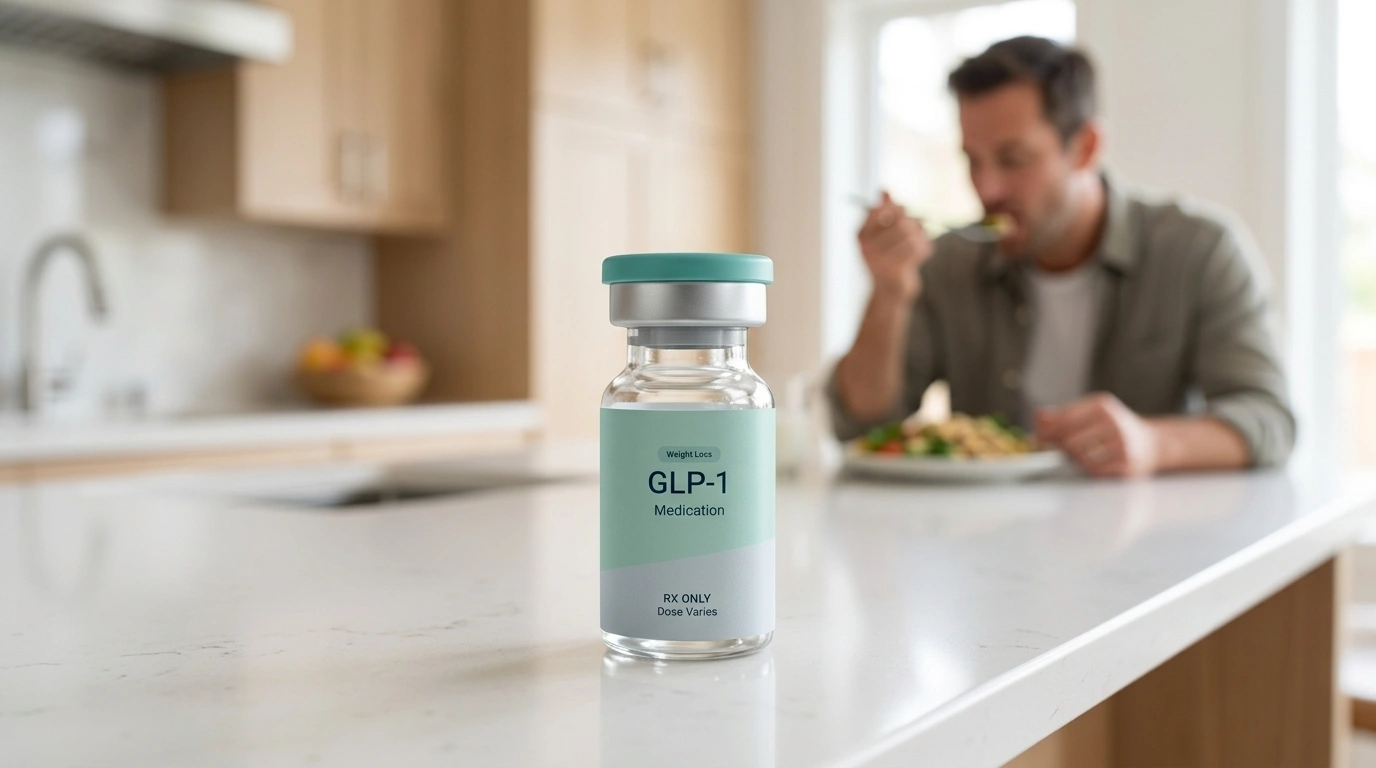
Berberine and Semaglutide: A Careful Look at Combination for Metabolic Health
Introduction
Many of us embark on a health journey seeking ways to optimize our well-being and achieve sustainable weight loss. If you’ve been exploring options, you’ve likely encountered the significant advancements in prescription weight loss solutions, such as semaglutide, alongside a growing interest in natural supplements like berberine. It’s natural to wonder if combining these different approaches could offer an enhanced path to your goals, potentially amplifying benefits or addressing various aspects of metabolic health simultaneously. However, the path to better health is best navigated with knowledge and careful consideration.
At TrimRx, our journey began with a shared vision to help individuals embrace healthier lifestyles. We merge cutting-edge telehealth innovations with effective, personalized weight loss solutions, ensuring a user-friendly and supportive space for medically supervised care. We believe that sustainable weight loss should be achieved through science, empathy, and a transparent approach, prioritizing safety and individual needs above all. This commitment naturally extends to exploring how different tools, like berberine and semaglutide, fit into a holistic picture.
This guide aims to cut through the noise and provide a comprehensive, fact-based understanding of berberine and semaglutide. We’ll delve into how each works independently, the potential synergies they might offer when combined, and, most critically, the risks and essential safety protocols involved. We’ll explore the importance of medical supervision, appropriate timing, and what to consider before integrating these two distinct agents into your wellness regimen. By the end, you’ll have a clearer perspective on whether and how you might consider combining these options, always with the guidance of a trusted healthcare provider, ensuring your journey is as safe as it is effective. We’ll also highlight how our comprehensive programs at TrimRx are designed to support you every step of the way, offering a personalized, medically supervised approach to achieve your metabolic health goals.
Understanding the Individual Players in Metabolic Health
Before we consider combining any supplements or medications, it’s crucial to understand their individual mechanisms and roles within the body. Both berberine and semaglutide have garnered significant attention for their potential to influence metabolic health, but they operate through distinct pathways and come with different regulatory statuses.
Berberine: A Traditional Remedy Reimagined
Berberine is a bioactive compound extracted from various plants, including barberry, goldenseal, and tree turmeric. Historically, it has been a cornerstone in traditional Eastern medicine for centuries, used to address a wide array of conditions from digestive issues to infections and metabolic imbalances. In recent decades, modern scientific inquiry has turned its attention to berberine, exploring its potential benefits, particularly in the realm of blood sugar regulation and metabolic efficiency.
How Berberine Works
The primary mechanism through which berberine is believed to exert its effects is by activating AMP-activated protein kinase (AMPK). Often referred to as the body’s “metabolic master switch,” AMPK is a crucial enzyme involved in regulating how cells use and store energy. When activated, AMPK can:
- Enhance Insulin Sensitivity: By making cells more responsive to insulin, berberine can help the body utilize glucose more effectively, potentially leading to lower blood sugar levels.
- Stimulate Glucose Uptake: It may encourage cells to take in more glucose from the bloodstream, further reducing circulating sugar levels.
- Reduce Glucose Production: Berberine has been observed to decrease glucose production in the liver, a significant contributor to elevated blood sugar, especially in conditions like type 2 diabetes.
- Influence Fat Metabolism: Its activation of AMPK can promote fat burning and reduce fat storage, which may contribute to modest weight management support.
- Modulate Gut Microbiota: Emerging research suggests berberine can positively impact the composition of gut bacteria, which plays an intricate role in overall metabolism and inflammation.
It’s important to remember that while these mechanisms are promising, berberine is classified as a dietary supplement in the United States. This means it is not evaluated by the FDA for safety, quality, or manufacturing in the same way prescription medications are. Consequently, the potency and purity of berberine supplements can vary significantly between brands, making consistent effects and precise dosing a challenge without careful selection and oversight. While some studies point to moderate improvements in blood sugar regulation, lipid profiles, and a potential for 5-10% weight loss, these effects are generally considered less robust and consistent than those observed with prescription medications, and more extensive research is needed.
Semaglutide: A Modern Breakthrough in Weight Management
Semaglutide is a prescription medication that has revolutionized the approach to managing type 2 diabetes and chronic weight management. It belongs to a class of drugs known as GLP-1 receptor agonists, which mimic the action of a natural hormone called glucagon-like peptide-1 (GLP-1) that the body releases in response to eating.
What Semaglutide Is Used For
Semaglutide is available under various brand names, each with specific FDA approvals:
- Ozempic® and Rybelsus®: FDA-approved for the management of type 2 diabetes.
- Wegovy®: FDA-approved for chronic weight management in adults with obesity or overweight with at least one weight-related comorbidity.
- Other GLP-1 receptor agonists, like Tirzepatide (found in Mounjaro® for type 2 diabetes and Zepbound® for weight loss), operate similarly and are also FDA-approved for their respective indications.
At TrimRx, we understand that every individual’s health journey is unique. That’s why we offer access to a range of these clinically proven prescription medications, including Compounded Semaglutide, Oral Semaglutide, Ozempic®, Compounded Tirzepatide, Oral Tirzepatide, Mounjaro®, Zepbound®, and Wegovy®. To determine which personalized treatment plan is right for you, we encourage you to take our free assessment quiz.
How Semaglutide Works
Semaglutide mimics the effects of the natural GLP-1 hormone, influencing several key physiological processes:
- Slowed Gastric Emptying: It reduces the speed at which food leaves the stomach. This mechanism not only contributes to a feeling of fullness but also helps to prevent rapid spikes in blood sugar after meals.
- Enhanced Insulin Secretion: When blood sugar levels are elevated, semaglutide stimulates the pancreas to release more insulin. This is a glucose-dependent effect, meaning it primarily acts when needed, reducing the risk of dangerously low blood sugar.
- Suppressed Glucagon Release: It also lowers the secretion of glucagon, a hormone that raises blood sugar, further contributing to blood glucose control.
- Appetite Suppression and Satiety Signals: Semaglutide acts on specific areas of the brain to reduce hunger and increase feelings of satiety, helping individuals eat less and feel satisfied with smaller portions. This powerful gut-brain connection is a major factor in its effectiveness for weight management.
Clinical trials have demonstrated that semaglutide can lead to significant weight loss, with individuals often achieving an average of 15-20% body weight reduction when combined with lifestyle interventions. Its impact on blood sugar control and weight management is well-documented, making it a powerful tool for those struggling with obesity and type 2 diabetes. Our personalized, medically supervised programs are designed to integrate these effective treatments with comprehensive support to help you achieve lasting results.
Exploring the Synergy: Can Berberine and Semaglutide Work Together?
Given the individual benefits of berberine and semaglutide, it’s natural to consider whether combining them could lead to enhanced metabolic outcomes. The idea of a dual approach, leveraging different mechanisms to tackle complex metabolic challenges, holds intuitive appeal for many seeking to optimize their health.
Complementary Mechanisms
The primary allure of combining berberine and semaglutide lies in their distinct yet potentially complementary mechanisms of action. Semaglutide operates by mimicking the GLP-1 hormone, directly impacting appetite regulation, gastric emptying, and glucose-dependent insulin release. Berberine, on the other hand, primarily activates AMPK, influencing cellular energy metabolism, insulin sensitivity at a cellular level, and liver glucose production.
This difference in approach suggests a potential for synergy:
- Enhanced Blood Sugar Regulation: Semaglutide effectively controls blood sugar by increasing insulin secretion and slowing glucose absorption. Berberine’s ability to improve insulin sensitivity and reduce hepatic glucose output could provide an additional layer of glucose management, potentially leading to more stable blood sugar levels.
- Greater Appetite Suppression and Fat Metabolism: Semaglutide’s role in promoting satiety is well-established. Berberine’s influence on AMPK can also support fat burning and energy expenditure, which might contribute to appetite control and a more favorable body composition.
- Improved Lipid Profiles: Both agents have shown independent benefits in improving cholesterol and triglyceride levels. A combined approach might offer a broader impact on cardiovascular health markers.
- Inflammation Reduction: Early research indicates that both berberine and semaglutide may possess anti-inflammatory properties, suggesting a potential for a synergistic effect on overall metabolic health, as chronic inflammation is often linked to metabolic dysfunction.
The Rationale for Combination
For individuals who may experience a suboptimal response to semaglutide therapy alone, or those with complex metabolic dysfunction that includes aspects like dyslipidemia or significant insulin resistance, a healthcare provider might consider exploring berberine as an adjunct. The underlying rationale is to address various facets of metabolic health from multiple angles, potentially leading to more comprehensive improvements. This approach aligns with our commitment at TrimRx to personalized care, where treatment plans are tailored to your unique biological and lifestyle needs, maximizing effectiveness while prioritizing safety.
However, it’s crucial to underscore that the evidence supporting the efficacy and safety of this specific combination is still preliminary and largely based on mechanistic understanding rather than extensive clinical trials. Most of the data currently available comes from anecdotal reports or smaller, independent studies. This highlights the absolute necessity of professional medical guidance when considering such a combination.
Navigating the Risks: Crucial Safety Considerations for Combination Therapy
While the theoretical benefits of combining berberine and semaglutide might seem compelling, it is paramount to approach this strategy with a deep understanding of the potential risks and interactions. Combining any supplement with a powerful prescription medication introduces complexities that demand careful consideration and, most importantly, medical supervision.
Potential Drug-Supplement Interactions
One of the most significant concerns when considering berberine and semaglutide together lies in their potential to interact at a metabolic level, particularly concerning liver enzyme activity. Berberine is known to inhibit certain liver enzymes, specifically those in the cytochrome P450 (CYP450) pathway. These enzymes are crucial for metabolizing a wide range of medications, including many prescription drugs.
- Altered Drug Metabolism: If berberine inhibits the enzymes responsible for breaking down semaglutide (or any other medication you are taking), it could lead to higher concentrations of the drug in your system. This might intensify semaglutide’s effects, but also significantly increase the risk and severity of side effects. Conversely, it could also alter its efficacy.
- Increased Liver Strain: For individuals with pre-existing liver conditions or those taking other medications that are also metabolized by the CYP450 system, adding berberine could place additional strain on the liver, potentially leading to adverse outcomes.
This highlights why transparent communication with your healthcare provider is non-negotiable. At TrimRx, our comprehensive service includes thorough doctor consultations and lab work precisely to identify potential interactions and ensure your safety throughout your treatment journey. We emphasize that full disclosure of all medications and supplements—prescription, over-the-counter, and herbal—is vital for your well-being.
Amplified Side Effects
Both berberine and semaglutide, individually, can cause gastrointestinal side effects. These include:
- Nausea and Vomiting: Commonly reported with semaglutide, especially during dose escalation. Berberine can also cause GI upset.
- Bloating, Gas, and Constipation/Diarrhea: These symptoms are also associated with both agents.
When taken together, there is a distinct possibility that these overlapping side effects could be amplified, leading to significant discomfort and potentially affecting adherence to treatment. An individual’s tolerance and sensitivity to these effects can vary greatly, making careful observation and monitoring essential.
Furthermore, both berberine and semaglutide work to lower blood sugar levels, albeit through different mechanisms. Combining them without strict medical oversight significantly increases the risk of hypoglycemia (dangerously low blood sugar). This is particularly concerning for individuals with diabetes, or those already on other glucose-lowering medications, as severe hypoglycemia can be a serious medical emergency.
Quality and Regulation of Supplements
Another critical aspect to consider is the regulatory status of berberine. As a dietary supplement, berberine does not undergo the rigorous approval process by the FDA that prescription medications like semaglutide do. This means there is less oversight on:
- Potency and Purity: The actual amount of berberine in a supplement may vary from what is stated on the label, and products can be contaminated with other substances.
- Manufacturing Standards: Quality control in manufacturing can be inconsistent across different brands.
This lack of consistent regulatory standards underscores the importance of choosing reputable brands if you do decide to take berberine, and ideally, selecting products that have undergone third-party testing for purity and potency. This is why, when it comes to prescription medications, TrimRx partners exclusively with FDA-registered and inspected pharmacies for the shipping of our weight loss medications, ensuring that you receive products that meet stringent quality and safety standards.
A Guided Path to Combination: Safe Integration Under Medical Supervision
Given the potential benefits and significant risks associated with combining berberine and semaglutide, a structured, medically supervised approach is not just recommended, but absolutely essential. Self-medicating or adjusting dosages without professional guidance can lead to serious health complications.
The TrimRx Approach to Personalized Care
At TrimRx, our core philosophy is built on providing personalized, medically supervised care within a supportive, user-friendly telehealth platform. Our journey began with a commitment to merging cutting-edge telehealth innovations with effective weight loss solutions. We understand that sustainable weight loss should be achieved through science, empathy, and a transparent approach. Our brand is empathetic, innovative, trustworthy, supportive, results-oriented, and personalized, offering compassionate care that respects every individual’s unique journey. We combine advanced medical science with modern technology to deliver solutions tailored to you.
Our commitment to transparency means our approach remains consistent, focusing on your well-being regardless of dosage changes. For your safety, we work exclusively with FDA-registered and inspected pharmacies for the shipping of weight loss medications. It’s important to clarify that TrimRx partners with these pharmacies and connects you with independent licensed healthcare providers who independently evaluate each patient to determine whether a prescription treatment program is appropriate, and provide actual medical supervision.
If you are exploring prescription weight loss medications like Compounded Semaglutide, Oral Semaglutide, Ozempic®, Compounded Tirzepatide, Oral Tirzepatide, Mounjaro®, Zepbound®, or Wegovy®, the first step is always to take our free assessment quiz. This helps us determine your eligibility and connect you with a licensed healthcare provider who can craft a personalized treatment plan.
Step-by-Step Integration
For individuals whose licensed healthcare provider determines that a combination of berberine and semaglutide might be appropriate, a cautious, stepwise introduction is crucial to minimize risks and optimize outcomes:
Phase 1: Initiation and Stabilization of GLP-1 Therapy (4–6 weeks)
The initial focus should be solely on stabilizing your response to semaglutide (or other prescribed GLP-1 receptor agonists). This phase allows your body to adjust to the medication’s effects, including appetite regulation, gastric emptying, and blood sugar control. During this period, it’s vital to monitor for any side effects, particularly gastrointestinal issues, and ensure you are tolerating the medication well. Berberine should generally not be introduced during this phase. This foundational period ensures that any subsequent changes can be clearly attributed to the addition of berberine.
Phase 2: Gradual Berberine Introduction and Integration (2–4 weeks)
Once you have stabilized on semaglutide and are not experiencing significant adverse effects, your healthcare provider may consider a gradual introduction of berberine. This would typically involve:
- Starting with a Low Dose: Begin with the lowest effective dose of berberine, often taken with meals to improve absorption and reduce digestive upset.
- Close Monitoring: During this phase, vigilance is key. You should meticulously track any new symptoms or changes in existing side effects, particularly concerning your digestive system and overall well-being. Keeping a symptom journal can be incredibly helpful.
- Regular Blood Sugar Checks: For individuals with diabetes, more frequent blood glucose monitoring will be essential to detect any potential for hypoglycemia.
Phase 3: Stabilization and Ongoing Monitoring (8–12 weeks)
As your body continues to adjust to both therapies, ongoing monitoring becomes critical. Your healthcare provider will likely recommend:
- Regular Lab Work: This often includes blood tests to assess liver function (e.g., liver enzymes), kidney function, and metabolic markers like A1C, fasting glucose, and lipid panels. These checks help ensure that both the medication and the supplement are being tolerated well and are not causing undue strain on your organs.
- Gastrointestinal Tolerance Assessment: Continuous evaluation of digestive symptoms is important. Adjustments to berberine dosage or timing might be necessary based on your tolerance.
- Efficacy Review: Your provider will assess the combined effects on your blood sugar, weight, and other metabolic health markers to determine if the combination is providing the desired benefits without increasing risks.
Phase 4: Maintenance (Ongoing)
Once the combination therapy is stabilized and demonstrably effective and safe for your unique physiology, ongoing adjustments will be made based on your response and evolving health needs. Regular follow-ups with your healthcare provider, consistent adherence to medication and supplement schedules, and continued lifestyle modifications are the pillars of long-term success.
Who Might Be an Ideal Candidate?
Not everyone is a suitable candidate for combining berberine with semaglutide. A licensed healthcare provider will carefully assess your individual profile, considering factors such as:
- Suboptimal Response to GLP-1 Therapy Alone: If semaglutide alone isn’t achieving the desired metabolic outcomes.
- Complex Metabolic Dysfunction: Individuals with additional metabolic challenges like significant dyslipidemia (unhealthy cholesterol levels) or persistent insulin resistance.
- Adherence to Structured Monitoring Plans: A willingness and ability to commit to regular check-ups, lab tests, and symptom tracking.
- Openness to Lifestyle Modifications: A commitment to supportive dietary changes and a consistent exercise routine to maximize the benefits of both therapies.
- Detailed Medical History: Crucial considerations include liver and kidney function, as well as current medication regimens that could interact with berberine.
This thorough assessment is a vital part of the personalized care we provide. To begin this journey and see if you qualify for our prescription weight loss medications, we encourage you to take our free assessment quiz. This initial step connects you with independent licensed healthcare providers who can expertly guide you through these complex considerations.
Maximizing Your Journey: Timing, Support, and Alternatives
Successfully navigating your weight loss and metabolic health journey involves more than just selecting the right medications or supplements. It requires a holistic approach that considers how different elements interact, when to take them, and what comprehensive support systems are in place.
Optimal Timing for Berberine and Semaglutide
The timing of when you take berberine and semaglutide can influence their effectiveness and your experience with side effects.
- Berberine: Typically, berberine is recommended to be taken with meals, ideally just before or during food consumption. This timing strategy helps to improve its absorption and can reduce potential digestive side effects. Taking it with food also helps it target post-meal blood sugar spikes more effectively. Because berberine has a relatively short half-life, a common approach involves taking it 2-3 times daily.
- Semaglutide: The timing for semaglutide depends on its formulation. Injectable forms (like Ozempic® or Wegovy®) are typically administered once weekly, on the same day each week, regardless of meals. Oral semaglutide (Rybelsus®) is usually taken once daily on an empty stomach with a small amount of water, at least 30 minutes before the first food, beverage, or other oral medications of the day.
Since semaglutide slows gastric emptying, it could theoretically affect the absorption rate of other oral supplements or medications, including berberine. However, the exact impact can vary significantly from person to person and depends on individual dosage and formulation. There isn’t a universal rule for stacking both, so any specific timing recommendations must come directly from your licensed healthcare provider, who can factor in your unique physiology and current medication regimen.
Berberine: A Complement, Not a Replacement
It’s crucial to reiterate that berberine is not a substitute for semaglutide. While both compounds show promise in supporting blood sugar management and metabolism, their efficacy, regulatory status, and clinical evidence differ significantly.
- Semaglutide: As an FDA-approved prescription medication, semaglutide has undergone rigorous clinical trials demonstrating robust and consistent results for weight loss (often 15-20% body weight reduction) and significant improvements in blood sugar control for type 2 diabetes. It works quickly and powerfully by mimicking a natural hormone, exerting a profound impact on appetite and insulin function.
- Berberine: As a dietary supplement, berberine’s effects are generally more modest and can be less predictable. While it shows promise and may offer supportive benefits, it cannot match the proven effectiveness and predictable outcomes of semaglutide for substantial weight loss or comprehensive diabetes management.
Never discontinue semaglutide or any other prescribed medication without explicit instruction and supervision from your licensed healthcare provider. Berberine should be viewed as a potential complementary aid, integrated only after careful medical evaluation, and never as a standalone replacement for prescribed treatment.
Comprehensive Support Beyond Medication
True sustainable weight loss and metabolic health extend far beyond just medication or supplements. At TrimRx, we believe in a holistic, individualized approach that integrates cutting-edge treatments with comprehensive support. Our programs are designed to address every aspect of your journey, ensuring you have the tools and guidance you need for lasting success.
Our comprehensive service includes more than just access to medication; it encompasses crucial elements such as:
- Doctor Consultations: Personalized medical oversight from licensed healthcare providers to assess your health, determine eligibility, and tailor your treatment plan.
- Medication Access: Convenient access to a range of prescription weight loss medications, including Compounded Semaglutide, Oral Semaglutide, Ozempic®, Compounded Tirzepatide, Oral Tirzepatide, Mounjaro®, Zepbound®, and Wegovy®.
- Lab Work: Essential blood tests to monitor your health, track progress, and ensure safety throughout your program.
- Unlimited Support: Ongoing access to our supportive team, providing guidance and answering your questions.
- Shipping: Convenient delivery of your medications directly to your door, with no hidden fees.
Beyond our prescription programs, we also offer quick-access supplements designed to support overall wellness during your weight loss journey, available for immediate purchase without a quiz:
- GLP-1 Daily Support: Formulated to complement the body’s natural processes, supporting metabolic function and digestive comfort.
- Weight Loss Boost: Designed to provide additional aid for your weight management goals, working in harmony with a healthy lifestyle.
We believe that empowering you with knowledge and a robust support system is key to achieving and maintaining your health goals. Consider exploring these options to provide your body with comprehensive support.
Long-Term Success: A Holistic Perspective with TrimRx
Achieving sustainable weight loss and lasting metabolic health is a marathon, not a sprint. It requires dedication, consistency, and a well-structured plan that adapts to your body’s evolving needs. At TrimRx, we are committed to being your partner in this journey, empowering you with the tools and support for long-term success.
Key components of effective long-term management include:
- Structured Medication and Supplement Schedules: Adhering to the prescribed timelines for both semaglutide and any adjunctive supplements like berberine is fundamental to maintaining their therapeutic effects.
- Balanced Nutrition Plans: A focus on nutrient-dense foods, tailored to your individual needs, complements the effects of medications and supports overall health. This involves making informed choices that nourish your body without deprivation.
- Appropriate Physical Activity Routines: Regular exercise is a cornerstone of metabolic health. It enhances insulin sensitivity, boosts energy expenditure, and contributes significantly to both weight management and cardiovascular well-being.
- Ongoing Clinical Reassessments: Regular check-ins with your licensed healthcare provider are essential. These appointments allow for continuous assessment of efficacy and safety, necessary dosage adjustments, and personalized lifestyle recommendations. This proactive approach ensures your plan remains optimized for your health goals.
- Mindset and Well-being: Addressing factors like stress management and adequate sleep are crucial, as these elements profoundly impact hormones that regulate appetite and metabolism.
Our approach at TrimRx is designed to support you through every phase of this ongoing journey. By merging advanced medical science with modern technology and compassionate care, we strive to make sustainable weight loss attainable and tailored to each individual. We believe that empowering individuals to embrace healthier lifestyles is our ultimate goal, built on a foundation of science, empathy, and transparency.
Conclusion
The pursuit of optimal metabolic health often leads to exploring various avenues, from groundbreaking prescription medications to traditional natural supplements. The question of whether you can take berberine while on semaglutide is a testament to this proactive approach to wellness. We’ve seen that both berberine and semaglutide offer distinct benefits for blood sugar control and weight management, operating through different physiological pathways. While preliminary insights suggest a potential for complementary effects when combined, the critical takeaway is the absolute necessity of medical supervision and a deep understanding of the associated risks.
The journey to better health should always be guided by safety, precision, and personalized care. Combining these agents introduces complexities related to drug-supplement interactions, amplified side effects, and the variability in supplement quality. It is never a decision to be made lightly or without the explicit guidance of a qualified healthcare provider.
At TrimRx, we are dedicated to providing a safe, effective, and individualized path to weight loss and improved metabolic health. Our comprehensive programs, offering access to prescription weight loss medications like Compounded Semaglutide, Ozempic®, Wegovy®, and others, are delivered with medically supervised care, ensuring you receive a plan tailored to your unique needs. We partner with FDA-registered and inspected pharmacies to uphold the highest standards of safety and quality for your medications.
If you are considering optimizing your metabolic health and exploring options like semaglutide or even the potential addition of supplements like berberine, the first and most crucial step is to seek expert medical advice. Our team of independent licensed healthcare providers is here to guide you, offering the clarity, support, and personalized strategies you need.
Take the first step towards a healthier you by embarking on a path of informed decisions and expert guidance. Take our free assessment quiz today to see if you qualify for our personalized prescription weight loss medications, and discover how TrimRx can support your journey with compassionate, science-backed care. For immediate support for your overall wellness during your journey, explore our quick-access supplements like GLP-1 Daily Support and Weight Loss Boost.
Frequently Asked Questions
Is berberine as effective as semaglutide for weight loss or blood sugar control?
No. While berberine may offer modest support for metabolism and blood sugar, semaglutide is an FDA-approved prescription medication with significantly stronger clinical evidence and more potent, predictable effects for both weight loss and blood sugar management. Berberine is generally considered a complementary option, not a replacement.
How should berberine be timed if I am already taking semaglutide?
If your licensed healthcare provider approves the combination, berberine is typically recommended to be taken with meals (2-3 times daily) to aid absorption and reduce digestive side effects. Semaglutide is taken on its prescribed schedule, usually once weekly (injection) or once daily (oral) on an empty stomach. Due to semaglutide slowing digestion, your provider will offer specific guidance on timing to minimize potential interactions and optimize efficacy based on your individual response.
What are the main risks of taking berberine and semaglutide together?
The primary risks include potential drug interactions (berberine can affect liver enzymes that metabolize medications), increased likelihood and severity of gastrointestinal side effects (nausea, bloating, constipation, diarrhea) from both agents, and a heightened risk of hypoglycemia (dangerously low blood sugar), especially for individuals with diabetes or those on other glucose-lowering medications. Strict medical supervision is crucial to manage these risks.
Who should avoid combining berberine with semaglutide?
Individuals with liver disease, those taking medications metabolized by liver enzymes, pregnant or breastfeeding individuals, or anyone under 18 should generally avoid this combination due to insufficient safety data or increased risk. People with very sensitive digestive systems or those already on other insulin-sensitizing drugs should also consult their licensed healthcare provider thoroughly, as the combination may be redundant or pose additional risks.
Transforming Lives, One Step at a Time
Keep reading
How Fast Does Semaglutide Work: Early Signs It’s Working
Semaglutide begins acting in your body within the first 24 to 48 hours of your initial injection, but the effects most people care about,…
Creatine on Semaglutide: Does It Help Preserve Muscle
One of the most practical questions people ask once they’re a few months into semaglutide treatment is how to protect their muscle mass while…
Vitamin D and Semaglutide: What Patients Should Know
Vitamin D deficiency is remarkably common in people with obesity, and it’s one of the micronutrients most worth paying attention to when you start…