What Happens if You Take Semaglutide Twice a Week?
Introduction
Many individuals starting their weight loss journey with GLP-1 medications find themselves wondering if there is a more balanced way to manage their treatment. If you want a broader primer on how these medications work, our What Is GLP-1? breakdown can help set the stage. The standard protocol for semaglutide involves a single injection once every seven days. However, as the week progresses, some people notice a slight return of hunger or a “dip” in the medication’s effects. Conversely, others may experience intense side effects shortly after their weekly dose. These experiences often lead to the question: what happens if you take semaglutide twice a week?
At TrimRx, we believe that understanding the science behind your medication is the first step toward a successful, sustainable health transformation. This article will explore the biological impact of dose-splitting, the difference between taking two full doses versus two half-doses, and how personalized schedules may help manage side effects. We will also discuss the importance of medical supervision when adjusting any prescription protocol.
The Science of Weekly Dosing
Semaglutide is a GLP-1 receptor agonist, which stands for glucagon-like peptide-1. This is a synthetic version of a hormone your body naturally produces in the gut after you eat. Its primary roles are to stimulate insulin production, slow down the rate at which your stomach empties (gastric emptying), and signal to your brain that you are full.
The reason semaglutide is typically administered once a week is due to its “half-life.” In pharmacology, a half-life is the amount of time it takes for the concentration of a substance in your body to reduce by exactly one-half. Semaglutide has a remarkably long half-life of approximately seven days. Because it stays in your system for so long, a once-weekly injection is usually sufficient to maintain steady levels in the bloodstream.
When you follow the standard schedule for branded medications like Wegovy® or Ozempic®, you are building a “steady state” of the medication over several weeks. However, because the levels peak a few days after the injection and then slowly decline, some patients feel a physiological difference between day two and day six of their dosing cycle.
Twice-Weekly Dosing vs. Double Dosing
It is vital to distinguish between two very different scenarios when discussing a twice-weekly schedule. One is “dose-splitting,” and the other is “double dosing.”
Dose-Splitting (Microdosing)
Dose-splitting involves taking your total weekly prescribed amount and dividing it into two smaller administrations. For example, if a provider prescribes 1.0 mg per week, an individual might take 0.5 mg on Monday and 0.5 mg on Thursday. This approach is sometimes called “microdosing.” The goal here is not to increase the total amount of medication in the body, but to smooth out the “peaks and valleys” of the drug’s concentration.
Double Dosing (Overdose Risk)
Taking a full, prescribed dose twice in one week is considered an overdose and is potentially dangerous. If your provider has prescribed a 1.0 mg dose once weekly, taking 1.0 mg on Monday and another 1.0 mg on Thursday would double the intended concentration. This can lead to severe medical complications and should never be done without explicit instructions from a licensed healthcare professional.
Key Takeaway: Dose-splitting aims for stability by dividing one dose into two parts. Double dosing is an unauthorized increase in medication that carries significant health risks.
Potential Benefits of Dose-Splitting
While the FDA-approved labeling for branded GLP-1s specifies once-weekly administration, some clinical providers may utilize off-label dosing schedules to help patients who struggle with the standard format. There are several reasons why a twice-weekly split might be considered.
Reduced Gastrointestinal Side Effects
The most common side effects of semaglutide include nausea, vomiting, and diarrhea. These often occur when the medication levels peak in the blood, usually 24 to 48 hours after an injection. By splitting the dose, the “peak” concentration is lower. For individuals with sensitive digestive systems, this can make the medication much more tolerable, allowing them to remain consistent with their program.
Consistent Appetite Suppression
Some individuals report “food noise” returning on day five or six of their weekly cycle. Food noise is the persistent, intrusive thought of eating that can make weight loss difficult. By administering a smaller dose every three to four days, the levels of semaglutide remain more consistent. This may help maintain a steady feeling of satiety throughout the entire week, preventing the end-of-week cravings that can lead to overeating.
Improved Energy Levels
A sudden surge of a GLP-1 medication can occasionally cause fatigue or a “crash” as the body adjusts to the metabolic changes. Spreading the dose out may help maintain more stable blood sugar levels and consistent energy, making it easier to stick to an exercise routine.
The Risks of Taking Too Much Semaglutide
If an individual takes their full dose twice a week—effectively doubling their medication—the body may enter a state of overdose. Because semaglutide affects the metabolic and digestive systems, the consequences of having too much in your system can be severe.
- Severe Dehydration: Excessive vomiting and diarrhea can lead to rapid fluid loss. This can strain the kidneys and lead to electrolyte imbalances.
- Hypoglycemia: While semaglutide is designed to manage blood sugar, an excessive amount can cause blood glucose to drop too low, especially when combined with other medications. This can result in dizziness, confusion, or fainting.
- Pancreatitis: There is a known risk of pancreatitis (inflammation of the pancreas) associated with GLP-1 medications. While rare, significantly exceeding the recommended dose may increase this risk.
- Extreme Gastric Distress: An overdose can essentially “paralyze” the digestive tract temporarily, leading to intense abdominal pain and prolonged vomiting that may require hospitalization.
Note: If you suspect you have taken too much medication or are experiencing severe abdominal pain that radiates to your back, seek emergency medical attention immediately.
Why Personalized Programs Matter
Every body processes medication differently. A dose that feels perfect for one person might be overwhelming for another. This is where the value of a personalized telehealth platform like TrimRx becomes clear. We connect you with licensed healthcare providers who can evaluate your specific health history, BMI, and side effect profile.
If you’re trying to determine whether a prescription GLP-1 program is the right next step, take the free assessment quiz. Through our platform, patients can access Compounded Semaglutide, which is prepared by FDA-registered, inspected compounding pharmacies. Compounded medications allow for more flexible dosing than the “fixed-dose” pens often found in branded products. If a patient is experiencing significant nausea on a standard titration schedule, their provider may recommend a slower increase or a modified schedule to ensure the treatment remains safe and effective.
Managing Your Journey: The 30-60-90 Framework
Regardless of whether you inject once or twice a week, the medication is only one part of the equation. To achieve sustainable weight loss and maintain muscle mass, we recommend focusing on three core pillars. This framework helps ensure that as you lose weight, you are supporting your metabolic health.
30 Minutes of Movement
Weight loss can sometimes lead to muscle loss if the body isn’t given a reason to keep it. Engaging in at least 30 minutes of physical activity daily helps preserve lean muscle. This doesn’t have to be high-intensity training; brisk walking, swimming, or resistance training are all excellent options.
60 Ounces of Hydration
GLP-1 medications can suppress your thirst cues just as much as your hunger cues. Many people on semaglutide become unintentionally dehydrated, leading to headaches and fatigue. Aim for at least 60 ounces of water daily. Proper hydration also helps the kidneys process the medication and keeps the digestive system moving, which can prevent constipation.
90 Grams of Protein
When your appetite is suppressed, every bite counts. Focus on high-quality protein to protect your muscles and keep your metabolism running efficiently. Aiming for 90 grams of protein daily ensures your body has the building blocks it needs to maintain strength even as the fat stores decrease.
Bottom line: Medication provides the “biological assist,” but hydration, protein, and movement provide the foundation for long-term health.
The Process of Adjusting Your Dose
If you feel that a once-weekly schedule isn’t working for you, the solution is not to change your routine on your own. There is a specific process to follow to ensure your safety.
- Monitor Your Symptoms: Keep a log of when you feel the most suppressed and when you feel side effects. Do you feel nauseated on day two? Does hunger return on day six?
- Consult Your Provider: Share these observations with your licensed healthcare provider through our secure platform. They are trained to interpret these patterns and decide if a schedule adjustment is medically appropriate.
- Follow the New Protocol Exactly: If your provider suggests dose-splitting, they will give you a specific “units” measurement if you are using compounded medication. Do not guess or estimate these amounts.
- Report Back: After a few weeks on a new schedule, check in with your care team. It takes time for the “steady state” of the medication to shift in your body.
Compounded vs. Branded Medications
When discussing dosing flexibility, it is important to understand the tools available. Branded medications like Ozempic® and Wegovy® often come in pre-filled pens designed for a single weekly dose. These pens are FDA-approved for specific uses, such as Type 2 diabetes or chronic weight management.
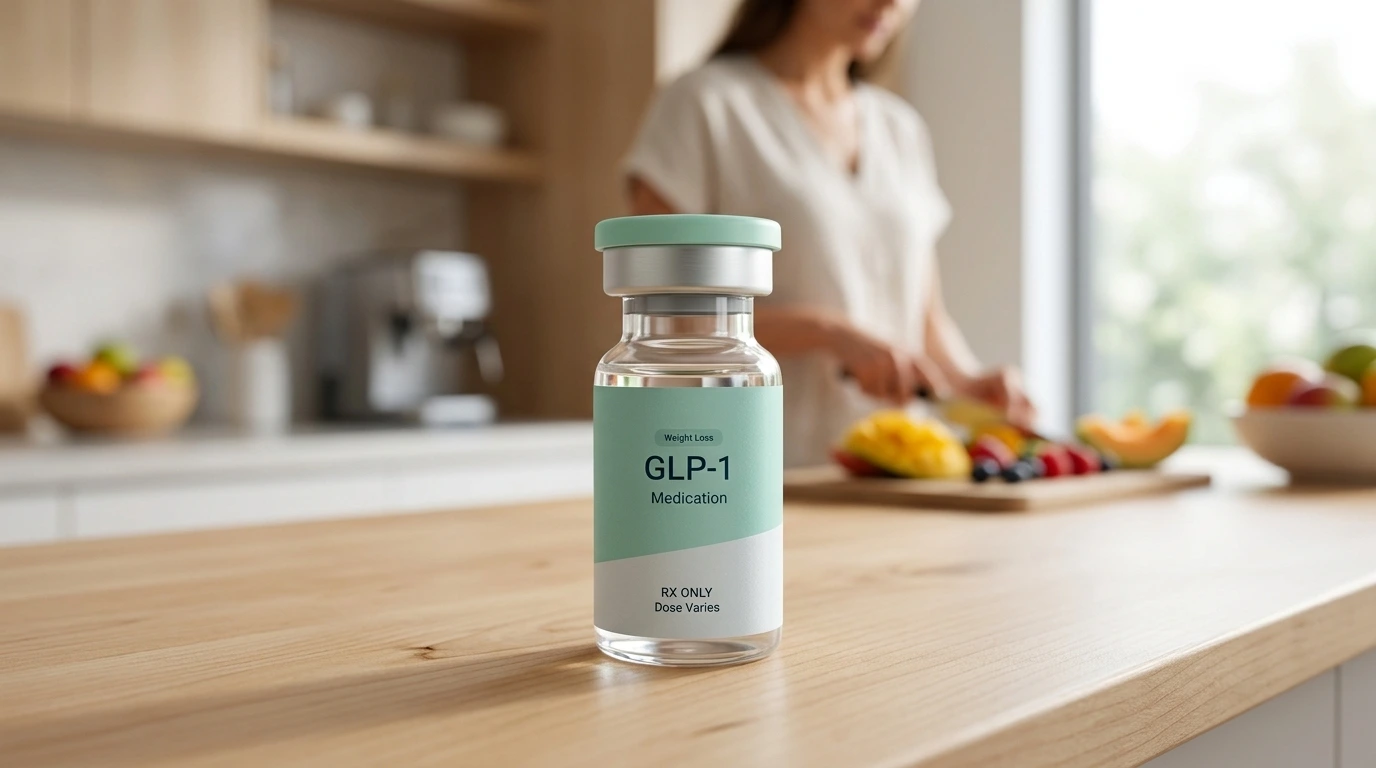
Compounded Semaglutide, on the other hand, is not FDA-approved. However, it is prepared in specialized compounding pharmacies that are FDA-registered and inspected. These pharmacies create custom formulations that can be dispensed in vials. This format often provides more flexibility for providers to prescribe specific, incremental doses that may not be available in a standard branded pen. This can be especially helpful for individuals who need to titrate up more slowly to avoid side effects.
Nutritional Support During Treatment
As your body adjusts to semaglutide—whether on a weekly or twice-weekly schedule—your nutritional needs change. Because you are eating less, you need to ensure the food you do consume is nutrient-dense. Some patients find that specific supplements can help bridge the gap.
For example, our GLP-1 Daily Support supplement is designed to provide essential nutrients that may be missing when your caloric intake decreases. Additionally, for those looking to maximize their results, our Weight Loss Boost supplement can support metabolic efficiency. These quick-access products do not require a prescription and can be a valuable addition to your routine.
Common Misconceptions About Dosing
There are several myths surrounding the idea of taking semaglutide more frequently. It is important to clear these up so you can make informed decisions.
Myth: Taking semaglutide twice a week will make you lose weight twice as fast. Fact: Weight loss is driven by the total weekly amount of medication and your lifestyle habits. Splitting the dose is about managing side effects and hunger, not accelerating fat loss through higher volume.
Myth: It is safe to experiment with your own dose if you have extra medication. Fact: Semaglutide is a powerful hormone-mimicking drug. Small changes in dosage can have significant impacts on your blood sugar and digestive health. Always work with a provider.
Starting Your Path with TrimRx
Starting a weight loss medication is a significant decision that requires a supportive environment. We provide a telehealth-first experience that removes the barriers of traditional doctor visits. There are no waiting rooms or stressful in-person weigh-ins. Instead, you get a personalized program tailored to your needs.
If you are ready to see whether a prescription GLP-1 program fits your goals, complete the free assessment quiz. This tool helps our partner providers understand your health history and goals. From there, if you are eligible, you can be prescribed a program that includes your medication, medical consultations, and ongoing support—all shipped directly to your door from a licensed pharmacy.
We are committed to transparency and empathy. We know that weight loss is not just about a number on a scale; it’s about how you feel, how much energy you have, and your overall quality of life. Our mission is to provide the science-backed tools and the clinical expertise you need to succeed on your own terms.
Realistic Expectations for Your Journey
Weight loss with GLP-1 medications is a marathon, not a sprint. While some people see changes quickly, the most sustainable results come from a gradual approach. Whether your provider keeps you on a weekly schedule or explores a twice-weekly split, the goal is to find the “sweet spot” where you feel satisfied but not ill.
To go deeper on the way these medications support appetite control and weight management, our GLP-1 weight loss guide offers a helpful overview. Research suggests that most people achieve the best results when they stay on the medication for several months, allowing their metabolism to stabilize at a lower weight. Consistency is the most important factor. By working with a dedicated care team, you can navigate the ups and downs of treatment with confidence.
Summary of Best Practices
If you are considering a change to your dosing schedule, keep these points in mind:
- Never double your weekly dose. Taking two full doses increases the risk of severe side effects and toxicity.
- Prioritize communication. Use the TrimRx platform to message your specialist team about any concerns regarding “food noise” or nausea.
- Focus on the “30-60-90” rule. Medication works best when paired with protein, hydration, and movement.
- Be patient with the titration process. It takes time for your body to acclimate to the hormone-mimicking effects of semaglutide.
Ultimately, the best dosing schedule is the one that allows you to live your life without being hindered by side effects while still reaching your weight management goals. With the right clinical guidance, you can find a path that works for your unique biology.
Conclusion
Taking semaglutide twice a week through dose-splitting is a strategy used by some providers to help patients manage side effects and maintain steady appetite control. However, taking a full dose twice a week is a dangerous practice that can lead to an overdose. Your safety and long-term success depend on following a medically supervised plan. At TrimRx, we are dedicated to providing a science-backed, empathetic approach to weight loss, ensuring that every individual has a program customized for their health needs. If you are ready to take the next step toward a healthier lifestyle, we invite you to begin with our assessment to see which personalized program is right for you.
FAQ
Can I take my semaglutide injection every four days?
You should only change your injection frequency if a licensed healthcare provider has instructed you to do so. While some providers use a four-day schedule to help manage side effects, doing this on your own could lead to an incorrect total weekly dose. Always consult your care team before deviating from your prescribed schedule.
What happens if I accidentally took two doses of semaglutide?
Taking two full doses can lead to symptoms of an overdose, such as severe nausea, prolonged vomiting, and very low blood sugar. You should monitor yourself closely for signs of dehydration or extreme abdominal pain. Contact a healthcare provider or seek emergency medical care if your symptoms are severe or if you cannot keep fluids down.
Will splitting my dose into two injections a week stop the nausea?
For many people, splitting the weekly dose into two smaller parts helps reduce the intensity of nausea. This is because the peak levels of the medication in your bloodstream are lower than they would be with a single large dose. However, this adjustment must be managed by a provider to ensure you are still receiving the correct total amount for weight loss. If you’re still trying to understand the role of GLP-1 therapy in overall side effect management, this overview of GLP-1 support may be useful.
Do I need a different prescription to take semaglutide twice a week?
The underlying prescription for the total weekly amount usually stays the same, but the administration instructions would change. If you are using a branded pen, it may be difficult to split doses due to the fixed-dose design. Compounded medications in vials often offer more flexibility for this type of customized schedule under a provider’s guidance. If you’re ready to see whether a personalized plan fits your needs, take the free assessment quiz.
Disclaimer: This content is for informational purposes only and does not constitute medical advice. It is not intended to diagnose, treat, cure, or prevent any disease or condition. Individual results may vary. Always consult a qualified healthcare professional before starting any weight loss program or medication.

Transforming Lives, One Step at a Time
Keep reading

Why Do I Taste Metal on Semaglutide?
A persistent metallic taste is a recognized experience on this medication, and the honest position is that the mechanism is not fully established. Altered…

What Does It Feel Like the First Time You Inject Semaglutide?
Less than almost everyone expects. The needle is very short and very fine, the injection takes a few seconds, and most people describe it…

Does the Color of Compounded Semaglutide Mean Anything?
Yes, and the useful version of that answer is narrow. Semaglutide solution should be clear and colorless, and a very faint yellow tint is…


