Can I Take Two 0.5 Ozempic Injections for a 1.0 Dose?
Introduction
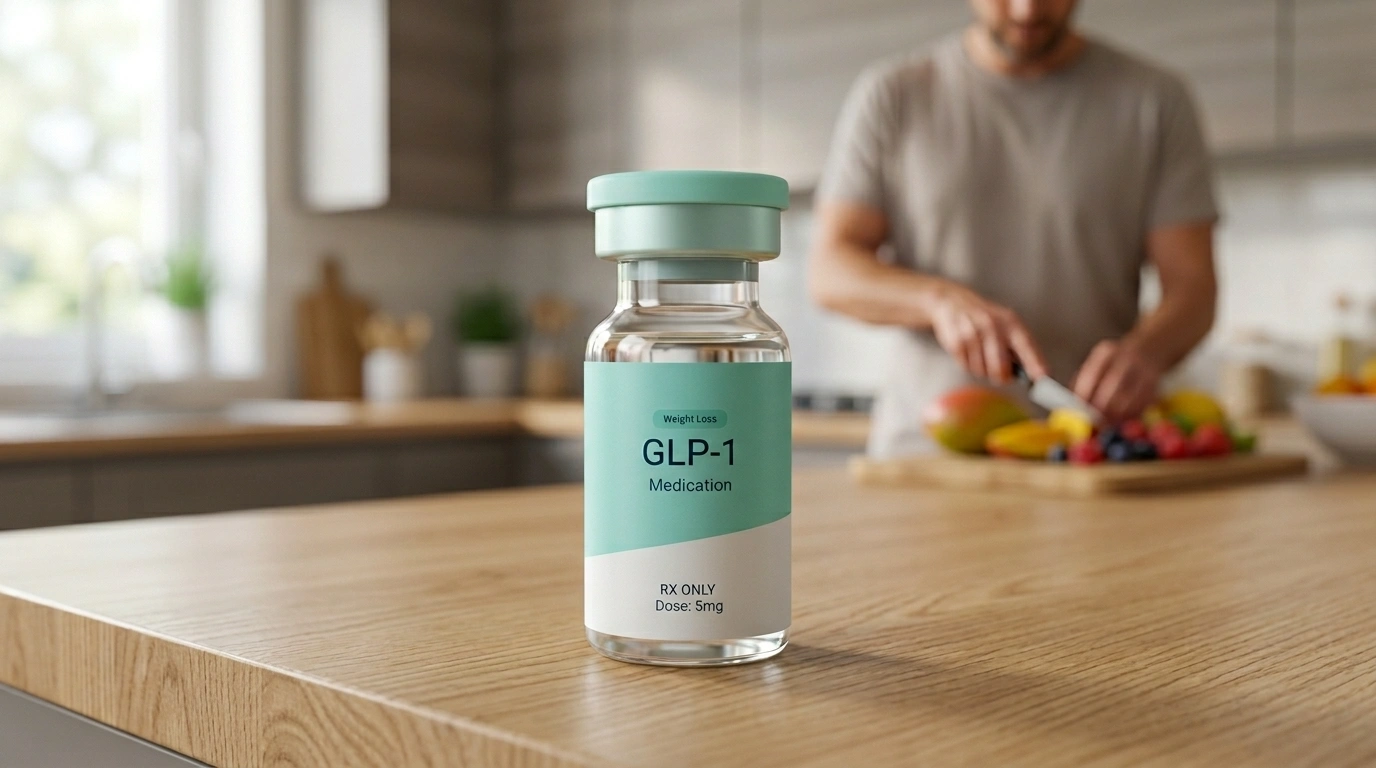
Managing a medication schedule can feel overwhelming, especially when your prescription changes or you face supply issues at the pharmacy. Many individuals using Ozempic® for weight management or blood sugar control reach a point where their dosage increases. You might find yourself with leftover 0.5 mg pens while your provider has moved you up to a 1.0 mg weekly dose. At TrimRx, we understand that these logistical questions are a common part of the weight loss journey. This post covers whether taking two 0.5 mg doses is safe, how semaglutide works in the body, and the importance of clinical supervision during dose adjustments. Understanding how to manage your medication safely ensures you stay on track toward your metabolic health goals.
If you are considering semaglutide treatment or need help understanding a prescribed dose, you can complete a free eligibility assessment for review by a licensed provider.
Quick Answer: Yes, taking two 0.5 mg injections of Ozempic® is clinically equivalent to a single 1.0 mg dose, but it should only be done under the guidance of a healthcare provider. Always ensure you have enough needles and follow proper injection site rotation.
The Science of Semaglutide Dosing
Semaglutide is the active ingredient in Ozempic®, and it belongs to a class of drugs called GLP-1 receptor agonists. GLP-1 stands for glucagon-like peptide-1. This is a hormone your body naturally produces in the gut. It signals your brain to feel full and tells your pancreas to release insulin when blood sugar levels rise.
When you take this medication, you are essentially supplementing your body’s natural ability to manage hunger and glucose. However, because it is a powerful hormone mimic, the body needs time to adjust. This is why the medication follows a “titration” schedule. Titration is the process of gradually increasing a dose to allow your system to build tolerance while minimizing side effects.
For additional context, review this guide to semaglutide starting doses and titration.
Why the 0.5 mg and 1.0 mg Doses Matter
Most patients start at a low initiation dose of 0.25 mg per week for the first four weeks. This dose is not typically therapeutic, meaning it is not meant to cause significant weight loss or blood sugar changes immediately. Its primary job is to introduce the molecule to your digestive system.
After the initial month, most providers move the patient to 0.5 mg. If the body responds well and further results are needed, the dose often increases to 1.0 mg. Taking two 0.5 mg doses to reach a 1.0 mg total simply means you are delivering the same amount of active semaglutide. While the chemical amount is identical, the physical act of injecting twice requires specific care.
Taking Two 0.5 mg Injections: What You Need to Know
If you have 0.5 mg pens but your current prescription is for 1.0 mg, taking two injections is a common solution. This often happens during regional supply shortages or when transitioning between pen sizes. Clinically, 0.5 plus 0.5 equals 1.0. Your body processes the semaglutide based on the total milligrams in your bloodstream, regardless of whether it came from one click of a pen or two.
However, there are mechanical and safety considerations to keep in mind. Each injection carries a small risk of irritation or bruising. If you are taking two injections at once, you must follow the same safety protocols for both.
The Importance of Using New Needles
You must never reuse a needle, even if you are taking the two injections back-to-back. Once a needle has pierced the skin, it is no longer sterile. Reusing it increases the risk of infection and can make the second injection more painful because the needle tip dulls instantly upon first use. If you are taking two 0.5 mg doses, ensure you have two separate, sterile needles ready.
Rotating the Injection Site
It is critical to rotate your injection sites to prevent a condition called lipohypertrophy. This is a buildup of fatty tissue under the skin that can happen if you inject into the same spot repeatedly. This tissue can interfere with how the medication is absorbed.
If you are taking two 0.5 mg doses at the same time, do not put them in the exact same spot. You can use the same general area, such as the abdomen, but keep the two injection points at least an inch or two apart. Alternatively, you could do one injection in the thigh and one in the abdomen.
Key Takeaway: Two 0.5 mg doses provide the same therapeutic benefit as one 1.0 mg dose, but you must use two separate needles and distinct injection points to maintain safety.
Can I Take the Two Doses on Different Days?
Some people ask if they can take one 0.5 mg dose on Monday and the second 0.5 mg dose on Thursday. This is a practice often called “dose splitting” or “microdosing.” The goal of this approach is usually to maintain a more consistent level of the medication in the blood and reduce the “peak” that can cause nausea.
While some clinical providers support this method for patients who experience severe side effects, it is an off-label use of the medication. The standard FDA-approved protocol for Ozempic® is a once-weekly injection.
The Logic of Dose Splitting
Semaglutide has a half-life of about seven days. This means that one week after your injection, half of the medication is still in your system. By the time you take your next weekly dose, you are “stacking” the new dose on top of the remainder of the old one.
When you take the full 1.0 mg at once, your blood levels spike to a peak before slowly tapering down over the week. For some, this peak causes significant gastrointestinal distress. Splitting the dose into two 0.5 mg injections spread across the week can result in lower peaks and higher troughs, potentially making the experience more comfortable.
Consult Your Healthcare Team
You should never decide to split your dose without a consultation. At TrimRx, we connect our members with licensed providers who can evaluate whether an alternative dosing schedule is appropriate for their specific health profile. Changing how often you inject can affect your blood sugar stability, which is particularly important for individuals managing type 2 diabetes.
If you want to understand how remote prescribing and clinical review work, read this overview of telehealth semaglutide treatment.
Managing Side Effects When Moving to 1.0 mg
The transition from 0.5 mg to 1.0 mg is often the point where side effects become most noticeable. Because the dose is doubling, your digestive system may react more strongly. Common side effects include:
- Nausea and occasional vomiting
- Occasional constipation or diarrhea
- A feeling of being “overly full”
- Mild fatigue
If you are taking two 0.5 mg injections to reach the 1.0 mg level, and you find the side effects are too intense, this is a signal to speak with your provider. They may suggest staying at the 0.5 mg level for another month to allow your body more time to adapt.
Tips for Reducing Nausea
If you are taking your 1.0 mg dose (via two 0.5 mg injections), certain lifestyle adjustments can help. Many people find that staying hydrated is the most effective way to manage the “Ozempic® fog” or nausea. Drinking at least 60 to 80 ounces of water daily is a standard recommendation.
For more practical hydration guidance during weight management, explore this hydration blueprint for weight loss.
Additionally, eating smaller, more frequent meals can prevent the extreme fullness that leads to nausea. Focus on lean proteins and avoid high-fat or fried foods, which take longer to digest and can worsen the slow gastric emptying caused by the medication.
The Role of Personalized Weight Loss Programs
Every metabolic profile is unique, which is why a one-size-fits-all approach to dosing rarely works perfectly. Some individuals may see incredible results on 0.5 mg and never need to move up to 1.0 mg. Others may need the maximum dose to see any changes in their weight or A1c levels.
Our platform provides a telehealth-first approach to these challenges. We believe that medical weight loss should be a collaborative process between the patient and a specialist. When you use our service, you are not just getting a prescription; you are entering a program designed to adjust to your body’s specific needs.
When prescription treatment may be appropriate, you can see if you qualify for a personalized program.
Access to Compounded Alternatives
In cases where branded medications like Ozempic® are unavailable due to shortages, providers may prescribe compounded semaglutide. It is important to note that compounded semaglutide is not FDA-approved. However, it is prepared in FDA-registered, inspected compounding pharmacies. These pharmacies follow strict quality standards to create medications that match the specific dose a patient needs.
One advantage of the programs we facilitate is the flexibility they offer. Because we work with high-quality compounding pharmacies, patients often have more consistent access to their treatments, even when traditional retail pharmacies are out of stock. This consistency is vital for maintaining the momentum of your weight loss journey.
Understanding Pen Mechanics and Dialing Doses
Ozempic® pens are designed to be user-friendly, but they come in different versions. Some pens are “fixed-dose,” meaning they only click to a specific amount, such as 0.5 mg. Other pens are “flex pens” that allow you to dial different amounts.
If you have a 0.5 mg fixed-dose pen, taking a 1.0 mg dose requires two complete injection cycles. This means:
- Attaching the first needle.
- Dialing to 0.5 mg.
- Injecting and holding for 6 seconds.
- Removing and disposing of the needle.
- Attaching a second, fresh needle.
- Dialing to 0.5 mg again.
- Injecting into a different spot and holding for 6 seconds.
If you try to “guess” a dose by counting clicks on a pen not designed for that dose, you risk inaccurate dosing. Always follow the markings on the pen and the instructions provided by your medical professional.
Note: If you are unsure how to use your specific pen to achieve your prescribed dose, do not attempt the injection. Contact your pharmacist or your provider through our platform for a demonstration.
Potential Risks of Incorrect Dosing
While taking two 0.5 mg injections to equal 1.0 mg is generally safe, mistakes in dosing can lead to complications. The most immediate risk is “accidental overdose,” which in the context of GLP-1s usually means severe, prolonged nausea and vomiting. While not typically life-threatening for healthy adults, it can lead to dehydration.
Signs You Should Contact a Doctor
Most side effects from semaglutide are manageable at home. However, you should seek medical guidance if you experience:
- Severe, persistent abdominal pain that may radiate to your back (a potential sign of pancreatitis).
- Frequent vomiting that prevents you from keeping liquids down.
- Signs of an allergic reaction, such as swelling or a rash at the injection site.
- Extreme dizziness or fainting.
Personalized supervision through a platform like ours ensures you have a dedicated team to help you distinguish between normal “adjustment” symptoms and something that requires clinical intervention.
Maximizing Your Results on 1.0 mg
Whether you take your dose as one injection or two, the medication is only one piece of the puzzle. To see the best results in body composition and energy levels, you must support the medication with proper nutrition and movement.
The 30-60-90 Framework
Many specialists recommend a simple framework to help patients stay healthy while on GLP-1 medications:
- 30 Minutes of Movement: Daily physical activity, such as walking or light resistance training, helps preserve muscle mass. Muscle is metabolically active tissue; losing it can slow your metabolism.
- 60 Ounces of Water: Hydration supports kidney function and keeps the digestive system moving, reducing the risk of constipation.
- 90 Grams of Protein: High protein intake is essential when you are in a caloric deficit. It keeps you feeling full and protects your muscles.
For more guidance on protein intake during weight management, review this protein guide for weight loss.
Our weight loss boost supplements can also be a helpful addition for those looking to optimize their metabolic health during this transition. Weight Loss Boost supplement is available for those seeking energy support during weight loss and does not require the medical quiz.
Why Consistency Is Key
The most common reason for weight loss plateaus is inconsistent dosing. Missing a week or frequently changing the day of your injection can disrupt the “steady state” of the medication in your blood. If you are using two 0.5 mg pens to fill a 1.0 mg prescription, make sure you have enough supply to finish the month.
If you realize you only have one 0.5 mg dose left and cannot get your 1.0 mg refill in time, do not simply skip the dose. Contact your provider. They may advise you to take the 0.5 mg dose to keep some medication in your system, rather than taking nothing at all.
How to Get Started with a Managed Program
If you are tired of navigating pharmacy shortages and confusing dosing schedules on your own, a telehealth program may be the right fit. The process is designed to be straightforward and patient-centered.
Step 1: The Assessment
You begin by taking a free assessment quiz. This helps us understand your medical history, your current BMI, and your weight loss goals. This information is reviewed by a licensed medical provider.
Step 2: Consultation and Prescription
If you are eligible, a provider will work with you to determine the best medication for your needs. This could be compounded semaglutide or compounded tirzepatide, depending on your health profile.
Step 3: Delivery and Support
Once prescribed, your medication is shipped directly to your door from an FDA-registered compounding pharmacy. You gain 24/7 access to a team of specialists who can answer questions exactly like “can I take two 0.5 injections” at any time.
Conclusion
Taking two 0.5 mg injections of Ozempic® to reach a 1.0 mg dose is a practical solution for many, provided it is done with care, sterile technique, and professional approval. The journey to a healthier weight is rarely a straight line, and logistical hurdles like pen sizes or supply changes are common. Our mission is to ensure you never have to navigate those hurdles alone. We combine clinical expertise with a supportive, telehealth-first approach to make sustainable weight loss achievable. By focusing on personalization and transparent care, we help you stay focused on what really matters: your long-term health and well-being.
To discuss your options with a licensed provider, complete a free eligibility assessment.
Bottom line: While chemically identical, taking two 0.5 mg injections requires using two needles and rotating your injection sites. Always consult your healthcare provider before modifying your prescribed routine.
FAQ
Is it safe to take two 0.5 mg injections at the same time?
Yes, it is generally safe if your prescribed dose is 1.0 mg and you have been advised by a healthcare provider to do so. You must use a fresh, sterile needle for each injection and choose two different spots on your skin to avoid irritation or tissue buildup.
Will taking two 0.5 mg injections cause more side effects?
Taking two 0.5 mg injections delivers the same amount of medication as one 1.0 mg injection, so the systemic side effects like nausea should be the same. However, you may have a slightly higher risk of minor redness or bruising at the site since you are piercing the skin twice.
Can I use the same needle for both injections if I do them right away?
No, you should never reuse a needle. Even after one use, the needle is no longer sterile and the tip can become dull or barbed at a microscopic level. Using a new needle for every single injection is essential for safety and comfort.
What should I do if I only have 0.5 mg pens but my dose is 1.0 mg?
Contact your healthcare provider or your TrimRx specialist to confirm the best way to use your remaining supply. They will likely instruct you to take two 0.5 mg injections to meet your 1.0 mg requirement until your new prescription is filled. If you need help determining whether a managed prescription program is appropriate, you can complete a free eligibility assessment.
Disclaimer: This content is for informational purposes only and does not constitute medical advice. It is not intended to diagnose, treat, cure, or prevent any disease or condition. Individual results may vary. Always consult a qualified healthcare professional before starting any weight loss program or medication.

Transforming Lives, One Step at a Time
Keep reading

Two Months on the Same Ozempic Dose With No Change: Is It Working?
Two months is long enough. Under four weeks is noise, four to eight weeks is a maybe, and eight weeks of a genuinely flat…
Is This Your Ozempic Maintenance Dose or Just a Stall?
Time is what separates them, and less of it than people think. A few weeks without movement is noise. Six to eight weeks of…

Why Does My Tongue Feel Coated on Ozempic?
Usually because there is less saliva washing your tongue clean, and less food passing over it to do the same job mechanically. Your tongue…


