Managing Type 2 Diabetes: Can You Take Ozempic With Insulin?
Introduction
For millions living with Type 2 Diabetes, the journey to stable blood sugar levels often involves a complex interplay of lifestyle adjustments and medication. The introduction of innovative treatments like Ozempic (semaglutide) has brought new hope, yet it also raises important questions, especially for those already relying on insulin therapy. Navigating multiple medications can feel overwhelming, and a common query we hear is: “Can I take Ozempic with insulin?” It’s a crucial question that underscores the need for clear, accurate information and personalized medical guidance.
The landscape of diabetes management is continuously evolving, offering more nuanced and effective tools to help individuals achieve better health outcomes. Understanding how these medications interact, their distinct mechanisms, and the benefits and risks of combining them is paramount for safe and effective treatment. This blog post aims to demystify the complexities surrounding Ozempic and insulin co-administration, providing you with a comprehensive overview rooted in scientific understanding and clinical practice. We’ll delve into the unique roles each medication plays in managing blood sugar, explore the evidence behind their combined use, and highlight the critical importance of a medically supervised, individualized approach. By the end, you’ll have a clearer understanding of how these powerful treatments can work together, and how a personalized care partner like us can help you navigate your unique path to better health.
Understanding the Role of Ozempic in Diabetes Management
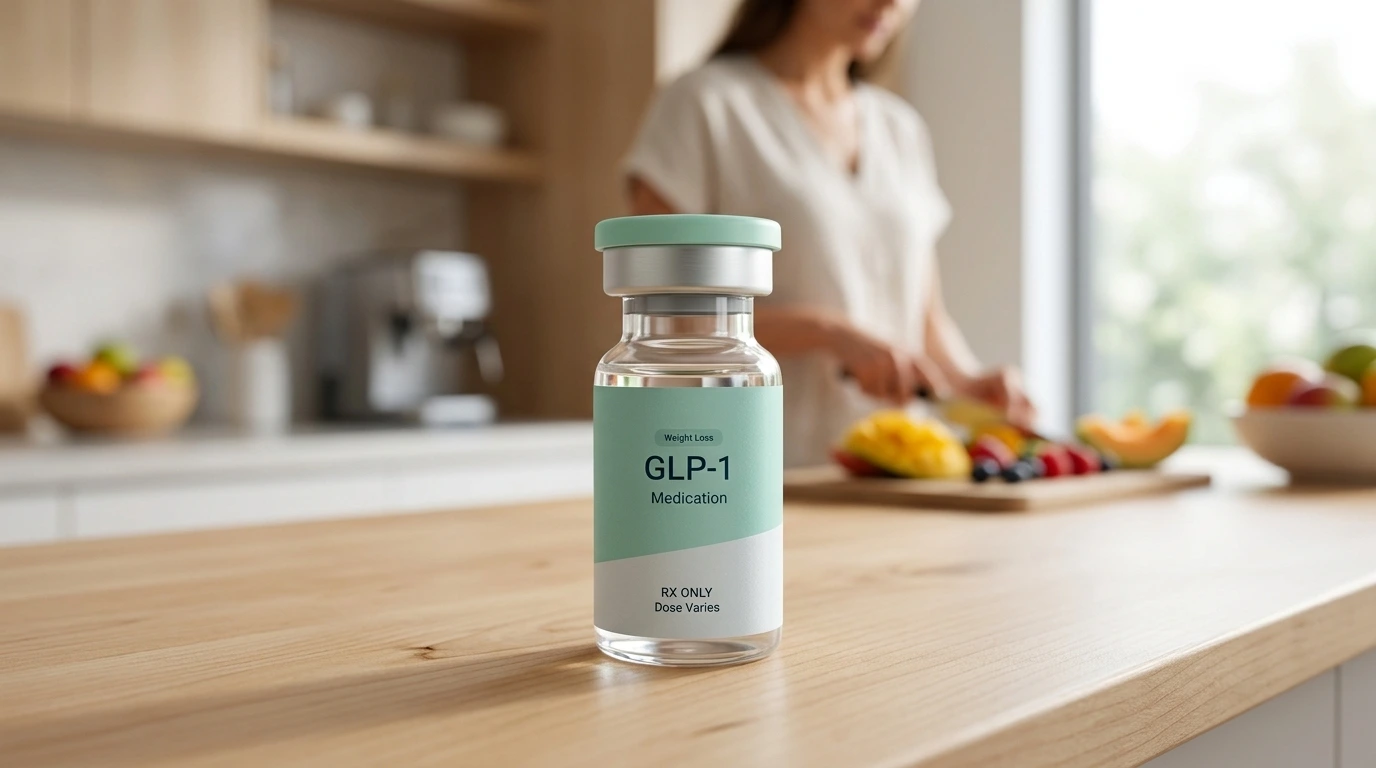
Ozempic, a brand name for the active ingredient semaglutide, belongs to a class of medications known as GLP-1 (glucagon-like peptide-1) receptor agonists. These medications have revolutionized the treatment of Type 2 Diabetes and, in some cases, have been recognized for their significant benefits in weight management. At TrimRx, we believe in empowering individuals with clinically proven solutions, and understanding the science behind these treatments is a cornerstone of our commitment.
How Ozempic Works to Regulate Blood Sugar
Ozempic mimics the action of a natural hormone in your body called GLP-1. This hormone plays several vital roles in glucose homeostasis:
- Stimulates Insulin Secretion: When blood sugar levels are high (typically after meals), Ozempic prompts the pancreas to release more insulin. Importantly, this action is glucose-dependent, meaning it doesn’t significantly increase insulin production when blood sugar levels are already low, which inherently reduces the risk of hypoglycemia when used alone.
- Suppresses Glucagon Release: Glucagon is a hormone that raises blood sugar by signaling the liver to release stored glucose. Ozempic helps to reduce inappropriate glucagon secretion, particularly after meals, further contributing to lower blood sugar levels.
- Slows Gastric Emptying: By slowing down how quickly food leaves the stomach, Ozempic helps to moderate the rise in blood sugar after eating and can contribute to a feeling of fullness, which supports appetite regulation and weight management.
- Reduces Hepatic Glucose Production: It also helps to decrease the amount of sugar the liver produces, a common issue in Type 2 Diabetes where the liver might produce too much glucose even when not needed.
Together, these actions contribute to improved glycemic control, often reflected in lower HbA1c levels, and can also lead to beneficial weight loss outcomes. This multifaceted approach is why medications like Ozempic have become a valuable tool in comprehensive diabetes care.
Administration and General Usage
Ozempic is administered as a subcutaneous injection, meaning it’s injected just under the skin. A key convenience of Ozempic is its once-weekly dosing schedule, which can be a significant advantage over medications requiring daily or multiple daily injections. It comes in a pre-filled pen, designed to make the injection process straightforward and user-friendly for individuals managing their condition at home.
For those considering a prescription weight loss medication like Ozempic, we offer a range of options, including branded Ozempic® alongside compounded Semaglutide and Oral Semaglutide, as part of our personalized programs. These medications are provided through FDA-registered, inspected, and approved pharmacies, ensuring the highest standards of safety and quality. To find out if you qualify for these advanced solutions and receive a tailored treatment plan, we encourage you to take our free assessment quiz. Our comprehensive service includes doctor consultations, medication, lab work, unlimited support, and shipping with no hidden fees, all designed to make your weight loss journey achievable and personalized.
The Foundation of Diabetes Care: Understanding Insulin
Insulin is a hormone naturally produced by the pancreas, and it is absolutely essential for life. Its primary function is to regulate blood sugar (glucose) levels, acting as a key that unlocks cells to allow glucose to enter and be used for energy. For individuals with diabetes, the body’s ability to produce or effectively use insulin is impaired, leading to elevated blood glucose.
How Insulin Works in the Body
When you eat, carbohydrates are broken down into glucose, which enters your bloodstream. In response, a healthy pancreas releases insulin. Insulin then signals cells in the muscles, fat, and liver to absorb glucose from the blood. This process lowers blood sugar levels and provides cells with the energy they need.
In Type 1 Diabetes, the pancreas produces little to no insulin, necessitating external insulin administration to sustain life. In Type 2 Diabetes, the body either doesn’t produce enough insulin or becomes resistant to its effects (insulin resistance), leading to chronically high blood sugar. For many with Type 2 Diabetes, particularly as the condition progresses, insulin therapy becomes a crucial component of their treatment plan to maintain glycemic control.
Administration of Insulin
Like Ozempic, insulin is typically administered via subcutaneous injection. However, insulin regimens often involve more frequent injections—sometimes multiple times a day—depending on the type of insulin (rapid-acting, short-acting, intermediate-acting, or long-acting) and the individual’s specific needs. Insulin also comes in various forms, including pre-filled pens, vials for syringe injection, and insulin pumps, offering flexibility in administration.
It’s important to recognize that while both Ozempic and insulin are injectables used in diabetes management, their fundamental mechanisms of action are distinct. Insulin directly lowers blood sugar by moving glucose into cells, whereas Ozempic works by enhancing the body’s own glucose-regulating processes. This difference is key to understanding why they can often be used effectively in combination.
The Combination Approach: Can You Take Ozempic and Insulin Together?
One of the most pressing questions for individuals managing Type 2 Diabetes is whether it’s safe and effective to combine newer medications like Ozempic with established therapies such as insulin. The straightforward answer is yes, Ozempic and insulin can be taken together, and this combination is often a valuable strategy prescribed by healthcare providers to achieve optimal blood sugar control. At TrimRx, we empower our members with personalized, medically supervised care, ensuring that such a combination is part of a carefully considered and tailored treatment plan.
Why Combine Ozempic and Insulin?
The rationale for combining these two powerful medications lies in their complementary mechanisms of action. As we’ve discussed:
- Insulin directly provides the body with the hormone it needs to move glucose from the bloodstream into cells, addressing deficiencies or resistance.
- Ozempic enhances the body’s natural processes for blood sugar regulation—stimulating insulin release when needed, suppressing glucagon, slowing digestion, and reducing liver glucose production.
When used together, they tackle different aspects of glucose control, offering a more comprehensive and robust approach to managing Type 2 Diabetes, particularly for those whose blood sugar remains elevated despite monotherapy. This synergistic effect can lead to:
- Improved Glycemic Control: The combination often results in better reductions in HbA1c levels compared to either medication used alone, leading to more stable blood sugar throughout the day.
- Reduced Insulin Dosage: For some individuals, the glucose-lowering effects of Ozempic can allow for a reduction in the required insulin dose, potentially mitigating some of the side effects associated with higher insulin dosages, such as weight gain. Research has shown that using GLP-1 receptor agonists with insulin can improve glycemic control with a low risk of hypoglycemia and weight gain.
- Weight Management Benefits: Ozempic’s impact on satiety and gastric emptying can support weight loss, which is a significant benefit for many individuals with Type 2 Diabetes and can further improve insulin sensitivity.
Our dedication to science, empathy, and transparency means we work closely with you and your medical team to explore the best treatment modalities for your unique health profile. This could include a combination therapy designed to meet your specific needs. To determine if a personalized plan involving prescription medications like Ozempic could benefit you, we invite you to take our free assessment quiz.
Administration Details When Combining
When prescribed together, Ozempic and insulin are typically injected separately. It is crucial not to mix them in the same syringe or inject them immediately next to each other. Healthcare providers generally advise rotating injection sites for both medications to prevent skin irritation or lipodystrophy. While insulin injections may occur multiple times daily, Ozempic maintains its convenient once-weekly schedule.
This dual approach, when carefully managed, offers a powerful tool for achieving optimal blood sugar targets and improving overall health for individuals with Type 2 Diabetes. Our medically supervised programs are designed to provide this level of precise and personalized care.
Navigating Risks and Side Effects of Combination Therapy
While combining Ozempic and insulin can be highly effective for managing Type 2 Diabetes, it’s essential to be aware of the potential risks and side effects, particularly the increased likelihood of hypoglycemia. Our commitment to safety and individualized care at TrimRx means we prioritize transparent communication and thorough medical supervision for any treatment plan.
The Primary Concern: Hypoglycemia (Low Blood Sugar)
The most significant risk when taking Ozempic alongside insulin is hypoglycemia, or dangerously low blood sugar. Both medications work to lower blood glucose, and when their effects are combined, the risk of glucose dropping too far increases.
What is hypoglycemia? Hypoglycemia occurs when your blood sugar level falls below a healthy range (typically below 70 mg/dL). Symptoms can include:
- Headache
- Dizziness or lightheadedness
- Confusion or difficulty concentrating
- Tremors or shakiness
- Nervousness or anxiety
- Sweating
- Rapid heartbeat (palpitations)
- Intense hunger
- Weakness or fatigue
- Irritability
Severe hypoglycemia can lead to seizures, unconsciousness, and in rare cases, can be life-threatening. It’s crucial for anyone on this combination therapy to understand the symptoms of hypoglycemia and how to treat it immediately. Always carry a source of fast-acting sugar (like glucose tablets or hard candy).
Why the increased risk? While Ozempic alone rarely causes hypoglycemia because its insulin-stimulating effect is glucose-dependent, its ability to enhance insulin secretion and reduce glucose production becomes additive when exogenous insulin is also being administered. This additive effect can tip the balance, leading to lower-than-desired blood sugar levels.
Other Potential Side Effects and Interactions
Beyond hypoglycemia, there are other considerations when combining these medications:
- Gastrointestinal Issues: Ozempic commonly causes gastrointestinal side effects such as nausea, vomiting, diarrhea, and constipation. These can be particularly bothersome and might affect appetite or the absorption of other oral medications. If you experience persistent or severe GI side effects, it’s important to communicate this with your healthcare provider, as dosage adjustments for Ozempic may be necessary.
- Interaction with Oral Medications: Ozempic slows gastric emptying, which can affect the absorption rate of orally administered medications. This means some drugs might take longer to be absorbed or reach their peak effect. Examples include blood thinners like warfarin, heart medications like digoxin, and certain diabetes drugs like sitagliptin. Close monitoring by your doctor is essential, and dosage adjustments for your oral medications might be required. Thyroid medications, in particular, may warrant extra monitoring due to their precise absorption requirements.
- Alcohol Consumption: Alcohol can significantly impact blood sugar levels, potentially leading to both hypoglycemia and hyperglycemia. For individuals managing diabetes with Ozempic and insulin, it’s generally advisable to limit alcohol intake and avoid drinking on an empty stomach or after exercise, as this can increase the risk of low blood sugar.
- Contraindications: Certain pre-existing conditions may make Ozempic unsuitable for some individuals. These include a personal or family history of medullary thyroid cancer (MTC) or Multiple Endocrine Neoplasia syndrome type 2 (MEN 2), due to Ozempic’s boxed warning regarding the risk of thyroid tumors. Individuals with a history of pancreatitis, severe gastrointestinal disease, or kidney disease also need careful evaluation.
The Necessity of Medical Supervision
Given the potential for hypoglycemia and other interactions, combining Ozempic and insulin demands rigorous medical supervision. This is where our personalized, medically supervised approach shines. We believe that sustainable weight loss and effective diabetes management should be achieved through science, empathy, and a transparent approach.
Our comprehensive service includes doctor consultations, where your medical history, current health status, and all medications are thoroughly reviewed. We provide ongoing support, lab work, and continuous monitoring to ensure your safety and optimize your treatment outcomes. Our licensed medical professionals will guide you through potential dosage adjustments for both Ozempic and insulin, helping you understand how to monitor your blood sugar effectively and how to respond if hypoglycemia occurs.
For those seeking to explore safe and effective weight management and diabetes solutions, take our free assessment quiz to begin your personalized journey with TrimRx.
The Indispensable Role of Personalized Medical Supervision
Successfully managing Type 2 Diabetes, especially when combining medications like Ozempic and insulin, relies fundamentally on personalized, medically supervised care. There is no one-size-fits-all approach to health, and what works for one individual may not be appropriate for another. At TrimRx, our journey began with a shared vision to help individuals embrace healthier lifestyles by merging cutting-edge telehealth innovations with effective weight loss solutions, always prioritizing individualized care.
Why Personalized Supervision is Key
Every individual’s body responds differently to medications, and factors such as age, kidney function, other health conditions, and lifestyle habits all play a role in determining the most effective and safest treatment plan. When combining Ozempic and insulin, the need for tailored care becomes even more critical due to the increased risk of hypoglycemia and potential drug interactions.
Our brand is empathetic, innovative, trustworthy, supportive, results-oriented, and personalized. We offer compassionate care that respects every individual’s unique journey by combining advanced medical science with modern technology. This approach ensures that:
- Thorough Eligibility Assessment: Before initiating any prescription medication, a comprehensive medical evaluation is conducted. This includes reviewing your full medical history, current medications, lab results, and lifestyle factors to ensure the treatment is safe and appropriate for you. Our free assessment quiz is the first step in this detailed process, leading to a personalized treatment plan if you qualify for our prescription weight loss medications, which include options like Ozempic®, Compounded Semaglutide, Oral Semaglutide, Mounjaro®, Zepbound®, Wegovy®, Compounded Tirzepatide, and Oral Tirzepatide.
- Precise Dosage Adjustments: Both Ozempic and insulin dosages may need to be carefully adjusted when used together. Your healthcare provider will guide you through this process, often starting with lower doses and gradually increasing them while closely monitoring your blood sugar levels to find the optimal balance that achieves glycemic control without causing hypoglycemia. This adjustment process is dynamic and may change over time as your body adapts or other health factors evolve.
- Ongoing Monitoring and Support: Regular check-ins with your medical team are essential to monitor your progress, assess for any side effects, and make necessary modifications to your treatment plan. This includes frequent blood sugar monitoring and periodic HbA1c tests to track long-term glycemic control. Our comprehensive service ensures unlimited support, providing a supportive space where you can ask questions and receive guidance throughout your journey.
- Medication Sourcing and Safety: We are committed to transparent service, and our approach remains consistent regardless of dosage changes. For your safety, we work exclusively with FDA-registered and inspected pharmacies for the shipping of weight loss medications. It is important to note that while branded medications like Ozempic® are FDA-approved, compounded medications are not; however, they are sourced from these highly regulated pharmacies.
Seamless Integration of Care through Telehealth
At TrimRx, we leverage cutting-edge telehealth innovations to make personalized, medically supervised care accessible and convenient. Our platform allows for discreet consultations, lab work coordination, medication management, and continuous support, all from the comfort of your home. This modern approach eliminates geographical barriers and scheduling conflicts, ensuring that you receive consistent, high-quality care tailored to your individual needs.
We believe that true partnership in health involves not just providing medication, but also offering education, encouragement, and a clear path forward. Our focus on safety, efficacy, and individualized results underpins every aspect of our program.
Supporting Your Journey: Beyond Prescription Medications
While prescription medications like Ozempic and insulin are powerful tools in managing Type 2 Diabetes and supporting weight loss, a holistic approach often involves supplementary support. At TrimRx, we understand that well-being extends beyond medication, and we offer additional solutions designed to complement your health journey.
Quick-Access Supplements for Overall Wellness
For individuals seeking immediate support for their metabolic health and weight loss efforts, we provide quick-access supplements that do not require a personalized assessment quiz. These are designed to bolster your overall wellness and support your body’s natural processes:
- GLP-1 Daily Support: This supplement is formulated to provide daily assistance for metabolic health. It supports the body’s natural functions that are often targeted by GLP-1 medications, helping to maintain balance and aid in managing various aspects of wellness. It’s an excellent option for those looking for proactive support in their health regimen.
- Weight Loss Boost: Designed to give your weight loss journey an extra push, this supplement focuses on key areas that can accelerate progress. Whether you’re just starting out or looking to break through a plateau, Weight Loss Boost provides targeted support to enhance your efforts.
These supplements are readily available for immediate purchase, allowing you to integrate them into your routine without delay. They represent our commitment to offering a comprehensive suite of solutions, catering to different needs and stages of your health transformation.
Comprehensive Approach to Sustainable Health
Our philosophy at TrimRx is that sustainable weight loss and effective health management are achieved through a combination of science-backed treatments, personalized care, and ongoing support. Whether you qualify for prescription medications like Compounded Semaglutide, Oral Semaglutide, Ozempic®, Compounded Tirzepatide, Oral Tirzepatide, Mounjaro®, Zepbound®, or Wegovy®, or you choose to incorporate our quick-access supplements, our goal is to provide you with the tools and guidance you need.
Our comprehensive service includes not only access to clinically proven medications but also vital components such as doctor consultations, necessary lab work, and unlimited support from our dedicated team. We handle the shipping of your medications from FDA-registered and inspected pharmacies directly to your door, ensuring convenience and peace of mind. Our transparent approach means there are no hidden fees, just clear, consistent support designed to help you succeed.
We encourage you to consider all the resources available to you. If you are exploring prescription options, begin with our free assessment quiz to determine eligibility and receive a personalized treatment plan. For immediate support and to enhance your current health efforts, explore our GLP-1 Daily Support and Weight Loss Boost supplements. Together, we can build a path to a healthier, more vibrant you.
Conclusion
Navigating the complexities of Type 2 Diabetes management often involves exploring advanced treatment options and understanding how various medications can work in synergy. The question, “Can I take Ozempic with insulin?” is a testament to the proactive approach many individuals take in seeking optimal health outcomes. As we’ve explored, the answer is a resounding yes; combining Ozempic and insulin is not only possible but frequently recommended by healthcare providers to achieve superior glycemic control. These two medications, with their distinct yet complementary mechanisms, offer a powerful strategy to manage blood sugar effectively, potentially reducing insulin requirements and aiding in weight management.
However, the efficacy and safety of this combination hinge entirely on personalized, medically supervised care. The heightened risk of hypoglycemia, alongside other potential interactions with oral medications, underscores the critical need for vigilant monitoring, precise dosage adjustments, and ongoing professional guidance. Our commitment at TrimRx is to provide exactly this—a user-friendly and supportive platform where individuals receive personalized, medically supervised care, all designed to make sustainable weight loss and robust health attainable and tailored to the individual. We believe in empowering you with transparent service, combining advanced medical science with modern telehealth technology, and ensuring your medications are sourced from FDA-registered and inspected pharmacies.
Your health journey is unique, and we are here to partner with you every step of the way. If you are ready to explore how a personalized treatment plan, potentially incorporating medications like Ozempic® or our compounded Semaglutide, could transform your health, we invite you to take our free assessment quiz. This is your first step toward a comprehensive service that includes doctor consultations, medication, lab work, unlimited support, and shipping with no hidden fees. Additionally, for immediate support in your wellness endeavors, explore our specialized quick-access supplements, GLP-1 Daily Support and Weight Loss Boost. Together, we can forge a path towards a healthier, more balanced life.
Frequently Asked Questions
Is Ozempic the same as insulin?
No, Ozempic is not the same as insulin. Ozempic (semaglutide) is a GLP-1 receptor agonist that mimics a natural hormone to help your body manage blood sugar by stimulating insulin release when needed, suppressing glucagon, and slowing digestion. Insulin, on the other hand, is a hormone that directly lowers blood sugar by moving glucose into your cells. While both are used to manage Type 2 Diabetes, they work through different mechanisms and are not interchangeable.
What are the main risks of taking Ozempic and insulin together?
The primary risk of taking Ozempic and insulin together is an increased chance of hypoglycemia (low blood sugar). Both medications lower blood glucose, and their combined effect can lead to blood sugar levels dropping too low. Other potential risks include gastrointestinal side effects like nausea and vomiting, and potential interactions with oral medications due to Ozempic slowing gastric emptying. Close medical supervision and careful monitoring are crucial to manage these risks effectively.
Can Ozempic replace insulin entirely?
For some individuals with Type 2 Diabetes who still produce some natural insulin, Ozempic alone might be sufficient to achieve blood sugar control, potentially allowing them to avoid starting insulin therapy. However, for those who are insulin-dependent or whose bodies no longer produce enough insulin, Ozempic does not replace the need for insulin. It can often reduce the required insulin dosage and improve overall glycemic control, but it is not a substitute for insulin in such cases.
How does TrimRx support individuals using medications like Ozempic and insulin?
At TrimRx, we provide personalized, medically supervised weight loss solutions, which can include prescription medications like Ozempic®. Our comprehensive service includes doctor consultations to assess your eligibility and create a tailored treatment plan, necessary lab work, access to medication shipped from FDA-registered and inspected pharmacies, and unlimited support throughout your journey. We prioritize your safety and efficacy, ensuring transparent service and continuous guidance to help you achieve your health goals, whether through prescription medication (starting with our free assessment quiz) or our quick-access supplements like GLP-1 Daily Support and Weight Loss Boost.

Transforming Lives, One Step at a Time
Keep reading

Why Do Energy Drinks Feel Worse on Ozempic?
Because the drink has not changed but almost everything around it has. You are eating considerably less, so a large dose of caffeine is…

How Often Should You Weigh Yourself on Ozempic?
Weekly, at the same time and under the same conditions, suits most people well. It gives you enough data to see a trend without…

Why Do I Feel Sick After Coffee on Ozempic?
Because you are almost certainly drinking it on a much emptier stomach than you used to, and coffee on an empty stomach is harder…


