Ozempic and Breastfeeding: What Nursing Mothers Need to Know
Introduction
As new mothers navigate the beautiful yet demanding journey of postpartum life, many aspects of personal health come under intense scrutiny. Among the myriad questions that arise, medication safety during breastfeeding often stands out, especially when considering popular treatments like Ozempic (semaglutide). Perhaps you’re managing type 2 diabetes, addressing insulin resistance, or exploring options for weight management after pregnancy, and the question of “can I take Ozempic breastfeeding” has naturally surfaced. This concern is not only valid but crucial, given the direct link between a mother’s health choices and her infant’s well-being. The postpartum period is a time of significant physiological and emotional change, where the desire to regain pre-pregnancy health often balances precariously with the protective instincts of motherhood.
The landscape of weight management and metabolic health solutions has rapidly evolved, with medications like semaglutide gaining prominence. However, for breastfeeding individuals, the introduction of any new medication necessitates a thorough understanding of its potential impact on both mother and baby. While Ozempic has proven effective for many in managing blood sugar and supporting weight loss, its compatibility with lactation remains a nuanced area, marked by limited direct research and the need for cautious, individualized medical guidance. Our purpose in this comprehensive guide is to delve into what the current research and expert opinions suggest regarding Ozempic use during breastfeeding. We aim to equip you with the knowledge needed to have informed discussions with your healthcare provider, understand the potential considerations, and explore safe, effective alternatives for managing your health goals while nursing your baby. We believe that sustainable health solutions are built on a foundation of science, empathy, and a transparent approach, principles that guide our work at TrimRx. By the end of this post, you will gain a clearer perspective on the available data, recognize the importance of personalized care, and discover supportive pathways, including those offered by TrimRx, that align with your unique postpartum and breastfeeding journey. Together, we’ll explore the complexities and empower you with actionable insights to make choices that support both your health and your baby’s safety.
Understanding Ozempic (Semaglutide) and Its Role
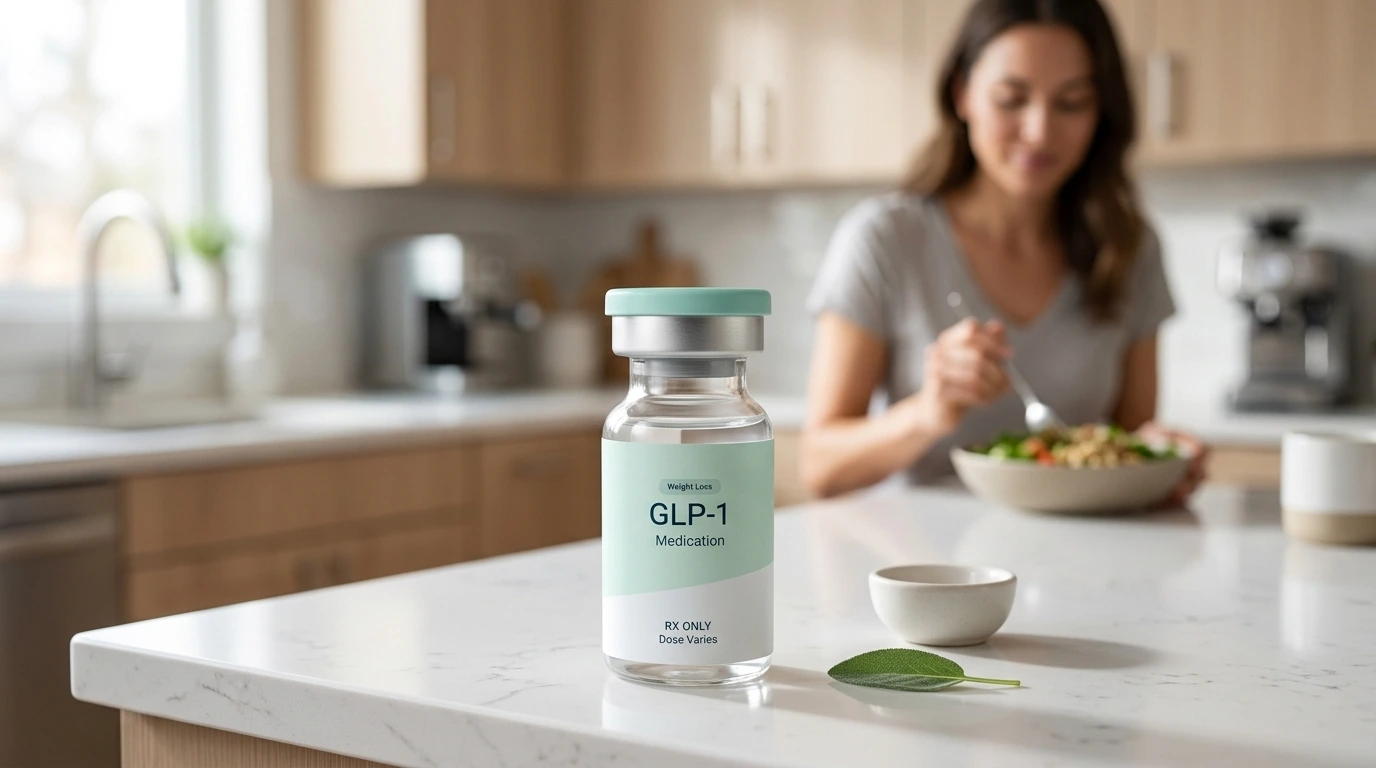
To fully appreciate the considerations around using Ozempic during breastfeeding, it’s essential to first understand what this medication is and how it functions. Ozempic is the brand name for semaglutide, a medication belonging to a class known as glucagon-like peptide-1 (GLP-1) receptor agonists. Originally approved by the FDA for the management of type 2 diabetes, Ozempic works by mimicking the natural hormone GLP-1, which is involved in blood sugar regulation.
How GLP-1 Agonists Work
GLP-1 is a hormone naturally produced in the gut that plays several key roles in the body. When you eat, GLP-1 is released and signals to the pancreas to produce more insulin, which helps lower blood sugar levels. Simultaneously, it reduces the amount of glucagon released by the pancreas, a hormone that raises blood sugar. Beyond its direct impact on blood glucose, semaglutide also slows down gastric emptying, meaning food stays in the stomach longer, contributing to a feeling of fullness and reduced appetite. This effect, coupled with its action on brain areas that regulate hunger, often leads to significant weight loss, making it a popular choice for individuals seeking to manage their weight.
The Rise of Semaglutide in Weight Management
While its primary indication is for type 2 diabetes, the substantial weight loss observed in clinical trials has led to increased off-label use of Ozempic for weight management. For individuals grappling with weight-related health challenges, particularly those with comorbidities, semaglutide represents a powerful tool in achieving healthier body weights. At TrimRx, we recognize the profound impact that innovative medical science can have on an individual’s journey to a healthier lifestyle. Our platform merges cutting-edge telehealth innovations with effective weight loss solutions, making personalized, medically supervised care accessible and tailored to the individual. We believe in providing solutions that combine advanced medical science with modern technology to support safe and effective weight loss.
The Core Question: Can Injectable Semaglutide Be Used While Breastfeeding?
The paramount concern for any breastfeeding parent considering medication is its safety for their infant. When it comes to injectable semaglutide (Ozempic, Wegovy), the answer regarding breastfeeding safety is nuanced and currently lacks extensive, conclusive research. This is a critical point that healthcare providers emphasize globally.
Current Research and Data Limitations
The primary reason for caution lies in the limited amount of human data available. Most medications undergo rigorous testing, but studies specifically involving breastfeeding mothers are often scarce due to ethical considerations. For semaglutide, some initial, small-scale studies have provided insights, yet they are not comprehensive enough to establish definitive long-term safety.
One notable study, which involved eight breastfeeding mothers using subcutaneous semaglutide (the active ingredient in Ozempic), found no detectable levels of semaglutide in their breast milk samples. The authors of this research calculated that even if semaglutide were present at the detection limit, the relative infant dose would be very low. Furthermore, semaglutide is a large protein molecule, which generally means it is less likely to pass into breast milk in significant amounts compared to smaller molecules. Even if a tiny amount were to transfer, its oral bioavailability—how much is absorbed when taken by mouth—is very low in adults (less than 1%). This suggests that an infant consuming breast milk containing semaglutide might not absorb much of the drug into their system.
Why Caution Remains Key
Despite these promising preliminary findings, healthcare professionals and organizations continue to recommend caution. The absence of detectable levels in a small study does not equate to proven long-term safety across all breastfeeding situations, especially in infants with varying sensitivities and feeding patterns. Here’s why a cautious approach is still advised:
- Lack of Long-Term Data: The effects of semaglutide exposure on infant growth, development, or long-term health outcomes over months or years are simply unknown.
- Impact on Breast Milk Composition and Supply: While current data doesn’t suggest an impact, large-scale studies have not definitively ruled out any subtle effects on the nutritional content of breast milk or a mother’s milk supply. Given that Ozempic can decrease appetite and potentially impact maternal calorie intake, there’s a theoretical concern about maintaining adequate milk production and nutrient density.
- Individual Variability: Every mother-infant dyad is unique. Factors like infant age (newborns are more vulnerable), feeding frequency, maternal dosage, and individual metabolic responses can influence potential transfer and effects.
Therefore, while the initial indications are reassuring regarding direct transfer into milk, the medical community’s stance is one of prudence. It is universally recommended that you consult with your healthcare provider to weigh the potential benefits against the unknown risks in your specific situation before considering Ozempic while breastfeeding.
Oral Semaglutide (Rybelsus) and Breastfeeding
It is crucial to distinguish between injectable semaglutide (like Ozempic) and oral semaglutide (Rybelsus) when discussing breastfeeding. While both contain the same active ingredient, semaglutide, their formulations differ significantly, impacting their use during lactation.
The Role of Absorption Enhancers
Oral semaglutide formulations, such as Rybelsus, contain absorption enhancers. These enhancers are designed to help the semaglutide molecule survive the digestive system and be absorbed into the bloodstream. The concern with these enhancers is that they may also pass into breast milk. Unlike injectable semaglutide, where the primary concern is the semaglutide molecule itself, with oral formulations, the absorption enhancer introduces an additional unknown variable regarding infant exposure.
Contraindication for Oral Semaglutide
Due to the presence of these absorption enhancers and the potential for infant absorption, oral formulations of semaglutide, both for weight loss and treatment of type 2 diabetes, are generally contraindicated during breastfeeding. This means they are specifically advised against due to known or potential risks. This distinction is vital for nursing mothers to understand, as the form of semaglutide can dramatically change its safety profile during lactation.
At TrimRx, our commitment to safety is paramount. We work exclusively with FDA-registered and inspected pharmacies for the shipping of weight loss medications. For medications like Ozempic® and Wegovy®, which are branded and FDA-approved, we adhere strictly to their usage guidelines. For other effective options like Compounded Semaglutide or Oral Semaglutide, while the compounded medications themselves are not FDA-approved, we ensure they are sourced from pharmacies that are FDA-registered and inspected, providing an additional layer of assurance regarding quality and safety. We strive for transparent service, ensuring our approach remains consistent regardless of dosage changes.
Potential Risks and Side Effects for Mother and Infant
When considering any medication while breastfeeding, understanding the potential risks and side effects for both the mother and the breastfed infant is paramount. While direct infant effects from injectable semaglutide via breast milk are currently considered unlikely based on limited data, other considerations come into play.
Maternal Side Effects of Semaglutide
Mothers taking Ozempic, regardless of breastfeeding status, may experience common side effects. These are typically gastrointestinal in nature and can include:
- Nausea
- Diarrhea
- Constipation
- Vomiting
- Burping or belching
- Gas
- Stomach pain
- Decreased appetite
- Gastroesophageal reflux disease (GERD)
- Low blood sugar (hypoglycemia), especially if combined with other diabetes medications
- Irritation at the injection site
While these side effects are generally manageable, their severity can vary. For a breastfeeding mother, significant nausea, vomiting, or decreased appetite could indirectly impact her ability to consume sufficient calories and maintain adequate hydration, which are crucial for milk production and overall energy levels.
Indirect Impacts on Breast Milk Supply and Composition
One of the most significant theoretical concerns for breastfeeding mothers taking Ozempic relates to its appetite-suppressing effects. Ozempic can significantly reduce hunger, which might lead to inadequate calorie intake if not carefully monitored. Breastfeeding mothers require an additional 340 to 400 calories per day on average, beyond their pre-pregnancy needs, to support milk production. A sustained calorie deficit could potentially:
- Reduce Milk Supply: If the body isn’t receiving enough energy, it may prioritize other functions over milk production, leading to a decrease in supply.
- Impact Maternal Nutrient Levels: Rapid or excessive weight loss, especially if accompanied by insufficient nutrient intake, could lead to maternal nutrient depletion, potentially affecting the overall health and energy of the mother. While there’s no evidence it directly alters milk composition, a mother’s nutritional status directly influences her ability to produce nutrient-rich milk.
The Academy of Nutrition and Dietetics recommends that breastfeeding mothers lose weight gradually, at a rate of approximately one pound per week. Medications that induce more rapid weight loss might pose challenges to this recommended pace and necessitate closer nutritional guidance.
Expected Side Effects in Infants
Based on the small study indicating no detectable semaglutide in breast milk, experts generally expect no direct side effects in breastfed infants. If the drug does not cross into breast milk, it stands to reason that it would not cause adverse effects or impact the infant’s health or development. However, it is paramount to reiterate that the long-term effects are unknown due to the lack of extensive, large-scale studies. This unknown factor is precisely why medical professionals advise caution and close monitoring.
At TrimRx, our goal is to offer compassionate care that respects every individual’s unique journey. We provide comprehensive service that includes doctor consultations, medication (when eligible), lab work, unlimited support, and shipping, all with no hidden fees. If you’re considering prescription weight loss medications, we encourage you to take our free assessment quiz to determine your eligibility and receive a personalized treatment plan tailored to your needs.
Safer Alternatives for Weight Management and Blood Sugar Control While Breastfeeding
Navigating weight management and blood sugar control during breastfeeding requires careful consideration, especially when medications like Ozempic have limited safety data for this specific period. The good news is that numerous safe and effective strategies and alternative medications exist to support your health goals without compromising your baby’s well-being.
Established Safe Medication Alternatives
For mothers managing type 2 diabetes or insulin resistance, certain medications have a more established safety profile during lactation:
- Metformin: This medication is widely considered safe for breastfeeding mothers. Studies have shown minimal transfer into breast milk, and infants exposed to metformin via breast milk typically experience no adverse effects. It helps control blood sugar and can also be beneficial for individuals with Polycystic Ovary Syndrome (PCOS).
- Insulin: Insulin therapy is a cornerstone for managing diabetes and is considered very safe during breastfeeding. Insulin is a large protein molecule that is naturally present in the body and does not pass into breast milk in amounts that would affect the infant.
Your healthcare provider can help determine if these alternatives are appropriate for your specific medical needs.
Natural and Sustainable Weight Loss Strategies
Beyond medication, lifestyle interventions form the bedrock of sustainable weight management, particularly during breastfeeding. These strategies not only support healthy weight loss but also contribute to overall well-being for both mother and baby.
Prioritizing Adequate Calorie Intake
One of the most critical aspects of postpartum weight management while breastfeeding is ensuring sufficient caloric intake. Breastfeeding is metabolically demanding, requiring approximately 340 to 400 additional calories per day compared to pre-pregnancy needs, as noted by the CDC. Severely restricting calories can compromise milk supply and deplete maternal nutrient stores.
Embracing a Nutrient-Dense Diet
Focus on consuming a well-balanced, nutrient-dense diet. This means prioritizing:
- Lean Proteins: Essential for satiety and muscle maintenance. Examples include chicken, fish, beans, and lentils.
- Healthy Fats: Crucial for hormone production and infant development. Avocados, nuts, seeds, and olive oil are excellent sources.
- Fiber-Rich Foods: Found in whole grains, fruits, and vegetables, fiber promotes satiety, aids digestion, and helps stabilize blood sugar.
- Whole Grains: Provide sustained energy and important B vitamins.
Gradual Weight Loss
Rapid weight loss is generally not advised while breastfeeding. The Academy of Nutrition and Dietetics recommends a gradual weight loss of about one pound per week. Losing weight too quickly can lead to a sudden drop in milk supply, release environmental toxins stored in fat into breast milk, and leave the mother feeling fatigued and unwell. Sustainable weight loss is a journey, not a sprint.
Incorporating Gentle Physical Activity
Once cleared by your doctor, gentle physical activity can significantly support postpartum recovery and gradual weight loss. Options include:
- Walking: An accessible and effective way to increase activity levels.
- Yoga or Pilates: Can help strengthen core muscles and improve flexibility.
- Strength Training: Builds muscle mass, which boosts metabolism.
Remember to listen to your body and avoid overexertion.
Maintaining Hydration
Adequate water intake is vital for overall health and particularly important for maintaining milk supply. Keep a water bottle handy and drink throughout the day.
Setting Realistic Expectations
The postpartum body undergoes profound changes. Hormonal shifts (involving prolactin, estrogen, and cortisol), changes in metabolism, altered sleep patterns, and increased stress levels all influence weight. Setting realistic expectations and being patient with your body’s recovery process is crucial for mental and emotional well-being.
Seeking Professional Guidance
Working with a registered dietitian or nutritionist can provide invaluable support. They can help create a personalized meal plan that ensures adequate calorie and nutrient intake while supporting gradual weight loss. This individualized approach aligns perfectly with our values at TrimRx, where we emphasize personalized, medically supervised care.
TrimRx’s Supportive Programs and Supplements
At TrimRx, we are dedicated to helping individuals embrace healthier lifestyles through safe, effective, and individualized care. We understand that sustainable weight loss should be achieved through science, empathy, and a transparent approach. For those not yet ready for prescription medications or those seeking additional support, we offer quick-access supplements designed to complement a healthy lifestyle:
- GLP-1 Daily Support: This supplement is formulated to provide comprehensive daily support for metabolic health, without requiring a quiz or prescription. It’s an excellent option for those looking to support their body’s natural processes.
- Weight Loss Boost: Designed to provide immediate support for your weight loss journey, this supplement can be purchased directly to help complement your efforts in a holistic manner.
These quick-access supplements are available for immediate purchase to support overall wellness during the weight loss journey. For those exploring prescription options like Compounded Semaglutide, Oral Semaglutide, Ozempic®, Compounded Tirzepatide, Oral Tirzepatide, Mounjaro®, Zepbound®, or Wegovy®, our personalized assessment is the first step. Take our free assessment quiz today to see if you qualify for our prescription weight loss medications and receive a personalized treatment plan.
When Can You Consider Resuming Ozempic?
For individuals who have previously used Ozempic or who are eager to explore it for weight management or blood sugar control, the question of when it might be safe to resume or start the medication after childbirth often arises. The consensus among healthcare providers generally points to waiting until breastfeeding is no longer the primary source of nutrition for the infant, or ideally, after complete weaning.
Key Factors Influencing the Decision
Several factors play into the timing of resuming or initiating Ozempic:
- Infant’s Age and Nutritional Dependence: Newborns and young infants are most vulnerable to any substances passed through breast milk due to their immature organ systems and complete reliance on breast milk for nutrition. As an infant grows and begins to consume solids or formula, their reliance on breast milk diminishes, theoretically reducing the potential impact of any medication transfer.
- Exclusivity of Breastfeeding: If a baby is exclusively breastfed, any medication in the mother’s system will be the primary form of exposure. Once a baby is mostly eating solids or receiving a significant portion of their nutrition from formula, the proportion of exposure from breast milk decreases.
- Maternal Health Needs vs. Infant Safety: For some mothers, underlying health conditions such as uncontrolled type 2 diabetes may present a medical necessity for resuming specific medications. In such cases, the healthcare provider will carefully weigh the benefits to the mother against the theoretical risks to the infant, often recommending closer monitoring or adjusting the feeding plan.
- Individualized Medical Consultation: There is no universal timeline that applies to everyone. The decision to resume or start Ozempic should always be made in close consultation with your primary healthcare provider, endocrinologist, or a specialist who can assess your unique health profile, the infant’s feeding patterns, and any potential risks.
Many providers will recommend waiting until your baby is fully weaned. This approach eliminates the concern of medication transfer into breast milk altogether, offering the highest level of assurance regarding infant safety.
What to Do if You Took Ozempic Before Knowing You Were Pregnant or Nursing
Accidental exposure to medications is a common concern for new parents. If you were using Ozempic before realizing you were pregnant or while unknowingly breastfeeding:
- Stop the Medication Immediately: The first step is to discontinue Ozempic and contact your healthcare provider as soon as possible.
- Inform Your Pediatrician: Ensure your baby’s pediatrician is aware of the exposure. They may recommend additional check-ups, close monitoring of your baby’s feeding patterns, growth, and development.
- Don’t Panic: While caution is necessary, there is currently no evidence to suggest that accidental, short-term exposure to Ozempic through breast milk causes immediate or severe harm to infants. However, monitoring is key.
Our empathetic and supportive approach at TrimRx means we understand these concerns are real. We empower individuals with information and guide them through their unique health journeys, always prioritizing safety and clear communication with medical professionals. To ensure you have a clear path forward for managing your weight and health, we encourage you to take our free assessment quiz to explore personalized, medically supervised options after breastfeeding.
Mental and Emotional Considerations for Postpartum Health
The postpartum period is a time of immense transition, not just physically, but mentally and emotionally. New mothers often face a complex interplay of hormonal shifts, sleep deprivation, and the overwhelming demands of caring for a newborn. Amidst this, there can be significant pressure—both internal and external—to “bounce back” to a pre-baby body or to immediately address long-standing health goals. It is vital to acknowledge and normalize these feelings while prioritizing overall well-being.
The Pressure to “Bounce Back”
Many mothers feel an intense societal pressure, often amplified by social media, to quickly regain their pre-pregnancy physique. This pressure can lead to unrealistic expectations and a desire for rapid weight loss, potentially overshadowing the more important goals of postpartum recovery and bonding with the infant. It’s essential to remember that your body has undergone a miraculous transformation, and healing takes time.
Normalizing a Slower Pace
- Embrace the Journey: Postpartum recovery is not linear. It involves physical healing, emotional adjustment, and establishing new routines. Normalizing a slower, more compassionate approach to weight management and health goals can significantly reduce stress and improve mental well-being.
- Breastfeeding Benefits: Breastfeeding itself is a powerful tool for postpartum recovery. It naturally burns extra calories, helps the uterus contract, aids in hormone regulation, and fosters an incredible bond between mother and baby. These benefits extend beyond just calorie expenditure, contributing to holistic well-being.
- Prioritize Self-Care: While caring for a newborn is all-consuming, carving out moments for self-care is not a luxury but a necessity. This could be anything from a few minutes of quiet reflection, a short walk, or simply asking for help from your support network.
Seeking Support
You do not have to navigate this journey alone. Seeking support from various sources can make a profound difference:
- Healthcare Providers: Regular check-ups with your doctor are crucial for monitoring your physical health and discussing any concerns about weight, blood sugar, or mental health.
- Lactation Consultants: These professionals can provide invaluable guidance on maintaining milk supply, addressing feeding challenges, and ensuring your nutritional needs are met while breastfeeding.
- Mental Health Professionals: If you are experiencing feelings of overwhelm, anxiety, or depression, reaching out to a therapist or counselor specializing in postpartum mental health can provide crucial support and coping strategies.
- Support Groups: Connecting with other new mothers who are going through similar experiences can offer a sense of community, validation, and practical advice.
At TrimRx, our brand is empathetic, innovative, trustworthy, supportive, results-oriented, and personalized. We understand that health journeys are deeply personal and often intertwined with significant life changes. We offer compassionate care that respects every individual’s unique journey by combining advanced medical science with modern technology. We’re here to support you with medically supervised solutions when you’re ready, whether through our personalized assessment quiz for prescription weight loss medications or our accessible GLP-1 Daily Support and Weight Loss Boost supplements. Your well-being is our priority, and we advocate for a holistic approach that nurtures both your physical and emotional health.
Conclusion: Empowering Your Postpartum Health Journey
The question of “can I take Ozempic breastfeeding” underscores the complexities and crucial considerations that arise during the postpartum period. While preliminary research suggests that injectable semaglutide may not pass into breast milk in detectable amounts, the medical community maintains a cautious stance due to the limited scope and long-term data regarding infant safety, milk supply, and nutritional composition. Oral semaglutide, due to its absorption enhancers, is generally contraindicated during lactation. This emphasizes the critical need for individualized medical advice when weighing any medication during breastfeeding.
We’ve explored the current understanding of Ozempic’s mechanism, its potential side effects for mothers, and the theoretical indirect impacts on milk supply. Importantly, we’ve also highlighted the numerous safe and effective alternatives available for managing both blood sugar and weight while nursing. These alternatives range from established medications like metformin and insulin to sustainable lifestyle strategies centered around nutrient-dense eating, gradual weight loss, adequate hydration, and appropriate physical activity.
At TrimRx, our journey began with a shared vision to help individuals embrace healthier lifestyles by merging cutting-edge telehealth innovations with effective weight loss solutions. Our platform is a user-friendly and supportive space where individuals receive personalized, medically supervised care—all designed to make sustainable weight loss attainable and tailored to the individual. We believe that sustainable weight loss should be achieved through science, empathy, and a transparent approach. We are committed to transparent service, ensuring our approach remains consistent, and we prioritize safety by partnering exclusively with FDA-registered and inspected pharmacies for the shipping of weight loss medications.
Your postpartum health journey is unique, and you deserve comprehensive, compassionate support. Whether you are exploring prescription options like Compounded Semaglutide, Ozempic®, or other advanced therapies, we invite you to take our free assessment quiz to determine your eligibility and receive a personalized treatment plan. For immediate support for your overall wellness during this journey, consider our convenient GLP-1 Daily Support or Weight Loss Boost supplements.
Remember, your health goals are valid, and achieving them safely is paramount. Embrace the support available, communicate openly with your healthcare team, and know that focusing on your well-being, both physical and emotional, is an incredible gift to yourself and your family.
Frequently Asked Questions
Is it safe to use Mounjaro (tirzepatide) while breastfeeding?
Similar to Ozempic, Mounjaro (tirzepatide) is another GLP-1 receptor agonist, and there is currently very limited research on its safety during breastfeeding. Most healthcare providers recommend avoiding Mounjaro while nursing due to the lack of sufficient data on its potential effects on breast milk transfer and infant health. It is essential to consult your doctor for personalized advice and to explore safer alternatives for managing your health while breastfeeding.
Can I take any weight loss injections while breastfeeding?
Most weight loss injections, particularly the newer GLP-1 receptor agonists like Ozempic, Wegovy, and Mounjaro, are generally not recommended during breastfeeding due to the limited safety data available. The priority is always the infant’s safety and ensuring no unknown substances are passed through breast milk. If you are seeking safe postpartum weight loss solutions, we encourage you to consult with a healthcare professional to explore breastfeeding-compatible strategies, including diet, exercise, and alternative medications with established safety profiles. Our free assessment quiz is available when you’re ready to consider personalized, medically supervised options after breastfeeding.
What should I do if I want to manage my weight after pregnancy but am still breastfeeding?
Prioritizing your health during breastfeeding is crucial for both you and your baby. Focus on gradual, sustainable weight loss strategies such as maintaining adequate calorie intake, consuming a nutrient-dense diet, staying well-hydrated, and engaging in gentle, doctor-approved physical activity. Consulting with a registered dietitian can also provide tailored nutritional guidance. While prescription medications may be on hold during this time, you can also explore supportive options like our GLP-1 Daily Support and Weight Loss Boost supplements, which are available for immediate purchase to aid overall wellness.
When is the ideal time to consider prescription weight loss medications like Semaglutide or Tirzepatide if I have been breastfeeding?
The ideal time to consider prescription weight loss medications, including Semaglutide (Ozempic, Wegovy) or Tirzepatide (Mounjaro, Zepbound), is generally after you have completely weaned your baby. This eliminates any potential concerns about medication transfer into breast milk and allows for a clearer assessment of your individual needs without the complexities of lactation. Your healthcare provider will guide you on the safest and most effective timing based on your health status and your baby’s feeding journey. When you are ready, TrimRx offers a comprehensive approach; you can take our free assessment quiz to explore personalized, medically supervised programs designed for sustainable weight loss.

Transforming Lives, One Step at a Time
Keep reading

Why Do Energy Drinks Feel Worse on Ozempic?
Because the drink has not changed but almost everything around it has. You are eating considerably less, so a large dose of caffeine is…

How Often Should You Weigh Yourself on Ozempic?
Weekly, at the same time and under the same conditions, suits most people well. It gives you enough data to see a trend without…

Why Do I Feel Sick After Coffee on Ozempic?
Because you are almost certainly drinking it on a much emptier stomach than you used to, and coffee on an empty stomach is harder…


