Can You Take Creatine on Mounjaro? Safety and Benefits Explained
Introduction
Watching the numbers on the scale drop can be incredibly rewarding, but it often comes with a hidden frustration: the loss of strength and muscle tone. Many people using Mounjaro® (tirzepatide) find that while they are losing weight quickly, they also feel weaker or notice their body composition looks “soft” rather than lean. This has led many to ask if they can supplement with creatine to protect their muscles. At TrimRx, we understand that your goal isn’t just a lower number on the scale—it is a healthier, stronger body that you feel confident in.
This article explores whether it is safe to combine creatine with your weight loss medication, how these two substances interact in your body, and why muscle preservation is the key to long-term success. We will look at the science behind muscle wasting during rapid weight loss and provide a clear path for using supplements effectively. The short answer is that for most healthy individuals, these two can be a powerful duo when managed correctly. If you are considering tirzepatide treatment, you can complete a free eligibility assessment to explore whether a personalized program may fit your goals.
Quick Answer: Yes, you can typically take creatine while on Mounjaro®. Creatine is a well-researched supplement that helps preserve lean muscle mass and support strength, which is vital since GLP-1 and GIP receptor agonists can sometimes lead to muscle loss alongside fat loss. However, maintaining high levels of hydration is essential, and you should always consult your healthcare provider to ensure your kidney function is monitored.
Understanding Mounjaro and Your Body
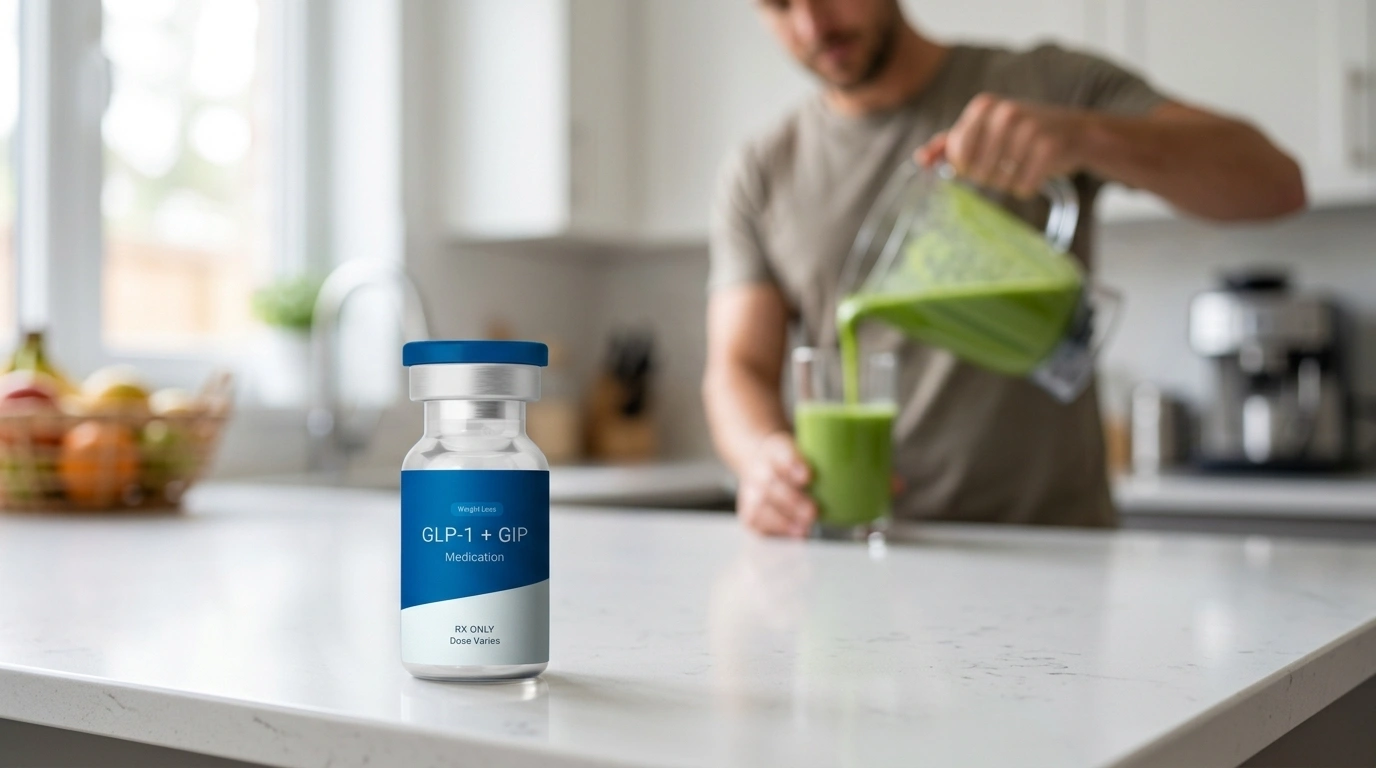
Mounjaro® is a brand-name medication containing the active ingredient tirzepatide. It belongs to a class of drugs known as dual GLP-1 (glucagon-like peptide-1) and GIP (glucose-dependent insulinotropic polypeptide) receptor agonists. These hormones naturally occur in your body and help regulate appetite and blood sugar. By mimicking these hormones, the medication slows down how quickly your stomach empties and sends signals to your brain that you are full.
While this is highly effective for weight loss, the significant reduction in calorie intake can sometimes have unintended consequences. When your body is in a deep calorie deficit, it doesn’t just burn fat for energy; it may also begin to break down muscle tissue. This process, known as muscle catabolism, can lead to a decrease in your resting metabolic rate—meaning your body burns fewer calories at rest. For additional context, read this guide to how tirzepatide affects muscle loss.
The Challenge of Muscle Loss
Clinical studies have shown that a portion of the weight lost on medications like tirzepatide can come from lean muscle mass. For some individuals, this may account for 20% to 30% of their total weight loss. Maintaining muscle is not just about aesthetics; muscle is metabolically active tissue that supports bone density, mobility, and healthy blood sugar levels. Preserving this tissue is the “secret” to avoiding the common “rebound” weight gain that people experience after they stop a weight loss program.
What is Creatine and How Does it Work?
Creatine is one of the most thoroughly researched supplements in the world of nutrition. It is a compound formed from three amino acids: arginine, glycine, and methionine. Your body naturally produces it in small amounts in the liver and kidneys, and you also get it from eating red meat and fish.
The primary role of creatine is to help produce ATP (adenosine triphosphate). ATP is the fundamental “energy currency” of your cells. During high-intensity activities—like lifting weights, sprinting, or even standing up quickly—your muscles use ATP for fuel. Creatine acts like a backup battery, allowing your muscles to regenerate energy faster so you can perform better and recover more quickly. For more on combining these strategies, explore this creatine and tirzepatide muscle-preservation guide.
Key Functions of Creatine:
- ATP Regeneration: It provides the energy needed for short bursts of powerful movement.
- Cellular Hydration: It draws water into the muscle cells, which can help with muscle protein synthesis (the process of repairing and building muscle).
- Neuromuscular Support: Recent research suggests it may also have benefits for cognitive health and brain function.
The Synergy: Why Take Creatine While on Mounjaro?
When you combine a medication that reduces appetite with a supplement that supports muscle energy, you are essentially attacking weight loss from two angles. The medication handles the calorie reduction and metabolic regulation, while the creatine helps ensure that the weight you lose is primarily fat, not muscle.
1. Counteracting Muscle Wasting
Because Mounjaro® can lead to such rapid weight loss, the body often looks for easy energy sources. Supplementing with creatine, especially when combined with resistance training, signals to your body that your muscle tissue is “in use” and necessary to keep. This helps shift the ratio of weight loss toward fat stores. Learn more about strength training for muscle preservation on GLP-1 medications.
2. Maintaining Workout Intensity
A common side effect of being in a calorie deficit is fatigue. You might find that your workouts feel harder or that you can’t lift as much as you used to. Creatine helps maintain your strength levels, allowing you to continue exercising effectively even while eating less. This exercise is critical for cardiovascular health and maintaining your new weight in the long run. For additional energy and metabolic support during weight loss, consider the Weight Loss Boost supplement.
3. Supporting Metabolic Rate
Muscle tissue burns more calories than fat tissue. By using creatine to help hold onto your muscle, you are keeping your “metabolic engine” running hotter. This makes it easier to reach your goals and helps prevent the metabolic slowdown that often follows rapid weight loss. This overview of metabolic adaptation during weight loss provides additional background.
Key Takeaway: Using creatine while on a tirzepatide program acts as a protective measure for your lean mass. It supports your ability to stay active and keeps your metabolism functioning efficiently during a period of significant caloric restriction.
Safety Considerations and Side Effects
While the combination is generally considered safe, there are specific factors you must consider when using any supplement alongside prescription medication.
Kidney Health and Monitoring
Both Mounjaro® and creatine have a relationship with your kidneys, though in different ways. Tirzepatide can occasionally cause gastrointestinal side effects like vomiting or diarrhea, which can lead to dehydration. Dehydration is hard on the kidneys.
Creatine is filtered by the kidneys and can naturally raise your levels of “creatinine” in blood tests. Creatinine is a waste product that doctors use to measure kidney function. If you are taking creatine, your blood markers might look slightly elevated even if your kidneys are perfectly healthy. It is vital to tell your healthcare provider that you are taking creatine so they can interpret your lab results accurately.
The Hydration Factor
Creatine works by pulling water into your muscle cells (intracellular hydration). This is a good thing for muscle health, but it means you need to drink significantly more water than the average person. Since weight loss medications can already increase the risk of dehydration, you must be proactive about your fluid intake.
Digestive Comfort
Some people experience mild stomach upset when starting either a GLP-1 medication or creatine. To minimize this, it is often recommended to skip the “loading phase” of creatine (where you take high doses for a week) and instead start with a small, consistent daily dose. You can also review these tirzepatide strength-training strategies for additional muscle-preservation guidance.
| Feature | Mounjaro® (Tirzepatide) | Creatine Monohydrate |
|---|---|---|
| Primary Goal | Appetite suppression & glucose control | Energy production & muscle support |
| Mechanism | GLP-1 & GIP receptor activation | ATP regeneration in cells |
| Common Side Effect | Nausea, slowed digestion | Minor water retention (in muscle) |
| Hydration Need | High | Very High |
| FDA Status | Branded medication is FDA-approved | Dietary supplement (regulated for safety) |
How to Successfully Integrate Creatine into Your Routine
If you and your healthcare provider decide that creatine is a good fit for your journey, follow these steps to ensure you are getting the most out of the combination.
Step 1: Choose the Right Form
Stick with Creatine Monohydrate. It is the most studied, most effective, and generally the most affordable form of the supplement. Other “fancy” versions like creatine HCl or buffered creatine have not been proven to be superior.
Step 2: Skip the Loading Phase
Traditional bodybuilding advice suggests taking 20 grams of creatine a day for five days to “load” your muscles. However, when your digestive system is already adjusting to a medication like Mounjaro®, this high dose can cause bloating or diarrhea. Instead, take a maintenance dose of 3 to 5 grams per day from the start. It will take about three weeks to saturate your muscles, but it will be much easier on your stomach.
Step 3: Prioritize Electrolytes
Water alone isn’t always enough when you are taking these two together. Because your body’s fluid balance is shifting, you may need additional magnesium, potassium, and sodium. We often recommend a high-quality electrolyte supplement to help maintain the balance of fluids inside and outside your cells.
Step 4: Incorporate Resistance Training
Creatine is not a “magic pill” that builds muscle while you sit on the couch. It provides the energy for work, but you still have to do the work. Aim for at least two to three days of strength training per week to give the creatine—and your body—a reason to maintain that muscle tissue. This weight-lifting guide for people taking tirzepatide offers practical training considerations.
The Role of Personalized Programs
Weight loss is never a “one size fits all” process. What works for a high-performance athlete might not be appropriate for someone managing chronic health conditions. At TrimRx, we believe in a personalized approach that considers your unique medical history and health goals.
Our platform connects you with licensed healthcare providers who can evaluate your eligibility for treatments, including compounded semaglutide or compounded tirzepatide. These medications are prepared by FDA-registered, inspected compounding pharmacies and offer an alternative for those seeking customized care. By utilizing our free assessment quiz, you can start a journey that isn’t just about losing weight, but about optimizing your total health through medical supervision and targeted support.
Addressing the “Weight Gain” Myth
One of the biggest fears people have when starting creatine is that they will see the number on the scale go up. It is important to understand the difference between fat gain and water retention.
When you start taking creatine, it is common to “gain” two to four pounds in the first week or two. This is not fat. This is water being pulled into your muscle cells. In fact, this “weight gain” is a sign that the supplement is working. Your muscles will look fuller, and your body will be better hydrated at a cellular level. On a medication like Mounjaro®, where your goal is fat loss, this slight shift in water weight is a temporary and healthy part of the process. Do not let a two-pound fluctuation on the scale discourage you from a habit that is protecting your long-term metabolism.
Bottom Line: The scale may fluctuate slightly when starting creatine due to intracellular water retention, but this is distinct from fat gain and actually supports muscle health and metabolic function.
Optimizing Your Nutrition
While Mounjaro® makes you less hungry, it also makes the food you do eat much more important. When you are eating fewer calories, every bite must count. To get the best results from your creatine and medication combo, focus on:
- High Protein Intake: Aim for roughly 0.8 to 1 gram of protein per pound of your goal body weight. This provides the building blocks (amino acids) that creatine helps put to use.
- Fiber: Slowed digestion can lead to constipation. Ensure you are getting plenty of fiber from vegetables and whole grains.
- Consistency: Creatine works best when taken every single day, regardless of whether you are working out. Find a time—perhaps with your morning water or a protein shake—and stick to it.
For broader nutritional support during GLP-1 treatment, explore the GLP-1 Daily Support supplement.
When to Consult Your Provider
While we aim to provide helpful guidance, your specific health profile is the most important factor. You should definitely speak with your doctor about taking creatine if:
- You have a history of kidney disease or impaired renal function.
- You are taking other medications that can affect the kidneys, such as NSAIDs (like ibuprofen) or certain blood pressure medications.
- You experience significant swelling in your ankles or feet.
- You are having trouble staying hydrated due to nausea or vomiting from your weight loss medication.
Our mission at TrimRx is to help you navigate these choices with science-backed information and empathy. We know that the journey to a healthier weight is complex, and we are here to provide the tools and medical connections you need to succeed safely.
Conclusion
Taking creatine while on Mounjaro® is not only generally safe for most people, but it can be a strategic move to improve your body composition. By supporting your muscles with creatine and resistance training, you protect your metabolism and ensure that the weight you lose is the weight you want to lose. Sustainable weight loss is about more than just a deficit; it’s about giving your body the nutrients and support it needs to thrive during a period of change.
Our goal is to help individuals embrace healthier lifestyles through a transparent, personalized approach. Whether you are just starting your journey or looking to optimize your current results, we are here to guide you every step of the way.
Next Step: If you are ready to see how a personalized weight loss program could work for you, take our free assessment quiz today to explore your options and connect with a licensed provider.
FAQ
Does creatine affect how Mounjaro works?
There is no evidence that creatine interferes with the mechanism of tirzepatide. Mounjaro® works on hormone receptors in the gut and brain to regulate appetite, while creatine works at the cellular level in your muscles to support energy production. They operate on different systems and can be used together effectively.
Will creatine make me look bloated on weight loss medication?
Creatine causes water retention inside the muscle cells, not under the skin (which is what causes a “puffy” look). While you might see a small increase on the scale, most people find their muscles look more toned and firm rather than bloated. Proper hydration and avoiding high-sodium foods will help minimize any unwanted fluid retention.
Is creatine hard on the kidneys if I am also on a GLP-1?
For people with healthy kidneys, creatine is considered very safe. However, because GLP-1 and GIP medications can sometimes cause dehydration through digestive side effects, it is extra important to drink plenty of fluids. Always have your kidney function monitored by your healthcare provider during your weight loss journey.
Can I take creatine if I’m not exercising?
You can, but you will miss out on the primary benefits. Creatine’s main job is to provide energy for physical work; without resistance training, it is less effective at preserving muscle mass. If you are on a weight loss medication, even light strength training combined with creatine will yield much better results than the medication alone.
Disclaimer: This content is for informational purposes only and does not constitute medical advice. It is not intended to diagnose, treat, cure, or prevent any disease or condition. Individual results may vary. Always consult a qualified healthcare professional before starting any weight loss program or medication.

Transforming Lives, One Step at a Time
Keep reading

Mounjaro Alternatives: What Else to Consider
If Mounjaro isn’t the right fit, the closest alternatives are other GLP-1 medications, chiefly semaglutide (Ozempic for diabetes, Wegovy for weight), along with a…

Mounjaro vs Zepbound: Same Drug, Two Brands
Like their semaglutide counterparts, Mounjaro and Zepbound are the same medication (tirzepatide) sold under two names for two purposes: Mounjaro is approved for type…

Retatrutide vs Mounjaro: Triple Agonist vs Dual Agonist
The core difference between retatrutide and Mounjaro comes down to how many hormone targets each hits: retatrutide activates three receptors, while Mounjaro (tirzepatide) activates…


