How Long Does an Ozempic Pen Last? A Guide to Dosing and Storage
Introduction
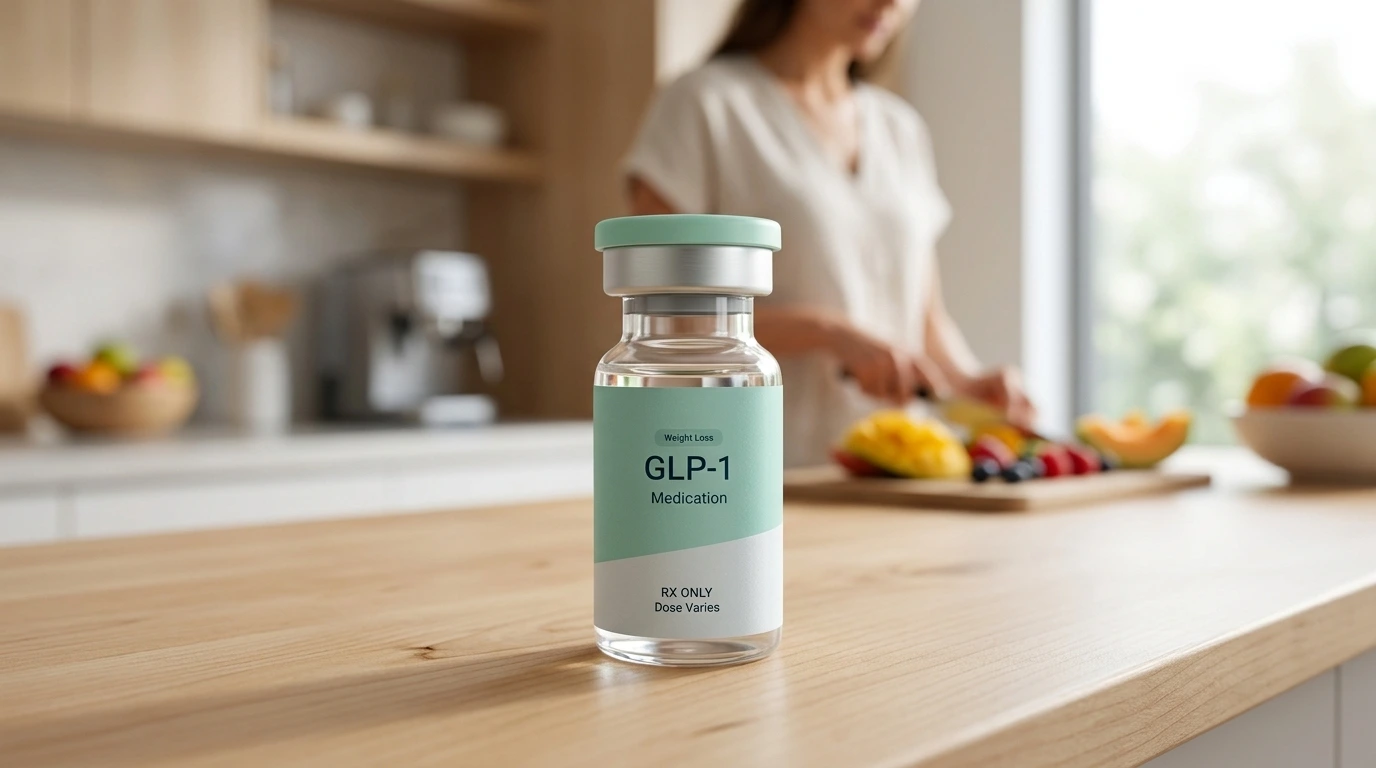
Starting a journey with a GLP-1 medication involves many new routines, from learning how to administer an injection to managing your weekly schedule. One of the most common questions individuals have when they first receive their medication is exactly how long does an ozempic pen last once it has been opened. It is natural to feel a bit protective of your supply, especially given the global interest in these treatments and the logistical effort required to stay consistent. Whether you are currently using a branded pen or are considering a personalized program through TrimRx, understanding the timeline of your medication is essential for both safety and effectiveness. If you are considering a supervised GLP-1 program, you can complete a free eligibility assessment. This article covers the specifics of pen lifespans, the “56-day rule,” proper storage techniques, and how to maximize the value of your treatment.
Understanding the Lifespan of an Ozempic Pen
The lifespan of an Ozempic® pen is determined by two main factors: the physical amount of medication in the pen and the chemical stability of the medication after the pen has been used for the first time. Semaglutide, the active ingredient in Ozempic, is a peptide. Peptides are essentially short chains of amino acids that can be sensitive to environmental changes.
When people ask how long a pen lasts, they are usually looking for one of two answers. First, they want to know how many doses they can get out of one pen. Second, they want to know the “use-by” date after the first injection. We must distinguish between these because a pen might physically have medication left in it, but it may no longer be safe or effective to use after a certain number of days. For another breakdown of pen lifespan and storage, review this guide to how long an Ozempic pen lasts.
Quick Answer: Once a pen is in use, it lasts for exactly 56 days. Regardless of how much liquid is left in the reservoir, the manufacturer recommends disposing of the pen after this eight-week window to ensure the medication remains stable and free from contamination.
The Difference Between Unopened and In-Use Pens
Storage requirements change significantly once you have clicked the pen for your first dose. Before its first use, the medication is sealed in a sterile environment and protected by preservatives.
Unopened Pens
An unopened pen should be stored in the refrigerator between 36°F and 46°F. If kept at this temperature, the pen is good until the expiration date printed on the side of the device. These expiration dates are usually quite long—often a year or more from the time of purchase. You should always check this date before you leave the pharmacy or when your shipment arrives.
In-Use Pens
Once you have administered your first dose, the clock starts. The “in-use” period begins the moment the seal is punctured or the first dose is dialed and delivered. From that moment, the medication is exposed to a small amount of oxygen and potential temperature fluctuations. An opened pen can be kept at room temperature (up to 86°F) or in the refrigerator for up to 56 days. For additional guidance, see this Ozempic storage and handling guide.
Calculating Doses: How Long Each Pen Size Lasts
Ozempic comes in several different pen configurations. Each is color-coded to help patients and providers identify the correct strength. The length of time the pen physically lasts depends on the dose your healthcare provider has prescribed.
The 2mg Pen (Red Label)
This is typically the “starter” pen. It contains a total of 2mg of semaglutide in a 1.5ml volume.
- For beginners: If you are starting at the standard 0.25mg dose, you will take that for four weeks. This uses 1mg of the pen. If you then move up to 0.5mg for the next two weeks, you will have used the remaining 1mg. In this common scenario, the pen lasts exactly six weeks.
- For 0.5mg maintenance: If your provider keeps you at 0.5mg, the pen will last for four doses, or four weeks. This 2mg Ozempic pen guide provides another look at starter-pen dosing.
The 4mg Pen (Blue Label)
This pen is designed for those who have moved up to a 1.0mg weekly dose. It contains 4mg of medication in a 3ml volume.
- At a 1.0mg dose: This pen will last for four weeks.
- Note: Some patients may be prescribed lower doses using this pen, but it is primarily intended for the 1.0mg maintenance level.
The 8mg Pen (Gold Label)
This is the highest-capacity pen, containing 8mg of semaglutide.
- At a 2.0mg dose: This pen provides four weeks of treatment.
| Pen Label Color | Total Medication | Typical Dose | Approximate Duration |
|---|---|---|---|
| Red | 2 mg | 0.25 mg or 0.5 mg | 4 to 6 weeks |
| Blue | 4 mg | 1.0 mg | 4 weeks |
| Gold | 8 mg | 2.0 mg | 4 weeks |
The 56-Day Rule Explained
You may notice that some pens, like the 2mg red-label pen used at the starting dose, might still have liquid inside after you have finished your first month. It is incredibly tempting to keep using that liquid to extend your supply. However, the 56-day rule is a strict safety standard.
Why does it expire in 56 days?
Semaglutide is formulated with specific preservatives (phenol and metacresol) that keep the liquid sterile. These preservatives lose their effectiveness over time once the pen is in use. Additionally, the molecular structure of the peptide can begin to break down. If the molecule changes shape, it may not bind correctly to your GLP-1 receptors, meaning you won’t get the appetite suppression or metabolic benefits you expect. You can also review this Ozempic pen expiration and storage guide.
Key Takeaway: Never use a pen beyond the 56-day mark, even if there is visible medication remaining. The risk of bacterial contamination or reduced potency outweighs any benefit of trying to save the medication.
Proper Storage Conditions for Semaglutide
To ensure your medication lasts as long as it should, proper storage is non-negotiable. Semaglutide is sensitive to both extreme cold and extreme heat.
- Avoid the Freezer: Never store your medication in the freezer. If a pen accidentally freezes, it must be discarded. Freezing destroys the protein structure of semaglutide, making it completely ineffective.
- Keep it Cool, Not Cold (After Opening): While you can keep an opened pen in the fridge, many people find that “cold” injections are slightly more uncomfortable. You can safely keep your in-use pen on a nightstand or in a drawer, provided the room stays below 86°F.
- Light Sensitivity: The medication should be kept in its original pen with the cap on. Light can cause the medication to degrade faster than intended.
- Travel Tips: if you are traveling, use a small insulated travel case. Do not leave your medication in a car, even in the glove box, as temperatures can quickly exceed the safe 86°F threshold.
Identifying Expired or Degraded Medication
Even if you are within the 56-day window, you should inspect your pen before every single injection. This only takes a few seconds but is a vital safety check.
Step 1: Check the Color. The liquid inside the pen reservoir should be completely clear and colorless. It should look exactly like water.
Step 2: Check the Clarity. There should be no particles, “floaties,” or cloudiness. If the liquid looks milky or has sediment at the bottom, do not use it.
Step 3: Verify the Date. Check the expiration date on the label and the “date opened” that you should ideally write on the box.
If you notice any changes in the appearance of the liquid, contact your healthcare provider or pharmacist immediately. Using degraded medication could result in an injection site reaction or simply a week where your symptoms and hunger are not managed.
How TrimRx Supports Your Journey
Navigating the logistics of branded medications can be stressful, especially with frequent pharmacy shortages and the high demand for Ozempic®. We understand that consistency is the most important factor in seeing long-term results.
At TrimRx, we take a telehealth-first approach to metabolic health. We connect our members with licensed healthcare providers who can evaluate your health history and goals through a personalized assessment. Because we know that branded pen availability can be unpredictable, we offer access to Compounded Semaglutide and Compounded Tirzepatide.
These compounded medications are prepared and shipped by FDA-registered, inspected compounding pharmacies. While compounded medications are not FDA-approved, they provide a vital alternative when branded supplies are scarce. Our programs are designed to be transparent, meaning you have access to specialized support 24/7 to answer questions about storage, dosing, or side effects. This personalized approach ensures you are never left guessing how to manage your treatment. If you want to discuss whether a personalized program may fit your goals, you can take the free assessment quiz.
Maximizing the Effectiveness of Your Medication
The goal of using semaglutide is to support sustainable weight loss and metabolic health. However, the medication is only one piece of the puzzle. To make sure you get the most out of every dose in your pen, consider how you are supporting your body’s natural pathways.
Nutrient Support
Many people find that their appetite decreases significantly, which can make it hard to get enough essential nutrients. We offer quick-access supplements like GLP-1 Daily Support to help bridge the gap. These supplements are designed to provide the micronutrients your body needs while your caloric intake is lower.
Managing Side Effects
If you find that your medication is “lasting” in terms of days, but you are struggling with nausea or fatigue, it is important to communicate with your provider. At TrimRx, we encourage regular check-ins to adjust your plan. Sometimes, a slower titration (increasing the dose more gradually) can help your body adjust while still moving toward your goals.
Bottom line: A pen’s lifespan is a combination of volume and chemistry. By following the 56-day rule and keeping your storage consistent, you ensure that every dose is as effective as the first.
The Role of Compounded Alternatives
When discussing how long a pen lasts, it is also helpful to understand how other formats work. Branded pens are convenient “all-in-one” devices, but they are not the only way to receive semaglutide.
Compounded semaglutide often arrives in a multi-dose vial. In this format, you use a fresh, sterile syringe for every dose. The storage rules are very similar—vials should be kept refrigerated and typically have a specific “beyond-use date” (BUD) assigned by the compounding pharmacy. For many, the vial-and-syringe method offers more flexibility in dosing and avoids the mechanical issues that can sometimes occur with complex pen devices.
When to Contact a Healthcare Professional
While this guide provides general parameters, your specific medical situation may require different advice. You should always consult with a qualified healthcare professional if:
- You accidentally skip a dose and aren’t sure when to restart.
- Your pen was left in a hot environment for an unknown amount of time.
- You experience severe side effects that make it difficult to continue.
- You have questions about how semaglutide interacts with your other medications.
A telehealth provider, like those you can access through the TrimRx platform, can provide real-time guidance tailored to your health profile.
Taking the Next Step in Your Health Journey
Understanding the technical side of your medication—like how long a pen lasts—empowers you to take control of your health. It removes the “guesswork” and replaces it with a clear, actionable plan. Sustainable weight loss is rarely about a single “quick fix.” It is about the cumulative effect of small, consistent choices, supported by modern science and medical expertise.
At TrimRx, our mission is to make this process as clear and accessible as possible. We provide the tools, the technology, and the clinical oversight to help you navigate the complexities of GLP-1 treatments with confidence. Whether you are curious about the differences between semaglutide and tirzepatide or you are ready to start a fully supervised program, complete a free assessment quiz to take the next step.
FAQ
Does Ozempic have to be refrigerated after the first use?
While it is recommended to keep unopened pens in the refrigerator to maintain their lifespan until the expiration date, an “in-use” pen can stay at room temperature for up to 56 days. As long as the environment stays below 86°F, the medication will remain stable. Many patients actually prefer room-temperature injections as they can be more comfortable than cold ones. For more details, review this guide to storing an opened Ozempic pen.
Can I use the leftover liquid in my Ozempic pen after 56 days?
No, you should not use any medication remaining in the pen once the 56-day window has passed. After this time, the preservatives in the liquid may no longer prevent bacterial growth, and the semaglutide molecule itself can begin to break down. Using expired medication can be less effective and poses a higher risk of infection or irritation at the injection site.
What should I do if my Ozempic pen gets too hot?
If your pen is exposed to temperatures above 86°F, such as being left in a hot car or in direct sunlight, the medication may degrade rapidly. In these cases, it is safest to discard the pen and start a new one. Degraded semaglutide may appear cloudy or discolored, but even if it looks clear, high heat can neutralize its biological activity. If you need individualized guidance about your medication, see if you qualify for a personalized program.
How many doses are in a 2.0 mg Ozempic pen?
The number of doses depends on your specific prescription. If you are on the 0.25 mg starting dose, the pen contains 8 doses (though most patients move up to 0.5 mg after four weeks). If you are on a 0.5 mg dose, the 2.0 mg pen will provide exactly 4 doses. Always follow the specific dosing schedule provided by your healthcare professional.
Disclaimer: This content is for informational purposes only and does not constitute medical advice. It is not intended to diagnose, treat, cure, or prevent any disease or condition. Individual results may vary. Always consult a qualified healthcare professional before starting any weight loss program or medication.

Transforming Lives, One Step at a Time
Keep reading
Starting a New Job With No Insurance While on Ozempic
The problem is usually a waiting period rather than a permanent loss, and waiting periods are plannable in a way that job loss is…

Does Collagen Help With Loose Skin on Ozempic?
Probably not for the thing you are hoping it will fix, and it is unlikely to do harm. Collagen supplements have been studied mainly…

Does Apple Cider Vinegar Do Anything on Ozempic?
Not much that you are not already getting, and there is a specific reason to be careful with it on this medication. The main…


