Can You Take Turmeric With Semaglutide?
Introduction
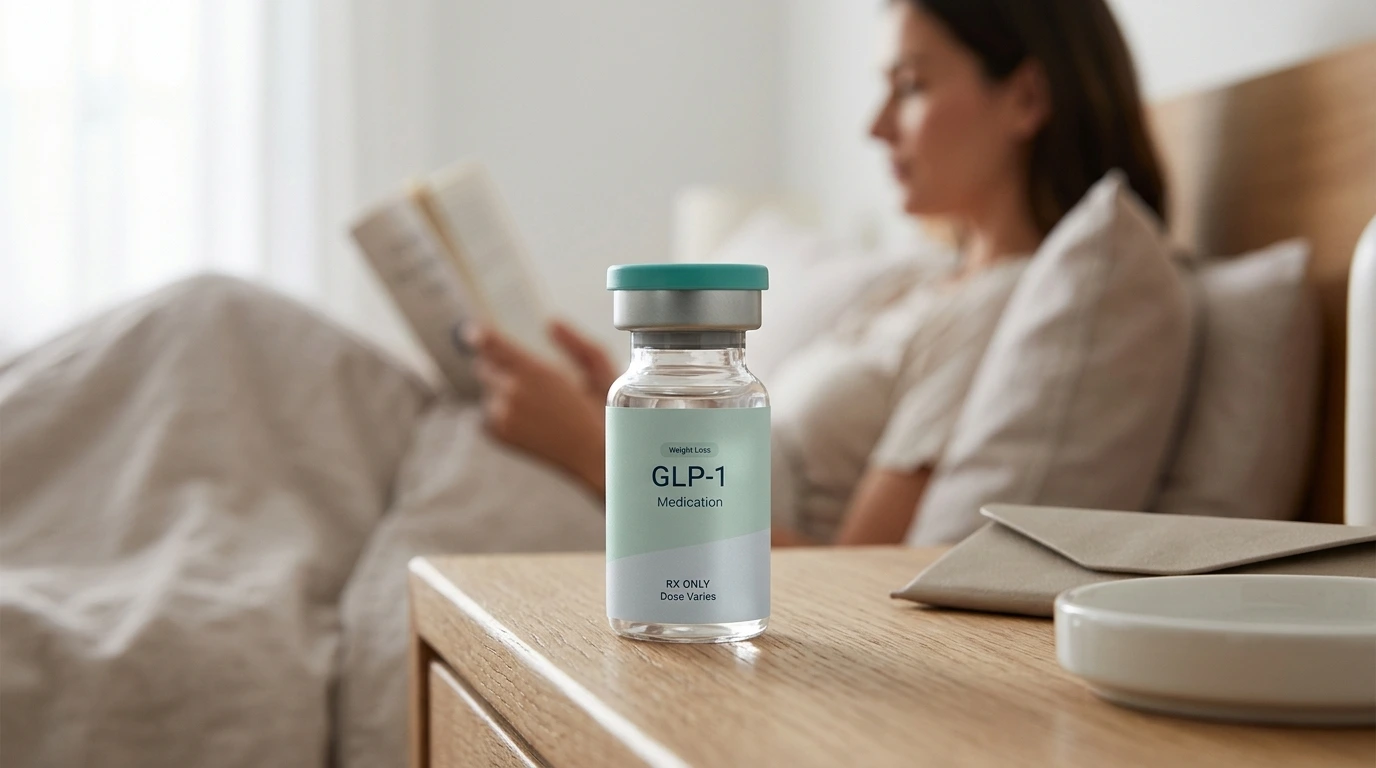
Many of us look for every possible tool to support our health when starting a weight loss journey. You might already have a bottle of turmeric in your cabinet, known for its vibrant color and anti-inflammatory reputation. However, when you introduce a powerful medication like semaglutide, the rules for supplements can change. At TrimRx, we believe that understanding how your prescriptions and natural supplements work together is essential for both safety and success. If you are still figuring out whether prescription GLP-1 treatment is the right fit, it may help to complete the free assessment quiz before making any supplement changes. While turmeric is a common household spice, its concentrated form—curcumin—can have significant effects on your metabolism. This post covers the potential interactions, safety considerations, and the importance of professional guidance when combining these two substances. The short answer is that while it may be possible for some, there are specific risks regarding blood sugar and liver health that require a cautious approach.
Understanding the Relationship Between Semaglutide and Turmeric
To understand if you can combine these two, we first have to look at what they do individually. Semaglutide is a GLP-1 receptor agonist, a type of medication that mimics a natural hormone in your body called glucagon-like peptide-1. If you want a deeper overview of how these medications work, this GLP-1 medication guide is a helpful place to start. This hormone targets areas of the brain that regulate appetite and food intake. It also slows down how quickly your stomach empties, helping you feel full for longer periods.
Turmeric, specifically its active compound curcumin, is often taken for its antioxidant and anti-inflammatory properties. Many people use it to support joint health or metabolic function. However, curcumin is not biologically inert; it is a bioactive substance that can influence how your body processes sugar and how your liver metabolizes certain compounds.
Quick Answer: You can often take turmeric with semaglutide, but it must be done under medical supervision. The primary concern is that both substances can lower blood sugar, which may lead to hypoglycemia (critically low blood sugar) if the combined effect is too strong.
Blood Sugar Management: The Hypoglycemia Risk
The most significant interaction between these two involves your blood glucose levels. Semaglutide is highly effective at managing blood sugar because it stimulates insulin release when glucose levels are high and reduces the amount of sugar your liver produces. If you are trying to understand whether you qualify for prescription treatment, the free assessment quiz is the natural next step.
Curcumin has also been shown in several small studies to reduce blood glucose levels and improve insulin sensitivity. When you take them together, they may have an “additive effect.” This means the two substances work in the same direction, potentially pushing your blood sugar lower than intended. This condition is known as hypoglycemia.
Signs of low blood sugar to watch for include:
- Dizziness or lightheadedness
- Sudden shakiness or tremors
- Unexplained sweating or chills
- Increased heart rate (tachycardia)
- Confusion or irritability
- Sudden, intense hunger
Important: If you are taking semaglutide along with other antidiabetic medications, the risk of hypoglycemia when adding turmeric is significantly higher. You should never start a new supplement regimen without discussing it with a healthcare provider who can monitor your labs and adjust your program if necessary.
Liver Health and High-Dose Supplementation
While turmeric is generally considered safe when used as a spice in cooking, the high-dose supplements found in health stores are much more potent. Recent clinical reports have raised questions about “turmeric-induced liver injury,” particularly when combined with other medications that affect metabolism.
A specific concern involves the use of “bioavailability boosters” like piperine (black pepper extract). Curcumin is notoriously difficult for the body to absorb. To fix this, many supplement manufacturers add piperine, which can increase curcumin absorption by up to 2,000%. However, this also increases the load on the liver. If you want a broader look at prescription-based support options, How Can I Get Semaglutide for Weight Loss? explains the process in more detail.
There have been rare instances where individuals using both semaglutide and high-dose turmeric supplements experienced elevated liver enzymes or jaundice. This does not mean everyone will have this reaction, but it highlights why a personalized approach is necessary. For an individual with a history of liver sensitivity or those taking multiple medications, the combination might create unnecessary stress on the organ.
Digestion and Absorption: What You Should Know
Both semaglutide and turmeric affect your digestive system, but in different ways. This can lead to a “double-up” on certain side effects or change how well your body absorbs your medication.
Delayed Gastric Emptying
Semaglutide works partly by slowing down the rate at which food leaves your stomach. This is great for feeling full, but it means that anything else you swallow—including a turmeric capsule—will sit in your stomach for longer. This can lead to increased nausea or gastric irritation, as turmeric is known to be somewhat spicy and acidic.
Enzyme Inhibition
Curcumin has been shown to inhibit certain enzymes in the liver, specifically the cytochrome P450 family. These enzymes are responsible for breaking down many drugs. If these enzymes are inhibited, the levels of certain medications in your bloodstream could stay higher for longer, increasing the risk of side effects. While the research on exactly how this affects GLP-1 medications is still evolving, it suggests that caution is the best policy.
| Feature | Semaglutide | Turmeric (Curcumin) |
|---|---|---|
| Primary Use | Weight management & blood sugar | Anti-inflammatory & antioxidant |
| Effect on Blood Sugar | Lowers (by stimulating insulin) | Lowers (by improving sensitivity) |
| Effect on Digestion | Slows stomach emptying | Can cause mild irritation |
| Metabolism | Processed through various pathways | Can inhibit P450 enzymes |
Practical Tips for Safe Supplementation
If you and your healthcare provider decide that continuing turmeric is appropriate for you while on a weight loss program, there are ways to minimize your risk. If you are just getting started and want a medically supervised path forward, take the free assessment quiz to see what may fit your goals.
Step 1: Disclose everything. Make sure your provider knows the exact dosage and brand of turmeric you are using. Not all supplements are created equal, and the concentration of curcumin varies widely between products.
Step 2: Monitor your body. Keep a log of how you feel, especially in the two hours following your dose of semaglutide or your supplement. If you notice increased nausea or signs of low blood sugar, stop the supplement and contact your team.
Step 3: Timing matters. Avoid taking your supplements at the exact same time as your medication. For oral versions of medications like Rybelsus®, it is usually recommended to take the medication on an empty stomach and wait at least 30 minutes before taking anything else, including water or supplements.
Step 4: Start low and go slow. If you are already on a GLP-1 and want to start turmeric, start with a very low dose. This allows you to see how your body reacts before committing to a high-potency extract.
Key Takeaway: The “natural” label on turmeric does not mean it is free of interactions. Because both semaglutide and turmeric influence metabolic pathways, they must be managed together to avoid issues like hypoglycemia or digestive distress.
Common Alternatives for Inflammation and Support
If you are concerned about the interactions of turmeric, there are other ways to support your body during weight loss. Many people seek out turmeric for its anti-inflammatory benefits, but these can also be achieved through lifestyle and more targeted supplementation.
At TrimRx, we offer specialized options like GLP-1 Daily Support. This is designed specifically for individuals on a GLP-1 journey, focusing on providing the right balance of nutrients without the high-potency risks associated with some herbal extracts. Our Weight Loss Boost can also provide metabolic support through a carefully formulated blend that complements your primary treatment.
Myth: Natural supplements are always safer than prescription medications. Fact: Bioactive supplements like turmeric can have drug-like effects on the body. They can interact with prescriptions, change how they are absorbed, or increase the risk of side effects like low blood sugar.
Personalized Care: Why Medical Supervision Matters
Weight loss is not a one-size-fits-all process. What works for one person might cause side effects for another. This is why the telehealth-first approach at TrimRx is so valuable. We connect you with licensed providers who look at your entire health profile—including your current supplements—to create a plan that is safe for you.
When you use a personalized program, you aren’t just getting a prescription; you are getting a team that can help you navigate these confusing questions. If you want to compare broader medication education before starting, What Is GLP-1 Support and How Can It Transform Your Weight Loss Journey? offers a useful overview. Whether you are curious about Compounded Semaglutide or are currently using a branded medication like Wegovy® or Ozempic®, having access to specialists means you never have to guess about your safety.
Conclusion
The journey toward a healthier weight involves many moving parts. While turmeric is a celebrated natural remedy, its interaction with semaglutide is complex. The potential for additive effects on blood sugar and the risk of liver strain mean that you should always consult with a professional before mixing the two. Our goal is to help you achieve sustainable results while keeping your safety as the top priority.
By choosing a supervised program, you ensure that every part of your regimen—from your primary medication to your daily vitamins—is working in harmony. If you are ready to start a plan that is tailored to your unique needs, the best first step is to see if you qualify through the free assessment quiz. This allows a provider to review your history and help you decide the best path forward for your metabolic health.
Bottom line: Taking turmeric with semaglutide requires caution due to the risk of low blood sugar and potential liver stress. Always speak with your healthcare provider to ensure your supplement routine supports, rather than hinders, your weight loss progress.
FAQ
Is it safe to take turmeric with Ozempic® or Wegovy®?
Because these branded medications contain semaglutide, the same risks apply. Turmeric may lower your blood sugar further than intended, so you should only combine them under the guidance of a healthcare professional who can monitor your glucose levels. If you are still deciding whether treatment is right for you, the assessment quiz can help you get started.
Can turmeric help with the side effects of semaglutide?
Some people use turmeric to help with inflammation or joint pain, which may occur as your body changes during weight loss. However, turmeric can also cause stomach upset or nausea, which are already common side effects of GLP-1 medications, so it might actually make digestive discomfort worse for some individuals. For nutrient-focused support designed around GLP-1 treatment, GLP-1 Daily Support may be a better fit.
What is the best time of day to take turmeric if I am on semaglutide?
If your provider clears you to take both, it is generally best to separate them. If you take an oral medication, wait at least 30 to 60 minutes after your medication before taking any supplements to ensure proper absorption.
Should I stop taking my turmeric supplement before starting a TrimRx program?
It is best to pause any high-potency supplements until you have completed your initial consultation. During the free assessment quiz and subsequent provider review, you can list your current supplements so your medical team can give you specific, safe instructions on how to proceed. If you are looking for general energy and metabolic support during weight loss, Weight Loss Boost is another option to review.
Disclaimer: This content is for informational purposes only and does not constitute medical advice. It is not intended to diagnose, treat, cure, or prevent any disease or condition. Individual results may vary. Always consult a qualified healthcare professional before starting any weight loss program or medication.

Transforming Lives, One Step at a Time
Keep reading

How to Dispose of Semaglutide Needles Without a Sharps Container
Use a rigid, puncture-resistant plastic container with a tight screw-on lid as an interim measure. A heavy-duty laundry detergent bottle or a hard plastic…
How to Travel With Semaglutide Without a Cooler
Start by finding out what your specific product actually requires, because many people pack a cooler they do not need and some people skip…

Can You Split a Weekly Semaglutide Dose Into Two Injections?
No, and this is not a case where the cautious answer differs from the practical one. Semaglutide is studied, approved, and supplied as a…


