What Happens if a Skinny Person Takes Semaglutide
Introduction
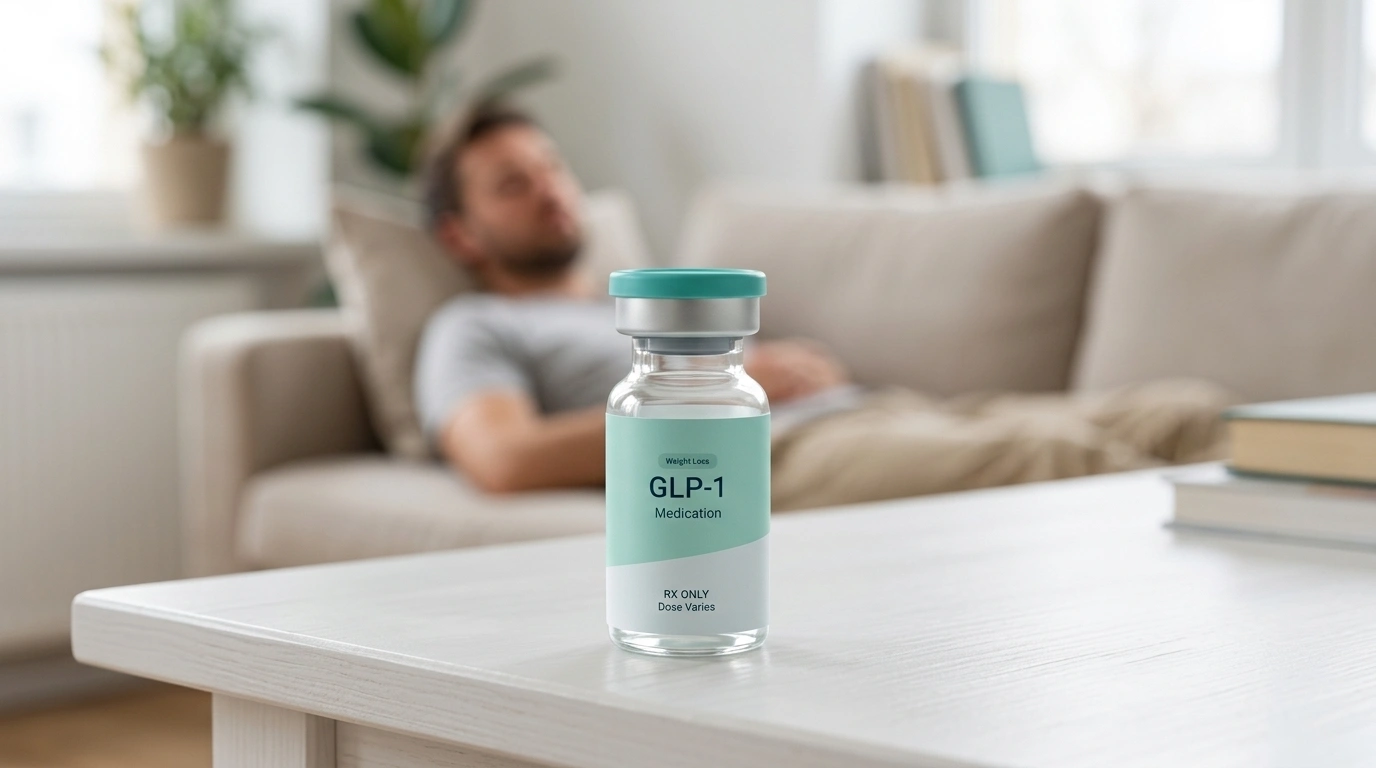
In the current landscape of health and wellness, it is nearly impossible to avoid the buzz surrounding GLP-1 medications. You have likely seen the headlines, social media posts, and celebrity endorsements praising these treatments for their weight-management capabilities. However, as these medications grow in popularity, a concerning trend has emerged: individuals who do not meet the clinical criteria for weight loss treatment—those often referred to in popular culture as “skinny”—seeking out these prescriptions for cosmetic purposes. At TrimRx, we believe that education and safety are the foundations of any successful health journey. While these medications are highly effective for those with a medical need, taking them without meeting specific health criteria can lead to serious physical and psychological complications. This article explores the physiological impact, potential side effects, and health risks associated with using semaglutide when it is not medically indicated.
For additional background, read this overview of what semaglutide is and how it works.
How Semaglutide Interacts With the Human Body
To understand why taking semaglutide can be risky for someone without a high Body Mass Index (BMI), we must first understand how it works. Semaglutide is a GLP-1 receptor agonist, a class of medication that mimics a naturally occurring hormone called glucagon-like peptide-1 (GLP-1). This hormone is primarily produced in the gut and released after you eat.
When you take semaglutide, it targets the receptors in the body that control appetite and blood sugar. In the brain, it signals a feeling of fullness, which helps reduce overall calorie intake. In the digestive system, it slows down gastric emptying—the process of food moving from the stomach into the small intestine. This is why many people report feeling “full” for much longer than usual.
For an individual with a BMI over 30 or a BMI over 27 with weight-related health conditions, these effects help correct metabolic imbalances. However, for an individual who is already at a healthy or low weight, the body’s natural metabolic signals are already functioning as they should. Disrupting these signals with a potent medication can lead to a cascade of unintended consequences.
Key Takeaway: Semaglutide works by mimicking natural hormones to suppress appetite and slow digestion. While helpful for clinical obesity, this hormonal intervention can significantly disrupt the equilibrium of a person with a normal BMI.
The Metabolic Risk: Hypoglycemia and Blood Sugar
One of the primary functions of semaglutide is to stimulate the release of insulin when blood sugar levels are rising. This is why the medication was originally developed to treat Type 2 diabetes. In individuals with insulin resistance or diabetes, this helps bring blood sugar levels back to a healthy range.
If a person with a normal or low BMI takes semaglutide, their body likely already manages insulin and glucose efficiently. Introducing a GLP-1 receptor agonist can cause the body to produce too much insulin or suppress glucose production too effectively. This leads to a condition called hypoglycemia, or dangerously low blood sugar.
Symptoms of hypoglycemia include:
- Dizziness and lightheadedness
- Severe fatigue or lethargy
- Confusion and irritability
- Shakiness or tremors
- In severe cases, loss of consciousness or seizures
Note: If you have a normal BMI and experience symptoms of low blood sugar while taking a GLP-1 medication, you should consult a healthcare provider immediately.
Nutritional Deficiencies and the Danger of Malnutrition
Because semaglutide is so effective at suppressing appetite, it can make it difficult for an individual to consume enough calories to meet their basic metabolic needs. For someone who is already lean, the margin for error is much smaller than for someone with significant fat stores.
When calorie intake drops significantly, the body may enter a state of malnutrition. This is not just about feeling hungry; it is about the body lacking the essential vitamins, minerals, and macronutrients required to function. Research suggests that misusing these medications can lead to “starvation ketoacidosis,” a life-threatening condition where the body produces excess ketones because it does not have enough glucose to burn for energy.
For a person without excess weight to lose, the body will quickly begin to break down essential tissues to keep the heart and brain functioning. This leads to a loss of bone density, a weakened immune system, and significant electrolyte imbalances. Electrolytes like potassium, sodium, and calcium are vital for heart rhythm and muscle function; when they are out of balance, the risk of cardiac events increases.
Muscle Wasting vs. Fat Loss
There is a critical distinction between weight loss and fat loss. When a person with a high BMI loses weight on a supervised program, the goal is to lose adipose tissue (fat) while preserving lean muscle mass. This is usually achieved through a combination of medication, high protein intake, and resistance training.
However, when a “skinny” person takes semaglutide, the body often prioritizes the breakdown of muscle tissue over fat. This is because muscle is metabolically expensive to maintain. If the body thinks it is starving due to extreme appetite suppression, it will shed muscle to conserve energy.
For more information, explore this guide to preserving lean mass during GLP-1 weight loss.
This can result in a condition often referred to as “skinny fat,” where an individual has a low body weight but a high percentage of body fat and very little muscle. This is medically known as sarcopenic obesity, and it is associated with:
- Decreased metabolic rate (making it easier to gain weight in the future)
- Physical weakness and increased risk of injury
- Poor posture and balance
- Reduced bone health
Myth: Taking semaglutide will just help me lose those “last five pounds” of fat quickly.
Fact: Without a clinical need for the drug, you are more likely to lose vital muscle mass and bone density than targeted fat, which can harm your long-term metabolism.
Gastrointestinal Distress and Dehydration
The most common side effects of semaglutide—such as nausea, vomiting, and diarrhea—can be particularly dangerous for someone with a low body weight. These symptoms often occur because the medication slows down the digestive tract significantly.
For a person with a higher body mass, a period of nausea or reduced intake might be manageable under medical supervision. For a smaller individual, frequent vomiting or diarrhea can lead to rapid and severe dehydration. Dehydration isn’t just about being thirsty; it puts immense strain on the kidneys.
There have been documented cases where the misuse of GLP-1 medications led to acute kidney injury due to the combination of low fluid intake and excessive fluid loss through GI side effects. Furthermore, the risk of pancreatitis (inflammation of the pancreas) is a serious, though rare, side effect that remains a concern for anyone using these medications, particularly those using them without a prescription or proper oversight.
Review this guide to common semaglutide side effects for more information about digestive symptoms and hydration concerns.
The “Ozempic Face” and Aesthetic Consequences
The phrase “Ozempic face” has become a popular term to describe the rapid loss of facial fat that some people experience while taking GLP-1 medications. While this can happen to anyone who loses a large amount of weight quickly, it is especially pronounced in individuals who start at a lower weight.
Facial fat provides volume and a youthful appearance. When this fat is lost rapidly, the skin can appear saggy, hollowed, and significantly aged. For someone who is already lean, losing even a small amount of facial fat can have a dramatic impact on their appearance. This often leads to a cycle where the individual seeks out cosmetic fillers or other procedures to “fix” the results of a medication they didn’t need in the first place.
Psychological Impacts and Disordered Eating
Beyond the physical risks, there is a significant psychological component to the misuse of semaglutide. For individuals who do not meet the clinical criteria for obesity but are still seeking weight loss medications, there may be underlying issues related to body image or disordered eating.
Using a powerful prescription drug to achieve an “impossible” or sub-clinical weight can reinforce harmful behaviors. It can lead to:
- Body Dysmorphia: A distorted view of one’s own body size or shape.
- Dependency: Feeling that one cannot maintain their weight without the help of a drug.
- Triggering Eating Disorders: For those with a history of anorexia or bulimia, the appetite-suppressing effects of semaglutide can be incredibly dangerous, providing a “tool” to further restrict intake.
At our platform, we emphasize that health is about more than just a number on the scale. True wellness involves a healthy relationship with food and a realistic view of body image.
Key Takeaway: The misuse of weight loss medication for cosmetic reasons often masks deeper psychological struggles with body image and can lead to a dangerous cycle of disordered eating.
The Risks of Unregulated or “Black Market” Medications
Because of the high demand and occasional shortages of branded medications like Wegovy® and Ozempic®, some individuals turn to unregulated sources. This is extremely dangerous. Buying semaglutide from social media dealers or “med spas” that do not require a doctor’s consultation or lab work is a massive risk to your health.
Unregulated versions of these drugs may be counterfeit, contaminated, or improperly dosed. There have been reports of people being hospitalized after taking what they thought was semaglutide, only to find out it was a different substance entirely or was ten times the recommended dose.
When you work with a reputable platform, you ensure that you are receiving high-quality medication. We connect patients with licensed providers who use FDA-registered, inspected compounding pharmacies. This ensures that the medication is prepared under strict safety standards.
Clinical Eligibility: Who Is Semaglutide Actually For?
The FDA and medical community have established clear guidelines for who should use semaglutide for weight management. These guidelines are designed to ensure that the benefits of the medication outweigh the potential risks.
Generally, an individual is a candidate for a weight loss program involving GLP-1s if they meet one of the following:
- BMI of 30 or greater: This is the clinical definition of obesity.
- BMI of 27 or greater with a comorbidity: This includes weight-related issues like high blood pressure, Type 2 diabetes, or high cholesterol.
If you do not meet these criteria, a licensed healthcare provider will likely not prescribe these medications. This is not to be “difficult,” but rather to protect you from the metabolic and physical damage that can occur when these drugs are used by those who do not need them.
For more details about the evaluation process, review this guide to qualifying for an online GLP-1 prescription.
Why Your BMI Matters
The body’s response to semaglutide is dose-dependent and weight-dependent. The clinical trials that proved the safety and efficacy of Wegovy® and Ozempic® were conducted on people with elevated BMIs. We simply do not have long-term data on the safety of these drugs for people who are already thin.
Bottom line: Medical guidelines exist for a reason. Taking a metabolic medication when your metabolism is already healthy can cause more harm than good.
The Importance of Medical Supervision and Personalization
Weight loss is not a one-size-fits-all process. This is why we focus on personalized programs. When you go through our process, the first step is always a free assessment quiz. This helps determine if you are a candidate based on your medical history, current weight, and health goals.
If a person who is already thin tries to bypass this process, they miss out on the vital monitoring that makes these programs safe. A doctor’s role is to:
- Check blood work for underlying issues.
- Ensure the dosage is appropriate.
- Monitor for side effects like gallbladder issues or thyroid concerns.
- Provide guidance on nutrition to prevent muscle loss.
Without this supervision, you are essentially performing a high-stakes experiment on your own endocrine system. Our team at us is dedicated to ensuring that every person who starts a program is doing so safely and with the right support.
Step-by-Step: How to Determine if a Weight Loss Program Is Right for You
If you are curious about GLP-1 medications, the best path is the one that prioritizes your safety.
- Step 1: Take the free assessment quiz. This initial screening evaluates your BMI and health history to see if you meet the clinical requirements for a prescription.
- Step 2: Consult with a licensed provider. If eligible, you will have a telehealth consultation to discuss your goals and any concerns.
- Step 3: Undergo necessary lab work. This ensures your kidneys, liver, and thyroid are healthy enough for the medication.
- Step 4: Receive a personalized plan. This includes the appropriate medication (if prescribed) and guidance on diet and lifestyle to ensure you lose fat, not muscle.
- Step 5: Ongoing Monitoring. You should have access to a care team to adjust your dosage and manage side effects as you progress.
You can complete a free eligibility assessment before discussing treatment options with a licensed provider.
Conclusion
The desire to reach a certain aesthetic goal is understandable, but your health should never be the price you pay. Taking semaglutide when you are already “skinny” or have a normal BMI carries significant risks, ranging from dangerously low blood sugar and muscle wasting to severe dehydration and psychological distress. These medications are powerful medical tools designed to treat chronic metabolic conditions, not quick fixes for cosmetic weight loss.
At TrimRx, our mission is to help individuals embrace a healthier lifestyle through science-backed, personalized programs. We believe in transparency and safety above all else. If you are struggling with your weight and believe you meet the clinical criteria, we are here to support you with a medically supervised program tailored to your needs. However, if you are already at a healthy weight, the best way to maintain your health is through balanced nutrition, regular exercise, and a positive relationship with your body.
If you’re ready to see if you qualify for a personalized, medically supervised weight loss program, the first step is easy. Take our free assessment quiz today to explore your options and start your journey with the support you deserve.
FAQ
Can I take semaglutide if I only want to lose 10 pounds?
If your BMI is already in the normal range, taking semaglutide for minor cosmetic weight loss is generally not recommended and can be dangerous. These medications are intended for chronic weight management in individuals with obesity or weight-related health conditions. A healthcare provider will evaluate your BMI and health history to determine if the medication is appropriate for you.
Will semaglutide cause muscle loss if I am already thin?
Yes, individuals with lower body fat percentages are at a much higher risk of losing lean muscle mass instead of fat when taking GLP-1 medications. Because the drug causes significant calorie restriction, the body may break down muscle tissue for energy, which can negatively impact your strength and long-term metabolic health.
For more context, read about how Wegovy may affect muscle loss.
Is it safe to buy Ozempic® online without a doctor’s visit?
No, it is never safe to purchase prescription weight loss medications without a consultation from a licensed healthcare provider. Medications sold without a prescription are often unregulated, counterfeit, or improperly dosed, posing a severe risk of toxicity or life-threatening side effects.
What are the long-term effects of semaglutide on people with a normal BMI?
There is currently no long-term clinical data on the safety or efficacy of semaglutide for individuals who do not meet the BMI criteria for obesity or overweight. Misusing the medication can potentially lead to permanent metabolic changes, bone density loss, and chronic gastrointestinal issues.
If you are considering treatment, you can see whether you qualify for a personalized program.
Disclaimer: This content is for informational purposes only and does not constitute medical advice. It is not intended to diagnose, treat, cure, or prevent any disease or condition. Individual results may vary. Always consult a qualified healthcare professional before starting any weight loss program or medication.

Transforming Lives, One Step at a Time
Keep reading

Why Did My Alcohol Tolerance Change on Semaglutide?
Two separate things have usually changed, and people tend to notice only one of them. The first is straightforward: you have almost certainly been…
Does Nicotine Affect Semaglutide?
There is no known direct interaction between nicotine and semaglutide, and no reason to think nicotine changes how the medication is absorbed or how…

Why Can’t I Sleep on My Stomach After Injecting Semaglutide?
Because the site is tender and your body weight is pressing directly on it. That is uncomfortable rather than dangerous, and for most people…


