Can You Take Semaglutide While on Testosterone?
Introduction
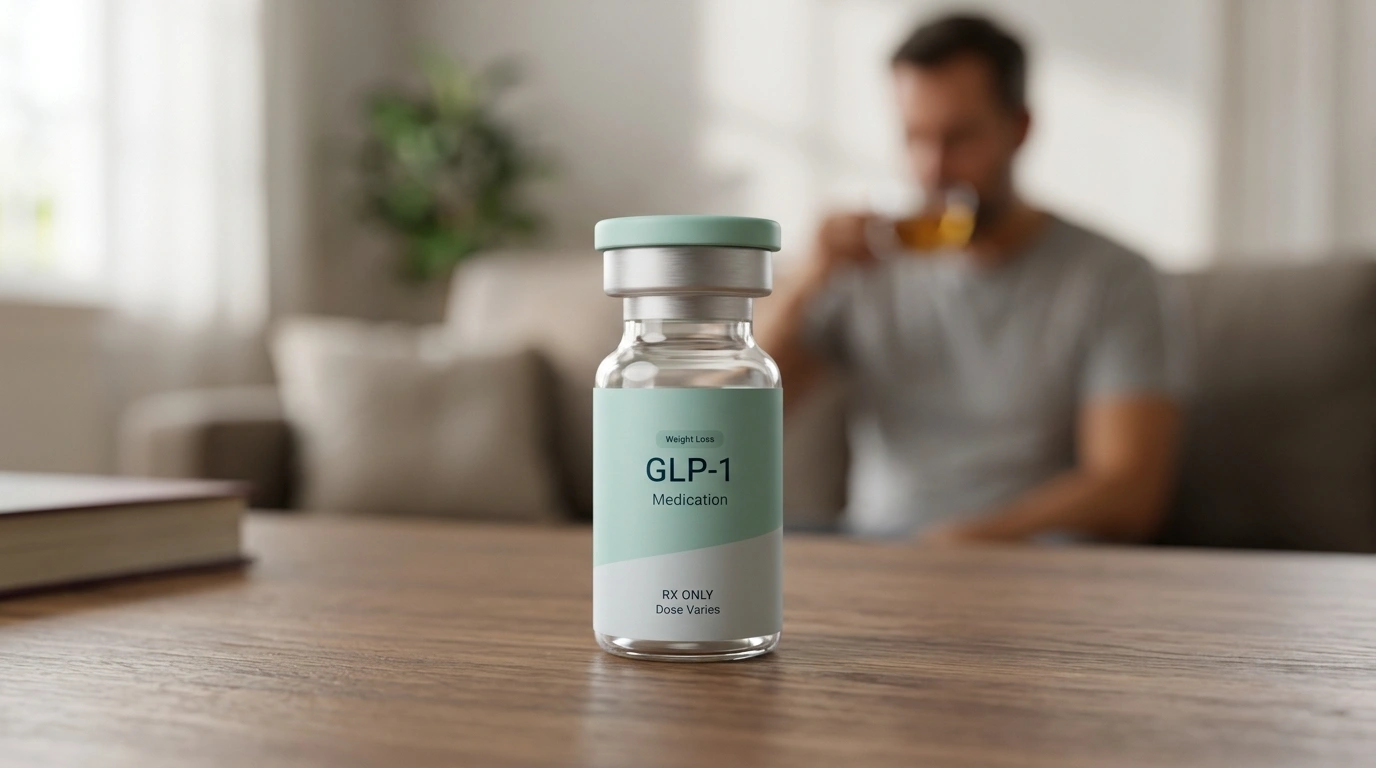
For many men, the journey to better health feels like fighting a war on two fronts. You might be struggling with low energy and reduced muscle mass, while simultaneously finding it nearly impossible to shed stubborn body fat. If you are already using testosterone replacement therapy (TRT) to address hormonal imbalances, you may be wondering if adding a GLP-1 medication like semaglutide is safe or even effective. The frustration of seeing minimal progress despite hitting the gym is real, and it often leads to questions about how these two powerful treatments interact. At TrimRx, we believe in a science-backed, personalized approach to metabolic health that addresses the root causes of weight gain. This post covers the safety, benefits, and physiological interactions of combining semaglutide with testosterone therapy. Combining these treatments can be a highly effective strategy for the right candidates when managed under professional medical supervision.
The Compatibility of Semaglutide and Testosterone
The short answer is yes: you can generally take semaglutide while on testosterone. In the clinical community, these two treatments are increasingly viewed as complementary rather than conflicting. While semaglutide is a GLP-1 (glucagon-like peptide-1) receptor agonist designed to manage blood sugar and reduce appetite, testosterone is a primary androgen responsible for muscle protein synthesis and metabolic rate.
When used together, they target weight loss from different angles. Semaglutide helps reduce the amount of energy you take in by signaling fullness to the brain and slowing digestion. Testosterone helps optimize the way your body uses that energy, favoring muscle maintenance over fat storage. However, because both medications significantly impact your metabolism and hormonal profile, they should only be used together under the guidance of a licensed healthcare provider who can monitor your progress and adjust dosages as needed.
Quick Answer: Yes, semaglutide and testosterone can be taken together under medical supervision. This combination is often used to promote fat loss while preserving lean muscle mass, addressing both metabolic and hormonal barriers to weight loss.
How Semaglutide Works for Weight Loss
To understand the interaction, it helps to first understand what semaglutide actually does in the body. Semaglutide is a medication that mimics a natural hormone called glucagon-like peptide-1 (GLP-1). This hormone is usually released by your gut after you eat.
When you take semaglutide, it interacts with receptors in the brain to increase feelings of satiety (fullness) and decrease hunger. It also slows down “gastric emptying,” which is the process of food leaving your stomach. This means you feel full longer after a smaller meal. Additionally, it helps the pancreas release the right amount of insulin when blood sugar levels are high, which is why it was originally developed for type 2 diabetes.
For weight management, semaglutide essentially “mutes” the constant hunger signals or “food noise” that many people struggle with. This makes it much easier to maintain the calorie deficit required for weight loss without the intense willpower usually associated with traditional dieting.
The Role of Testosterone Replacement Therapy (TRT)
Testosterone is more than just a hormone for libido; it is a critical metabolic regulator. For men with clinically low testosterone levels—a condition often referred to as hypogonadism—the body becomes very efficient at storing fat and very inefficient at building or maintaining muscle.
Low testosterone levels are frequently linked to increased visceral fat (the dangerous fat stored around internal organs) and insulin resistance. TRT works by restoring testosterone to a healthy, physiological range. This restoration can lead to:
- Increased Basal Metabolic Rate: Muscle tissue burns more calories at rest than fat tissue. By supporting muscle growth, testosterone helps your body burn more energy around the clock.
- Improved Insulin Sensitivity: Healthy testosterone levels help the body process glucose more effectively.
- Enhanced Energy and Motivation: Many men on TRT report a significant boost in the “drive” needed to stay consistent with exercise and healthy habits.
Key Takeaway: While semaglutide primarily addresses the “calories in” side of the equation by suppressing appetite, testosterone addresses the “calories out” and “body composition” side by supporting muscle mass and metabolic health.
The Synergistic Benefits of Combined Use
When semaglutide and testosterone are used concurrently, they can create a synergistic effect. This means the result of using both may be greater than the sum of using each individually. We often see that a personalized program that accounts for both hormones and metabolism leads to more sustainable results.
Muscle Preservation and Fat Loss
One of the most significant concerns with rapid weight loss—including weight loss achieved through GLP-1 medications—is the loss of lean muscle mass. When the body is in a significant calorie deficit, it may break down muscle tissue for energy along with fat. Some studies suggest that a substantial percentage of weight lost on GLP-1s can come from muscle if the individual is not careful.
This is where the combination with testosterone becomes particularly valuable. Testosterone is highly anabolic, meaning it promotes the building and maintenance of muscle tissue. By staying on TRT while using semaglutide, an individual may be able to shield their muscle mass from the effects of a calorie deficit. This ensures that the weight lost is primarily fat, resulting in a leaner, stronger physique rather than just a smaller version of the previous self.
Metabolic Health and Insulin Sensitivity
Obesity and low testosterone often form a “vicious cycle.” Excess body fat, particularly abdominal fat, contains an enzyme called aromatase. This enzyme converts testosterone into estrogen. As estrogen levels rise and testosterone levels fall, the body stores more fat, which then creates more aromatase.
Breaking this cycle requires a two-pronged attack. Semaglutide helps reduce the fat mass that is driving the conversion of testosterone to estrogen. Simultaneously, TRT provides the body with the testosterone it needs to improve metabolic function. Together, they can help reset the body’s internal environment, making it easier to maintain a healthy weight in the long term.
| Feature | Semaglutide (GLP-1) | Testosterone (TRT) | Combined Effect |
|---|---|---|---|
| Primary Goal | Appetite suppression & blood sugar control | Hormonal balance & muscle maintenance | Fat loss with muscle preservation |
| Mechanism | Mimics GLP-1 hormone | Restores androgen levels | Multi-pathway metabolic optimization |
| Body Composition | General weight loss (fat + some muscle) | Increased lean mass / decreased fat | Optimized fat loss / protected muscle |
| Energy Levels | May decrease initially due to lower calories | Increases drive and physical stamina | Balanced energy and sustained activity |
Does Semaglutide Lower Testosterone Levels?
A common concern among men is whether semaglutide will “crash” their testosterone levels. Current research and clinical observations suggest a more nuanced reality.
In some cases, men might notice a slight dip in total testosterone during the initial phase of rapid weight loss. This is often because significant calorie restriction can temporarily affect hormone production. However, long-term data often shows the opposite. Because obesity is a primary driver of low testosterone, losing a significant amount of weight can actually lead to a natural increase in testosterone production over time.
As visceral fat decreases, the “aromatization” process (converting T to estrogen) slows down. For many men, the weight loss achieved through semaglutide eventually allows their natural testosterone production to improve, or it makes their TRT more effective because less of the prescribed testosterone is being converted into estrogen.
Bottom line: While rapid weight loss can cause temporary hormonal fluctuations, the long-term reduction in body fat typically supports healthier testosterone levels and better overall hormonal balance.
Potential Side Effects and Considerations
While the combination is generally safe, it is important to be aware of how the side effects of each medication might overlap.
Semaglutide is most commonly associated with gastrointestinal side effects, such as:
- Nausea
- Vomiting
- Constipation or diarrhea
- Occasional fatigue
Testosterone therapy can sometimes lead to:
- Fluid retention
- Changes in mood or irritability
- Increased red blood cell count (erythrocytosis)
- Skin changes, such as acne
When taking both, some men might find that the fatigue sometimes associated with the early stages of semaglutide is offset by the energy boost from testosterone. Conversely, if you experience fluid retention from TRT and digestive slowing from semaglutide, you may feel an increased sense of bloating. If appetite suppression makes it harder to keep nutrition consistent, GLP-1 Daily Support may be a helpful option to consider alongside treatment.
Important: It is essential to work with a provider who understands both therapies. If you experience severe abdominal pain, persistent vomiting, or significant mood changes, you must consult your healthcare professional immediately.
Managing Your Health Journey
If you are considering this combination, your approach should be holistic. Medication is a powerful tool, but it works best when supported by specific lifestyle choices.
- Prioritize Protein: Since semaglutide reduces your appetite, the calories you do eat must count. Aim for high protein intake to provide the building blocks your muscles need, especially while TRT is stimulating muscle protein synthesis.
- Engage in Resistance Training: To get the full “muscle-sparing” benefit of testosterone while losing weight, you must give your muscles a reason to stay. Lifting weights or performing bodyweight exercises 3–4 times a week is critical. If you want a deeper breakdown of training choices, our exercise guide for weight loss is a useful next read.
- Stay Hydrated: Both treatments can affect your fluid balance. Semaglutide can reduce your thirst cue, and TRT can cause minor sodium retention. Drinking plenty of water is non-negotiable.
- Monitor Labs Regularly: Your provider will need to check more than just your weight. Regular blood work to monitor testosterone levels, estrogen (estradiol), liver enzymes, and kidney function is part of a responsible program.
If you are unsure whether a prescription GLP-1 program is right for your goals, take the free assessment quiz to see if you qualify.
Starting Your Journey with TrimRx
Navigating the world of hormone therapy and GLP-1 medications can be overwhelming. At TrimRx, we simplify this process by providing a telehealth-first platform that connects you with licensed providers who specialize in these treatments.
Our personalized programs are designed to look at you as a whole person, not just a number on a scale. We provide access to medications like Compounded Semaglutide or Compounded Tirzepatide, which are prepared in FDA-registered, inspected compounding pharmacies. This allows for customized dosing that can be adjusted based on how your body responds.
The process is straightforward:
- Free Assessment: You start with a comprehensive online health quiz to share your medical history and goals.
- Provider Review: A licensed healthcare professional reviews your information to determine if you are a candidate for a prescription.
- Personalized Plan: If eligible, you receive a treatment plan tailored to your needs—no waiting rooms or in-person visits required.
- Ongoing Support: You have 24/7 access to our team to help you manage side effects and optimize your results.
If you are ready to take the next step, complete the free assessment quiz to see whether a prescription GLP-1 program fits your goals.
Our goal is to provide a transparent, supportive environment where you can access the science-backed tools you need for sustainable weight loss. Whether you are already on TRT or looking to start a comprehensive metabolic health program, we are here to guide you.
Key Takeaway: Success with semaglutide and testosterone comes down to personalization. A one-size-fits-all approach rarely works for complex hormonal and metabolic needs, which is why professional oversight is the most critical component.
Summary of the Combined Approach
Taking semaglutide while on testosterone is more than just “doubling up” on medications. It is a strategic approach to body recomposition. By suppressing the appetite and improving glucose control with semaglutide, and protecting muscle mass and metabolic rate with testosterone, you are addressing the two biggest hurdles to long-term weight management.
- Step 1: Consult with a provider to ensure your testosterone levels are optimized.
- Step 2: Complete the free assessment quiz to see if a GLP-1 medication like semaglutide is right for you.
- Step 3: Commit to a high-protein diet and regular resistance training to maximize the muscle-preserving benefits of the combination.
- Step 4: Monitor your progress through regular telehealth check-ins and lab work.
For readers who want a broader look at how GLP-1 treatment works as a whole, this semaglutide explainer is a helpful companion piece. This dual approach can help you move past the plateaus that often stall traditional weight loss efforts. It allows you to lose the fat that is holding your health back while maintaining the strength and energy that define your quality of life.
Conclusion
Combining semaglutide with testosterone replacement therapy can be a safe and highly effective way to transform your metabolic health. By addressing both the brain’s hunger signals and the body’s hormonal building blocks, you create an environment where sustainable weight loss is finally possible. At TrimRx, we are dedicated to helping you navigate this path with empathy and clinical expertise. We provide a bridge between modern science and your personal health goals, ensuring you never have to guess about the best next step for your body. Our mission is to help you reclaim your health through personalized, medically supervised care that fits into your life. If you are ready to see whether this combined approach is right for you, start with the free assessment quiz and connect with a licensed professional.
FAQ
Can I start semaglutide if I am already on TRT?
Yes, many individuals who are already on testosterone replacement therapy find that adding semaglutide helps them finally lose the stubborn body fat that TRT alone didn’t address. It is important to inform your healthcare provider about all current medications so they can ensure your dosages are appropriately balanced. If you want to see whether you qualify for a prescription program, the free assessment quiz is the simplest next step.
Does semaglutide cause muscle loss for men on testosterone?
While any significant weight loss carries a risk of muscle loss, being on testosterone significantly reduces this risk. Testosterone promotes muscle protein synthesis, which helps preserve lean tissue even when semaglutide is helping you maintain a calorie deficit. Combining the two with regular strength training is the best way to ensure you lose fat, not muscle. For a broader look at how activity fits into the plan, this exercise article is worth reading.
Will I need to change my testosterone dose when I start semaglutide?
Not necessarily, but your provider will monitor you closely. As you lose significant body fat, your body may become more efficient at using testosterone, and you may experience less conversion of testosterone into estrogen. Your provider might adjust your dose based on follow-up lab work and how you feel.
Are there specific side effects to watch for when combining these treatments?
The most common things to watch for are overlapping symptoms like nausea or fatigue. Some men also find that the digestive slowing from semaglutide combined with potential fluid retention from TRT can lead to temporary bloating. Regular communication with your dedicated specialist team can help you manage these minor issues as your body adjusts. If appetite changes make nutrition harder to keep up with, GLP-1 Daily Support may be worth considering.
Disclaimer: This content is for informational purposes only and does not constitute medical advice. It is not intended to diagnose, treat, cure, or prevent any disease or condition. Individual results may vary. Always consult a qualified healthcare professional before starting any weight loss program or medication.

Transforming Lives, One Step at a Time
Keep reading

How to Dispose of Semaglutide Needles Without a Sharps Container
Use a rigid, puncture-resistant plastic container with a tight screw-on lid as an interim measure. A heavy-duty laundry detergent bottle or a hard plastic…
How to Travel With Semaglutide Without a Cooler
Start by finding out what your specific product actually requires, because many people pack a cooler they do not need and some people skip…

Can You Split a Weekly Semaglutide Dose Into Two Injections?
No, and this is not a case where the cautious answer differs from the practical one. Semaglutide is studied, approved, and supplied as a…


