Can I Take Wegovy If I Have a Cold? Safety and Tips
Introduction
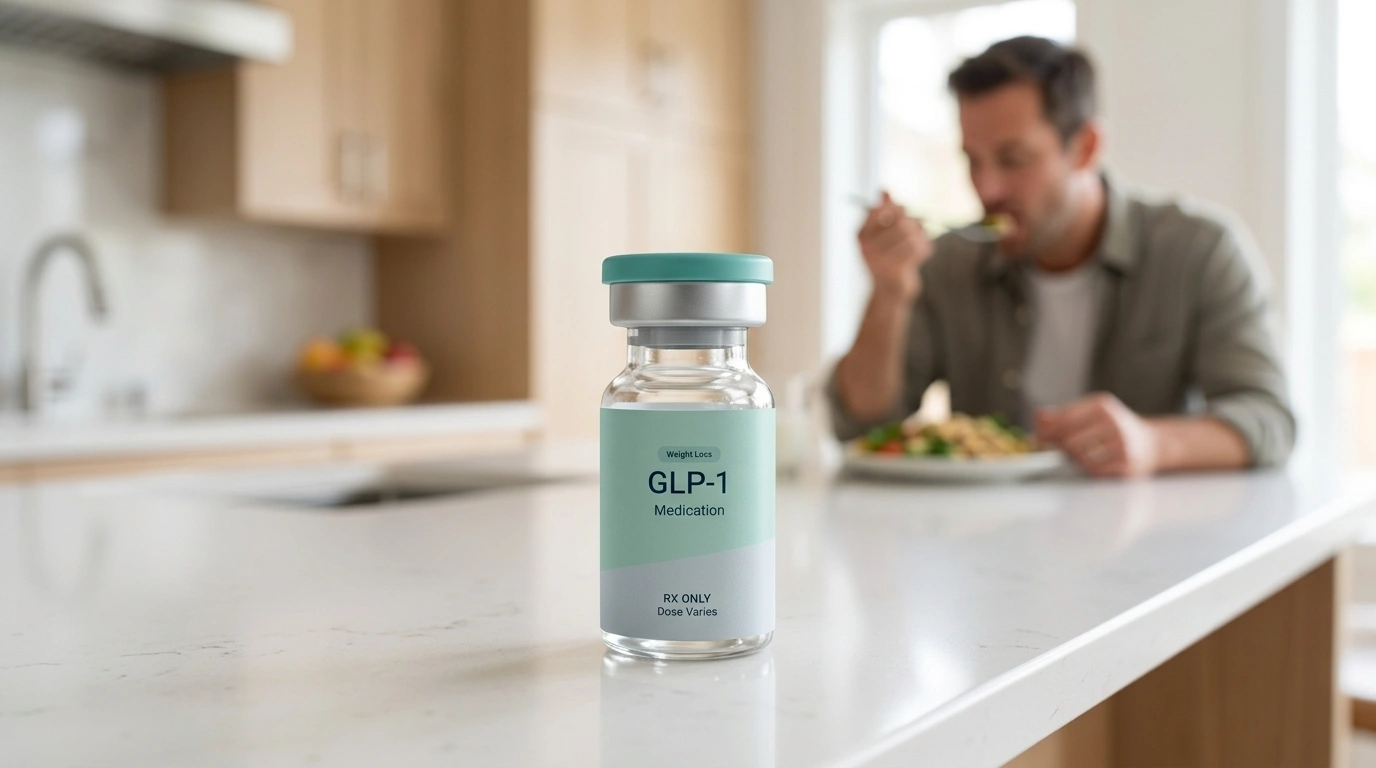
Waking up with a scratchy throat, a stuffy nose, and a pounding headache is frustrating enough, but when you are on a consistent weight loss schedule, it adds a layer of clinical concern. You might find yourself staring at your weekly injection pen, wondering if you should proceed or if the medication will make your symptoms worse. Navigating illness while managing a medical weight loss program requires a balance of self-care and professional guidance. At TrimRx, we believe that understanding how your body interacts with medication during a minor illness is essential for maintaining your long-term progress without compromising your recovery. This post covers the safety of using Wegovy® while sick, potential drug interactions with over-the-counter cold remedies, and how to manage your symptoms effectively. While you can often continue your treatment, the priority must always be your body’s immediate need for rest and hydration.
Managing Your Weight Loss Injection During Illness
If you find yourself dealing with a common cold, the general consensus among many healthcare providers is that you can continue taking Wegovy® (semaglutide). However, this is not a universal rule for every patient. Semaglutide is a GLP-1 (glucagon-like peptide-1) receptor agonist, a type of medicine that mimics a natural hormone to help regulate appetite and slow down how fast your stomach empties. For additional background, read this overview of how GLP-1 medications work. Because it affects your digestive system, being sick with a cold—or especially a stomach virus—can change how you feel while on the medication.
The primary concern is not usually the cold virus itself, but rather how your body handles the side effects of the medication when your immune system is already stressed. If your cold is mild, most people find they can stick to their usual dosing schedule. If your symptoms are severe, include a high fever, or involve significant gastrointestinal distress, your provider might suggest delaying your dose by a day or two. If you are considering prescription weight loss treatment, you can also complete a free eligibility assessment.
Key Takeaway: Most people can continue their GLP-1 medication during a mild cold, but you should always listen to your body and consult your healthcare provider if your symptoms are severe.
Potential Interactions with Cold and Flu Medications
When you are sick, you likely reach for over-the-counter (OTC) relief. It is important to know that some common ingredients in cold and flu medicine can interact with semaglutide. For more information about medication-related symptoms, review this guide to common semaglutide side effects.
Phenylephrine and Pseudoephedrine
Many decongestants use phenylephrine or pseudoephedrine to shrink swollen nasal passages. These are sympathomimetic agents, which can sometimes interfere with blood glucose (sugar) control. Since GLP-1 medications like Wegovy® or Ozempic® work partly by managing how your body handles insulin and sugar, taking these decongestants might reduce the medication’s effectiveness or cause fluctuations in your blood sugar levels.
Acetaminophen and NSAIDs
Common pain relievers like acetaminophen (Tylenol) or ibuprofen (Advil) are generally safe to use, but they must be used with caution. Acetaminophen is processed by the liver, and while it does not have a direct interaction with semaglutide, you should be mindful of the total dose, especially if you are not eating much.
Syrups and Sugar Content
Many liquid cough syrups and throat lozenges are high in sugar. While a few lozenges likely won’t derail your progress, the extra sugar can sometimes lead to a “dumping” effect in the stomach for those on GLP-1s, potentially causing increased nausea or diarrhea.
- Check the labels: Look for sugar-free versions of cough syrups and lozenges.
- Monitor blood sugar: If you have type 2 diabetes, be extra vigilant with your glucose monitoring while taking decongestants.
- Consult your pharmacist: They can quickly check for interactions between your specific dose and OTC products.
Why Being Sick Feels Different on a GLP-1
Being sick while on a weight loss medication can feel more intense than a “normal” cold. This is largely due to how these medications function in the body. One of the main ways semaglutide works is by slowing gastric emptying, which is the speed at which food and liquids move from your stomach into your small intestine. To better understand these effects, read about semaglutide side effects and digestive changes.
When you have a cold, your body often produces excess mucus that drains into your stomach (postnasal drip). Because your digestion is slower, that mucus can sit in your stomach longer, leading to increased feelings of nausea or “queasiness” that you wouldn’t normally experience with a cold.
Furthermore, infections naturally suppress the appetite. When combined with the appetite-suppressing effects of a GLP-1, you might find it incredibly difficult to eat at all. While weight loss is the goal, your body needs energy and nutrients to fight off a virus. Prolonged fasting while sick can lead to weakness, dizziness, and a longer recovery time.
The Runny Nose Mystery: Cold or Side Effect?
Interestingly, some people report a runny nose shortly after starting Wegovy® or increasing their dose, leading them to believe they have a cold when they actually don’t. This is sometimes referred to as vasomotor rhinitis.
Clinical research suggests that GLP-1 receptors are present throughout the body, including on the vagus nerve, which controls various involuntary functions. Stimulating these receptors can occasionally cause the lining of the nose to become congested or runny, mimicking cold or allergy symptoms. Additionally, if the medication causes even mild acid reflux, that reflux can irritate the throat and nasal passages, leading to postnasal drip.
If you have a runny nose but no fever, body aches, or sore throat, it may be a side effect of the medication rather than a virus. If this persists, it is worth mentioning to your healthcare provider, as they may suggest an antihistamine or a slight adjustment to your routine.
Myth: You must stop your weight loss medication the moment you feel a cold coming on. Fact: Most minor illnesses do not require you to stop your medication, though you may need to focus more on hydration and bland foods.
Prioritizing Hydration and Nutrition
When you are sick, hydration is your most important task. This is even more critical for those on weight loss medications. GLP-1s can sometimes cause mild dehydration as a side effect, and when you add a fever or a runny nose to the mix, your fluid needs skyrocket. You can learn more about managing semaglutide side effects with hydration and mindful eating.
The Risk of Dehydration
Fever increases your internal temperature, which causes you to lose fluids through your skin. If you are also experiencing nausea or diarrhea—common side effects of Wegovy® that can be worsened by a cold—you are at a high risk for dehydration. Severe dehydration can lead to kidney strain, which is a serious concern for anyone on medical weight loss programs.
What to Drink
- Water: The gold standard. Sip small amounts throughout the day.
- Electrolyte drinks: Look for low-sugar options to replenish salt and potassium.
- Broth: Warm chicken or vegetable broth provides hydration along with some much-needed salt and amino acids.
- Herbal tea: Warm liquids can help soothe a sore throat and break up congestion.
The BRAT Diet for Support
If your stomach is sensitive due to the combination of the medication and the cold, stick to the BRAT diet:
- Bananas (easy to digest and high in potassium)
- Rice (bland and provides quick energy)
- Applesauce (soothing and contains vitamin C)
- Toast (simple carbohydrates for energy)
Bottom line: Hydration is the priority when you are sick. Aim for small, frequent sips of water or electrolytes, and don’t force yourself to eat heavy meals if your appetite is low.
Adjusting Your Routine for Recovery
It is perfectly okay—and often necessary—to pause your weight loss efforts in terms of “work” while you are sick. This means taking a break from the gym and letting go of strict calorie counting for a few days.
Your body uses a significant amount of energy to power your immune system. If you try to maintain a vigorous exercise routine while fighting a cold, you may end up extending the duration of your illness. Light movement, like a short walk around the house, is fine if you feel up to it, but high-intensity interval training or heavy lifting should wait until you are 24 hours fever-free.
At our platform, we emphasize a personalized approach. This means recognizing that your health isn’t just about the number on the scale; it’s about how you feel. Our team at TrimRx provides support that accounts for these life hurdles, ensuring you have the resources to get back on track safely once you recover.
Steps to Take When Feeling Under the Weather:
- Step 1: Assess your symptoms. If you have a fever over 101°F or significant vomiting, call your doctor before taking your next dose.
- Step 2: Check your meds. Verify that any OTC cold medicine you take doesn’t contain high amounts of sugar or stimulants that clash with your health profile.
- Step 3: Increase fluid intake. Aim for at least 8–10 ounces of fluid every hour you are awake.
- Step 4: Rest. Sleep is when your body does the most repair work.
When to Contact Your Healthcare Provider
While most colds are manageable at home, there are specific “red flags” you should watch for when you are combining a virus with a GLP-1 medication. Because medications like Wegovy® slow down digestion, they can mask or complicate certain symptoms. For broader context, explore what GLP-1 medications do in the body.
Contact a healthcare professional if you experience:
- Inability to keep liquids down: If you cannot even sip water without vomiting, you risk severe dehydration.
- Severe abdominal pain: This could be a sign of something more serious than a cold, such as pancreatitis, which is a rare but serious side effect of GLP-1 medications.
- Extreme dizziness or fainting: This could indicate a drop in blood pressure or blood sugar.
- Shortness of breath: While a cold can cause a cough, significant trouble breathing requires immediate medical attention.
Always inform any doctor treating your cold that you are taking a GLP-1 medication. This is especially important if you are prescribed stronger medications, such as steroids or certain antibiotics, as these can also impact blood sugar levels and digestion.
Maintaining Your Progress Long-Term
Getting sick is a temporary setback, not a failure. Many people worry that taking a few days off from their diet or exercise routine will ruin their results. In reality, a few days of rest and proper nutrition can help you recover faster and return to your program with more energy.
The beauty of a telehealth-based program is the ability to access guidance without leaving your bed. Whether you are using compounded semaglutide or a branded option like Wegovy®, the principles of recovery remain the same. Our goal at TrimRx is to help you navigate these small bumps in the road with science-backed information and empathy. We provide the clinical connection you need to ensure your medication continues to work for you, even when you aren’t feeling your best. If you want to understand how remote care works, read about telehealth semaglutide treatment.
Sustainable weight loss is about the long game. It is about learning how to care for your body through every season, including the ones where you need to slow down, drink some broth, and catch up on sleep.
Conclusion
Taking Wegovy® while you have a cold is generally safe for most individuals, provided you stay hydrated and keep an eye on potential interactions with over-the-counter decongestants. The most important thing is to listen to your body’s signals. If the medication’s side effects feel too intense while you are fighting a virus, a short delay in your dose or a shift to bland foods can make a significant difference. Remember, your journey to better health is a marathon, not a sprint. Taking the time to recover properly ensures that you have the strength to continue your progress once the cold has passed. We are committed to supporting you through every step of your metabolic health journey with a personalized, transparent approach. If you are ready to see how a medically supervised program can fit into your life, the next step is simple.
Key Takeaway: Focus on hydration, avoid sugar-heavy cold syrups, and give yourself permission to rest. Your weight loss progress will be waiting for you once you feel better.
To learn more about a program tailored to your unique health needs, consider taking the free assessment quiz to see which options are right for you.
FAQ
Can I skip my Wegovy® dose if I have a high fever?
If you have a high fever or are experiencing severe flu-like symptoms, you should consult your healthcare provider before skipping or delaying a dose. In many cases, delaying the injection by 24 to 48 hours is acceptable to allow your body to stabilize, but a professional can give you advice based on your specific health history.
Will cold medicine make me more nauseous while on semaglutide?
It is possible, especially if the cold medicine is a liquid syrup with high sugar content or if it contains stimulants. Because semaglutide slows down your stomach, these ingredients can sit in your system longer and potentially increase feelings of nausea or stomach upset.
Is it safe to take DayQuil or NyQuil with Wegovy®?
Most standard cold medications like DayQuil or NyQuil do not have a direct, dangerous interaction with semaglutide. However, they often contain acetaminophen and sugar, so you should monitor your total intake and choose sugar-free versions if available to avoid worsening any GI side effects.
Why does my appetite disappear completely when I have a cold on Wegovy®?
Both a viral infection and GLP-1 medications are natural appetite suppressants. When combined, they can make the thought of food unappealing, but it is still important to consume small amounts of bland food and plenty of fluids to give your body the energy it needs to recover. If you are exploring whether a prescription program may fit your needs, you can complete a free assessment.
Disclaimer: This content is for informational purposes only and does not constitute medical advice. It is not intended to diagnose, treat, cure, or prevent any disease or condition. Individual results may vary. Always consult a qualified healthcare professional before starting any weight loss program or medication.

Transforming Lives, One Step at a Time
Keep reading
Wegovy Prior Authorization Approved, Then Reversed: What Happens Now
Getting an approval and then losing it is worse than never being approved, and not only because of the medication. You made a plan…
Can the Wegovy Pill Hold the Weight You Lost on Semaglutide Injections?
Most likely yes, once you reach the maintenance dose. The risk is not the destination but the trip: switching means restarting titration on the…
Wegovy Alternatives: What Else Works for Weight Loss
If Wegovy isn’t working out, the strongest alternative is tirzepatide (Zepbound), which tends to produce more weight loss, followed by other GLP-1 options and…


