Can You Take Flu Shot While on Ozempic?
Introduction
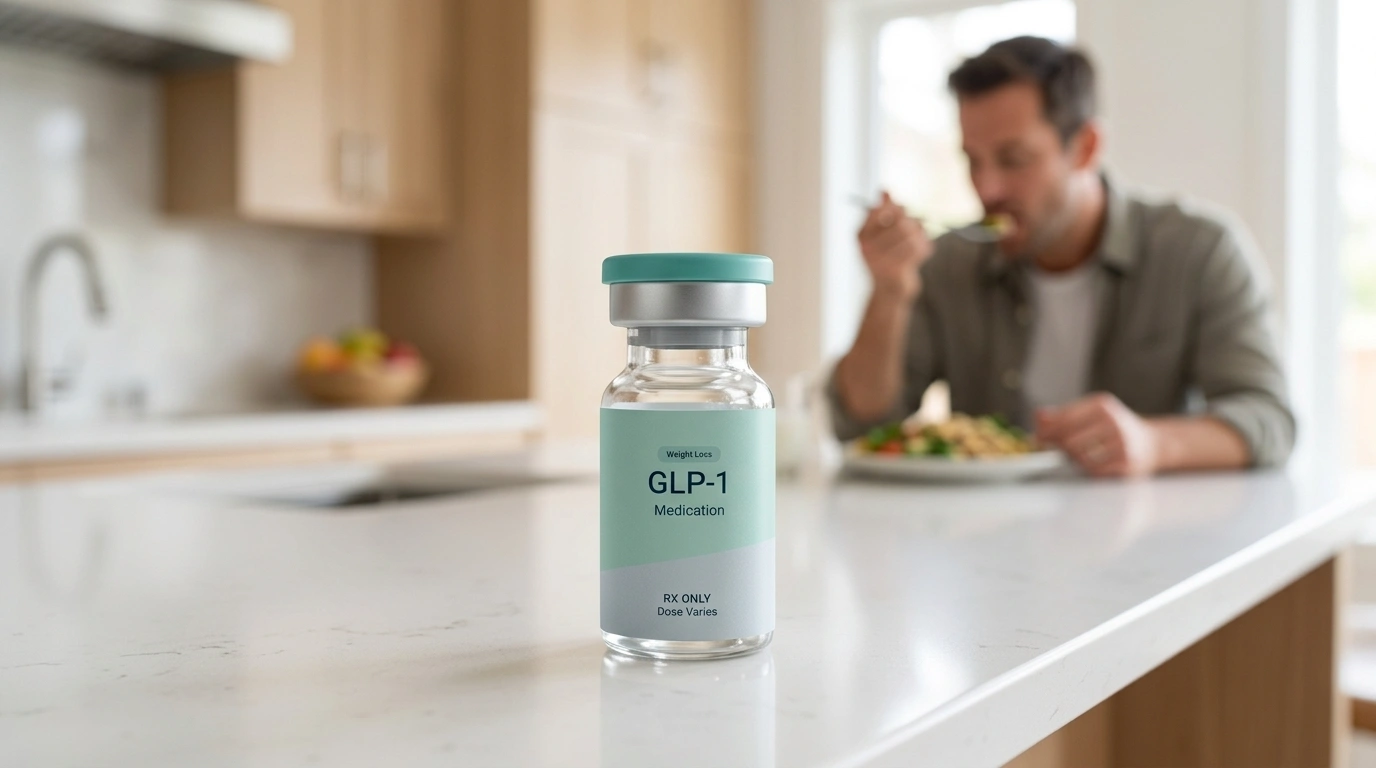
The arrival of flu season often brings a list of health-related questions, especially if you are managing a weight loss journey. We understand that balancing your metabolic goals with routine medical care can feel like a lot to manage. If you are currently taking a GLP-1 medication like Ozempic®, you might wonder if getting your annual influenza vaccine is safe or if it will interfere with your progress. At TrimRx, we prioritize your safety by providing clear, evidence-based information to help you navigate your health with confidence. This article looks at the safety of combining these treatments, how to manage overlapping side effects, and why staying current on vaccinations is especially important for those focusing on metabolic health. Yes, it is generally safe to get a flu shot while taking Ozempic®, provided you follow a few practical steps for your comfort.
Quick Answer: Yes, you can safely receive a flu shot while taking Ozempic®. There is no known direct interaction between the influenza vaccine and semaglutide. Most health experts recommend continuing your medication schedule while staying current on routine vaccinations.
If you are considering whether a prescription weight loss program may be appropriate for you, you can complete a free eligibility assessment.
The Science of Vaccine and GLP-1 Safety
Current clinical evidence suggests there is no documented interaction between the influenza vaccine and Ozempic®. Most medications used for chronic conditions, including those for weight management and type 2 diabetes, do not prevent a vaccine from working. Likewise, the vaccine does not make your weight loss medication less effective.
The primary reason these two treatments can coexist is that they target different systems in the body. The flu shot is designed to stimulate your immune system to create antibodies. These antibodies recognize and fight the influenza virus. Ozempic®, which contains the active ingredient semaglutide, belongs to a class of drugs called GLP-1 (glucagon-like peptide-1) receptor agonists. These medications focus on metabolic pathways, digestion, and appetite regulation.
Because the biological “machinery” required for an immune response is separate from the “machinery” that regulates blood sugar and hunger, they do not compete for the same resources. Clinical guidelines from major health organizations do not list GLP-1 medications as a reason to avoid or delay seasonal flu shots.
For a broader explanation of these medication categories, review this overview of GLP-1 medications and how they work.
Understanding the Biological Pathways
To feel truly confident in your choice, it helps to understand how these treatments operate independently within your system. When you receive a flu shot, your body encounters an inactivated form of the virus. This triggers your white blood cells to learn how to defend against it. This process happens largely in your lymphatic system and immune cells.
Semaglutide works differently. It mimics a hormone that your gut naturally produces after you eat. It communicates with the brain to increase feelings of fullness and slows down the rate at which your stomach empties. It also helps the pancreas release the right amount of insulin when your blood sugar is high.
Since the flu vaccine does not involve metabolic hormones or gastric emptying, there is no biological “overlap.” Your body is capable of building immune protection while simultaneously managing the metabolic effects of your medication.
Key Takeaway: Ozempic® and the flu vaccine work through entirely different biological systems—the metabolic system and the immune system—meaning they do not interfere with each other’s efficacy.
Managing Overlapping Side Effects
While the treatments do not interact chemically, they can both cause temporary side effects. The main challenge many people face is “symptom stacking.” This occurs when the mild reactions from a vaccine happen at the same time as the common side effects of a GLP-1 medication.
Common Vaccine Side Effects
Most people experience mild symptoms for 24 to 48 hours after a flu shot. These can include:
- Soreness or redness at the injection site
- Low-grade fever or chills
- Mild fatigue or muscle aches
- Headache
Common Ozempic Side Effects
Gastrointestinal symptoms are the most frequent issues reported with semaglutide. These often include:
- Nausea and vomiting
- Diarrhea or constipation
- Abdominal discomfort
- Fatigue
For additional information about nausea, digestive changes, and other medication reactions, review this guide to common GLP-1 side effects.
If you receive your vaccine on the same day you take your weekly dose, you might feel more tired or nauseous than usual. This is not a sign of a dangerous reaction. Instead, it is simply your body processing two different signals at once. Recognizing this possibility can help you prepare and avoid unnecessary worry.
The Importance of Hydration
Staying hydrated is the most important factor when you are combining a vaccine with a GLP-1 medication. Semaglutide can sometimes make you feel less thirsty, which increases the risk of dehydration. At the same time, the immune response from a vaccine can cause a mild fever, which naturally uses up more of your body’s fluid reserves.
If you become dehydrated, you are more likely to feel the fatigue and nausea associated with both treatments. Drinking plenty of water or electrolyte-balanced fluids is essential. If you experience significant vomiting or diarrhea, your risk for dehydration increases rapidly.
Note: Severe dehydration can tax the kidneys. If you are unable to keep fluids down after a vaccine or a medication dose, you should contact a licensed healthcare provider immediately.
Strategies for Staying Hydrated
- Drink small sips of water consistently throughout the day rather than large amounts at once.
- Use electrolyte powders or drinks that are low in added sugar.
- Monitor the color of your urine; it should remain pale yellow.
- Avoid excessive caffeine, which can contribute to fluid loss.
For more guidance on managing hydration alongside digestive symptoms, review these recommendations for staying hydrated during GLP-1 treatment.
Timing and Scheduling for Comfort
You are not medically required to change your dosing schedule for a flu shot. However, many people prefer to adjust their timing to ensure they stay comfortable. If your “shot day” for your medication falls on the same day as your vaccine appointment, you have choices.
Some individuals choose to space the two out by 48 to 72 hours. This allows the initial immune response from the flu shot to settle before the peak levels of the medication hit the system. This also makes it easier to tell which treatment is causing a particular side effect. If you have been on your medication for a long time and no longer have significant side effects, you may find that taking them together doesn’t bother you at all.
Bottom line: Timing is a personal comfort choice. Spacing your medication and your vaccine by a few days can help you manage side effects more easily.
Steps for a Smooth Vaccination Day
If you are currently on a weight loss program and have a flu shot scheduled, follow these steps to ensure the best possible experience.
Step 1: Hydrate early.
Start increasing your water intake at least 24 hours before your vaccine appointment to support your immune system and your metabolism.
Step 2: Plan your meals.
Eat light, easy-to-digest meals on the day of your vaccine. This minimizes the workload on your digestive system while your body focuses on the vaccine.
Step 3: Choose your injection sites.
The flu shot is usually given in the muscle of the upper arm. Most GLP-1 medications are injected into the fat of the abdomen or thigh. Ensure you do not use the exact same spot for both.
Step 4: Schedule rest.
Give yourself permission to take it easy for 24 hours. Both treatments require your body to use energy, and rest supports recovery.
Step 5: Monitor your symptoms.
Keep track of how you feel. If side effects persist beyond 48 hours, it is a good idea to check in with a healthcare professional.
Myth vs. Fact: Vaccines and GLP-1 Medications
Misinformation can cause unnecessary anxiety. Let’s clarify some common myths regarding these treatments.
Myth: Taking Ozempic® will make the flu shot less effective.
Fact: There is no evidence that GLP-1 medications interfere with antibody production. Your body builds protection normally.
Myth: You must skip your medication dose if you get a vaccine.
Fact: You do not need to skip your dose. While you can delay it by a day or two for comfort, skipping it entirely can disrupt your appetite control.
Myth: Compounded medications are more likely to react with vaccines.
Fact: Compounded semaglutide from reputable, FDA-registered pharmacies contains the same active molecule as branded versions. The safety profile regarding vaccines is the same.
Interaction with Cold and Flu Remedies
If you do catch a cold or the flu, you might reach for over-the-counter (OTC) relief. It is important to know that some ingredients in these products can interact with how your medication works.
One common ingredient to watch for is phenylephrine. This is a decongestant found in many “non-drowsy” cold and flu medicines. Some research suggests that phenylephrine can interfere with blood glucose control. If you are using semaglutide to manage blood sugar or weight, this interaction might lead to temporary fluctuations.
Acetaminophen is generally safe to use for fever and aches while on a GLP-1 program. However, you should always follow the dosage instructions carefully. If you are taking oral versions of weight loss medications, be aware that vomiting from an illness can prevent the medication from being absorbed.
Vaccination for People with High BMI or Diabetes
For individuals managing a higher BMI or type 2 diabetes, the flu shot is not just safe—it is highly recommended. People with these conditions are often at a higher risk for complications from the flu, such as pneumonia or hospitalization.
Influenza can also cause your blood sugar to become much harder to manage. When the body is fighting an infection, it releases stress hormones that can cause blood sugar levels to spike. Staying protected with a vaccine is a proactive way to support your overall metabolic health.
The Role of Personalised Support
At TrimRx, we believe that every health journey is unique. When you are part of a managed program, you have the benefit of a team that understands how your medication fits into your broader life. Our platform connects you with licensed providers who can offer specific guidance on dose timing during flu season.
We provide access to compounded semaglutide and compounded tirzepatide. These medications are prepared by FDA-registered, inspected compounding pharmacies. They contain the same active ingredients as branded products like Ozempic® or Mounjaro® but allow for a more personalized approach to your care. If you have questions about how a vaccine might affect your specific dose, our specialists are available to help.
Personalized support ensures that you don’t have to guess when it comes to your health. Whether you are navigating a vaccine or managing the common cold, having a dedicated team makes the process much smoother.
If you are considering a managed prescription program, you can start the assessment process to provide information for licensed provider review.
Key Takeaway: A personalized program through TrimRx provides the professional oversight needed to navigate vaccinations and seasonal illness while staying on track with your goals.
Nutritional Support and Recovery
Supporting your body through nutrition is vital, especially when your immune system is active. Because GLP-1 medications change your appetite, you may not always get the nutrients you need from food alone. This can be particularly noticeable when you are feeling the fatigue that follows a vaccination.
We offer targeted supplements to help bridge these gaps. Options like GLP-1 Daily Support are designed to complement your program. These can help maintain your energy levels and support your metabolic health while your body focuses on building vaccine protection. Proper nutrition and hydration ensure that your weight loss journey remains sustainable, even during the winter months.
For additional energy and metabolic support during weight loss, you can explore the Weight Loss Boost supplement.
When to Contact a Healthcare Provider
While taking Ozempic® and a flu shot together is safe for most people, there are times when you should seek professional advice. You should always prioritize the guidance of your primary physician or the licensed provider managing your program.
Contact a provider if you experience:
- Signs of an allergic reaction (hives, swelling, or difficulty breathing)
- Severe abdominal pain that does not go away
- Persistent vomiting that prevents you from staying hydrated
- A fever that lasts more than two days or goes above 103°F
- Significant dizziness or lightheadedness
Conclusion
Navigating flu season while on a weight loss journey doesn’t have to be complicated. By understanding that Ozempic® and the flu shot target different systems, you can move forward with your vaccinations without fear. While “symptom stacking” is a real possibility, it is manageable with hydration, rest, and simple timing adjustments.
At TrimRx, we stand for a science-backed, empathetic approach to metabolic health. We believe that protecting yourself from seasonal illness is a vital part of your overall well-being. Our mission is to provide the tools and support you need to reach your goals safely and sustainably. Whether you are just starting or are well on your way, we are here to guide you through every step of the process.
If you are ready to take the next step in your health journey, the best place to start is with our free assessment quiz.
- Get your flu shot to protect your metabolic health.
- Space your doses if you are concerned about side effects.
- Prioritize hydration and rest on vaccination day.
- Consult your provider for any specific medical concerns.
“True health is about the big picture—protecting your body from illness while you work toward your long-term metabolic goals.”
Next Step: Take the free assessment quiz to see which personalized program fits your health profile and goals.
FAQ
Can I get my flu shot on the same day as my Ozempic® injection?
Yes, you can receive both on the same day as there is no known interaction between the two. However, some people prefer to separate them by 48 to 72 hours to avoid experiencing side effects from both treatments at the same time.
Does Ozempic® make the flu vaccine less effective?
No, there is no evidence that GLP-1 medications reduce the effectiveness of the flu vaccine. The vaccine works on the immune system, while the medication works on metabolic and digestive pathways, so they do not interfere with each other.
Should I skip my Ozempic® dose if I have a fever from the flu shot?
You generally do not need to skip your dose, but you can delay it for a day or two until your fever subsides. Staying consistent with your medication is important for appetite control, so it is best to consult your provider before skipping a dose entirely.
Can I take cold medicine like DayQuil while on Ozempic®?
Many multi-symptom cold medicines contain phenylephrine, which can potentially interfere with blood sugar control. While generally safe for short-term use, you should monitor how you feel and consider sugar-free or phenylephrine-free options if you are concerned about your metabolic levels.
Disclaimer: This content is for informational purposes only and does not constitute medical advice. It is not intended to diagnose, treat, cure, or prevent any disease or condition. Individual results may vary. Always consult a qualified healthcare professional before starting any weight loss program or medication.

Transforming Lives, One Step at a Time
Keep reading
Is It Normal for Nausea to Come Back on Ozempic?
Many people on Ozempic or another GLP-1 have a rough first few weeks, then settle in and feel much better. So it can be…

Is It Normal to Not Feel Anything After Taking Ozempic?
You have heard stories about people losing interest in food overnight or feeling queasy after their first dose. Then you take your own first…

Is It Normal to Have Dark Urine on Ozempic?
Noticing that your urine is darker than usual can be worrying. On Ozempic or another GLP-1, the most common reason is simple: you are…


