Can You Take Cold Medicine With Wegovy? A Safety Guide
Introduction
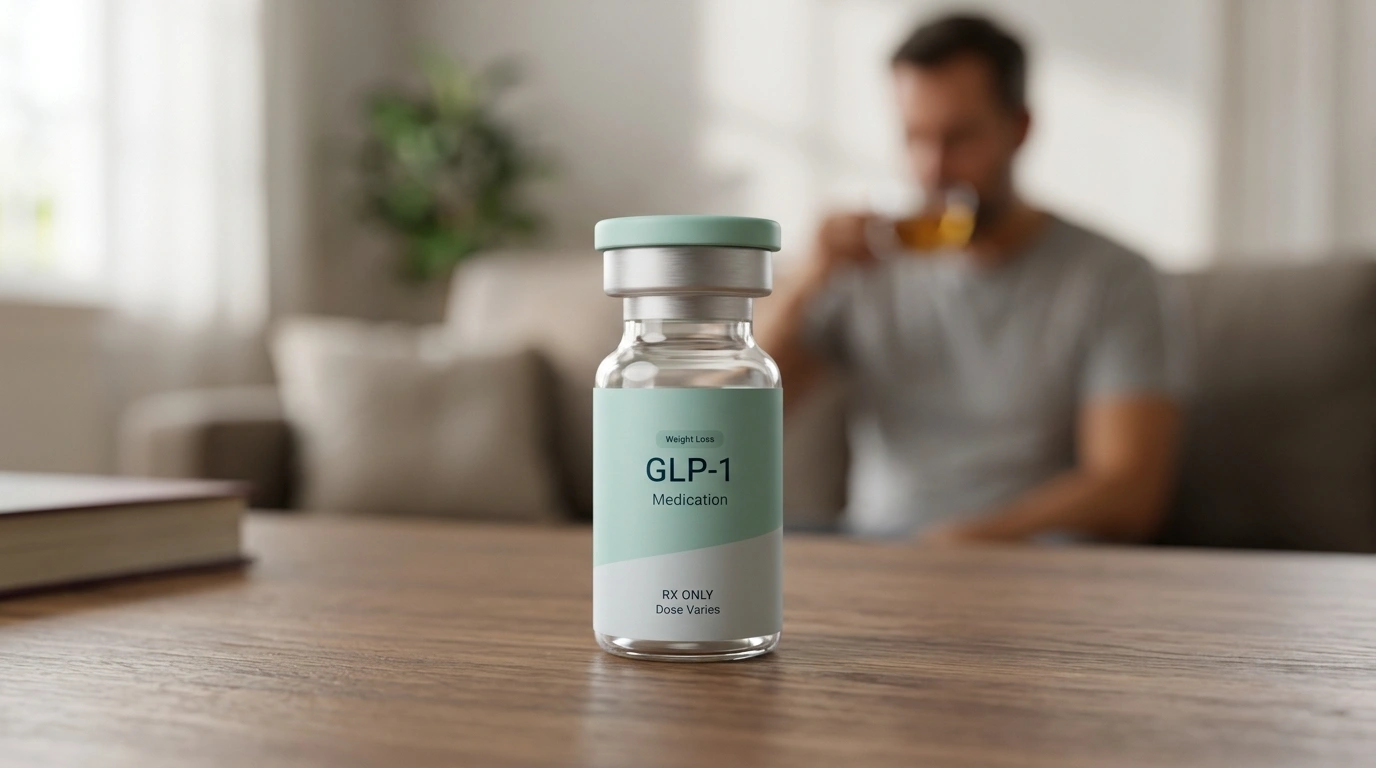
Waking up with a scratchy throat, a stuffed-up nose, and the heavy fatigue of a coming cold is never convenient. When you are on a committed weight loss journey, a sudden illness can feel like a setback, leaving you wondering how to manage your symptoms without interfering with your progress. If you are currently using Wegovy®, you might be asking: can you take cold medicine with Wegovy safely? Because this medication changes how your body processes food and other substances, it is natural to be cautious about adding over-the-counter (OTC) drugs into the mix.
At TrimRx, we believe that staying informed is the best way to stay on track. Our goal is to provide you with the clarity you need to navigate these common health hurdles while continuing your personalized program. This post covers the potential interactions between cold medications and GLP-1 treatments, the specific ingredients you should watch for, and how to manage cold symptoms effectively. Understanding these nuances helps ensure that your path to sustainable weight loss remains safe and supported, even when you are feeling under the weather. If you are considering prescription support for weight management, you can complete a free eligibility assessment.
How Wegovy and Cold Medicines Interact
Wegovy® belongs to a class of medications known as GLP-1 receptor agonists. GLP-1 stands for glucagon-like peptide-1, a hormone naturally produced in your body that helps regulate appetite and blood sugar. While the primary goal of the medication is to support weight management and metabolic health, it achieves this through mechanisms that can influence how other medications—like cold and flu pills—behave in your system. For a broader explanation, read how semaglutide works in the body.
The most significant factor to consider is how the medication affects your digestive speed. One of the ways GLP-1 receptor agonists work is by slowing down gastric emptying. This means that food and oral medications stay in your stomach longer before moving into the small intestine, where most absorption happens. When you swallow a cold pill, its effectiveness depends on how quickly it enters your bloodstream. Because your digestion is slowed, you might find that a “fast-acting” cold medicine takes much longer to kick in than it used to.
Beyond absorption timing, there is the question of metabolic interference. Some ingredients found in multi-symptom cold formulas can influence blood glucose levels or blood pressure. Since your weight loss program is designed to optimize these very markers, adding certain stimulants can create a temporary conflict. It is not always about a “dangerous” interaction, but rather about how these substances might briefly change how you feel or how your body responds to your primary treatment.
Key Takeaway: The primary interaction between Wegovy® and cold medicine is a delay in drug absorption caused by slowed digestion, which may make oral medications feel less effective or slower to work.
Common Cold Medicine Ingredients and Their Effects
When you walk down the pharmacy aisle, most cold and flu products are “multi-symptom” formulas. This means they contain a cocktail of different active ingredients designed to hit everything from a cough to a fever at once. To understand if you can take cold medicine with Wegovy®, you have to look at the individual components on the “Drug Facts” label.
Decongestants (Phenylephrine and Pseudoephedrine)
Decongestants like phenylephrine and pseudoephedrine are common in products labeled “D” or “Daytime.” These ingredients work by narrowing blood vessels in the nasal passages to reduce swelling. However, they are also stimulants.
Research suggests that phenylephrine may interfere with blood glucose control. For individuals on a GLP-1 program, this is important because the medication is working to stabilize your metabolic health. A sudden spike in blood sugar caused by a decongestant could theoretically reduce the immediate effectiveness of your treatment’s glucose-regulating benefits. Furthermore, these stimulants can increase heart rate and blood pressure, which may exacerbate the mild “jittery” feeling some people experience when starting a weight loss program. For additional context, review this guide to cold medicine choices while taking Wegovy.
Pain Relievers and Fever Reducers (Acetaminophen and Ibuprofen)
Acetaminophen is the most common pain reliever found in cold medicines like NyQuil or DayQuil. Generally, acetaminophen does not have a direct clinical interaction with semaglutide (the active ingredient in Wegovy®). However, because Wegovy® can sometimes cause nausea as a side effect, you should be careful about taking large doses of acetaminophen on an empty stomach, as this could increase gastric irritation.
Non-steroidal anti-inflammatory drugs (NSAIDs) like ibuprofen or naproxen are also used for body aches. While they don’t interact directly with GLP-1 pathways, they can be tough on the kidneys if you are dehydrated. Since GLP-1 medications can sometimes lead to decreased thirst or increased fluid loss through GI side effects, staying hydrated is critical if you choose to take an NSAID while sick.
Cough Suppressants and Expectorants (Dextromethorphan and Guaifenesin)
Dextromethorphan is the “DM” you see on many labels; it tells your brain to stop the coughing reflex. Guaifenesin is an expectorant that thins out mucus. Currently, there are no known significant drug-drug interactions between these two ingredients and Wegovy®. They are generally considered among the safer options for managing cold symptoms while on a weight loss program, provided the product does not contain high amounts of sugar or alcohol.
Antihistamines (Diphenhydramine and Doxylamine)
Antihistamines are found in “Nighttime” formulas to help you sleep and stop a runny nose. These can cause significant drowsiness. Because Wegovy® can already cause fatigue in some patients, especially during the first few weeks of a new dosage, the sedating effect of an antihistamine might feel much more intense.
The Role of Delayed Gastric Emptying
As mentioned, delayed gastric emptying is a hallmark of how GLP-1 medications function. This physiological change is what helps you feel full for longer periods, but it creates a unique challenge for oral medications. For more information about this process, explore semaglutide and delayed gastric emptying.
When you take a standard tablet for a headache or a cold, the manufacturer assumes a “normal” rate of digestion. Usually, a pill reaches the small intestine within 30 to 60 minutes. Under the influence of a GLP-1 receptor agonist, that pill may sit in the stomach for several hours. This can lead to two main issues:
- Delayed Relief: You take a pill for a sinus headache at 8:00 AM, but you don’t feel any relief until 11:00 AM. This often leads people to “double up” on doses because they think the first one didn’t work. Never exceed the recommended dose on the label, even if the relief is slow to arrive.
- Irritation: A pill sitting in the stomach for an extended period can cause localized irritation of the stomach lining. This can make existing nausea or “sour stomach” symptoms from your weight loss medication feel much worse.
If you are using the oral version of a GLP-1 medication rather than the injectable, the timing is even more critical. Most oral GLP-1 treatments require you to take them on an empty stomach with a small amount of water, waiting 30 minutes before taking any other oral medications. Mixing cold medicine into that 30-minute window can significantly reduce how much of your weight loss medication your body actually absorbs. Follow this guide to taking oral semaglutide for additional administration information.
Quick Answer: While many cold medicines are technically safe to use, you should expect them to work more slowly. Avoid multi-symptom formulas with stimulants (like phenylephrine) if you are concerned about blood sugar or heart rate, and always consult your healthcare provider before mixing treatments.
Managing GI Side Effects and Dehydration
One of the most important things to remember when you have a cold while taking Wegovy® is the risk of dehydration. Both a viral infection and GLP-1 medications can impact your fluid balance. If your cold involves a fever, you are losing fluids through sweat. If your weight loss medication is currently causing side effects like diarrhea or nausea, you are at an even higher risk of becoming dehydrated.
Dehydration can make cold symptoms feel significantly worse. It can lead to more intense headaches, dizziness, and extreme fatigue. Furthermore, your kidneys need plenty of water to process medications effectively.
When you are sick:
- Sip, don’t chug: Large amounts of water at once might trigger nausea due to slowed digestion. Small, frequent sips are better.
- Electrolytes matter: Plain water is great, but if you are losing fluids, an electrolyte-balanced drink (low-sugar) can help maintain your mineral balance.
- Watch for signs: If you notice very dark urine, a dry mouth that won’t go away, or a racing heart, you may be dehydrated and should contact a professional.
At TrimRx, our personalized programs emphasize the importance of holistic health. We want to ensure that your body is supported through every phase of your journey, especially the “down days” when you are fighting off a bug. Our team of specialists is available to help you understand how to balance your treatment with the realities of everyday illness.
Natural and “Safe” Alternatives
If you are hesitant about taking cold medicine with Wegovy® due to potential interactions or stomach sensitivity, there are several “medication-free” ways to manage your symptoms. These options often provide relief without affecting your metabolic rate or digestion.
- Saline Nasal Sprays: These use simple salt water to clear out congestion. Since they are not absorbed into the bloodstream, they have zero interaction with your weight loss medication.
- Humidifiers: Adding moisture to the air can soothe a sore throat and help clear nasal passages, especially at night.
- Honey: For a cough, a spoonful of honey can be as effective as some OTC suppressants. Just be mindful of the sugar content if you are strictly tracking your macros.
- Steam Inhalation: Sitting in a steamy bathroom or breathing over a bowl of warm water can help loosen mucus naturally.
- Elevation: Sleeping with an extra pillow to keep your head elevated can prevent mucus from pooling in your throat, reducing nighttime coughing.
Myth: You have to stop taking your weight loss medication if you get a cold. Fact: In most cases, you can continue your weekly injection or daily pill while sick. However, if your cold is severe or you are unable to keep fluids down, you should consult your provider about whether to delay a dose.
Comparing Common Cold Medications
To help you make an informed choice at the pharmacy, here is a quick look at common brands and how their ingredients might interact with your weight loss program.
| Medication Type | Common Brand | Key Ingredients | Potential Interaction Risk |
|---|---|---|---|
| Pain/Fever | Tylenol® | Acetaminophen | Low. Generally safe, but monitor for stomach irritation. |
| Decongestant | Sudafed PE® | Phenylephrine | Moderate. May affect blood sugar or blood pressure. |
| Cough/Cold | Mucinex® | Guaifenesin | Low. No known direct interactions. |
| Multi-Symptom | DayQuil® | Acetaminophen, Dextromethorphan, Phenylephrine | Moderate. The phenylephrine is the main concern for GLP-1 users. |
| Nighttime | NyQuil® | Acetaminophen, Dextromethorphan, Doxylamine | Moderate. May cause excessive drowsiness when combined with GLP-1 fatigue. |
Why Personalization Matters
Every person’s body reacts differently to both GLP-1 medications and common cold remedies. This is why a “one size fits all” approach to weight loss often falls short. At TrimRx, we believe that medical supervision should be a continuous conversation, not a one-time transaction. When you are part of our program, you have access to a dedicated team that understands your health history and your specific medication protocol.
Our telehealth-first model means you don’t have to drag yourself to a waiting room when you have a cold just to ask a question about your medication. You can access support from the comfort of your home. Whether you are using compounded semaglutide—prepared in FDA-registered, inspected compounding pharmacies—or another prescribed treatment, having a professional to guide you through these minor health crises is invaluable. Learn more about semaglutide treatment options before discussing your choices with a provider.
The journey to metabolic health is a marathon, not a sprint. A week of the sniffles is just a small hurdle. By choosing the right support and being mindful of how you treat your symptoms, you can ensure that a temporary cold doesn’t derail your long-term success.
Steps to Take When You Feel a Cold Coming On
If you start feeling those familiar cold symptoms, follow these steps to manage your health safely:
Step 1: Read Every Label. Check the active ingredients list. Look specifically for decongestants like phenylephrine or pseudoephedrine if you have a history of high blood pressure or are concerned about blood sugar.
Step 2: Prioritize Hydration. Increase your intake of water and electrolytes. This is the single most important thing you can do to prevent the side effects of your weight loss medication from worsening while you are sick.
Step 3: Test, Don’t Guess. If you have a fever or severe body aches, it might be more than a cold. Use a home test for COVID-19 or flu, as these may require specific prescription antivirals that definitely require a doctor’s oversight.
Step 4: Contact Your Provider. If you are unsure about a specific brand of cold medicine or if your symptoms are making it hard to maintain your nutrition plan, reach out to your healthcare team. We are here to help you adjust and stay safe.
Conclusion
Can you take cold medicine with Wegovy®? The answer is generally yes, but it requires a more thoughtful approach than it did before you started your weight loss journey. By understanding that your digestion is slower and that certain ingredients like stimulants can interfere with your metabolic goals, you can make smarter choices at the pharmacy.
At TrimRx, our mission is to help you embrace a healthier lifestyle through a transparent, science-backed approach. We provide more than just a prescription; we offer a partnership that supports you through every cough, sneeze, and milestone. Your health is a complex, evolving picture, and we are dedicated to helping you see it clearly.
If you are ready to take the next step toward a healthier version of yourself, or if you have questions about how our personalized programs can help you navigate the ups and downs of weight loss, we invite you to take the free assessment quiz. It is the first step in creating a plan that is built specifically for your body and your life.
FAQ
Can I take DayQuil or NyQuil while on Wegovy?
Most people can take these medications occasionally, but they do contain phenylephrine, which can affect blood sugar and blood pressure. Additionally, because Wegovy® slows digestion, it may take longer for you to feel the effects of these medications. It is always best to choose a formula that targets only the symptoms you have rather than a “max strength” multi-symptom version if it isn’t necessary. See this overview of cold medicine options while using Wegovy for additional considerations.
Does cold medicine affect weight loss progress?
A short course of cold medicine is unlikely to impact your long-term weight loss. However, many liquid cold syrups are high in sugar and alcohol, which add unnecessary calories. If possible, opt for sugar-free syrups or tablets to keep your caloric intake in check while you recover.
Can I take ibuprofen (Advil/Motrin) for cold aches?
Ibuprofen is generally safe, but you must be careful about hydration. Both cold symptoms and GLP-1 medications can lead to dehydration, and taking NSAIDs like ibuprofen while dehydrated can put extra strain on your kidneys. Ensure you are drinking plenty of fluids if you use these for aches or fever.
Should I skip my Wegovy dose if I have a bad cold?
You should not skip or delay your medication without consulting your healthcare provider first. In most cases, a mild cold does not require you to stop your treatment. However, if you are experiencing severe vomiting, cannot keep fluids down, or have a high fever, your provider may suggest a temporary adjustment to your schedule to ensure you stay hydrated. If you are exploring whether a supervised prescription program may be appropriate, you can see if you qualify for a personalized program.
Disclaimer: This content is for informational purposes only and does not constitute medical advice. It is not intended to diagnose, treat, cure, or prevent any disease or condition. Individual results may vary. Always consult a qualified healthcare professional before starting any weight loss program or medication.

Transforming Lives, One Step at a Time
Keep reading
Can the Wegovy Pill Hold the Weight You Lost on Semaglutide Injections?
Most likely yes, once you reach the maintenance dose. The risk is not the destination but the trip: switching means restarting titration on the…
Wegovy Alternatives: What Else Works for Weight Loss
If Wegovy isn’t working out, the strongest alternative is tirzepatide (Zepbound), which tends to produce more weight loss, followed by other GLP-1 options and…

VK2735 vs Wegovy: Investigational Contender vs Proven Semaglutide
VK2735 and Wegovy sit at different stages of development. VK2735, an investigational drug from Viking Therapeutics, comes in both injectable and oral forms and…


