Can I Take Someone Else’s Ozempic? Risks and Safe Alternatives
Introduction
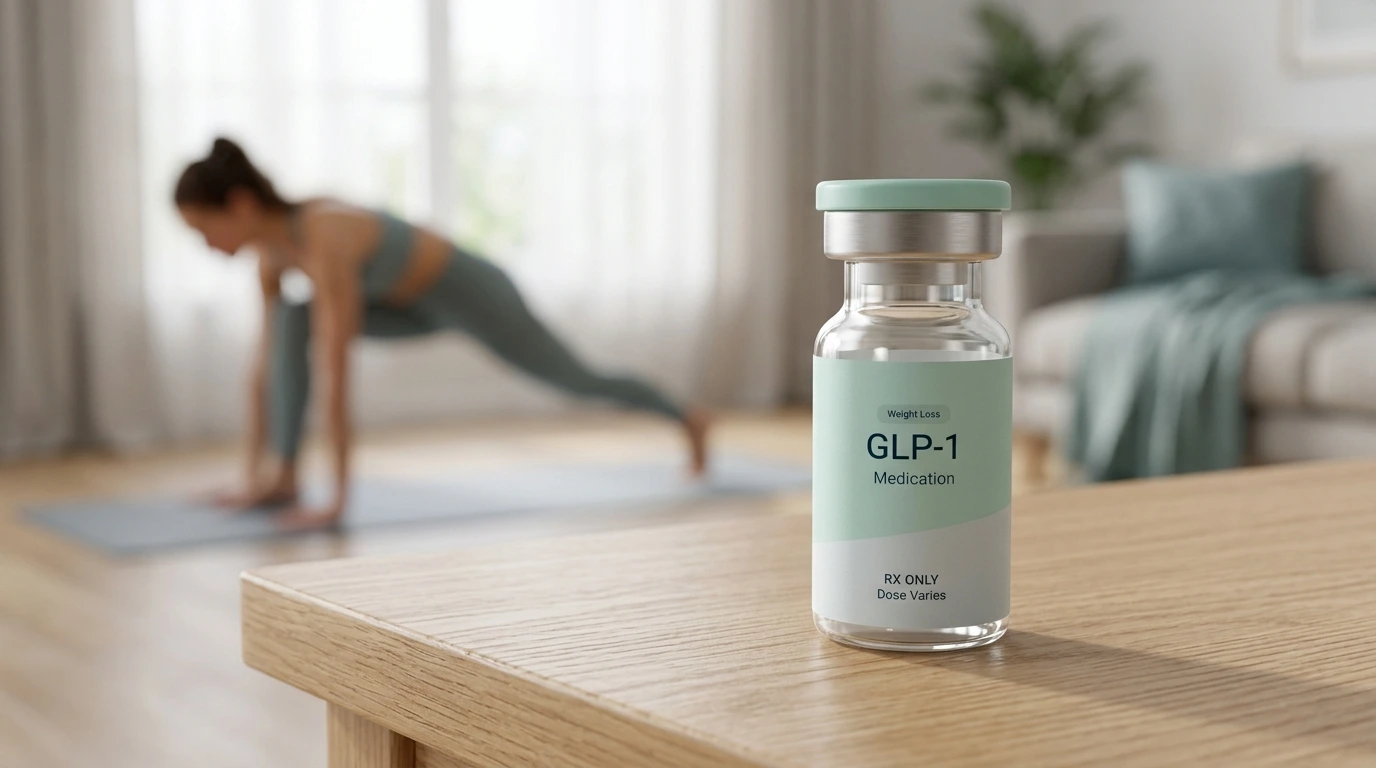
It usually starts with a conversation between friends or family members. Maybe a loved one has seen incredible results and offers you a spare pen, or perhaps you have heard about the benefits of semaglutide and want to skip the waiting room. When you are frustrated with a weight loss journey that feels stalled, the temptation to try a friend’s prescription can be strong. However, taking medication that was not specifically prescribed for you is a serious medical and legal risk.
At TrimRx, we believe that every individual deserves a weight loss plan that is as unique as their own biology. While Ozempic® has become a household name, it is a powerful clinical tool that requires professional oversight. If you are ready to see whether a supervised program may fit your needs, you can take the free assessment quiz and get started safely. This article explores why using someone else’s medication is dangerous, the clinical importance of personalized dosing, and how you can safely access treatment through a legitimate, supervised program.
Quick Answer: No, you should never take someone else’s Ozempic®. Medications like semaglutide require a specific dosage titration and a thorough medical screening to ensure they are safe for your unique health profile. Taking an unprescribed dose can lead to severe side effects, legal issues, and medical emergencies.
The Science of Personalization in Weight Loss
To understand why sharing Ozempic® is risky, it helps to understand how the medication works within the body. Ozempic® is a brand-name medication containing semaglutide, which is a GLP-1 receptor agonist (glucagon-like peptide-1). This type of medicine mimics a natural hormone in your body that targets areas of the brain that regulate appetite and food intake.
When a healthcare provider writes a prescription, they are not just giving you a drug; they are creating a clinical strategy based on your BMI, metabolic health, and existing medical conditions. For a broader overview of how these medications fit into personalized care, see what GLP-1 therapy is and how it can transform weight loss.
Why Dosage Titration Matters
One of the most critical aspects of semaglutide treatment is the “titration” schedule. This is the process of starting at a very low dose and slowly increasing it over several months. This slow climb allows your body to adjust to the medication and helps minimize gastrointestinal side effects.
If you take a dose from someone else’s pen, you may be injecting a maintenance dose (like 1.0 mg or 2.0 mg) when your body has not yet been introduced to the starting dose (0.25 mg). This sudden influx of the hormone can overwhelm your digestive system, leading to severe nausea, vomiting, or even hospitalization.
Individual Health Screenings
Before any GLP-1 medication is prescribed, a provider must rule out specific contraindications. For example, individuals with a personal or family history of Medullary Thyroid Carcinoma (MTC) or Multiple Endocrine Neoplasia syndrome type 2 (MEN 2) should not use semaglutide. A friend offering you a pen does not know your family medical history or your current kidney function—factors that are vital to your safety.
The Physical Risks of Sharing Prescriptions
Taking a prescription that belongs to someone else bypasses the most important safety net in medicine: the clinical evaluation. Beyond the mismatch in dosage, several physical dangers are associated with using unprescribed Ozempic®.
The Risk of Hypoglycemia
While Ozempic® is often used for weight management, its primary FDA-approved purpose is to improve blood sugar levels in adults with type 2 diabetes. It works by stimulating the pancreas to release insulin when blood sugar is high. If a person without diabetes takes a high dose of semaglutide, their blood sugar could drop to dangerously low levels, a condition known as hypoglycemia. Symptoms include:
- Extreme shakiness and tremors
- Dizziness or fainting
- Confusion and slurred speech
- In severe cases, seizures or loss of consciousness
Severe Gastrointestinal Distress
The most common side effects of semaglutide are gastrointestinal. When the medication is managed by a provider, these are usually mild. However, when taking an unprescribed dose, the intensity can escalate quickly.
Key Takeaway: Using medication without a personal prescription removes the clinical “titration” process, significantly increasing the likelihood of severe vomiting, dehydration, and metabolic imbalance.
Injection Safety and Contamination
Ozempic® is delivered via a subcutaneous injection. Sharing a pen—even if you change the needle—is highly discouraged by medical professionals and the manufacturer. There is a risk of backflow of biological material into the pen itself. Sharing injection devices can lead to the transmission of bloodborne pathogens or serious skin infections at the injection site.
The Legal and Practical Realities
Beyond the health risks, there are significant legal and practical reasons to avoid “borrowed” medications. In the United States, semaglutide is a prescription-only medication.
Prescription Laws
It is a violation of federal and state laws to possess or use a prescription drug that was not issued to you by a licensed healthcare provider. Both the person giving the medication and the person receiving it could face legal consequences. If you want a safer path forward, you can complete the free assessment quiz and have a licensed provider review your information.
Counterfeit Risks
The high demand for Ozempic® and Wegovy® has led to a rise in counterfeit products. If you are not receiving your medication from a licensed pharmacy through a legitimate prescription, there is no way to verify the contents of the pen. Some “gray market” or shared pens have been found to contain insulin instead of semaglutide, which can be fatal if taken in the wrong dose. If you are exploring safe online access, this guide to getting GLP-1 medications online is a helpful next step.
| Feature | Supervised Program (TrimRx) | Sharing a Friend’s Pen |
|---|---|---|
| Medical Screening | Comprehensive health assessment | None |
| Dosage | Personalized titration (0.25mg up) | Random (often too high) |
| Support | 24/7 access to specialists | None |
| Safety | Verified by licensed pharmacy | High risk of contamination |
| Legal Status | Fully legal and documented | Illegal |
How the TrimRx Program Works
We believe that the safest and most effective way to reach your goals is through a telehealth-first model that prioritizes your health and convenience. You do not need to rely on a friend’s spare pen when you can have a program designed specifically for you.
The Assessment Process
The journey begins with a free assessment quiz. This allows us to gather information about your health history, your current BMI, and your weight loss goals. A licensed provider then reviews this information to determine if a GLP-1 medication is appropriate for you. If you are ready to move forward, the assessment quiz is the best place to begin.
Access to Compounded Medications
Because of the high cost and frequent shortages of branded medications like Ozempic® and Wegovy®, many individuals turn to compounded alternatives. Through our platform, patients can be connected with licensed providers who may prescribe Compounded Semaglutide or Compounded Tirzepatide. For more background on treatment options, this semaglutide guide explains who may qualify and how access works.
It is important to note that while the branded versions like Ozempic®, Wegovy®, Mounjaro®, and Zepbound® are FDA-approved for their specific uses, compounded medications are not FDA-approved. However, the compounded medications used in our programs are prepared in FDA-registered and inspected compounding pharmacies. This ensures a level of quality and safety that you simply cannot find when “borrowing” a dose from a neighbor.
Continuous Support
One of the greatest dangers of taking a friend’s medication is the lack of a “what now?” plan. If you experience a side effect, who do you call? When you join our platform, you gain 24/7 access to a team of specialists who can help you manage side effects, adjust your plan, and celebrate your milestones.
Note: A supervised weight loss program is not just about the medication; it is about the clinical partnership that ensures the medication is working for you, not against you.
Managing Side Effects Safely
If you are already on a legitimate program and are struggling with the transition, there are safe ways to manage the common “Ozempic® itch” or stomach upset without resorting to unproven methods.
1. Hydration is Key
GLP-1 medications can change how your body processes fluids. Staying hydrated can help reduce the frequency of headaches and constipation.
2. Smaller, Frequent Meals
Since semaglutide slows down how quickly your stomach empties, eating large meals can lead to discomfort. Opt for smaller portions rich in lean protein.
3. Nutritional Support
Sometimes, your body needs a little extra help while adjusting to a new metabolic state. We offer quick-access supplements like GLP-1 Daily Support and Weight Loss Boost that are designed to help bridge the gap. If you are looking for more context on GLP-1 support, this article on GLP-1 support is a useful resource.
Why “Off-Label” Does Not Mean “Unsupervised”
You may hear people mention that they are taking Ozempic® “off-label” for weight loss. While Ozempic® is FDA-approved specifically for type 2 diabetes, doctors have the professional discretion to prescribe it for weight management if they believe it is in the patient’s best interest.
However, “off-label” use still requires a doctor’s prescription and ongoing monitoring. When you take someone else’s medication, you aren’t just using it off-label; you are using it “off-record.” This lack of medical documentation means that if you have a reaction, your primary care doctor won’t have the necessary information to treat you effectively.
The Biological Mechanism: Why You Need Your Own Script
Semaglutide is a potent drug. It changes how your brain perceives hunger and how your gut processes nutrients. When you take your own prescription, your provider monitors markers like:
- Kidney Function: GLP-1s can affect hydration and renal health.
- Pancreatic Health: There is a small but serious risk of pancreatitis that needs to be monitored.
- A1C and Glucose: Monitoring how your blood sugar responds ensures you stay in a safe range.
Taking a random dose from someone else bypasses these vital checkups. Your body deserves the respect of a professional medical evaluation before introducing a hormone-altering medication.
Step-by-Step: How to Start Your Own Journey
If you are ready to see what semaglutide can do for you, the process is simple, safe, and entirely online.
- Step 1: Take the Quiz. Answer a few questions about your health and history. This replaces the awkward waiting room experience.
- Step 2: Provider Review. A licensed medical professional will review your data to see if you are a candidate for the program.
- Step 3: Personalized Prescription. If eligible, your provider will select the right medication and the correct starting dose for you.
- Step 4: Discrete Shipping. Your medication—whether it is compounded semaglutide or another option—is shipped directly to your door from a licensed pharmacy.
- Step 5: Ongoing Care. Use the platform to check in with your team, manage your dosage changes, and access support whenever you need it. If you want to compare medication pathways, this tirzepatide overview can help you understand another option.
The Importance of Transparency
At TrimRx, we are committed to a transparent approach. We know that the world of GLP-1 medications can be confusing, with different brand names like Wegovy®, Mounjaro®, and Zepbound® filling the headlines. Our mission is to cut through the noise and provide a clear, science-backed path to sustainable weight loss.
We don’t believe in “one size fits all” or “extra pens for friends.” We believe in clinical excellence and the power of a personalized program that respects your body’s unique needs.
Conclusion
Taking someone else’s Ozempic® might seem like a shortcut, but it is a path fraught with medical risks and legal complications. From the danger of severe hypoglycemia to the lack of proper dosage titration, the risks far outweigh any potential benefit. True, sustainable weight loss isn’t about finding a quick fix in a friend’s refrigerator; it’s about a dedicated, medically supervised plan that prioritizes your safety.
We are here to help you navigate this journey with empathy and expertise. Our platform provides the clinical oversight you need to use these powerful medications safely and effectively. By choosing a personalized program, you ensure that every dose you take is precisely what your body needs to succeed. When you are ready, take the free assessment quiz and see what a supervised path can look like.
Bottom line: Your health is too important to leave to chance. Skip the risks of shared medications and choose a supervised, personalized path that is built for your success.
FAQ
Is it illegal to give my Ozempic® to a friend?
Yes, in the United States, it is illegal to distribute a prescription medication to someone else. Both the person giving the drug and the person receiving it could face legal consequences, and it may void insurance coverage for any related medical emergencies. If you are unsure about your own next step, start with the assessment quiz.
Can I get sick if I take one dose of someone else’s Ozempic®?
Yes, taking even one dose can make you very ill, especially if the dose is higher than the standard 0.25 mg starting amount. Without the proper titration schedule, you may experience severe vomiting, intense abdominal pain, or dangerous drops in blood sugar.
Why is the dose on my friend’s pen different from what a doctor would give me?
Medication like semaglutide is started at a very low dose to help your body adjust. If your friend has been on the medication for months, their dose is likely much higher than a beginner should take, which can cause extreme side effects.
How can I get a prescription for semaglutide safely?
The safest way is to consult with a healthcare professional through a legitimate platform like TrimRx. By completing a health assessment, you can be evaluated by a licensed provider who will determine the correct medication and dose for your specific health profile. For another perspective on accessing treatment, read about semaglutide injections for weight loss.
Disclaimer: This content is for informational purposes only and does not constitute medical advice. It is not intended to diagnose, treat, cure, or prevent any disease or condition. Individual results may vary. Always consult a qualified healthcare professional before starting any weight loss program or medication.

Transforming Lives, One Step at a Time
Keep reading
Why Has My Stool Changed Color on Ozempic?
Most colour changes on this medication are harmless and trace back to two things: you are eating differently, and food is moving through your…
Is It Normal to Go Days Without Feeling Hungry at All on Ozempic?
Yes, it is commonly reported, and it is worth understanding what it actually means rather than treating it as a win. Hunger is a…

Why Does My Stomach Hurt Only on the Right Side on Ozempic?
Pain confined to one side is different from the general fullness, bloating, and cramping that this medication commonly causes, and it should be assessed…


