Should I Take My Ozempic Shot if I Have COVID?
Introduction
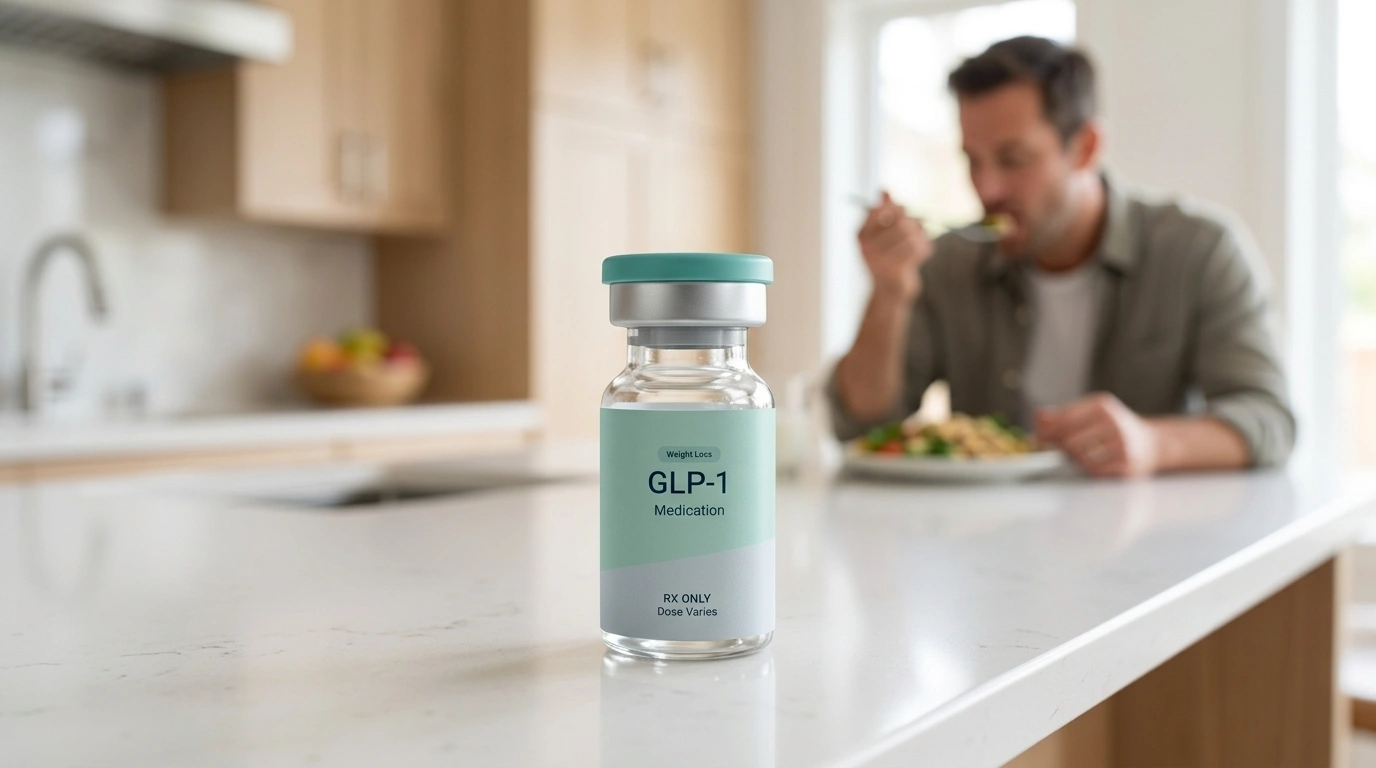
Waking up with the tell-tale scratchy throat or body aches of COVID-19 is stressful enough without having to worry about your medication schedule. For those of us using Ozempic® or similar GLP-1 (glucagon-like peptide-1) medications for weight management or blood sugar control, a positive test result often sparks immediate concern. If you want to see whether a personalized program is right for you, you can take the free assessment quiz. You might find yourself staring at your weekly injection pen, wondering if the medication will interact with the virus or if the common side effects of the shot will make your recovery even more difficult. At TrimRx, we understand that these moments of uncertainty can feel like a setback in your health journey. This post explores the latest research regarding GLP-1 medications and viral infections, the risks of dehydration, and how to decide whether to take your next dose while you recover. While clinical data suggests long-term benefits, the decision to pause or continue during an active infection is highly individual and requires careful consideration of your current symptoms. For a broader overview of how these medications work, see our guide to what GLP-1 medications are.
The Short Answer: It Depends on Your Symptoms
Quick Answer: If you have mild COVID-19 symptoms and are staying hydrated, you may often continue your dose. However, if you are experiencing severe nausea, vomiting, diarrhea, or a high fever, most healthcare providers recommend skipping your shot to prevent severe dehydration and allow your body to focus on recovery.
The primary concern when combining a GLP-1 medication like Ozempic® with a viral illness like COVID-19 is not necessarily a direct drug interaction. Instead, the concern is how the medication’s side effects might overlap with the symptoms of the virus. Ozempic® is a brand-name medication containing semaglutide, a GLP-1 receptor agonist that slows gastric emptying and influences the brain’s hunger signals. To understand that mechanism in more detail, our article on how GLP-1 works is a helpful next read.
When you have COVID-19, your body is already under significant stress. If you are among the many patients who experience gastrointestinal (GI) side effects from your medication—such as nausea or a decreased appetite—adding a viral infection to the mix can make it nearly impossible to maintain the hydration and nutrition necessary for healing.
The Risks: Why Some People Should Wait
Dehydration is the single greatest risk factor when taking a GLP-1 medication while sick with a virus. COVID-19 frequently causes fevers, which lead to fluid loss through sweating. If the virus also causes you to lose your appetite or feel nauseated, your fluid intake naturally drops.
Overlapping Gastrointestinal Distress
Many people taking semaglutide experience nausea, vomiting, or diarrhea as their body adjusts to the medication. These are also common symptoms of various COVID-19 variants. If you take your weekly shot while already feeling “queasy” from the virus, you may experience:
- Inability to keep down water or electrolyte drinks.
- Severe abdominal cramping.
- Increased risk of acute kidney injury due to prolonged dehydration.
Nutritional Deficiencies During Recovery
Your immune system requires energy to fight off an infection. Because medications like Ozempic® work by suppressing appetite and making you feel full faster, you may struggle to consume enough calories to support your immune response. If you are already struggling to eat due to a sore throat or fatigue, the appetite suppression from your medication could lead to significant weakness and a longer recovery time.
Managing Blood Sugar Fluctuations
For those using these medications to manage Type 2 diabetes, the stakes are slightly different. Infections naturally cause blood sugar levels to rise as the body releases stress hormones like cortisol. While Ozempic® helps lower blood sugar, if you are unable to eat, you may actually face a risk of hypoglycemia (low blood sugar) if you continue the medication without adequate carbohydrate intake.
Key Takeaway: The “safety” of taking your shot during COVID-19 is less about the virus itself and more about your ability to maintain hydration and nutrition despite the medication’s appetite-suppressing effects.
The Benefits: What Clinical Research Says
Interestingly, while there are reasons to be cautious during the “acute” phase of an infection (when you are the sickest), long-term use of GLP-1 medications may actually offer some protection against the worst outcomes of COVID-19.
The SELECT Trial Findings A significant clinical study known as the SELECT trial examined over 17,000 participants who were overweight or had obesity but did not have diabetes. The researchers were looking at cardiovascular outcomes, but because the study occurred during the pandemic, they also tracked COVID-19 data. The results were surprising:
- Participants taking semaglutide had a 19% lower rate of death from COVID-19 compared to the placebo group.
- The medication did not prevent people from catching the virus, but it was associated with fewer severe complications.
Why Does Semaglutide Help?
Researchers believe there are several reasons why being on a GLP-1 program might improve your “baseline” resilience against respiratory viruses. For a deeper look at the broader benefits and support structure around treatment, our overview of GLP-1 injection benefits is a useful companion.
- Reduced Inflammation: Semaglutide is known to lower systemic inflammation, measured by markers like C-reactive protein (CRP). Since the most severe COVID-19 cases are often driven by an overactive inflammatory response (a “cytokine storm”), having lower baseline inflammation may be protective.
- Improved Cardiovascular Health: COVID-19 is particularly hard on the heart and blood vessels. By improving heart health and reducing blood pressure, GLP-1 medications may help the body better withstand the stress of the infection.
- Metabolic Health: Individuals with better blood sugar control and lower body mass index (BMI) generally have better outcomes when facing viral infections.
Bottom line: While you might skip a dose during the week you feel the worst, being on a consistent GLP-1 program generally puts your body in a healthier state to handle infections in the long run.
Managing Your Dose While Sick
If you decide to pause your medication or if your doctor advises you to wait, it is important to handle the transition correctly. Most GLP-1 medications stay in your system for several weeks, so missing a single dose will not immediately undo all your progress.
The “Sick Day” Protocol If you are currently experiencing a fever or GI symptoms, consider these steps:
- Check your temperature and hydration: If you have a fever over 101°F or haven’t been able to drink 64 ounces of fluid in a day, skip the shot.
- Assess your appetite: If the thought of food is repulsive due to the virus, adding a GLP-1 dose will only make it harder to get the protein and electrolytes you need.
- Consult your provider: Always reach out to your medical team. We provide 24/7 access to specialists who can help you decide if skipping a week is the right move based on your specific health profile.
Hydration Strategies for Recovery
Whether you take the shot or not, hydration is your priority. Aim for small, frequent sips rather than large gulps, which can trigger nausea.
- Electrolytes are essential: Water alone isn’t enough if you are sweating or vomiting. Use sugar-free electrolyte powders or broths.
- Protein is fuel: If you can’t eat a full meal, try a room-temperature protein shake. Cold or hot liquids are sometimes easier to tolerate than solid food when you are congested.
If you want a clearer view of the support TrimRx offers around treatment decisions, you can also explore where to get GLP-1 support and care.
How to Resume Your Program After Recovery
Once your symptoms have cleared and you are back to a normal eating and drinking routine, you can usually resume your medication. However, the timing depends on how many doses you missed.
Missing One Week
If you only missed one dose, you can typically take your next dose as soon as you feel healthy again. You may choose to shift your “injection day” to the day you feel better, or wait until your next scheduled day.
Missing Two or More Weeks
If your bout with COVID-19 was severe and you missed two or more consecutive doses, do not simply jump back in at your previous high dose. Because the medication levels in your blood have dropped, restarting at a high dose can cause intense nausea and vomiting.
- Step-down approach: Your provider may suggest returning to a lower “starting” dose for a week or two to let your body readjust.
- Monitor for lingering fatigue: Many people experience “Long COVID” symptoms like extreme fatigue or brain fog. Ensure you are feeling physically strong before reintroducing a medication that can cause its own side effects.
Note: If you miss more than 14 days of your medication, contact your healthcare provider before taking your next shot. A dose adjustment may be necessary to prevent severe GI distress.
The Role of Personalized Support
Navigating a weight loss journey while dealing with unexpected illnesses is exactly why a telehealth-first approach is so valuable. You shouldn’t have to wait in a crowded doctor’s office while you’re sick just to ask if you should take your medication. At TrimRx, we prioritize this kind of ongoing, accessible support. If you’re ready to see whether a personalized program makes sense for you, complete the free assessment quiz.
Our programs are built on the idea that weight loss isn’t a straight line. Life happens—you get sick, you travel, or you hit a plateau. We connect you with licensed providers who look at your whole health picture, not just the number on the scale. Whether you are using compounded semaglutide or branded options like Wegovy® or Zepbound®, having a team you can message instantly about your COVID-19 symptoms ensures you stay safe and supported.
Maximizing Health Beyond the Injection
Taking a GLP-1 is only one part of the equation. To truly support your immune system and your metabolic health, you should consider how your daily habits influence your recovery.
The Importance of Sleep
During a COVID-19 infection, your body does its most important “repair work” during deep sleep. GLP-1 medications can sometimes affect sleep patterns for certain individuals. If you are sick, prioritize a dark, cool room and at least 8-9 hours of rest.
Nutrient Density
While your appetite is low, focus on “nutrient density.” This means choosing foods that pack a lot of vitamins and minerals into small portions. Think of berries, Greek yogurt, or a small piece of salmon. If you find your appetite is too suppressed to even eat these small amounts during your illness, that is a clear sign to pause your medication.
Supplementation Support
If you find that the combination of the virus and your medication is making it hard to maintain your energy, certain supplements may help bridge the gap once you are over the worst of the infection. Products like our GLP-1 Daily Support supplement are designed to help fill nutritional gaps that often occur when someone is on a reduced-calorie diet. However, during the height of a fever, focus on fluids first.
If your main concern is staying energized while you’re losing weight, our Weight Loss Boost supplement is the better fit for that kind of support.
Conclusion
Deciding whether to take your Ozempic® shot while you have COVID-19 comes down to listening to your body. While being on a semaglutide program can offer long-term cardiovascular and anti-inflammatory benefits that may actually help you recover more effectively, the acute phase of a viral infection requires a focus on hydration and rest. If you are battling significant nausea, vomiting, or a high fever, it is usually best to skip your weekly dose to avoid dehydration. Our mission is to help you navigate these hurdles with science and empathy. We believe that a personalized, medically supervised approach is the safest way to reach your goals. If you’re ready to start a program that offers this level of dedicated support, take the free assessment quiz.
Next Step: Take our free assessment quiz to see if a personalized weight loss program is right for you and get the medical guidance you need for every step of your journey.
FAQ
Can I take Ozempic and COVID-19 antiviral medications like Paxlovid together?
There are no known major drug-drug interactions between semaglutide and common COVID-19 antivirals. However, Paxlovid is known for causing a metallic taste and sometimes nausea, which can worsen the GI side effects already associated with GLP-1 medications. For more detail on how semaglutide and illness-related symptoms can overlap, see our article on can you take Ozempic when you have COVID. You should always inform your prescribing doctor of all medications you are taking to ensure a safe treatment plan.
Will skipping one week of my shot cause me to regain weight?
Missing a single dose of your medication will not lead to immediate weight regain. Semaglutide has a long half-life, meaning it stays in your system for several days after your scheduled dose. If you want a step-by-step overview of how TrimRx helps people get started, our guide to getting GLP-1 prescriptions online may be helpful. The most important thing during a COVID-19 infection is to recover fully so you can return to your healthy habits and exercise routine as soon as possible.
Does Ozempic make the COVID-19 vaccine less effective?
Current clinical data suggests that GLP-1 medications like Ozempic® do not interfere with the immune response generated by COVID-19 vaccines. You do not need to time your vaccination around your injection schedule, though some people prefer to separate them by a few days just to clearly distinguish which medication might be causing any temporary side effects like fatigue or soreness.
What should I do if I accidentally took my shot while I had a fever?
If you have already taken your dose and are feeling sick, focus intensely on hydration. Drink electrolyte-rich fluids and try to eat small, bland snacks like crackers or toast to settle your stomach. If you want to compare this situation with another illness-and-medication scenario, our Wegovy and COVID-19 guide covers similar decision points. Monitor for signs of severe dehydration, such as extreme thirst, dark urine, or dizziness, and contact a healthcare provider immediately if these symptoms occur.
Disclaimer: This content is for informational purposes only and does not constitute medical advice. It is not intended to diagnose, treat, cure, or prevent any disease or condition. Individual results may vary. Always consult a qualified healthcare professional before starting any weight loss program or medication.

Transforming Lives, One Step at a Time
Keep reading
Regained Weight After Stopping Ozempic? Don’t Restart at Your Old Dose
No. Whatever else you do, do not pick up where you left off. Tolerance to a GLP-1 is not assumed to persist through a…
Eating Less Than Ever on Ozempic but the Scale Won’t Move
Whatever else is true here, the answer is not to eat less. That needs saying first, because it is the direction this situation pushes…

Two Months on the Same Ozempic Dose With No Change: Is It Working?
Two months is long enough. Under four weeks is noise, four to eight weeks is a maybe, and eight weeks of a genuinely flat…


