Semaglutide for Weight Loss: A Path to Sustainable Health
Introduction
Finding a sustainable path to weight loss often feels like an uphill battle against your own biology. Many individuals spend years cycling through restrictive diets and intense exercise routines only to find the weight returns once the program ends. This cycle of frustration is not a failure of willpower; it is often a reflection of complex hormonal signals that govern hunger and satiety. At TrimRx, we believe that modern medical science can help bridge this gap by addressing the underlying biological factors of weight management. One of the most effective tools currently available is semaglutide, a medication that has changed how we approach metabolic health. This article covers how semaglutide works, who it is for, and how our telehealth-based approach provides a personalized path toward your goals. To see if this approach may fit your needs, you can take our free assessment quiz. We aim to show that sustainable weight management is possible when biology and lifestyle align.
How Semaglutide Works with Your Biology
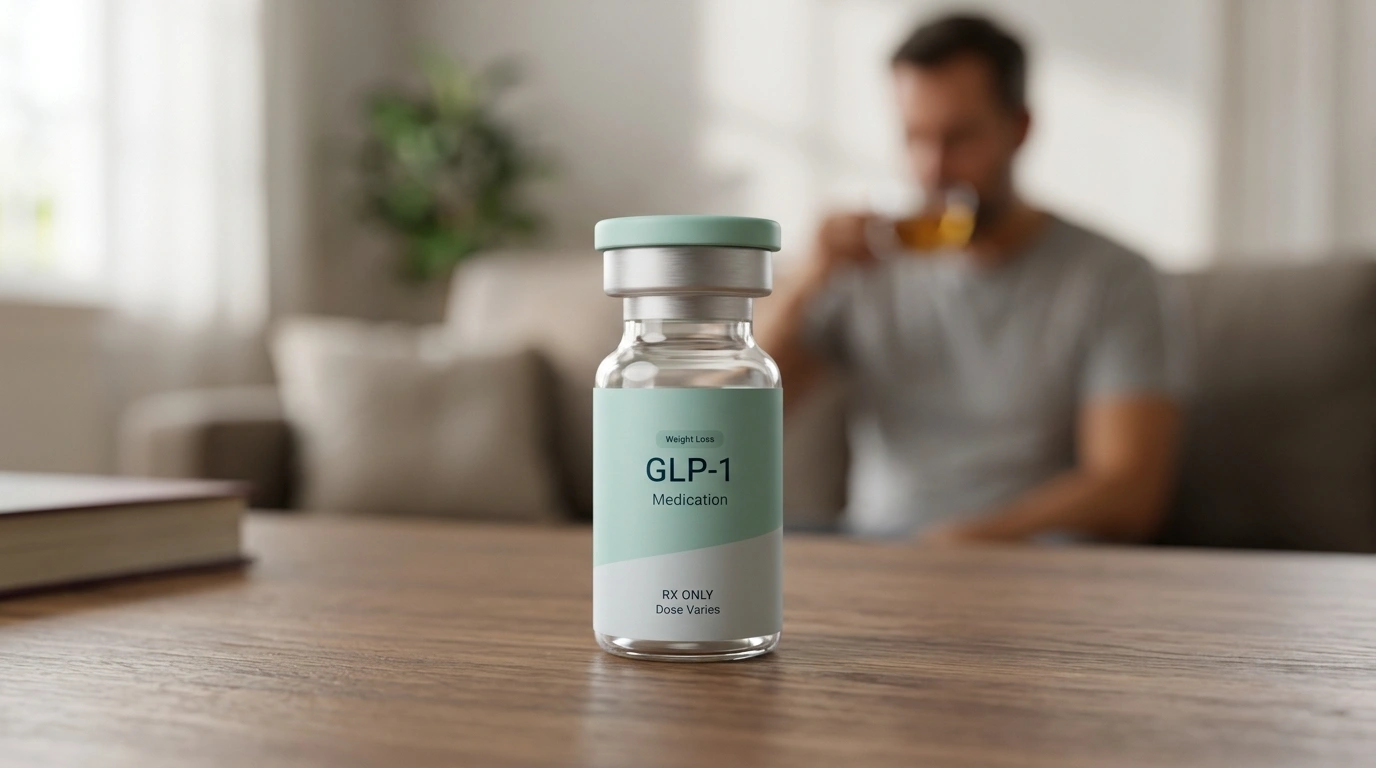
Semaglutide is a medication known as a GLP-1 receptor agonist, which mimics a hormone naturally produced in your body. This hormone, called glucagon-like peptide-1 (GLP-1), is released in the gut after you eat. It plays a vital role in regulating your appetite and how your body processes sugar. For a broader overview of this class, this guide to GLP-1 therapy explains how it fits into weight management. When you take semaglutide, it activates the same receptors that the natural hormone does, but it stays active in your system much longer. This prolonged action provides a steady signal to your body that helps manage your weight through several distinct pathways.
The first primary function of semaglutide is its impact on the brain’s hunger centers. Your brain has specific areas responsible for signaling when you are hungry and when you are full. Semaglutide interacts with these areas to reduce feelings of hunger and increase the sensation of fullness. Many people describe this as a reduction in “food noise,” which refers to the constant, intrusive thoughts about eating that can make dieting feel impossible. By quieting these signals, the medication allows you to make healthier food choices without feeling like you are fighting a constant internal battle.
The second key mechanism involves slowing down gastric emptying. This is the scientific term for the speed at which food leaves your stomach and enters your small intestine. When this process slows down, you feel physically full for a longer period after a meal. This natural portion control helps you reduce your overall calorie intake without the deprivation often associated with traditional dieting. Because you feel satisfied with smaller amounts of food, it becomes easier to develop sustainable eating habits that last.
Finally, semaglutide helps improve your body’s metabolic response to sugar. It encourages the pancreas to release the right amount of insulin when your blood sugar rises. It also helps reduce the amount of sugar your liver produces. These combined effects support a more stable metabolic environment, which is essential for long-term weight management. By addressing these various biological factors at once, semaglutide provides a multi-faceted approach to health.
Key Takeaway: Semaglutide mimics a natural hormone to reduce hunger signals in the brain and slow digestion, making it easier to maintain a calorie deficit.
From Diabetes Care to Weight Management
While semaglutide is currently a leading option for weight loss, its journey began as a treatment for type 2 diabetes. Researchers originally developed this medication to help patients manage their blood sugar levels more effectively. During clinical trials, doctors noticed a significant and consistent side effect: patients were losing a substantial amount of weight. This discovery led to further studies focused specifically on weight loss in individuals with and without diabetes.
Clinical research has shown that semaglutide can support significant weight reduction when combined with lifestyle changes. If you want a deeper look at how prescription access works, how to get prescribed semaglutide for weight loss walks through the process. Large-scale studies involving thousands of participants demonstrated that those using the medication lost more weight than those using a placebo. These results were consistent across various groups of people, regardless of their starting weight or age. The findings were so compelling that the medication was eventually approved for chronic weight management under specific brand names.
It is important to understand the different forms of semaglutide available today. Branded medications like Ozempic® were originally approved for diabetes management, while Wegovy® was approved specifically for weight loss. Both of these branded products contain semaglutide but are marketed for different primary uses. Because these medications are in high demand, many patients now look toward compounded versions prepared by specialized pharmacies. These options provide more flexibility and accessibility for those who may not be able to obtain the branded versions.
Bottom line: Semaglutide was initially a diabetes treatment, but its powerful impact on appetite and metabolism led to its widespread use as a primary weight loss tool.
Determining Eligibility for Semaglutide
Not everyone who wants to lose weight is an immediate candidate for semaglutide. Medical professionals follow specific criteria to ensure the medication is used safely and effectively. Typically, eligibility is based on an individual’s Body Mass Index (BMI), which is a measure of weight in relation to height. A healthcare provider will usually consider semaglutide for adults with a BMI of 30 or greater, which is categorized as obesity.
Individuals with a BMI of 27 or greater may also be eligible if they have weight-related health conditions. For a closer look at the criteria, this semaglutide qualification guide explains the common thresholds and provider review process. These conditions, often called comorbidities, include things like high blood pressure, type 2 diabetes, or high cholesterol. For these individuals, losing weight is not just about aesthetics; it is a critical step in managing or preventing serious chronic illnesses. A medical provider will review your full health history to determine if semaglutide is the right fit for your specific needs.
The process of determining eligibility is thorough and patient-centered. When you use a platform like ours, you start with a comprehensive health assessment. This quiz asks about your medical history, your previous weight loss attempts, and your current health goals. A licensed provider then reviews this information to decide if semaglutide is appropriate for you. This step is vital because it ensures that the medication is prescribed only when it is safe and likely to be beneficial.
There are certain groups of people who should not use semaglutide. For example, individuals with a personal or family history of medullary thyroid carcinoma or Multiple Endocrine Neoplasia syndrome type 2 should avoid this medication. It is also not recommended for women who are pregnant or planning to become pregnant. Your provider will discuss these contraindications with you during your consultation to ensure your safety throughout the program.
Note: Eligibility for semaglutide is typically based on BMI and the presence of weight-related health conditions, as determined by a licensed medical provider.
The TrimRx Telehealth Experience
We offer a streamlined, telehealth-first approach to weight loss that prioritizes your convenience and privacy. Traditional medical weight loss programs often require multiple in-person visits, long waiting room times, and frequent trips to the pharmacy. Our platform removes these barriers by connecting you with licensed healthcare providers through a secure online portal. If you want to understand the access process first, getting semaglutide online safely is a helpful next read. You can complete your entire journey—from the initial consultation to receiving your medication—from the comfort of your own home.
The journey begins with our free assessment quiz. This tool is designed to gather essential information about your health profile and weight loss goals. It takes only a few minutes to complete, but it provides our medical team with the data they need to start building your personalized program. Once you complete the quiz, you will be connected with a provider who will review your information and discuss the best course of action for your specific needs.
If the provider determines that semaglutide is right for you, we handle the logistics of getting your medication. We partner with FDA-registered and inspected compounding pharmacies to prepare your medication. This ensures that you receive high-quality compounded semaglutide that meets rigorous standards for safety and purity. The medication is then shipped directly to your door in discreet packaging, along with all the supplies you need for administration.
Our program is more than just a prescription; it is a comprehensive support system. We provide 24/7 access to a dedicated team of specialists who can answer your questions and provide guidance. Whether you have concerns about side effects or need advice on how to optimize your results, we are here to support you every step of the way. This personalized approach is designed to help you stay on track and achieve sustainable success.
Step 1: Complete the online assessment. / Answer questions about your health history and goals.
Step 2: Consult with a provider. / A licensed professional reviews your quiz and recommends a plan.
Step 3: Receive your medication. / Your personalized treatment is shipped from a registered pharmacy.
Step 4: Ongoing support. / Access our team of specialists anytime for guidance and monitoring.
Branded vs. Compounded Semaglutide
When researching semaglutide, you will likely encounter both branded and compounded versions. It is essential to understand the differences between these options so you can make an informed decision about your care. Branded medications like Ozempic® and Wegovy® are manufactured by specific pharmaceutical companies and have undergone the full FDA approval process for their specific uses. These are standard, mass-produced versions of the medication.
Compounded semaglutide is a personalized alternative prepared by licensed pharmacists. Compounding is the practice of combining, mixing, or altering ingredients to create a medication tailored to the needs of an individual patient. This is often necessary when a patient has an allergy to a specific inactive ingredient or when there is a shortage of the mass-produced branded drug. Compounded medications are not FDA-approved in the same way that branded drugs are, but they are prepared in pharmacies that must follow strict state and federal regulations.
The pharmacies we partner with are FDA-registered and frequently inspected. This oversight ensures that the compounded semaglutide you receive is made with high-quality ingredients and follows precise manufacturing protocols. Many patients choose compounded options because they offer a more accessible way to start their weight loss journey, especially when branded medications are difficult to find or do not fit their specific needs.
Your medical provider will help you decide which version is most appropriate for your situation. Both branded and compounded versions contain the same active ingredient, semaglutide, which is the component responsible for the weight loss effects. The main differences lie in the manufacturing process and the specific inactive ingredients used to stabilize the medication. Regardless of which path you take, the goal remains the same: supporting your metabolic health through science-backed treatment.
Myth: Compounded medications are unregulated and unsafe.
Fact: Compounded semaglutide is prepared by licensed pharmacists in FDA-registered facilities that must adhere to strict quality and safety standards.
Managing Potential Side Effects
Like any medication, semaglutide can cause side effects, though many are manageable and temporary. The most common issues people experience are gastrointestinal. These include nausea, vomiting, diarrhea, and constipation. Because the medication slows down your digestion, your body needs time to adjust to the new pace. For most people, these symptoms are most noticeable when they first start the medication or when their dosage is increased.
There are several strategies you can use to minimize discomfort. Eating smaller, more frequent meals can help prevent your stomach from feeling overly full. It is also helpful to focus on bland, low-fat foods if you are feeling nauseous. Staying hydrated is critical, as it supports digestion and can help prevent constipation. For more general background on treatment challenges, GLP-1 medication access and support can help put the bigger picture into context. Many patients find that their symptoms naturally improve after a few weeks as their body becomes accustomed to the medication.
Working closely with your healthcare provider is the best way to manage side effects. Our medical team at TrimRx is available to help you navigate any challenges you face. If side effects are persistent or bothersome, your provider may adjust your dosing schedule to give your body more time to adapt. They can also provide specific recommendations for over-the-counter support or lifestyle adjustments that can make a difference.
While rare, there are more serious side effects that require immediate medical attention. These can include severe abdominal pain, which might indicate an issue with the pancreas or gallbladder. If you experience any symptoms that feel alarming or different from the common mild side effects, you should contact a healthcare professional right away. Part of our commitment to your health is ensuring you have the information and support needed to use your medication safely.
Bottom line: While mild gastrointestinal side effects are common, they are usually temporary and can be managed with hydration, diet adjustments, and professional guidance.
Maximizing Results with Lifestyle Habits
Semaglutide is a powerful tool, but it works best when paired with healthy lifestyle choices. The medication addresses the biological side of weight loss, while your habits address the behavioral side. Together, these two forces create a comprehensive approach that leads to better results than either one could achieve alone. Think of semaglutide as a “bridge” that makes it easier to build the foundation for a healthier future.
Focusing on protein intake is essential while using semaglutide. Because the medication reduces your appetite, you may be eating significantly less than before. It is vital to ensure that the calories you do consume are nutrient-dense. High protein intake helps preserve lean muscle mass during weight loss, which is important for maintaining a healthy metabolism. If you want extra nutritional support while appetite is lower, GLP-1 Daily Support is designed for that role. We often recommend prioritizing lean meats, beans, tofu, and dairy to meet your nutritional needs.
Regular physical activity supports your weight loss and improves overall well-being. You don’t need to spend hours in the gym to see benefits. Even moderate activity, like walking for 30 minutes a day, can help strengthen your heart and improve your mood. Strength training is particularly beneficial as it further helps protect your muscle mass. Physical activity also helps your body become more sensitive to insulin, which complements the metabolic effects of semaglutide.
We also offer supplements designed to support your journey. Weight Loss Boost can be a helpful option when you want added energy and metabolic support alongside your routine. These supplements are available for immediate purchase and do not require a consultation. They can be a valuable addition to your routine, helping you feel your best as you work toward your goals.
Key Takeaway: Combining semaglutide with high-protein nutrition and regular movement ensures that you lose weight healthily while preserving metabolic strength.
Realistic Expectations for Your Journey
It is important to have a realistic timeline for your weight loss results. Weight loss with semaglutide is typically a gradual process. Most people do not see dramatic changes overnight, but rather a steady decrease in weight over several months. This slow and steady approach is actually better for your body, as it allows your skin and metabolism to adjust more naturally. Patience is a key part of success in any medical weight loss program.
Your dosage will likely start low and increase slowly over time. This process, called titration, is designed to minimize side effects while finding the dose that is most effective for your body. Your provider will monitor your progress and symptoms closely, making adjustments as needed. Following this gradual increase is essential for a comfortable and successful experience.
Success is measured by more than just the number on the scale. While losing weight is the primary goal, you may also notice other “non-scale victories.” These include having more energy, your clothes fitting better, and improvements in your blood pressure or cholesterol levels. Many people also report a better relationship with food, feeling more in control of their choices and less driven by cravings.
Long-term weight management requires a commitment to lasting change. Semaglutide helps you lose the weight, but your new habits will help you keep it off. Our goal at TrimRx is to provide you with the tools, medication, and support you need to make these changes permanent. By focusing on total health rather than just a quick fix, you can achieve a version of yourself that is healthier, more energetic, and more confident.
Bottom line: Weight loss with semaglutide is a gradual journey that involves careful dosing, lifestyle changes, and a focus on overall health improvements.
Conclusion
Semaglutide represents a major advancement in the science of weight management, offering a way to address the biological hurdles that make weight loss so difficult. By mimicking natural hormones, this medication helps regulate appetite and metabolism, providing the support many people need to break the cycle of unsuccessful dieting. Our mission at TrimRx is to make this science-backed treatment accessible, personalized, and empathetic. We understand that every weight loss journey is unique, which is why our program is built around your individual health profile and goals. With the right medical support, a focus on nutrition, and a commitment to long-term habits, you can transform your health in a way that is sustainable and life-changing. If you are ready to see if semaglutide is the right fit for you, complete the free assessment quiz to start your personalized journey today.
FAQ
How long does it take to see results on semaglutide?
While every individual is different, most people begin to notice changes in their appetite within the first few weeks of treatment. Significant weight loss typically becomes more apparent after several months of consistent use and gradual dosage increases. It is important to stay patient and focus on long-term health improvements rather than immediate results.
Do I have to stay on semaglutide forever?
The length of time you remain on semaglutide depends on your individual health goals and the recommendation of your healthcare provider. Some people use it as a temporary tool to reach a healthy weight, while others may benefit from longer-term use to maintain their metabolic health. Your provider will help you develop a plan that transition you toward long-term maintenance once your goals are met.
Can I get semaglutide without an in-person doctor’s visit?
Yes, our platform is designed to provide high-quality medical care entirely through telehealth. You can complete your health assessment and consult with a licensed provider online, which eliminates the need for waiting rooms or in-person appointments. If prescribed, your medication is shipped directly to your home from an FDA-registered compounding pharmacy.
What happens if I miss a dose of my medication?
If you miss a dose, you should follow the specific instructions provided by your medical team or the information included with your prescription. Generally, if you miss a dose by only a few days, you can take it as soon as you remember. However, if it is close to your next scheduled dose, you should skip the missed one and continue with your regular schedule.
Disclaimer: This content is for informational purposes only and does not constitute medical advice. It is not intended to diagnose, treat, cure, or prevent any disease or condition. Individual results may vary. Always consult a qualified healthcare professional before starting any weight loss program or medication.

Transforming Lives, One Step at a Time
Keep reading

Starting a New Job With No Insurance While on Ozempic
The problem is usually a waiting period rather than a permanent loss, and waiting periods are plannable in a way that job loss is…

Does Collagen Help With Loose Skin on Ozempic?
Probably not for the thing you are hoping it will fix, and it is unlikely to do harm. Collagen supplements have been studied mainly…

Does Apple Cider Vinegar Do Anything on Ozempic?
Not much that you are not already getting, and there is a specific reason to be careful with it on this medication. The main…


