Can I Take Creatine While on Tirzepatide?
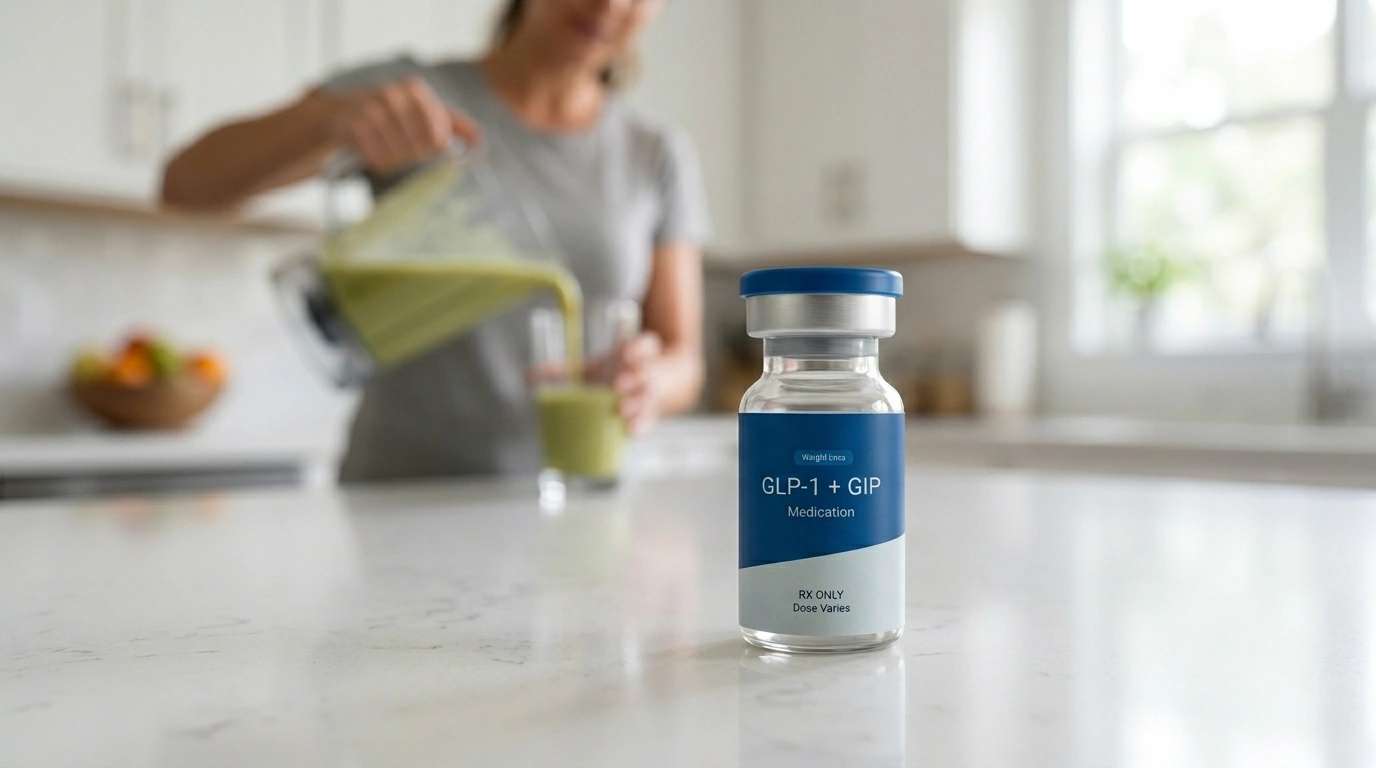
Introduction
Standing on the scale and seeing the numbers drop is a victory, but many people on a weight loss journey eventually face a new concern: “Am I losing fat or muscle?” This question is particularly common for those using tirzepatide, a dual-action medication that has changed the landscape of metabolic health. If you are focused on preserving your strength and metabolic rate while losing weight, you might be wondering if adding a performance staple like creatine is safe or even beneficial.
At TrimRx, we believe that weight loss should be about more than just a smaller number on the scale; it should be about building a healthier, more resilient body. This post explores the relationship between creatine and tirzepatide, looking at safety, muscle preservation, and how to manage hydration when combining the two. While there are no direct medication interactions between them, there are practical considerations for your daily routine. If you are exploring whether a personalized prescription program may be appropriate, you can complete a free eligibility assessment. This article provides the evidence-based clarity you need to optimize your health journey safely.
What is Tirzepatide?
Tirzepatide is a modern medication used for chronic weight management and blood sugar control. It belongs to a class of drugs known as GLP-1 and GIP receptor agonists. While most people are familiar with “GLP-1,” tirzepatide is unique because it targets two different hormone receptors: the glucagon-like peptide-1 (GLP-1) and the glucose-dependent insulinotropic polypeptide (GIP).
In plain English, these hormones tell your brain that you are full and tell your stomach to slow down how fast it empties. This combination helps reduce appetite and makes it easier to stick to a calorie-controlled diet. Because tirzepatide works on two pathways instead of one, clinical studies have shown it can lead to significant weight reduction when combined with lifestyle changes. However, because it is so effective at reducing food intake, some individuals may struggle to consume enough protein and nutrients to maintain their muscle mass. For more context, read this guide to what to expect with your first dose of tirzepatide.
What is Creatine?
Creatine is one of the most researched and widely used dietary supplements in the world. It is a natural compound found in small amounts in red meat and seafood, and your body also produces it in the liver, kidneys, and pancreas. It is stored primarily in your skeletal muscles as phosphocreatine.
The primary role of creatine is to help produce adenosine triphosphate (ATP), which is the main energy source for your cells. When you do high-intensity exercise like lifting weights or sprinting, your muscles use ATP for power. Creatine helps “recharge” those energy stores quickly, allowing you to train harder and recover faster. Beyond the gym, research suggests that creatine supports muscle retention and cognitive health, making it a popular choice for adults of all ages, not just athletes.
Can I Take Creatine While on Tirzepatide?
Quick Answer: Yes, you can generally take creatine while on tirzepatide. There are no known direct drug-drug interactions between the two, but you must prioritize hydration and monitor for gastrointestinal side effects.
The “interaction” between these two is not chemical, but rather functional. Tirzepatide affects your appetite and digestion, while creatine affects how your muscles hold water and produce energy. Because tirzepatide can occasionally cause nausea or dehydration if you aren’t drinking enough, and creatine requires adequate water to work effectively, your hydration strategy becomes the most important part of the equation. For additional guidance, review this article about hydration on tirzepatide.
The Importance of Muscle Preservation
One of the biggest challenges with rapid weight loss—whether through diet alone or with the help of medications like Mounjaro® or Zepbound®—is the loss of lean muscle mass. Research suggests that when people lose a significant amount of weight quickly, a portion of that weight (sometimes 25% or more) can come from muscle rather than fat.
Losing muscle is counterproductive for several reasons:
- Metabolic Rate: Muscle is metabolically active tissue. The more muscle you have, the more calories your body burns at rest.
- Functional Strength: Muscle supports your joints and allows you to stay active as you age.
- Long-term Maintenance: Preserving muscle makes it easier to keep the weight off once you reach your goal.
This is where the interest in creatine comes in. By supporting your ability to perform resistance training, creatine helps send a signal to your body to keep its muscle tissue even while the fat is burning away. A practical companion resource is this guide to strength training on GLP-1 medications.
Key Takeaway: Combining a GLP-1 or GIP medication with resistance training and supportive supplements like creatine may help minimize muscle loss and support a healthier body composition.
How Creatine and Tirzepatide Interact in the Body
To understand why these two are generally safe together, we have to look at how the body processes them. Tirzepatide is a peptide that is eventually broken down into amino acids by the body. It does not rely on the liver’s cytochrome P450 enzyme system, which is where many drug-drug interactions happen.
Creatine is also a simple nitrogenous compound that works specifically within the muscle cells. It does not interfere with the hormone receptors that tirzepatide targets. Because they operate on different “tracks” within your biology, they do not compete with each other.
The only area where they overlap is in the digestive system and the kidneys. Both can place a slight demand on your hydration levels. Tirzepatide can sometimes cause diarrhea or vomiting, which leads to fluid loss. Creatine works by drawing water into the muscle cells (osmosis). If you are already dehydrated from medication side effects, adding creatine without increasing your water intake could lead to cramping or dizziness.
Benefits of Using Creatine During Your Weight Loss Journey
If you are using a personalized program through a platform like TrimRx, your goal is likely sustainable, long-term health. Creatine can be a valuable tool in reaching that goal for several reasons.
Improved Strength Training Performance
Weight loss medications can sometimes lead to a feeling of low energy because you are eating fewer calories. Creatine helps bridge this gap by providing your muscles with the quick-access energy (ATP) needed for strength training. This allows you to maintain your workout intensity even when your appetite is low. For additional energy support while pursuing weight loss, explore the Weight Loss Boost supplement.
Muscle Retention During Caloric Deficits
When your body is in a calorie deficit, it looks for energy sources. Without proper stimulus and nutrients, it may break down muscle. Creatine, especially when paired with adequate protein intake, provides an anabolic signal that encourages the body to prioritize fat burning over muscle wasting.
Support for Metabolic Health
Because muscle is a major site for glucose (sugar) disposal, keeping your muscle mass helps maintain healthy blood sugar levels. This complements the primary goal of tirzepatide, which is to improve metabolic function.
Managing Side Effects and Hydration
While the combination is generally safe, you should be mindful of how your body reacts. Both tirzepatide and creatine can affect the gastrointestinal (GI) tract. For a broader overview, read this guide to tirzepatide side effects and how to manage them.
Gastrointestinal Comfort
Tirzepatide is known for causing “slow stomach emptying,” which can lead to nausea or bloating. Some people find that high doses of creatine, particularly during a “loading phase,” can also cause mild stomach upset. To avoid compounding these issues, many experts recommend skipping the traditional creatine loading phase (where you take 20 grams a day) and instead taking a consistent maintenance dose of 3 to 5 grams daily.
The Hydration Rule
Hydration is the most critical factor when taking creatine with tirzepatide. Tirzepatide can reduce your thirst cues, meaning you might forget to drink enough water. Meanwhile, creatine is pulling water into your muscles.
- Goal: Aim for at least 2–3 liters of water per day.
- Sign of Success: Your urine should be pale yellow.
- Warning Sign: If your urine is dark or you feel lightheaded, you need to increase your fluid and electrolyte intake immediately.
Note: If you experience persistent vomiting or diarrhea from your medication, stop taking creatine until your symptoms resolve and your hydration levels are back to normal.
Practical Dosing Guidelines
If you and your healthcare provider decide that creatine is right for your routine, follow these steps to integrate it smoothly:
- Step 1: Choose Creatine Monohydrate. This is the most studied form of the supplement and is generally the most affordable and effective.
- Step 2: Start with a Maintenance Dose. Skip the 20-gram loading phase. Start with 3–5 grams daily. This reduces the risk of stomach upset.
- Step 3: Time it for Consistency. It doesn’t matter much when you take creatine, as long as you take it every day. Many people find it easiest to mix it into a morning protein shake or a glass of water after a workout.
- Step 4: Monitor Your Weight Data. Creatine causes your muscles to hold more water, which might lead to a 1–3 pound “gain” on the scale in the first week. This is not fat. It is water inside your muscles, which is a good thing for muscle health. Do not let this temporary stall on the scale discourage you.
Who Should Be Cautious?
While creatine is safe for most healthy adults, certain groups should exercise caution and speak with a licensed healthcare provider before starting.
Individuals with Kidney Concerns
Creatine is filtered by the kidneys. While studies show it does not cause kidney damage in healthy people, those with pre-existing kidney disease or reduced renal function should avoid it unless specifically cleared by a doctor. Additionally, taking creatine can naturally raise your “creatinine” levels on blood tests. This can sometimes look like kidney stress to a lab, even if your kidneys are fine. Always tell your provider if you are taking creatine before you have lab work done.
Those with Severe GI Side Effects
If your body is struggling to adjust to tirzepatide and you are experiencing significant nausea or frequent vomiting, adding any supplement may make you feel worse. Wait until your medication dose is stable and your stomach has settled before adding new supplements to your routine.
The Role of Personalized Support
Every body responds differently to medication and supplementation. This is why a “one-size-fits-all” approach to weight loss often fails. At TrimRx, we focus on providing access to personalized programs that consider your unique health profile.
When you use a telehealth platform, you have the benefit of professional guidance without the need for a waiting room. This allows you to discuss your supplement routine—including creatine—with a licensed provider who understands how GLP-1 and GIP medications work. If you are considering prescription treatment, find out if you may qualify for a personalized program.
Bottom line: Creatine is a supportive tool, not a replacement for medical supervision, a high-protein diet, and consistent resistance training.
Myths vs. Facts About Creatine and Weight Loss
Myth: Creatine will make me look “bulky” or bloated. Fact: Creatine causes “intracellular” hydration, meaning the water goes inside the muscle cell, not under the skin. This usually makes muscles look firmer, not bloated. It will not cause “bulk” unless you are also eating a massive calorie surplus and lifting very heavy weights.
Myth: Creatine is a steroid. Fact: Creatine is not a steroid. It is a natural compound made of amino acids that your body already produces and uses every day for energy.
Myth: I don’t need creatine if I’m not a bodybuilder. Fact: Older adults and people in a calorie deficit can benefit significantly from creatine to prevent age-related muscle loss and support metabolic health.
Integrating Creatine into a TrimRx Program
If you are currently part of a program through TrimRx, or considering starting one, you are already taking a major step toward better metabolic health. Our programs often involve medications like Compounded Tirzepatide or Compounded Semaglutide, which are prepared by FDA-registered compounding pharmacies to meet specific patient needs.
As you navigate your journey, you might also consider our quick-access supplements like GLP-1 Daily Support. While these are not a replacement for your prescription, they are designed to support your body’s natural pathways. When you add creatine to this mix, you are creating a “stack” that supports weight loss from multiple angles:
- Medication: Reduces appetite and improves insulin response.
- Protein & Creatine: Protects lean muscle and fuels workouts.
- Hydration & Electrolytes: Keeps the system running smoothly and minimizes side effects.
The Next Steps for Your Journey
If you are ready to take your weight loss to the next level and want to ensure you are doing it the right way, focus on these three actions:
- Prioritize Protein: Aim for a high-protein diet to give your muscles the building blocks they need.
- Lift Weights: Even two days a week of resistance training can make a massive difference in your results.
- Consult Your Provider: Ensure your supplement routine aligns with your medical history.
At TrimRx, our mission is to help individuals embrace a healthier lifestyle through science, empathy, and transparency. We provide a telehealth-first experience that removes the traditional barriers to high-quality care. Whether you are curious about tirzepatide or looking for ways to optimize your current results with tools like creatine, you are welcome to take the free assessment quiz and explore your next step.
Summary: A Science-Backed Duo
Can you take creatine while on tirzepatide? The science points to a resounding yes for most people. By protecting your muscle mass, creatine helps ensure that the weight you lose is the weight you want to lose. As long as you stay hydrated and listen to your body, this combination can be a powerful strategy for improving your body composition and metabolic health.
Key Takeaway: The goal of your weight loss journey isn’t just to be “thin”—it’s to be strong, healthy, and capable. Creatine is a well-researched, safe, and effective way to support that goal while using tirzepatide.
FAQ
Does creatine cause weight gain on tirzepatide?
Creatine can cause a small, temporary increase in weight (usually 1 to 3 pounds) due to increased water retention inside the muscle cells. This is not fat gain; it is actually a sign that your muscles are becoming better hydrated and more efficient at producing energy.
Can creatine help with the fatigue caused by GLP-1 medications?
While not a stimulant like caffeine, creatine helps your cells regenerate energy (ATP) more effectively. Many people find that this improves their stamina during workouts, which can help counteract the general tiredness sometimes associated with a low-calorie diet.
Is it better to take oral or injectable tirzepatide with creatine?
Creatine can be taken regardless of whether you are using an injectable or oral format of your medication. The most important factor is consistency and ensuring you are drinking enough water to support both the medication’s effects and the creatine’s uptake.
Can I take creatine if I have high blood pressure?
Creatine is generally safe for people with high blood pressure, but because it affects fluid balance, it is essential to monitor your levels and consult with your healthcare provider. Staying properly hydrated and maintaining a balanced electrolyte intake is key for cardiovascular health while on any weight loss program. If you are considering a personalized medical weight loss program, you can complete a free assessment.
Disclaimer: This content is for informational purposes only and does not constitute medical advice. It is not intended to diagnose, treat, cure, or prevent any disease or condition. Individual results may vary. Always consult a qualified healthcare professional before starting any weight loss program or medication.

Transforming Lives, One Step at a Time
Keep reading

Should You Taper Off Tirzepatide or Just Stop? What the Evidence Says
There is very little direct evidence either way, and anyone who tells you otherwise is filling a gap with confidence. The withdrawal trials that…
Stalled on Tirzepatide Even After a Dose Increase: Your Options
The first thing to check is how long it has been since the increase, because most people ask this question too early. A dose…

Why Did Tirzepatide Stop Working After Three Months of Fast Loss?
Five things explain almost all of it, and the first is the least satisfying: the fast stretch was never going to last. Weight loss…


