What Supplements Should I Take While on Tirzepatide?
Introduction
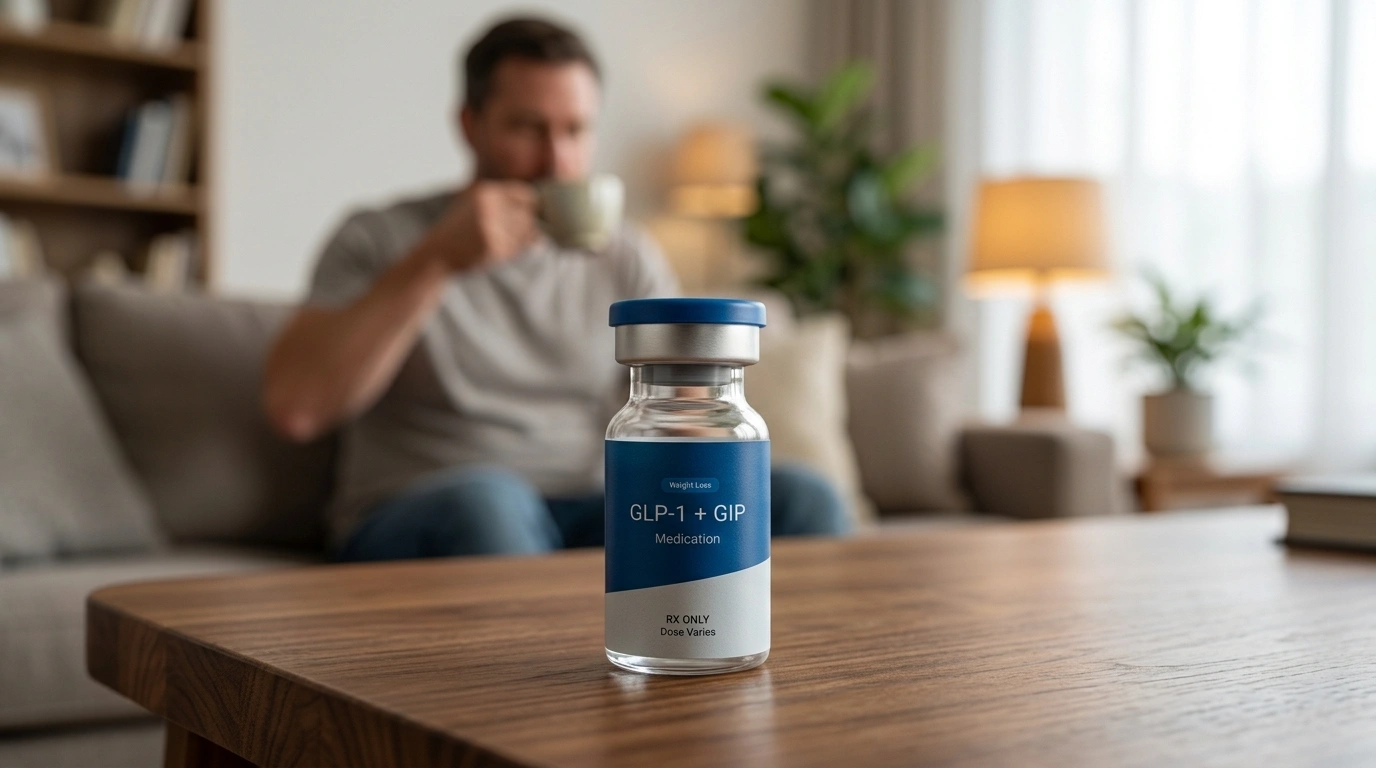
Starting a weight loss journey with tirzepatide often brings a sense of relief as the constant “food noise” finally quiets down. This medication, a dual-acting receptor agonist, is highly effective at regulating appetite and improving metabolic health. However, as your interest in food decreases and your portions become significantly smaller, a new challenge arises: ensuring your body still receives the essential nutrients it needs to thrive. When you eat less, you naturally take in fewer vitamins, minerals, and proteins, which can lead to fatigue, muscle loss, or digestive discomfort. At TrimRx, we believe that the most successful weight loss programs combine clinical intervention with proactive nutritional support. This article covers the essential supplements you should consider to manage side effects, preserve lean muscle, and optimize your overall wellness while taking tirzepatide.
If you are exploring whether prescription support may be appropriate for you, you can complete a free eligibility assessment.
Why Nutrition Changes on Tirzepatide
Tirzepatide works by mimicking two natural hormones in the body: glucagon-like peptide-1 (GLP-1) and glucose-dependent insulinotropic polypeptide (GIP). These hormones signal your brain to feel full and instruct your stomach to slow down the process of gastric emptying, which is the speed at which food leaves your stomach. While this is excellent for weight management, it fundamentally changes your relationship with nutrition.
Because food stays in your system longer and your appetite is suppressed, you may find it difficult to meet your daily requirements for micronutrients (vitamins and minerals) and macronutrients (protein, carbohydrates, and fats). Research suggests that individuals on GLP-1 and GIP medications may be at a higher risk for specific deficiencies because their overall food volume drops so significantly. Supplementation isn’t about replacing food; it is about “filling the gaps” to ensure your metabolism stays high and your body remains resilient as the pounds come off.
For a broader look at nutrient needs during treatment, review this tirzepatide vitamins and nutrition overview.
Key Takeaway: Tirzepatide reduces food intake and slows digestion, making it harder to get essential nutrients from diet alone. Targeted supplements can help prevent deficiencies and manage common side effects.
Essential Supplements for Muscle Maintenance
One of the most critical aspects of using tirzepatide is ensuring that the weight you lose comes from fat, not muscle. Rapid weight loss often triggers a process where the body breaks down muscle tissue for energy. Maintaining muscle is vital because muscle is metabolically active; the more you have, the more calories your body burns at rest.
For more guidance on protecting lean tissue during treatment, read about preserving muscle during GLP-1 weight loss.
The Role of Protein
Protein is the building block of muscle. When you are in a calorie deficit, your protein needs actually increase to help protect your existing muscle mass. Since tirzepatide makes you feel full quickly, hitting high protein targets through whole foods alone can be a struggle.
- Whey or Plant-Based Protein Powder: A high-quality protein shake can provide 20–40 grams of protein in a liquid form that is easier on a suppressed appetite.
- Essential Amino Acids (EAAs): These are the specific components of protein that the body cannot make on its own. Supplementing with EAAs can support muscle protein synthesis without adding significant calories.
Creatine Monohydrate
While often associated with bodybuilders, creatine is one of the most researched and safe supplements for anyone looking to preserve muscle. It helps your muscles produce energy during light exercise or resistance training, which is a necessary component of any weight loss plan.
Managing Digestive Comfort
Because tirzepatide slows down gastric emptying, digestive side effects like constipation, nausea, and bloating are common. How you support your gut can make a significant difference in how you feel on a daily basis.
For additional guidance, explore this guide to common GLP-1 side effects and management strategies.
The Importance of Fiber
Fiber is essential for moving waste through the digestive tract. However, many people on tirzepatide find that high-fiber foods like raw vegetables or beans are too filling or cause bloating. A gentle fiber supplement can help maintain regularity without the volume of high-fiber meals.
- Psyllium Husk or Methylcellulose: These are soluble fibers that absorb water and help soften stools.
- Prebiotic Fiber: This feeds the beneficial bacteria in your gut, which can become imbalanced when your diet changes.
Note: If you start a fiber supplement, you must increase your water intake. Adding fiber without enough hydration can actually worsen constipation.
Digestive Enzymes
Some users find that certain foods feel “heavy” in their stomach for hours. Digestive enzymes can help your body break down fats, proteins, and carbohydrates more efficiently, potentially reducing the feeling of “fullness” that borders on discomfort. Look for a broad-spectrum enzyme that includes lipase (for fats), protease (for protein), and amylase (for carbs).
Probiotics
A healthy microbiome is a cornerstone of metabolic health. Changes in how quickly food moves through your system can alter your gut flora. A high-quality probiotic containing strains like Lactobacillus and Bifidobacterium can support overall gut health and may help reduce gas and bloating.
Boosting Energy and Metabolism
Fatigue is one of the most frequently reported side effects of tirzepatide. This often happens because the body is adjusting to a lower calorie intake, or because of a deficiency in B vitamins, which are crucial for energy metabolism.
For additional metabolic and energy support during weight loss, consider the Weight Loss Boost supplement.
Vitamin B12
Vitamin B12 is essential for nerve function and the production of red blood cells. Some studies suggest that GLP-1 medications can interfere with the absorption of B12. Many patients find that a B12 supplement—whether as a sublingual (under the tongue) tablet or an injection—helps significantly with the “mid-afternoon slump” often associated with weight loss medications.
Coenzyme Q10 (CoQ10)
CoQ10 is an antioxidant that plays a key role in energy production within your cells’ mitochondria. As you lose weight, your mitochondria are working hard to process energy. Supplementing with CoQ10 can support cardiovascular health and provide a natural boost to your cellular energy levels.
Supporting Bone Health and Immunity
Rapid weight loss can sometimes impact bone density, especially in older adults or those who were already at risk. Furthermore, your immune system needs consistent micronutrient support to function correctly.
Vitamin D3 and Vitamin K2
Vitamin D is a common deficiency in the US, and it is vital for calcium absorption and immune health. Vitamin K2 works synergistically with Vitamin D to ensure that calcium is directed to the bones rather than accumulating in the arteries. Since Vitamin D is fat-soluble, and many people on tirzepatide reduce their fat intake, supplementation becomes even more important.
Magnesium
Magnesium is involved in over 300 biochemical reactions in the body. It helps with muscle relaxation, sleep quality, and even bowel regularity. If you experience muscle cramps or have trouble sleeping while on tirzepatide, a magnesium supplement (specifically magnesium glycinate for sleep or magnesium citrate for digestion) may be beneficial.
Hydration and Electrolyte Balance
Tirzepatide can change your body’s fluid balance. Between reduced food intake (which provides a significant amount of our daily water) and the medication’s effect on the kidneys, dehydration is a real risk.
Electrolyte Powders
When you lose weight quickly, your body often sheds excess water, taking electrolytes like sodium, potassium, and magnesium with it. Dehydration and electrolyte imbalances are often the root cause of the headaches and dizziness people feel when starting tirzepatide.
- What to look for: A sugar-free electrolyte powder that contains a balanced ratio of sodium, potassium, and magnesium.
- When to take it: Drinking electrolytes first thing in the morning or during exercise can help keep your energy levels stable and prevent “brain fog.”
Addressing Aesthetic Concerns: Hair, Skin, and Nails
A common concern among those losing significant weight is “Ozempic® hair,” which is actually a medical condition called telogen effluvium. This is temporary hair thinning caused by the stress of rapid weight loss on the body.
Collagen Peptides
Collagen is the most abundant protein in the body and provides structure to your skin, hair, nails, and joints. Supplementing with collagen may help support skin elasticity as you lose fat and provide the necessary amino acids for hair growth.
Biotin and Zinc
Biotin (Vitamin B7) and Zinc are two micronutrients famous for supporting the keratin infrastructure of the body. While they won’t stop the physiological stress of weight loss, they ensure your body has the raw materials needed for healthy hair regrowth once your weight stabilizes.
Supplements to Approach with Caution
While most vitamins are safe, there are a few categories you should discuss carefully with your healthcare provider while on tirzepatide.
- Blood-Sugar Lowering Herbs: Herbs like berberine, fenugreek, or bitter melon are often touted as “natural” weight loss aids because they lower blood sugar. Since tirzepatide already lowers blood glucose, combining them can increase the risk of hypoglycemia (dangerously low blood sugar).
- High-Dose Fat-Soluble Vitamins: Vitamins A, D, E, and K are stored in the body’s fat. As you lose fat, these vitamins are released into the bloodstream. Taking extremely high doses during active weight loss could potentially lead to toxicity.
- Certain Herbal Stimulants: Excessive caffeine or herbal stimulants can increase heart rate or worsen nausea, which may already be sensitive due to the medication.
Important: Always consult with a licensed healthcare professional before adding new supplements to your routine, especially if you are taking other medications for blood pressure or diabetes.
How to Build Your Personalized Regimen
No two weight loss journeys are identical. Your supplement needs will depend on your starting health, your diet, and how your body responds to the medication. We recommend a “test, don’t guess” approach. Regular blood work can identify specific deficiencies in B12, Vitamin D, or Iron, allowing you to tailor your intake.
Step 1: Start with the Basics
Begin with a high-quality multivitamin and a protein supplement. This covers the most common gaps created by a reduced-calorie diet. We offer quick-access supplements like Weight Loss Boost to help support your metabolic health during this phase.
Step 2: Monitor Your Symptoms
If you feel fatigued, look at B12 and electrolytes. If you are constipated, focus on fiber and magnesium. If you notice hair thinning, consider collagen and biotin.
Step 3: Consult Your Specialist
Our platform provides access to specialists who can help you navigate these choices. Our personalized programs are designed to look at your medical history and goals to ensure your supplement routine complements your prescription treatment.
If you are ready to explore prescription support, you can take the free assessment quiz.
Conclusion
Tirzepatide is a powerful tool for weight management, but it works best when supported by a solid nutritional foundation. By being proactive with supplements like protein, fiber, B12, and electrolytes, you can minimize side effects and ensure your body remains strong and energized. Our mission at TrimRx is to provide a science-backed, empathetic approach to weight loss that goes beyond just a prescription. We are here to support your entire health profile, ensuring that your journey toward a healthier weight is both sustainable and comfortable. Whether you are just starting or are well into your progress, focusing on these key nutrients will help you achieve the results you deserve.
If you are ready to take the next step in your health journey, we invite you to take our free assessment quiz to see which personalized program is right for you. For those looking for immediate nutritional support, explore the GLP-1 Daily Support supplement today.
FAQ
Can I take a multivitamin with tirzepatide?
Yes, taking a high-quality multivitamin is often recommended because tirzepatide significantly reduces your appetite, which can lead to a lower intake of essential vitamins and minerals. A multivitamin acts as a safety net to ensure you are meeting your daily requirements while eating smaller portions. It is usually best to take it with your largest meal of the day to enhance absorption and reduce the risk of nausea.
Will supplements help with the nausea caused by tirzepatide?
Certain supplements, such as ginger or vitamin B6, are well-known for helping manage nausea. Additionally, ensuring you are well-hydrated with electrolytes and taking digestive enzymes can help prevent the “heavy” stomach feeling that often leads to queasiness. If nausea persists, it is important to speak with your healthcare provider about adjusting your dosage or trying different management strategies.
For more information, review these GLP-1 side effect management strategies.
Do I need extra protein while taking tirzepatide?
Yes, prioritizing protein is crucial when taking any GLP-1 or GIP medication. Because you are losing weight rapidly, your body may try to burn muscle tissue for energy; consuming adequate protein (often 0.8g to 1g per pound of goal body weight) helps preserve lean muscle mass. This keeps your metabolism strong and helps you achieve a more toned appearance as you lose fat.
Is it safe to take berberine with tirzepatide?
You should exercise caution and consult your doctor before taking berberine while on tirzepatide. Both substances are effective at lowering blood sugar and improving insulin sensitivity. Combining them could potentially lead to hypoglycemia, a condition where your blood sugar drops too low, causing dizziness, shakiness, or fainting. It is generally safer to stick to the supplements recommended by your prescribing clinician.
Disclaimer: This content is for informational purposes only and does not constitute medical advice. It is not intended to diagnose, treat, cure, or prevent any disease or condition. Individual results may vary. Always consult a qualified healthcare professional before starting any weight loss program or medication.

Transforming Lives, One Step at a Time
Keep reading

Should You Taper Off Tirzepatide or Just Stop? What the Evidence Says
There is very little direct evidence either way, and anyone who tells you otherwise is filling a gap with confidence. The withdrawal trials that…
Stalled on Tirzepatide Even After a Dose Increase: Your Options
The first thing to check is how long it has been since the increase, because most people ask this question too early. A dose…

Why Did Tirzepatide Stop Working After Three Months of Fast Loss?
Five things explain almost all of it, and the first is the least satisfying: the fast stretch was never going to last. Weight loss…


